

When you have a student who needs a targeted refresher on analyzing literary elements, you need material that is straightforward and ready to go. I often suggest Comparing Stories from Around the World for 4th grade English Language Arts. It is a solid, focused piece of curriculum that fits well for intervention, independent study, or as a makeup assignment for a student who missed the week during your regular literature unit. It takes about 45 minutes to finish and gets right to the point without unnecessary fluff.
This lesson helps students move beyond just summarizing a plot to understanding how different cultures often share the same narrative DNA. The core goal is to guide students to compare how different stories share similar themes and patterns of events. Teachers in places like San Bernardino City Unified, Sacramento City Unified, Lucia Mar Unified, and Santee School District all use the same California-adopted standards to teach this skill, and this lesson mirrors that work exactly.
What the lesson actually asks students to do
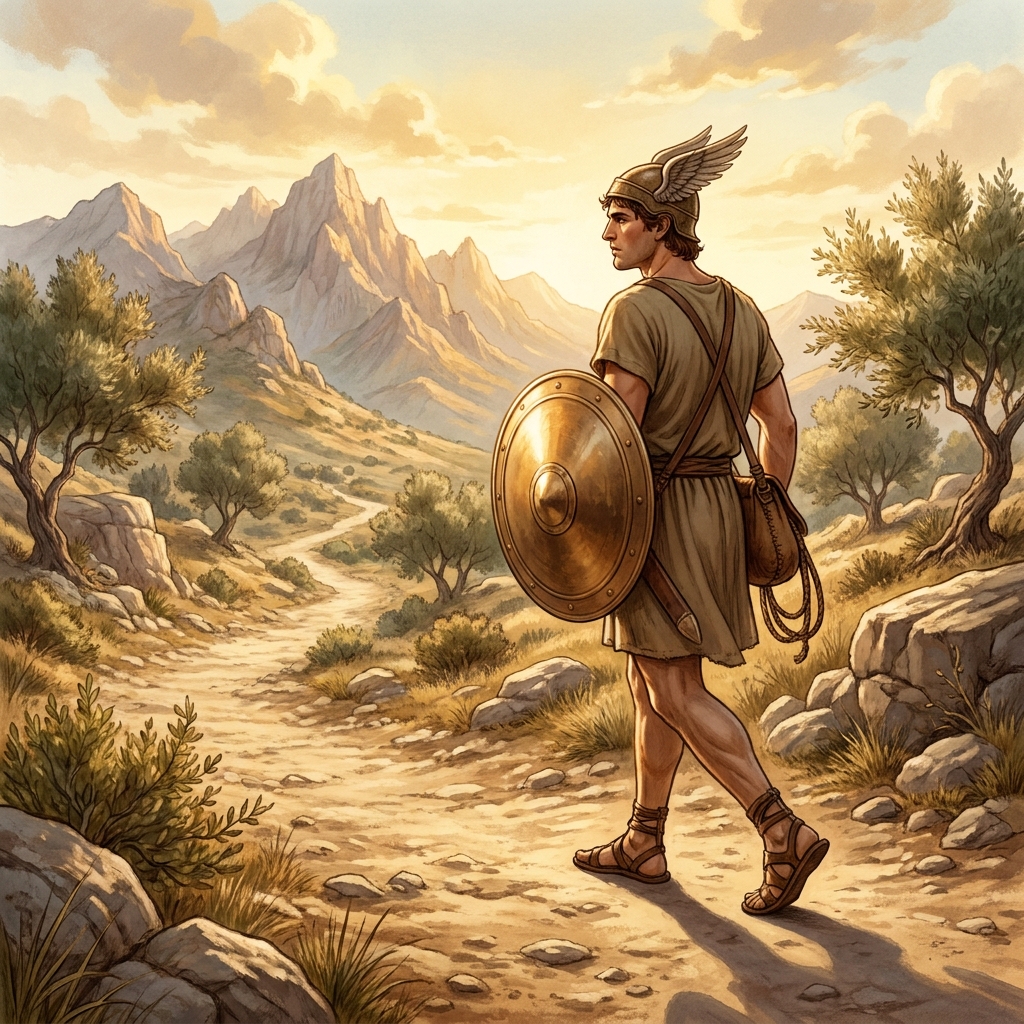
The lesson starts by defining a theme as the big lesson or message about life that a story teaches. It introduces the idea that stories from around the globe often use the same patterns. A pattern of events is described as a repeated way that a story unfolds, such as a hero going on a quest. Students are reminded that to compare is to look for ways things are the same, while to contrast is to look for ways they are different. I like how it uses concrete examples to show these concepts in action. For instance, the text explains that in a Greek myth, a hero shows bravery by fighting a monster, while in a West African folktale, a hero shows bravery by standing up to a powerful leader. This helps students see that the external action might change based on the setting or culture, but the underlying trait of bravery remains the focus.
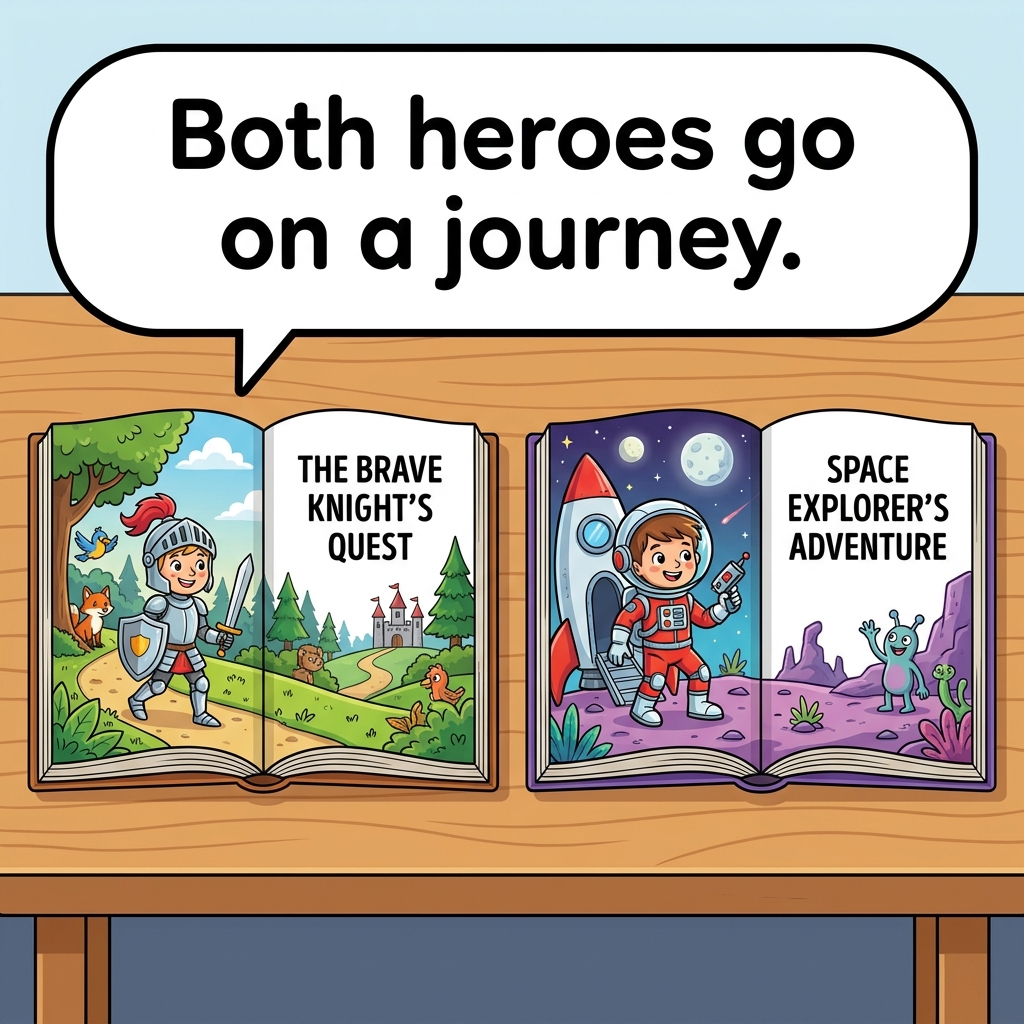
Students then move into guided practice where they look at a Norse myth and a Japanese folktale. Both stories feature a hero fighting against a force of evil to protect their home. By setting it up this way, the lesson forces them to grapple with the standard CA.ELA.RL.4.9. This California Common Core standard asks students to compare and contrast the treatment of similar themes and topics, such as the opposition of good and evil, as well as patterns of events like the quest in stories, myths, and traditional literature from different cultures. It is a vital standard because it pushes 4th graders to see the humanity in stories from unfamiliar places, helping them realize that we all care about similar things like kindness and honesty.
Using this in your classroom or program
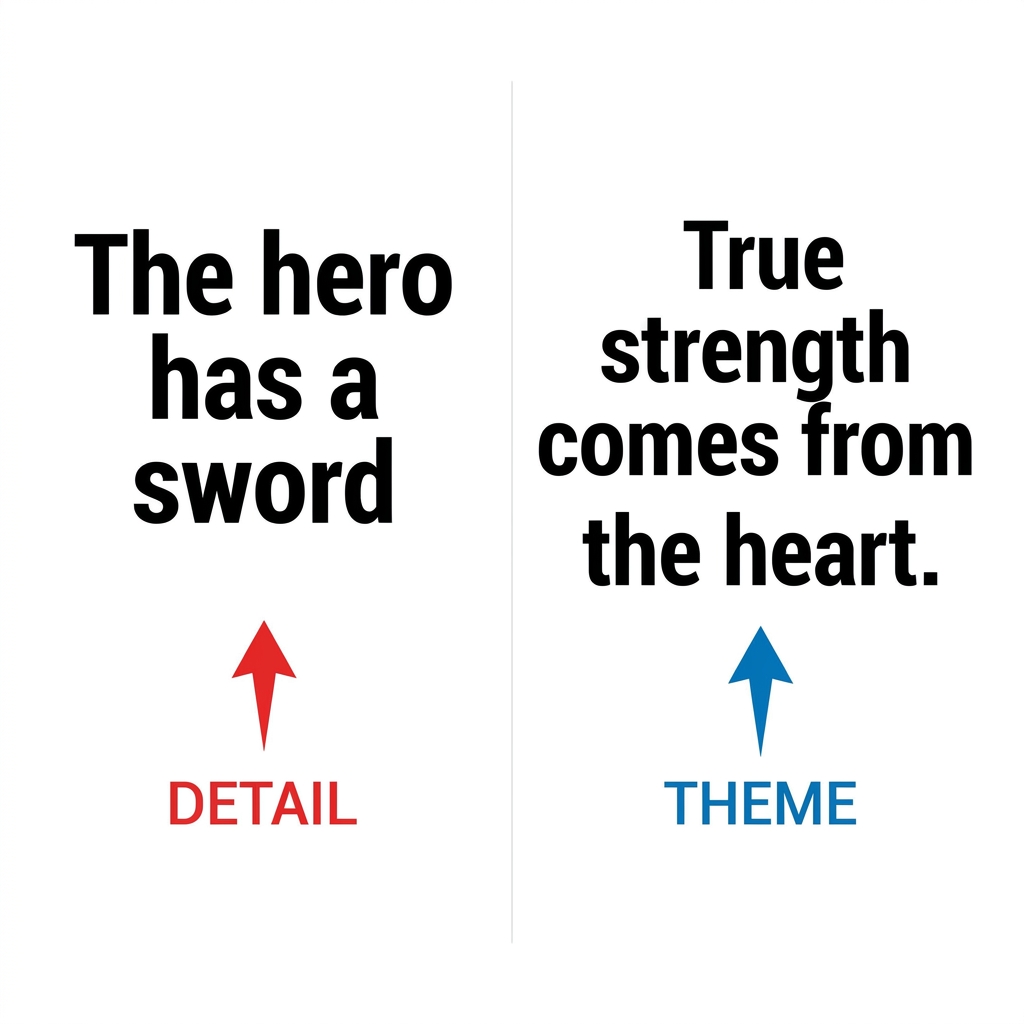
As a teacher, I find that students sometimes struggle to differentiate between a plot detail and a theme. They want to tell me everything that happened rather than what the story is really teaching. This lesson manages that frustration by providing clear, short examples before asking the student to perform the comparison themselves. It is a great resource if you are running an independent study literature lesson because it keeps the student on track without needing constant adult intervention. If a student finishes early, I encourage them to try to identify a common theme they have seen in a movie or a book they read at home to bridge that gap between the lesson and their personal interests.
The lesson is not overly long, which makes it perfect for a student who needs to recover attendance hours or catch up on missed classwork. It gives them enough structure to succeed but leaves enough room for them to do the thinking. You will know exactly where they are in their understanding based on the output they produce from the practice section. It provides a clear, manageable way for students to meet the requirements of the curriculum without feeling overwhelmed. If you need a reliable way to reinforce these specific literary concepts, this fits the bill nicely.
Related lessons

Finding Meaning in Stories and Myths, Teaches students how to interpret lessons found within classic myths
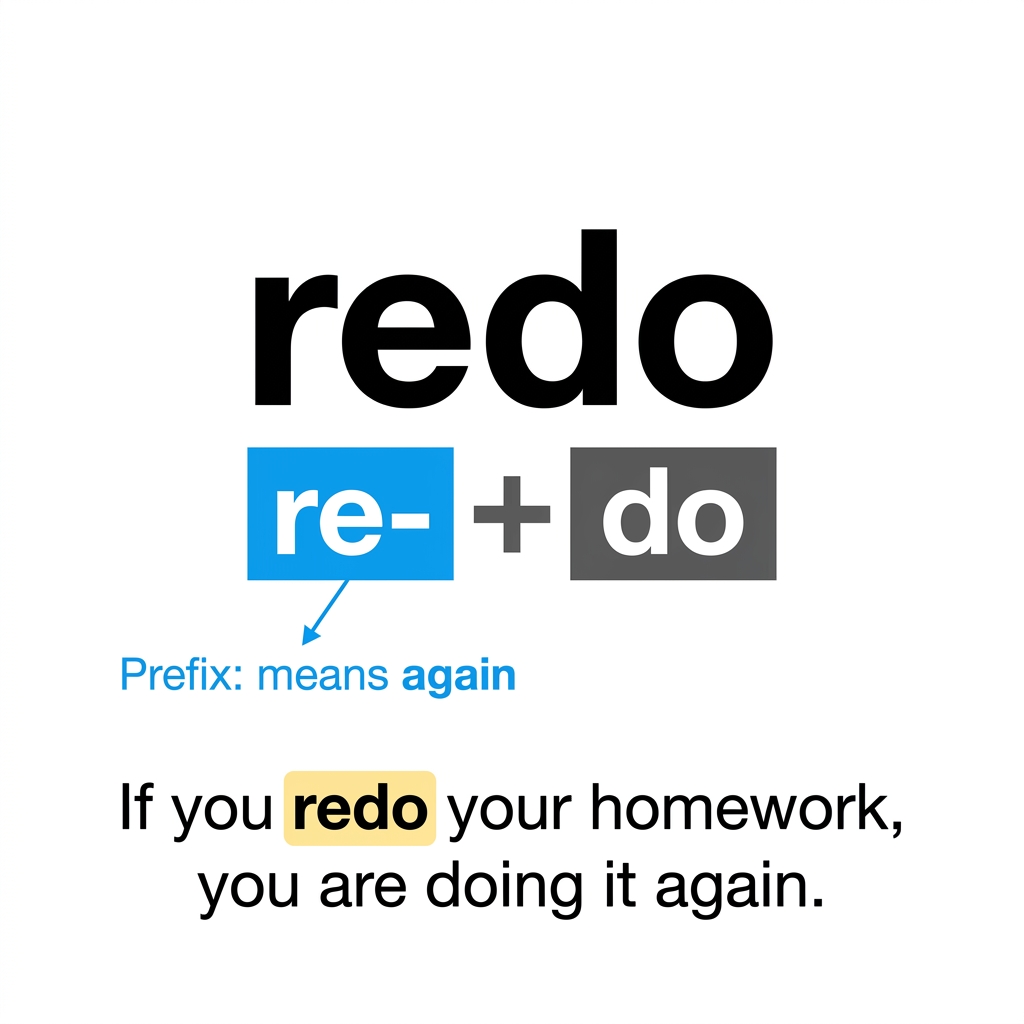
Decoding Words with Context and Word Parts, Helps students use word parts to determine unknown word meanings
Understanding Characters and Events, Focuses on analyzing how characters react to different story events