

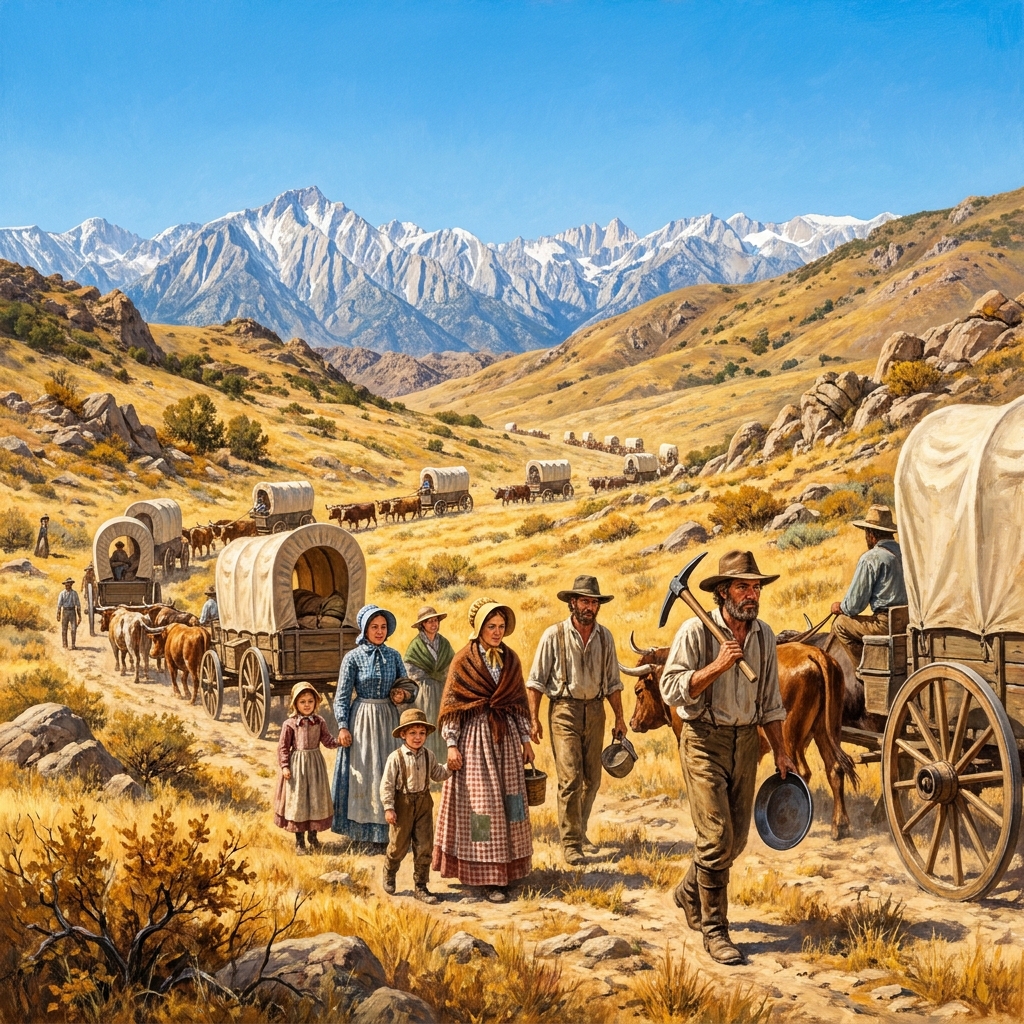
When you are planning your US History units, finding material that keeps students focused on both the human experience and the larger geographical shifts of the 19th century can be difficult. Paths to the West: Motivations and Challenges is an 8th grade social studies lesson designed to get students thinking about why people chose to leave their homes and what they encountered along the way. It is a straightforward resource that works well for a whole-class introduction or for a student who needs to catch up on missed content.
Understanding the movement of people
The lesson begins with a practical look at the 1840s, specifically in Missouri. It sets the scene by describing how families faced a tough choice because farmland in the East was becoming increasingly expensive and difficult to secure. This leads naturally into the central theme of migration, which the material defines as the movement of people from one place to another to live. To help students grasp the mechanics of this, the lesson introduces the vocabulary of push and pull factors. A push factor is a condition that drives people away, like poverty or a lack of land, while a pull factor is a condition that attracts them to a new location, such as the promise of gold or fertile acreage.
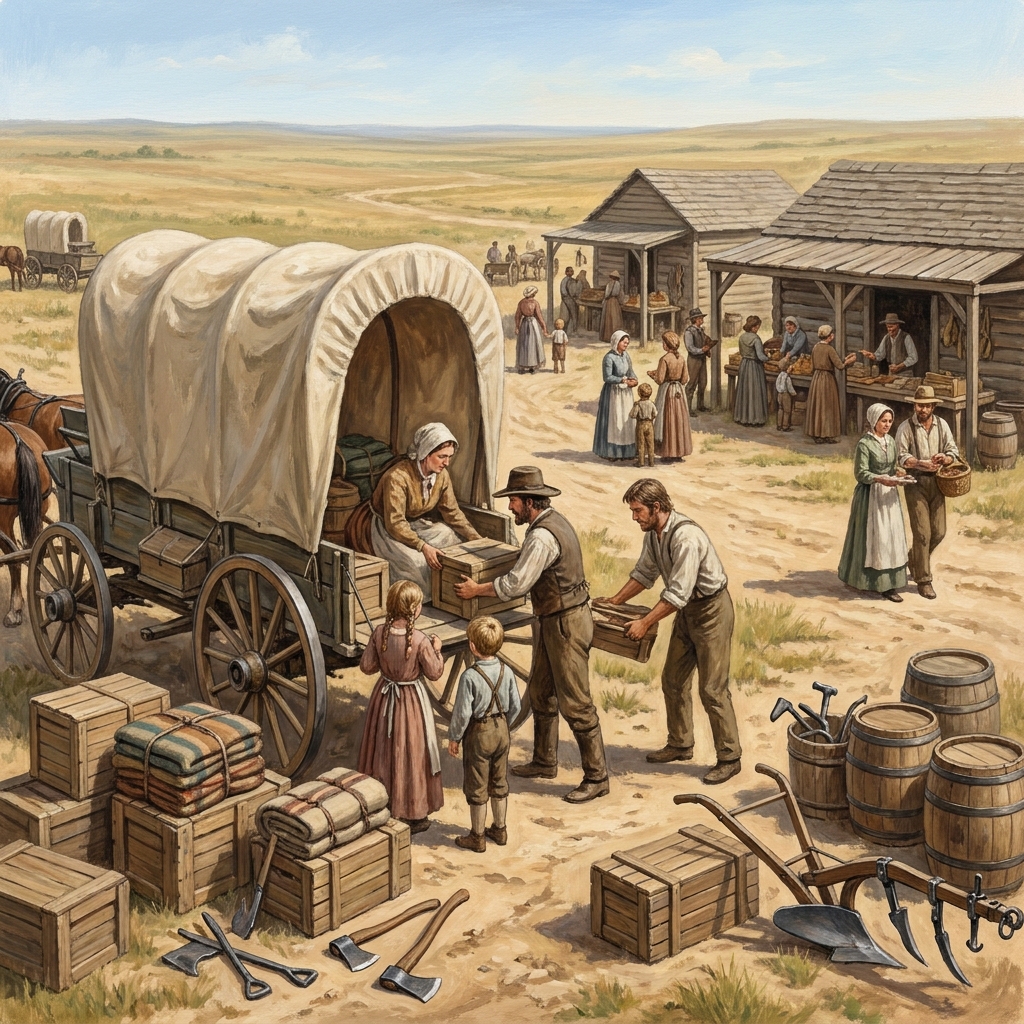
Using the California gold rush of 1849 as a worked example, the lesson shows how the pull of potential wealth drove thousands to move west. This is an effective way to ground the theory in concrete facts. If you are searching for an 8th grade westward expansion lesson, this material provides enough structure to keep the conversation from drifting while leaving space for you to add your own perspective on the risks involved in these movements. Teachers often find that presenting the statistics of the 1840s migration alongside these individual stories helps students understand the sheer scale of the population shift. When families packed their wagons in Missouri, they were not just deciding to change their address. They were entering an economic and social environment where the rules of success were fundamentally different from what they knew in the established East. The lesson materials provide charts and primary source excerpts that allow students to compare the cost of supplies in 1840s Missouri with the potential wages offered in the Western territories, which helps reinforce the concept of economic risk and potential reward.
Connecting historical standards to student inquiry
The core of this material is built to meet CA.HSS-8.8. This California-adopted standard asks students to analyze the divergent paths of the American people in the West from 1800 to the mid-1800s and the challenges they faced. Whether you are teaching in Long Beach Unified, San Francisco Unified, San Rafael City Elementary School District, or Pasadena Unified, you are covering the same state expectations for history-social science. The lesson addresses these expectations by asking students to identify the different reasons people moved and the environmental obstacles they encountered.
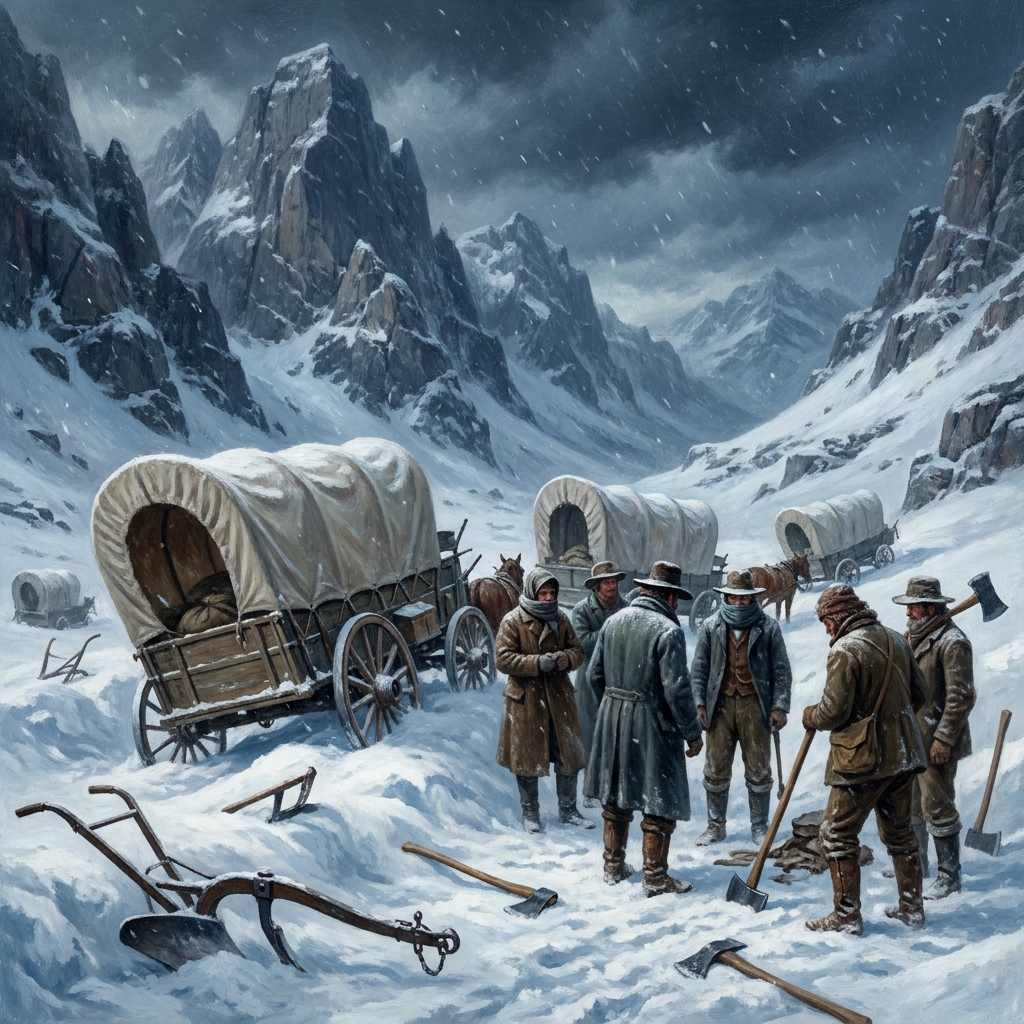
During the guided practice, students imagine they are part of a wagon train traversing the Great Plains in the 1850s. They have to consider the reality of a cholera outbreak, which helps illustrate that the movement was not just a romantic adventure but a series of dangerous physical and medical encounters. The lesson rounds out by connecting this to today, noting that while the circumstances change, people still move for jobs, family, or better living conditions. I appreciate that the lesson acknowledges the social conflict that arises when groups compete for resources. It is a good reminder that studying history is really about understanding the human cost of expansion, rather than just memorizing a timeline of events. For students, analyzing these specific historical conflicts provides a clearer picture of why certain policies were enacted during this era. When we ask students to examine the specific obstacles faced by settlers, such as the terrain or disease, we help them connect the broad geographical changes to the personal decisions that defined the 1800s. Teachers who use this material report that students are more engaged when they can categorize the migration motivations into push and pull factors, as it gives them a framework to organize historical data. The focus remains on the historical concepts rather than just the timeline, ensuring that students walk away with an understanding of how individual families were reacting to their specific economic and environmental conditions during the mid-19th century. By looking at the primary sources included in the lesson, students see the raw data of migration, which encourages them to ask their own questions about the era.
Related lessons
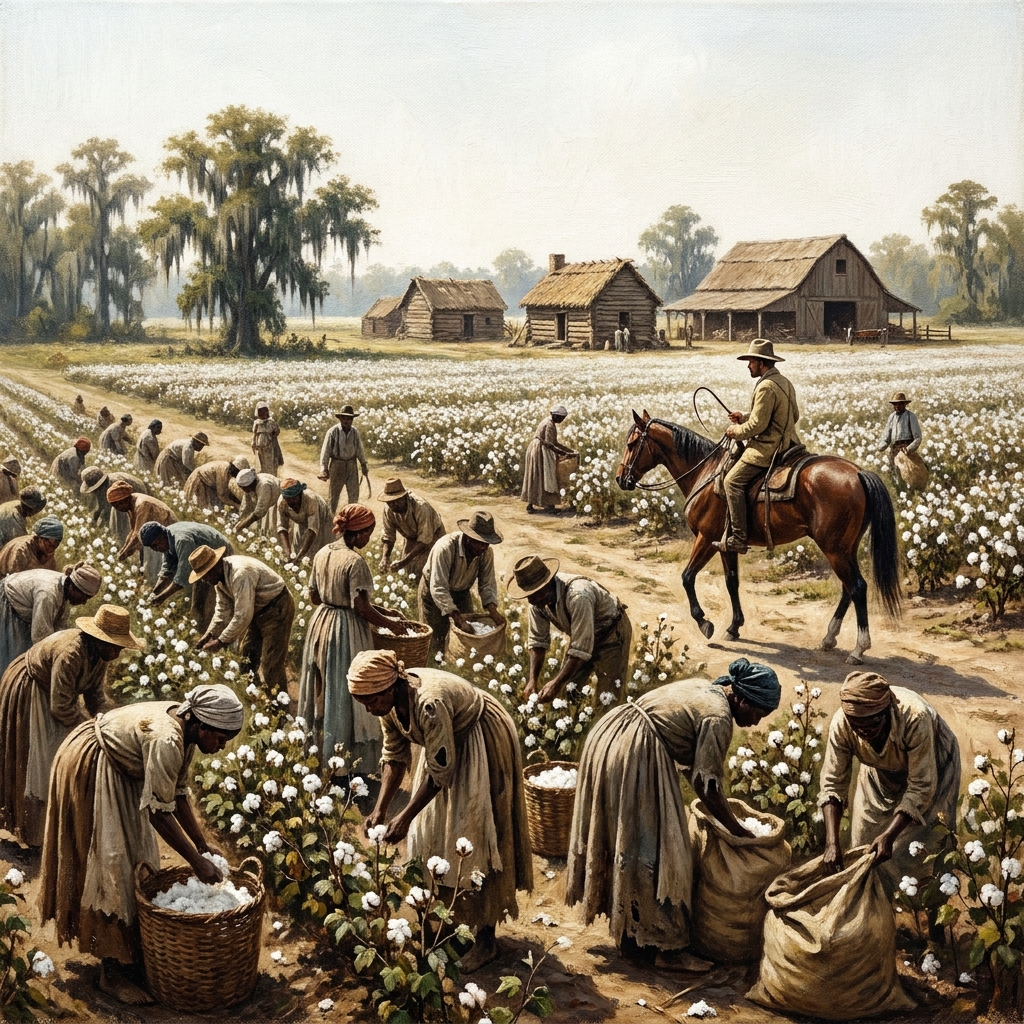
The Growth and Conflict of Slavery in America, Examines the rise of sectional tensions and slavery disputes
Founding a Nation: From Confederation to Constitution, Reviews early governmental structures and the constitutional framework
Women on the Western Frontier, Explores the roles and experiences of women moving west