

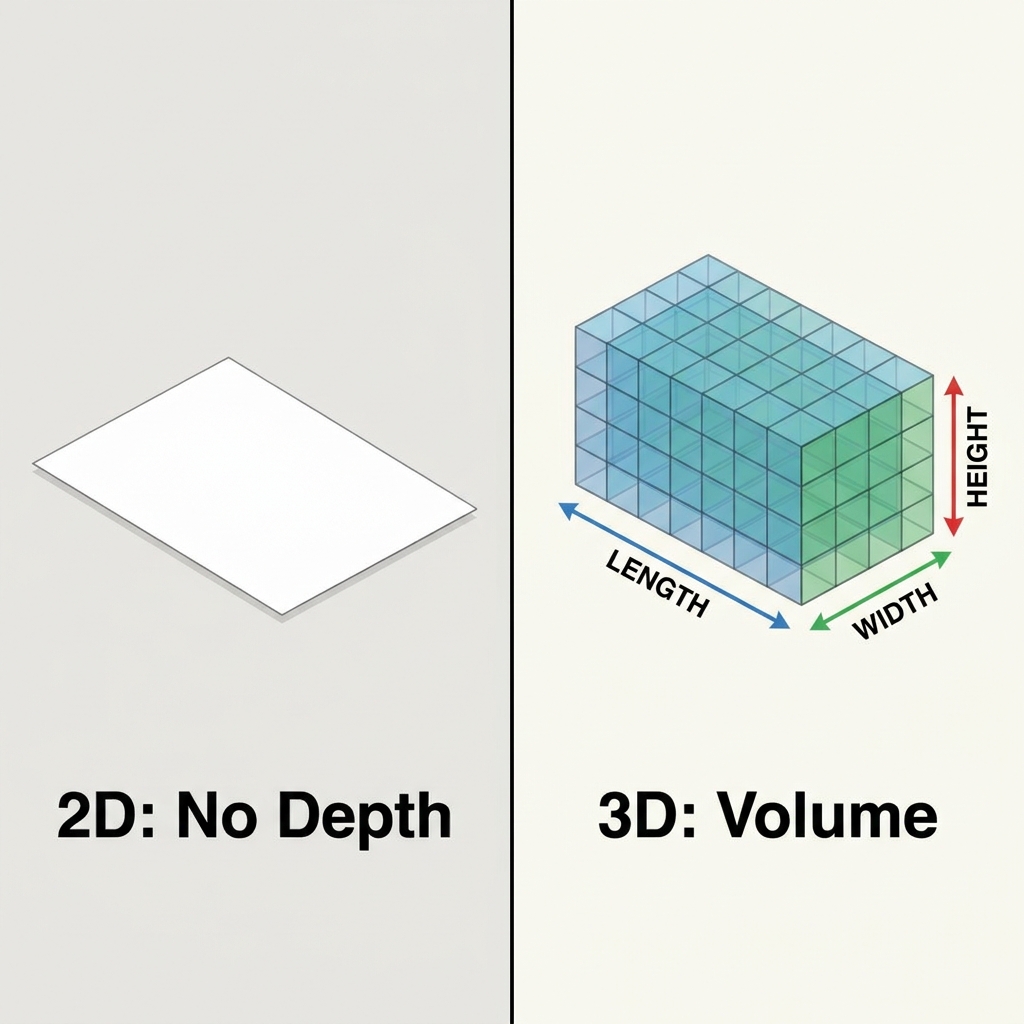
You probably notice that when students transition from area to volume, they have a habit of wanting to just count the outer edges or look for a quick calculation before they actually visualize what is inside the shape. It is a common hurdle in 5th grade mathematics. The issue is that they are still thinking about the flat space of a rectangle when they should be considering the three-dimensional space of a solid object. If they skip the visualization part, they miss the logic that volume is actually just counting up how much space is packed inside.
This is exactly why Understanding Volume with Unit Cubes works so well for a class that needs to slow down and build a real mental model. It focuses on the basic premise that volume is the measure of the amount of three-dimensional space occupied by a solid object. The lesson gives students a clear way to practice this by using a unit cube, which is defined as a cube with side lengths of exactly one unit. Instead of rushing to formulas, students see that volume is found by counting the number of these unit cubes that fit perfectly within a figure.
How this lesson connects to the standard
The material serves CA.MATH.5.MD.3, which asks students to recognize volume as an attribute of solid figures and grasp the core concepts of volume measurement. This is the California-adopted standard, and it is taught consistently across districts like Riverside Unified, Anaheim Elementary School District, Brea-Olinda Unified, and Empire Union Elementary School District. The lesson also incorporates CA.MATH.5.MD.3a, which adds the specific requirement of identifying the unit cube as a standard of measurement. These two parts work together to ensure that a student understands volume as the amount of space inside a solid figure measured by counting unit cubes, rather than just a number they reach by multiplying length times width.
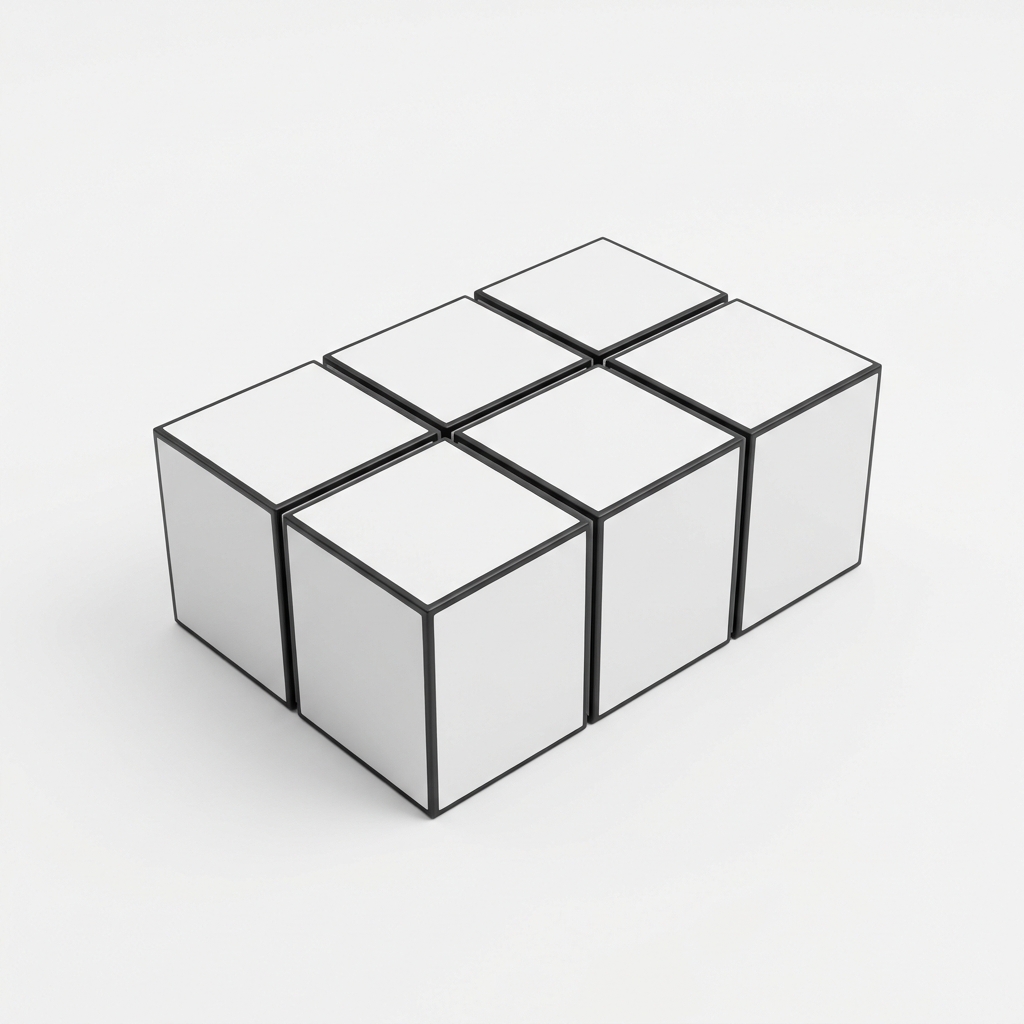
I find that the way the lesson uses worked examples is helpful for students who are prone to guessing. For instance, it shows a cube made of eight unit cubes and explicitly states that it has a volume of eight cubic units. The lesson then presents a 2x2x2 cube, reinforcing that we can count the eight individual cubes that make up its structure because it is a solid figure. Seeing that a structure is built from smaller, identical pieces makes the measurement feel tangible. It moves the math from an abstract calculation to a concrete inventory of space.
Why this approach fits your classroom
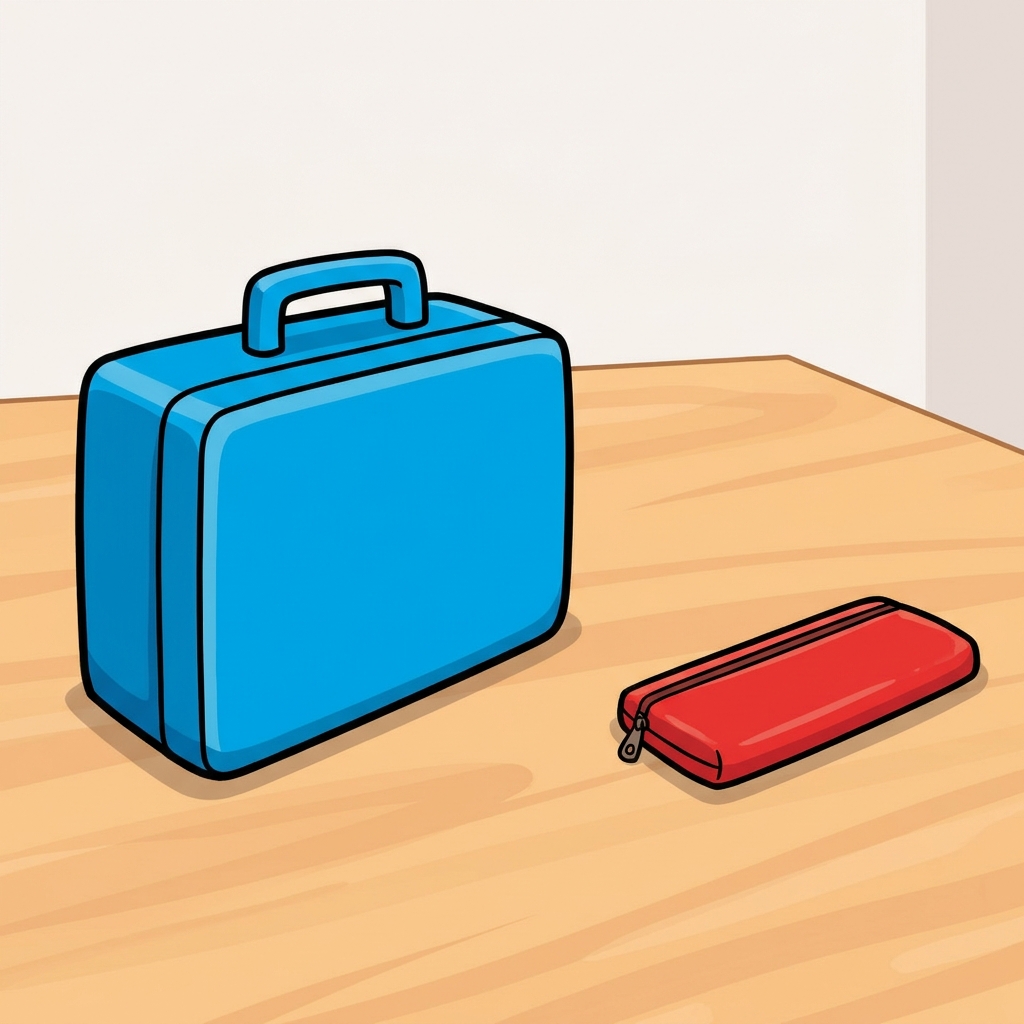
This fifth grade volume lesson is quite versatile. It is excellent for a whole-class assignment when you are first introducing the concept, but it is also very effective for a student who missed the week and needs a focused explanation to catch up. I have also used similar logic for independent study packets when I needed to ensure a student could work through the geometry without needing me at their elbow every five minutes. The lesson includes a guided practice section featuring a shipping crate being packed with uniform boxes, which helps students see that this is not just about math problems but about real spatial logic.
The why-it-matters section does a nice job of keeping things grounded. It mentions how warehouse managers need to know how many shipping boxes fit inside a large container to pack trucks and ships efficiently. It also mentions architects who use volume to calculate the capacity inside a building. This context is important because it shows students that we count cubes because we want to know what can actually fit inside a container. It gives them a reason to care about the precision of their counting.
One limitation you might find is that the lesson keeps everything very uniform. The unit cubes are perfect and the shipping crates are tidy. This is intentional for the start of the unit, but you should be ready to talk about what happens when the boxes do not fit perfectly or when the shapes become irregular later on. Use this lesson to get the foundation firm first. Once they see that volume is just filling space with cubes, the move to more complex shapes becomes much smoother.
I recommend checking the guided practice carefully before you hand it out. The transition from counting simple cubes to the shipping crate scenario is the point where students often stop and think. If you see a student staring at the screen for a long time at that point, you know they are actually working through the logic of how many units fit into the length, width, and height of the crate. That pause is a good sign.
Related lessons
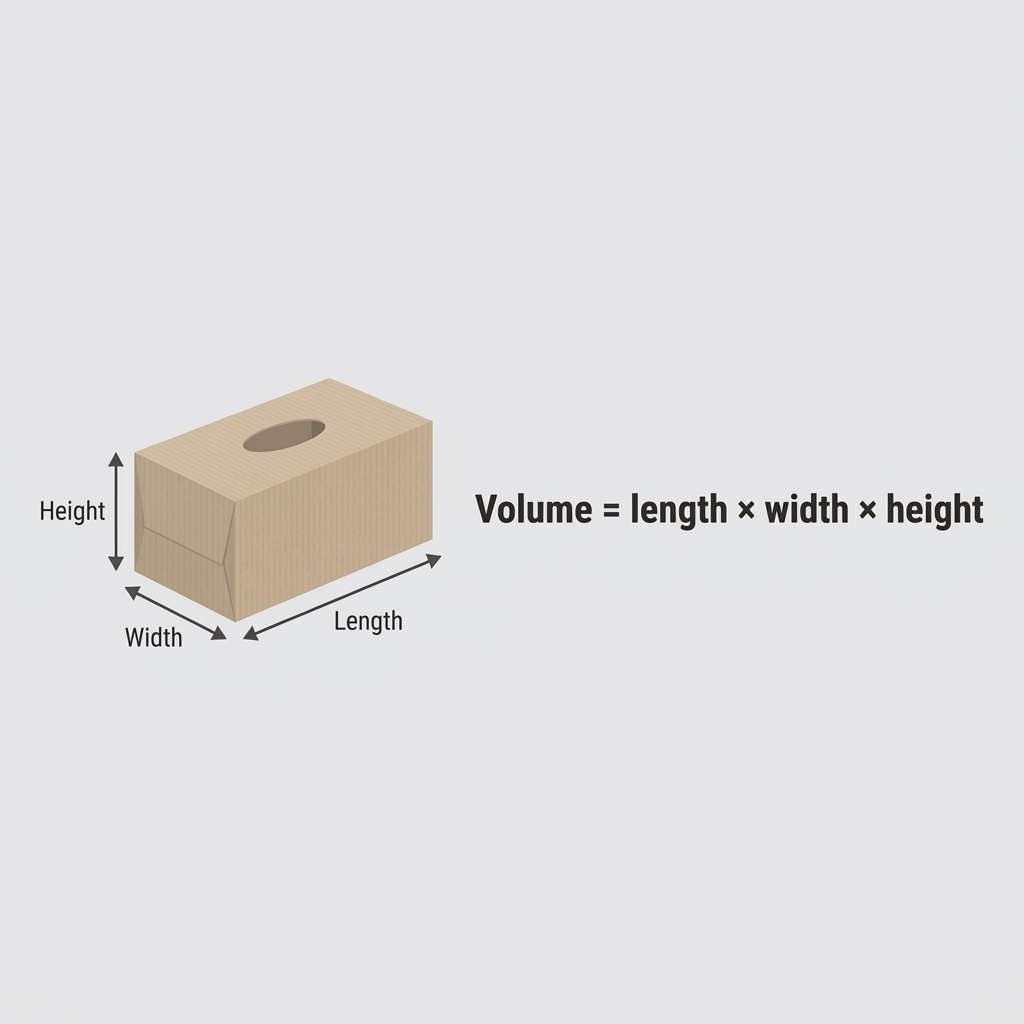
Understanding Volume of Rectangular Prisms, Calculates volume for prisms using length width and height
Measuring and Plotting Fractions, Graphs fractions on a number line with specific measurements
Measuring Volume with Unit Cubes, Counts unit cubes to determine volume of solid figures