


I stood by a student’s desk yesterday while she tried to figure out if she could afford a new textbook and a ticket to the movies on her sixty-dollar budget. She looked at me, frustrated, and asked why everything had to cost so much when she only had so much cash in her pocket. It is a classic high school social studies moment. The tension between her limited resources and her competing desires is the perfect starting point for Economic Reasoning and Choice. This lesson helps seniors in government and economics courses move from thinking about money as just a math problem to viewing it as a series of choices.
This material introduces twelfth graders to the core ideas of economic reasoning. Students start with the concept of scarcity, which is the condition of having limited resources to meet unlimited human wants. The lesson moves through vocabulary like opportunity cost, defined as the value of the next best alternative given up during a decision, and cost-benefit analysis, which is the process of comparing the expected costs and benefits of different options. Teachers in Elk Grove Unified, Porterville Unified, Sonora Union High School District, and Rowland Unified all use these exact concepts to meet the same state standards for their students. By the end, students see how they can apply these ideas to their own finances and to public policy debates, such as whether a city should fund public health clinics instead of stadium construction.
What the lesson actually asks students to do
The core work here is about trade-offs. The lesson provides clear, grounded scenarios that force students to weigh their options. For instance, the prompt about the city planner deciding where to locate a new park in a crowded town is excellent because it highlights how land is finite and every choice involves losing out on another possibility. When I have used this with my classes, I find that students appreciate the shift from abstract theory to these tangible examples. It is a solid high school economic reasoning lesson that requires students to justify their decisions based on the costs and benefits rather than just gut instinct. You will see them wrestle with the difference between what they want to do and what they can actually afford to do given their constraints.

Where students slip
The most common point of friction is understanding opportunity cost. Students often confuse it with the total cost of an item. I suggest you listen carefully as they explain their work in the guided practice sections. If a student says the opportunity cost of the textbook is sixty dollars, they are missing the point. Remind them that the cost is not the money itself but the other thing they could have done with that money or the value of that alternative. It takes a few tries for that distinction to stick. Do not be surprised if the first few answers are purely mathematical. Push them to explain what they gave up. Once they grasp that they are weighing values rather than just adding and subtracting, their reasoning becomes much sharper. This shift helps them think like citizens who need to evaluate government tax and spending policies, which is exactly why the subject is worth the time.
How to fit it in
This is a forty-five-minute lesson that serves the CA.HSS-PoE.12.1 standard, which expects students to understand common economic terms and concepts alongside economic reasoning. Since this is the California-adopted standard for this grade level, it fits nicely into a unit on public policy or personal finance. It works well for a whole-class assignment when you are introducing these terms for the first time. If you have a student who missed the week of economics, this is a clean, self-contained module for them to complete during independent study. I have also used it on a substitute day when I needed the class to keep working on core skills without me there. The structure is transparent enough that even a sub who is not a social studies specialist can keep them on track. It is a functional piece of curriculum that gets the job done without unnecessary fluff.

Related lessons
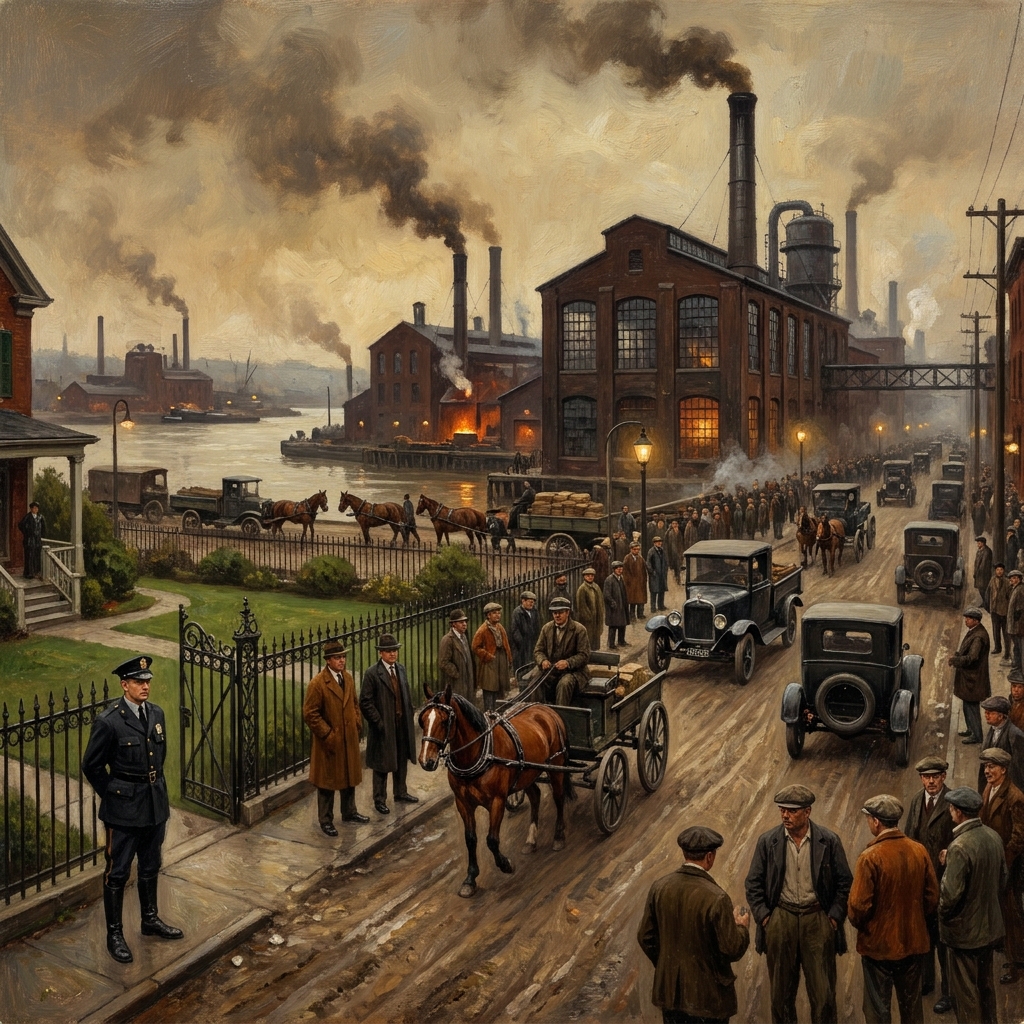
The Role of Government in a Market Economy, Explains how government policies influence and manage various market activities
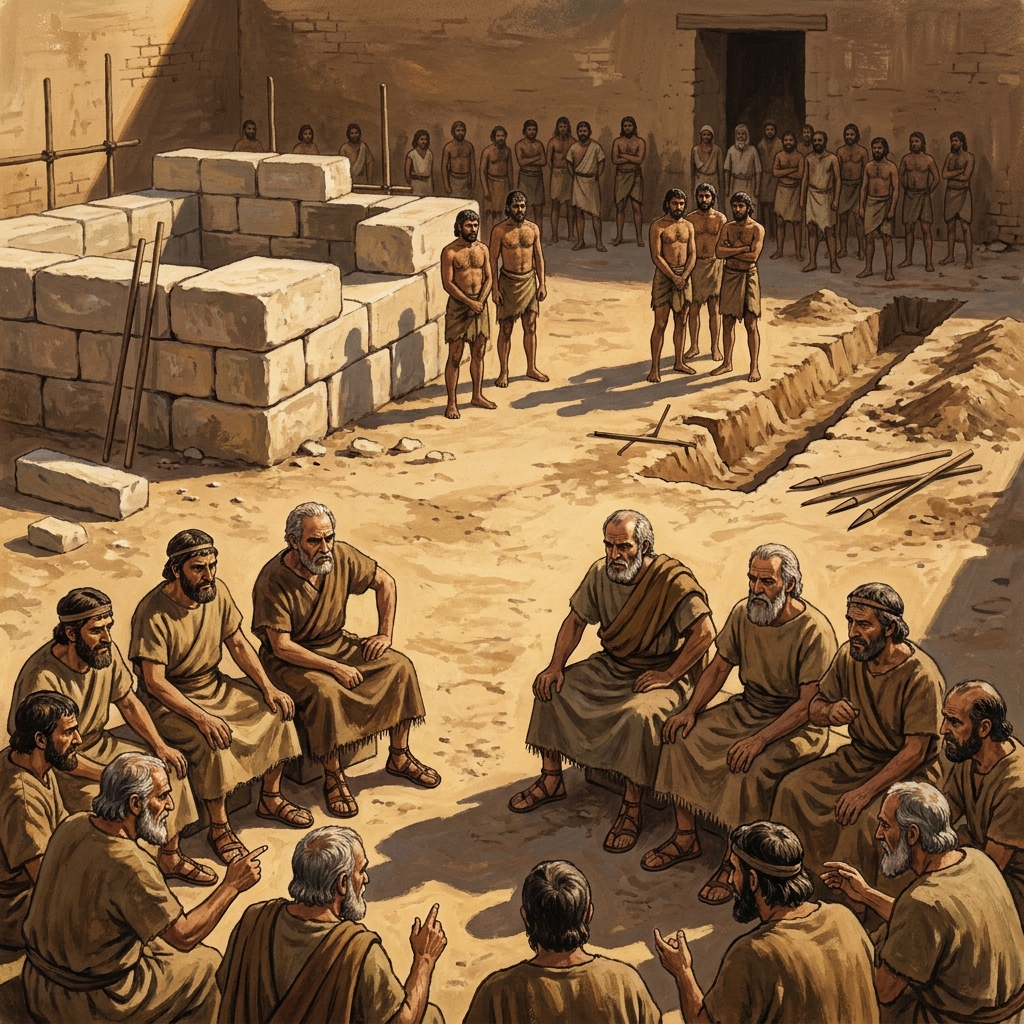
Choices and Scarcity, Discusses how limited resources drive human decisions and economic behavior

Trade and Efficiency in the Western Hemisphere, Covers regional trade patterns and the concept of economic efficiency