

Finding effective materials for California history can be a challenge when curriculum calendars are already full. Teachers often look for resources that bridge the gap between abstract requirements and the daily reality of early settlements.
Keeping up with the history calendar
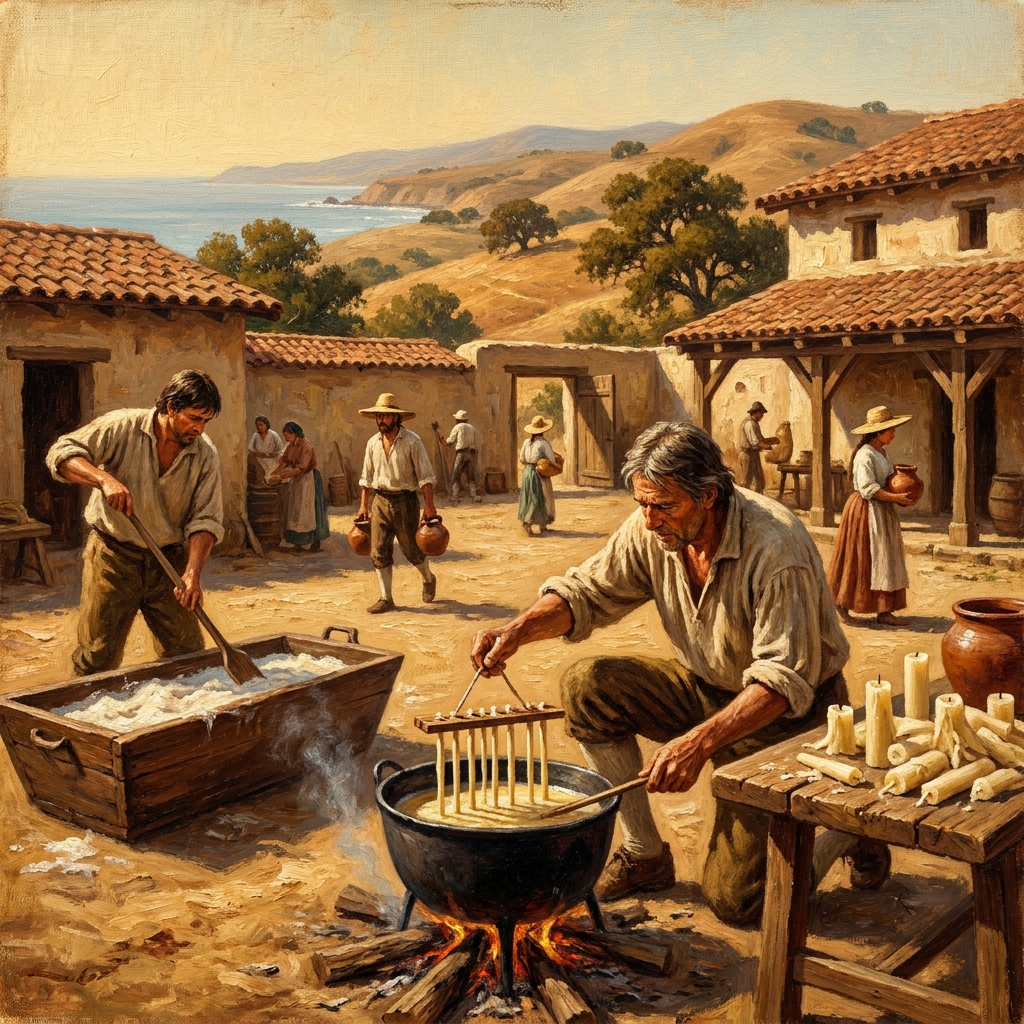
A parent once asked me why we were spending so much time talking about candles and soap in fourth grade history. It is a fair question when you are staring at a massive curriculum calendar and realize the week set aside for California history is already halfway over. Teachers in Pomona Unified, Lodi Unified, San Ysidro Elementary School District, and Washington Unified all face the same pressure. We have to balance broad narratives with the specific local history that our state standards require. When a student misses a day or an entire class falls behind, you need a resource that hits the core requirements without demanding an extra hour of prep time.
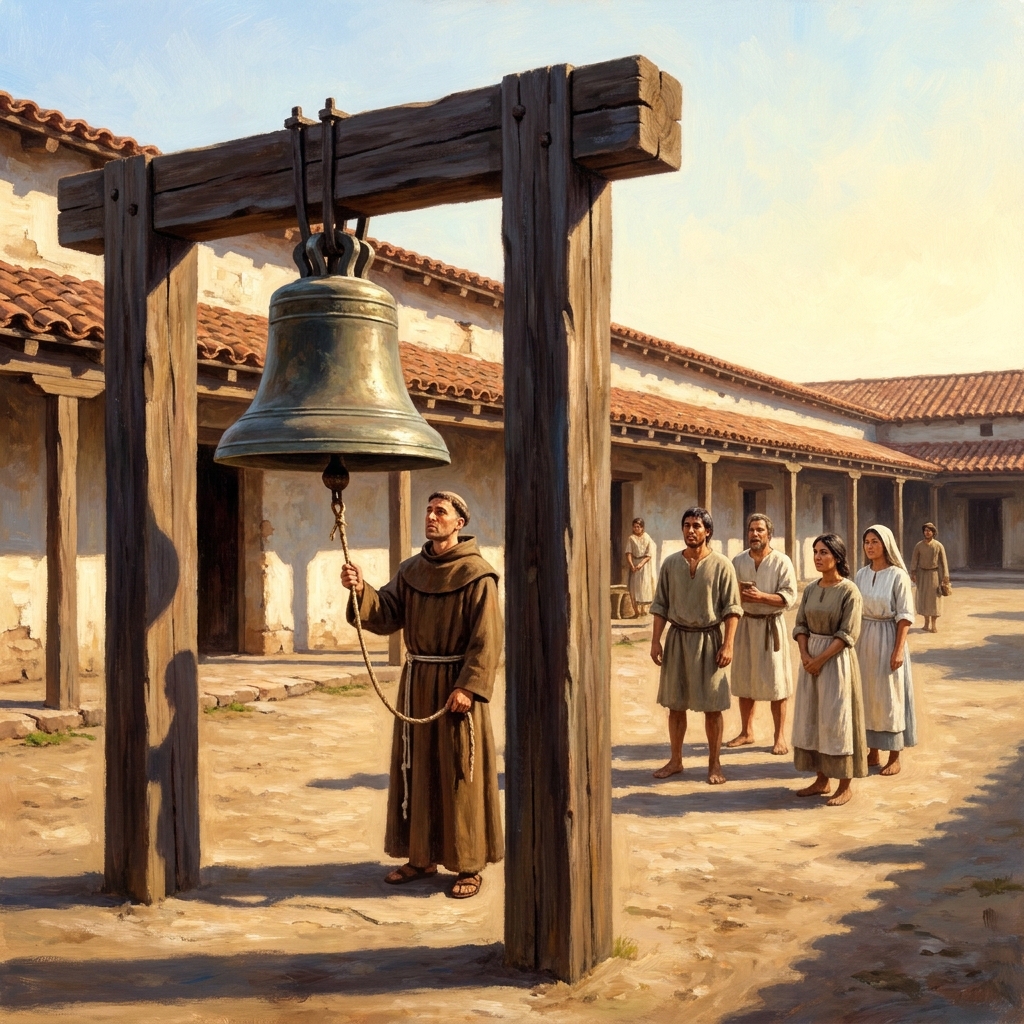
That is where Daily Life in Colonial California steps in. It is a 45-minute lesson designed to get students thinking about how people actually spent their time in the past. Instead of focusing on abstract political shifts, it zooms in on the rhythm of a day. It uses concrete examples to show how a worker in a mission might spend a morning producing supplies, or how a soldier at a fort had to follow a strict rotation of guard shifts. It bridges the gap between historical fact and the lived experience of people who occupied missions, presidios, ranchos, and pueblos.
Specific content and standards
This lesson provides a clear structure for meeting CA.HSS-4.2.5. This California-adopted standard asks students to describe the daily lives of both native and nonnative people living in these four distinct settlements. By looking at specific vocabulary terms, like the presidio as a Spanish military fort, the mission as a religious settlement for teaching, the rancho as an agricultural site for raising cattle, and the pueblo as a farming village, students gain a practical understanding of how these places functioned as a system. It is a relief to find a resource that does not overcomplicate the definitions but instead places them directly into the context of someone waking up to a specific job for the day.
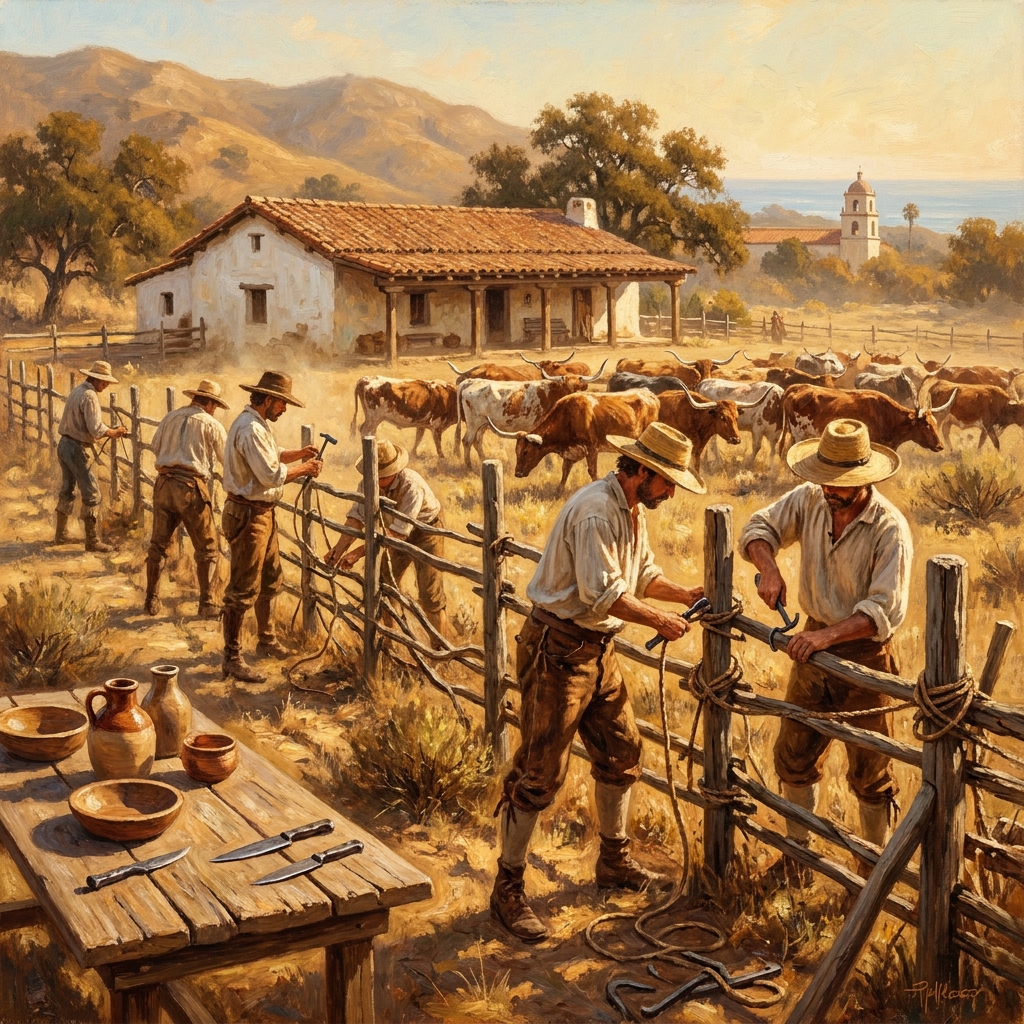
If you have been hunting for a reliable 4th grade social studies lesson that is ready to assign, this fits the bill. The material covers the prior knowledge of a soldier at the Presidio of San Diego keeping a fort safe and moves into a guided practice session involving a family living within the Presidio of San Francisco. I appreciate that the lesson explains why this matters: reading the logs and journals of those who lived then is the only way we truly learn what their lives were like. History is not just a collection of names and dates; it is the study of why people got up in the morning and what they did to survive and thrive. This content frames that idea well, keeping the focus on the actual humans behind the historical period rather than just the buildings they left behind.
I find this material particularly helpful for students who need a bit of intervention or for a student who missed the week while we were covering this unit. Because it is self-contained, a substitute can easily run the session without needing to know your entire scope and sequence for the year. It provides enough context to be a standalone experience, but it has enough meat to be a solid replacement for a lecture you might not have had time to write. It is clean, specific, and does not waste time with unnecessary fluff. It gets the job done.
One caveat to keep in mind: the focus here is on daily routines. If your class is currently in the middle of a deep, multi-week project on the political evolution of the missions, use this as a supplemental tool to ground your students in the physical reality of the settlement. It serves its purpose best when it acts as the bridge between knowing the names of the places and understanding the sweat and hard work that kept those places running. It makes the history feel less like a museum piece and more like a real life.
Related lessons
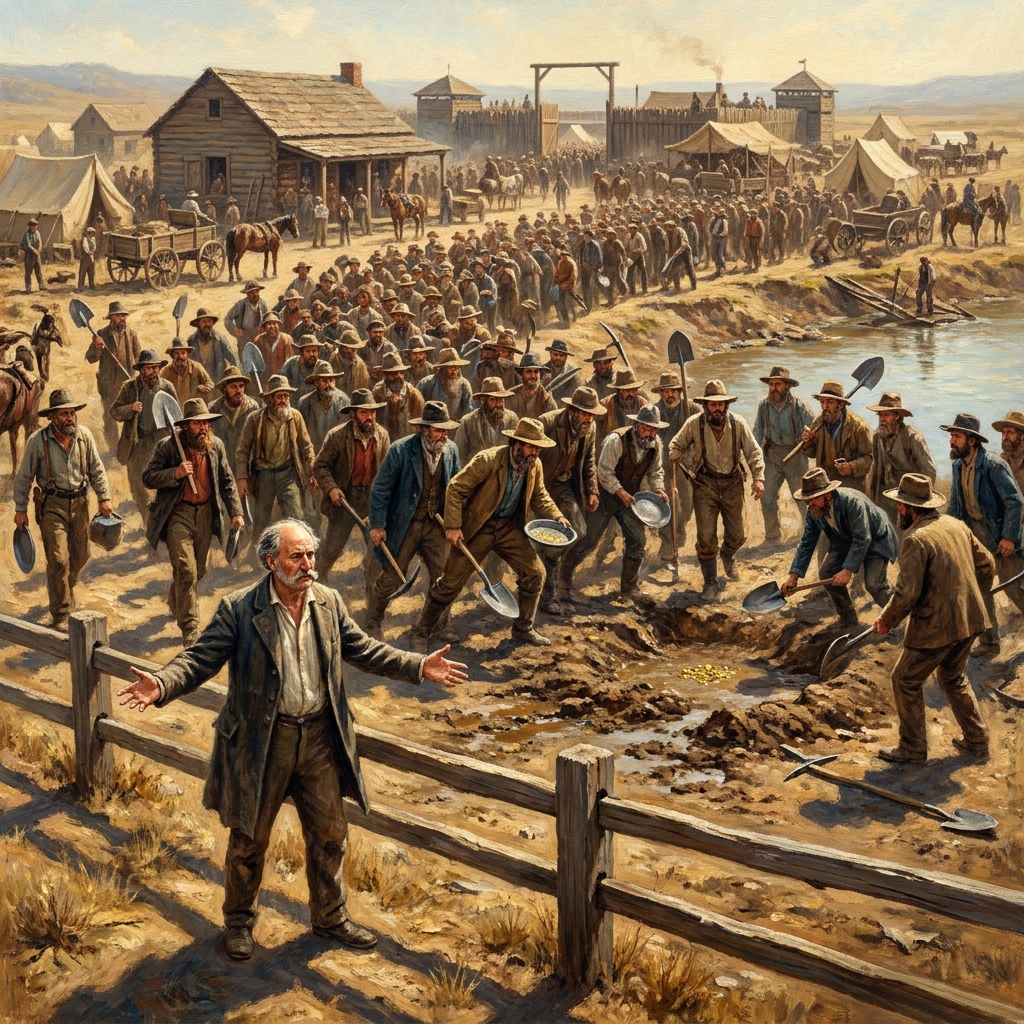
The California Gold Rush: A State Transformed, Covers the social and economic changes during the Gold Rush
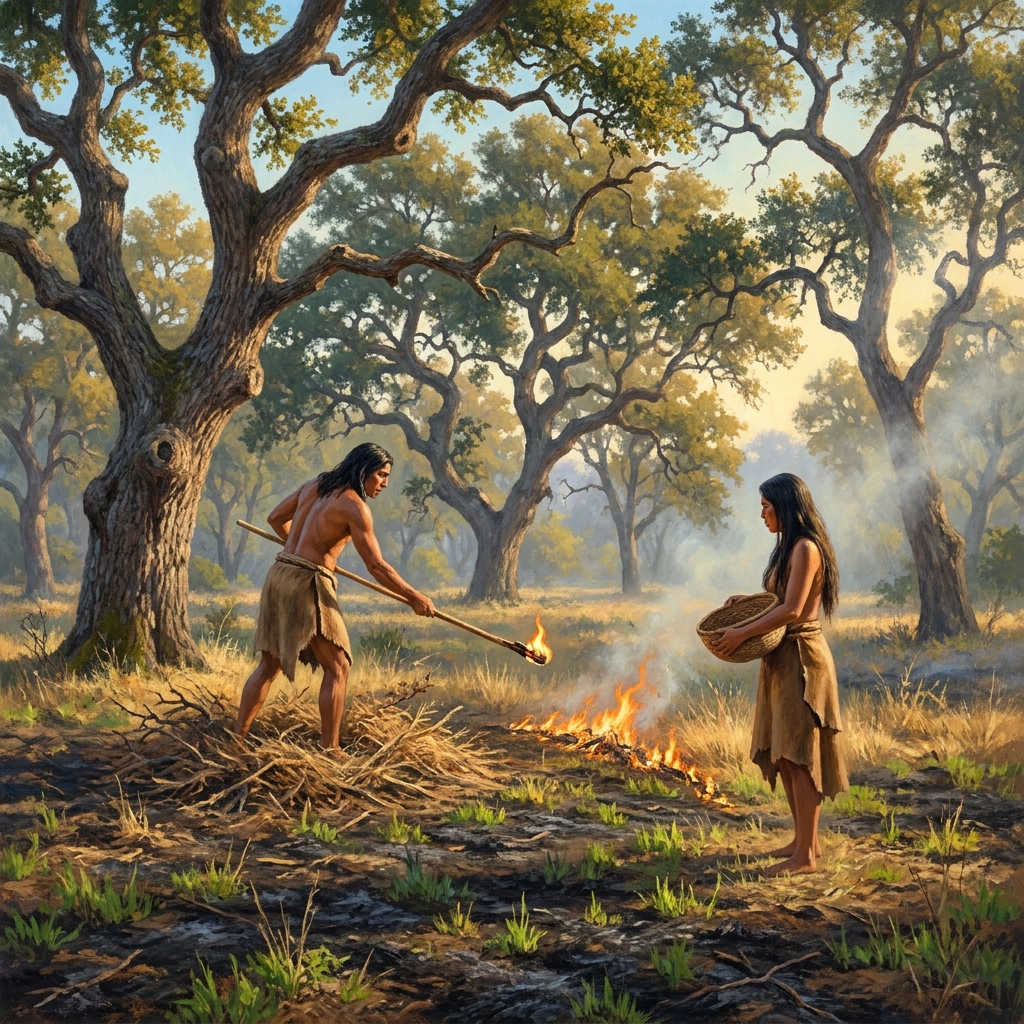
California Indian Nations: Adapting to the Land, Explores how indigenous societies interacted with their natural environment
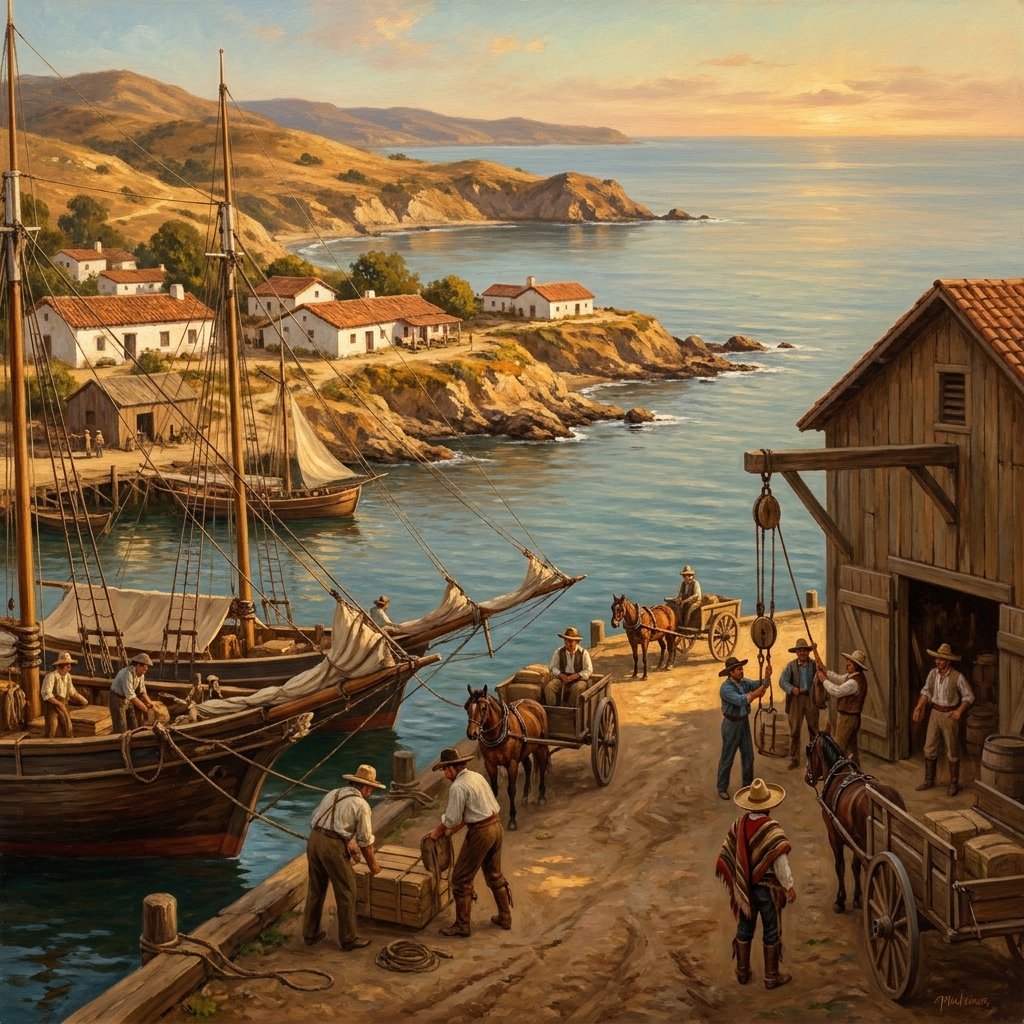
Geography and California Towns, Discusses the physical geography behind early California town locations