

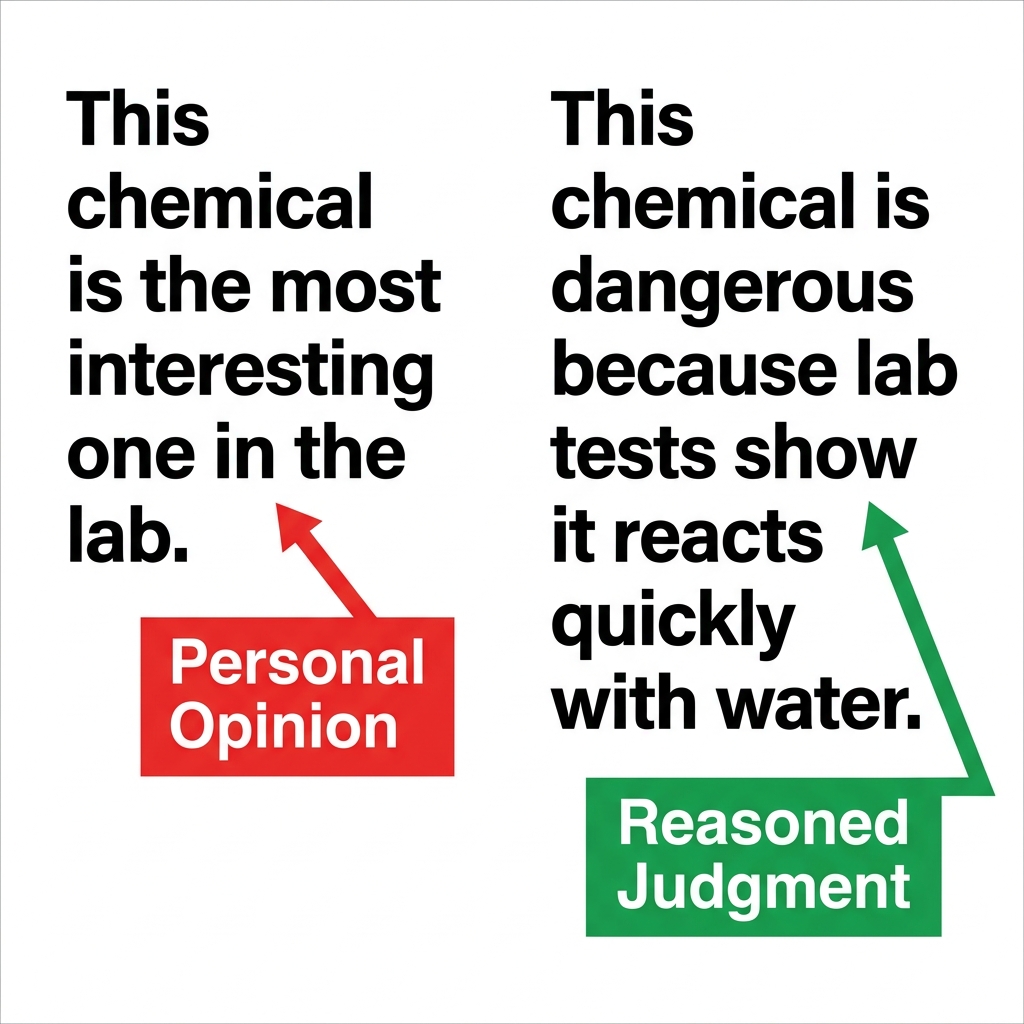
This lesson does not try to be an entire science curriculum, nor does it aim to teach students how to conduct their own laboratory experiments. Instead, Distinguishing Fact, Judgment, and Speculation in Science cuts straight to the reading skills students need to handle technical texts. It is a 6th grade English Language Arts lesson designed to help students evaluate the validity of scientific information. In a busy school year, this kind of focused work often gets squeezed into the margins of other units, leaving little room for the practice that students actually need to master these distinctions.
By the time late spring arrives, middle school calendars in places like Oakland Unified, Compton Unified, Paramount Unified, and Santa Monica-Malibu Unified are often packed with state testing prep and final projects. If you find your class behind or you are supporting a student who missed the week during a unit on scientific literacy, this lesson offers a clean, self-contained way to address the skill without requiring a long lead time for prep. It serves well as a whole-class assignment, an independent study module, or a way to get a student caught up on their attendance recovery hours.
What the lesson actually asks students to do
The lesson starts with a familiar bridge to prior knowledge, reminding students that they already know how to identify specific details in a text. It defines a fact as a piece of information proven true by data or direct observation, using the example of a weather report stating a temperature of 72 degrees. From there, the material introduces three core vocabulary terms that students must understand: fact, reasoned judgment, and speculation. A fact is defined as a statement that can be proven true through direct observation, measurement, or data. A reasoned judgment is a conclusion or opinion based on research findings and evidence. Finally, speculation is defined as a guess or idea about what might be true that does not yet have enough evidence to be proven.
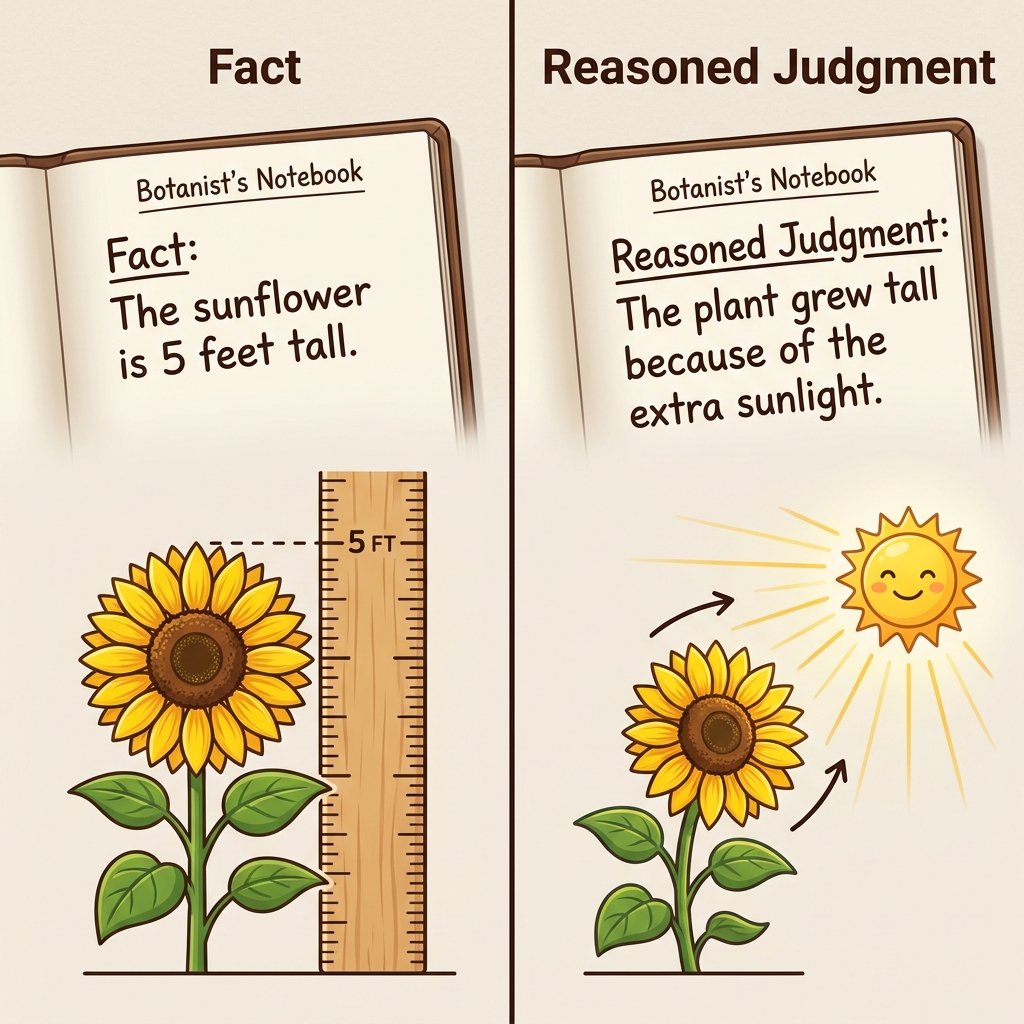
To make these abstract terms concrete, the lesson provides a straightforward technical manual scenario. Students read that battery voltage at 12 volts is a fact, while a recommendation to use that same battery for long-term use because it maintains steady voltage acts as a reasoned judgment. This distinction is vital for 6th graders who often conflate any assertion in a textbook with hard truth. The guided practice moves the class through a report on bridge safety, forcing them to categorize sentences based on the evidence provided for each. It is a quick exercise, but it forces them to slow down and interrogate the prose rather than just skimming for keywords. You might find that some students struggle more with the difference between a reasoned judgment and speculation, especially when the author uses professional language that makes a guess sound more authoritative than it actually is. It is worth spending a little extra time on that specific friction point.
Meeting the California standard
This resource directly addresses CA.ELA.RST.6-8.8, which is the California-adopted standard asking students to distinguish among facts, reasoned judgment based on research findings, and speculation in a text. This standard is central to scientific literacy because it moves students beyond simple comprehension to critical analysis of evidence. Teaching this content is not just an academic exercise; the lesson includes a clear why-it-matters statement explaining that students need these skills to interpret news reports and safety instructions in their daily lives. If you are looking for a reliable sixth grade scientific reading lesson that fits into a single class period, this provides exactly what you need without the filler. It is practical and keeps the students focused on the text at hand, which is usually the best way to keep them working through the end of the term.

Related lessons
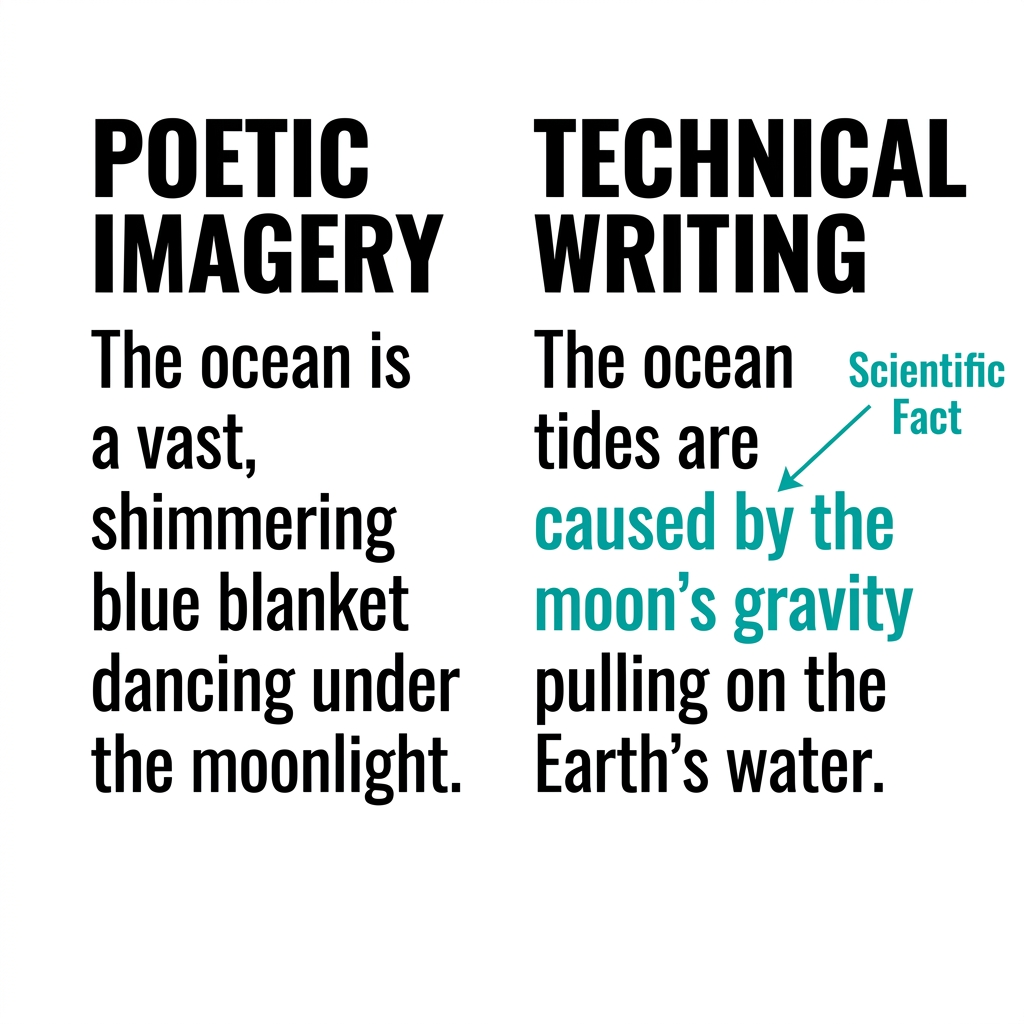
Understanding Text Structure in Technical Writing, Teaches organization patterns found within complex technical scientific documents
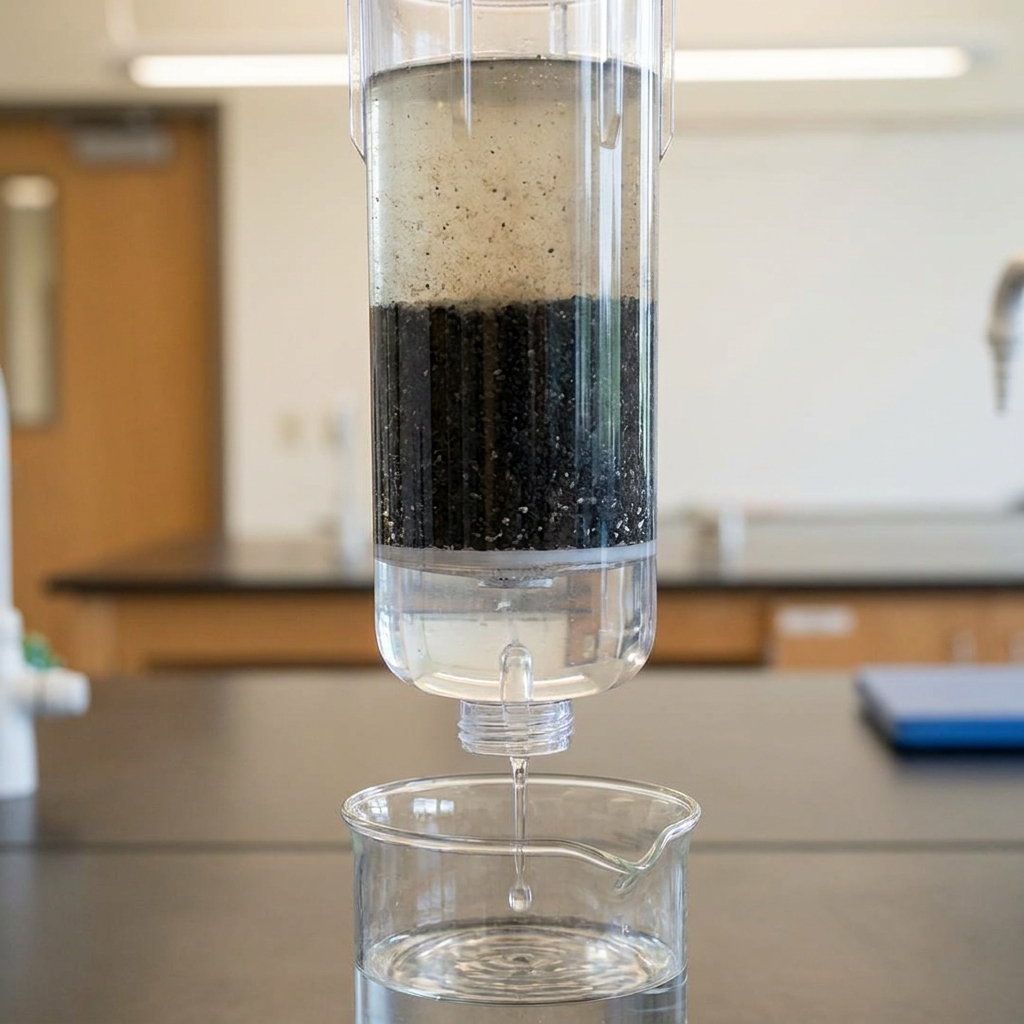
Distinguishing Facts from Opinions in Scientific Texts, Practices identifying objective data points against subjective writer opinions
Connecting Words and Visuals, Analyzes how charts and images support scientific written arguments