

Many fourth grade readers struggle to distinguish between interesting background information and the essential events that drive a story. By teaching students how to filter text for specific narrative indicators, you can improve their overall comprehension and help them approach complex literature with confidence.
When students ignore the plot
The most common mistake fourth graders make is treating every sentence in a story like it carries the same weight. They get lost in the descriptive adjectives or the setting details and forget to track the actual events that move the narrative forward. When you sit down with Understanding Stories: Finding Key Details, you are giving them a framework to filter out the noise so they can focus on the bones of a story.
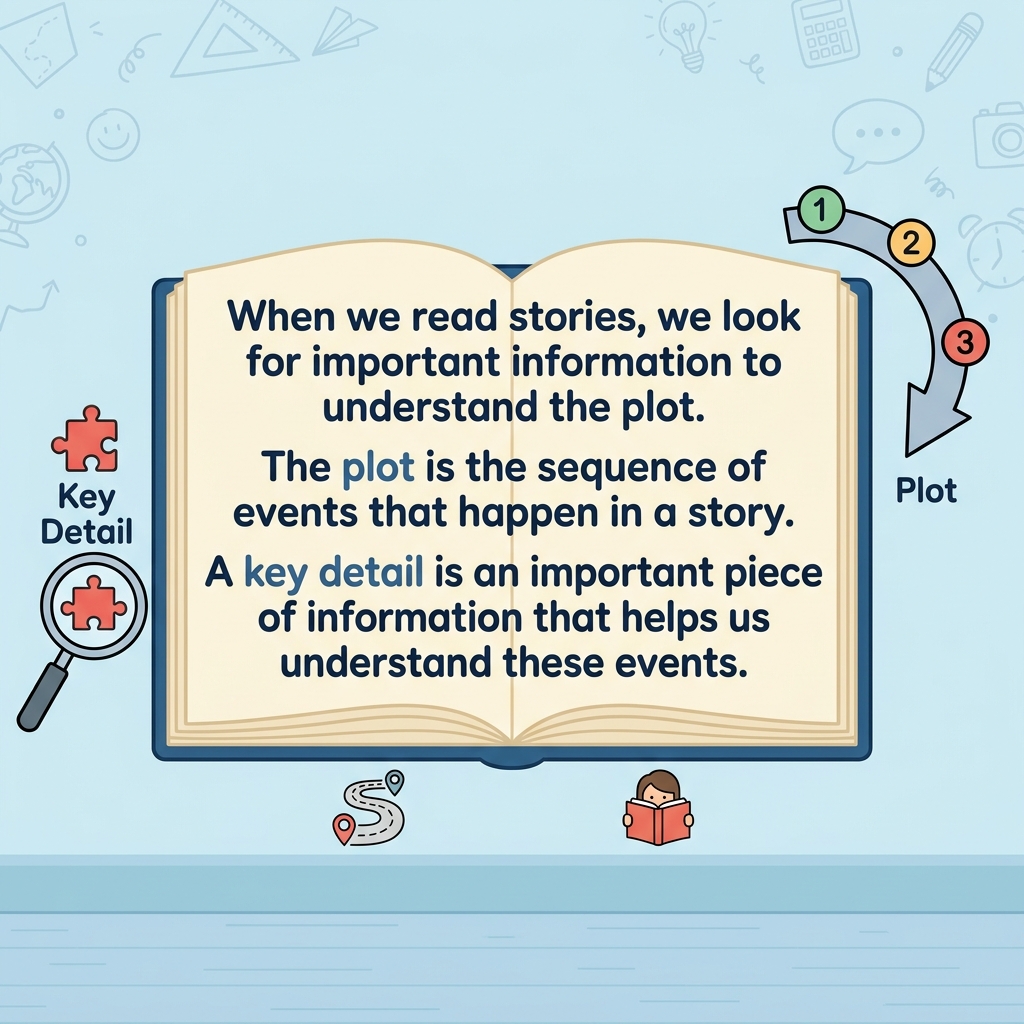
This 4th grade English language arts lesson is designed to be completed in about 45 minutes. It works well as a whole-class assignment for introducing the concept of plot, or as an independent study module for a student who missed the week of direct instruction. Because the lesson keeps the focus tight on identifying important narrative information, it is a clean, low-stress way to shore up comprehension for students who struggle to summarize what they read.
Defining key details in literature
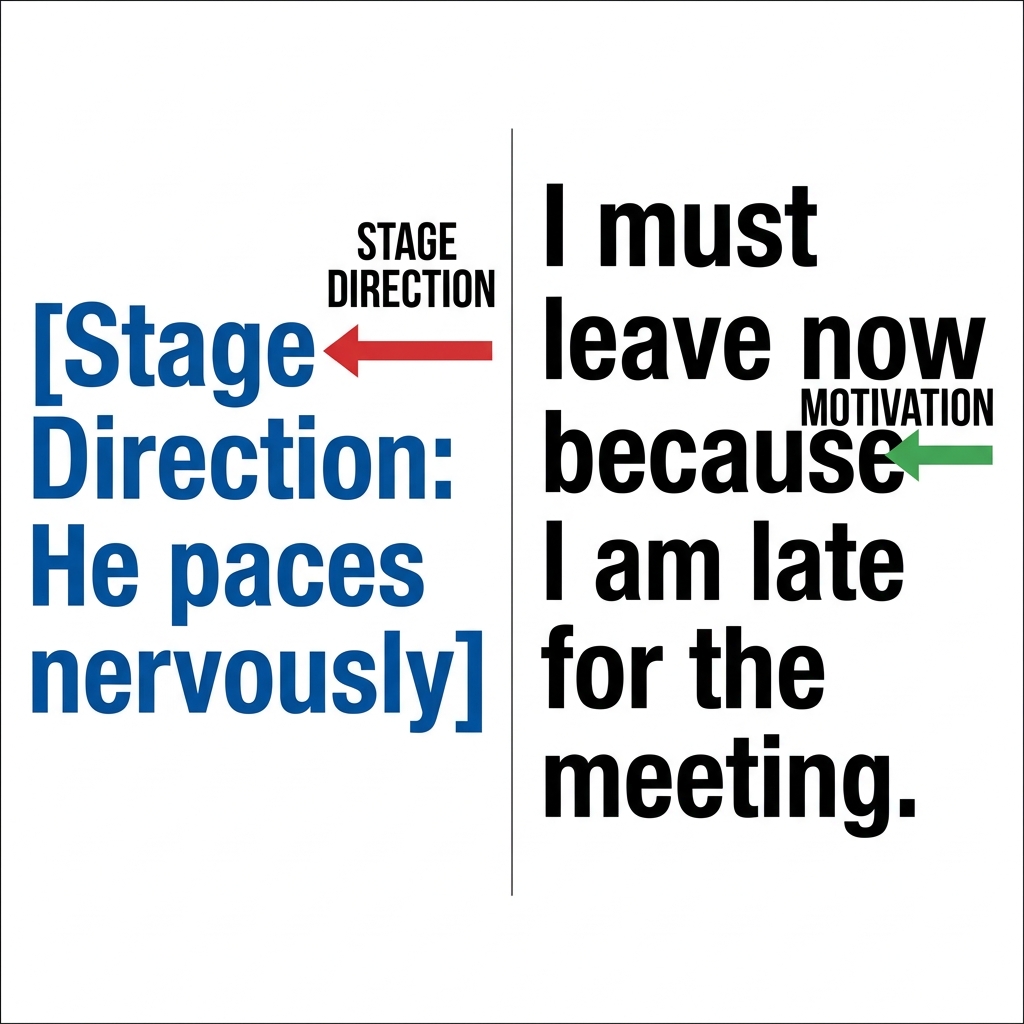
The lesson starts by grounding the students in the idea that plot is simply the sequence of events. It defines a key detail as an important piece of information that helps us understand those events. From there, it moves into a clear worked example: a character in a play declares that they must find a path through a forest to save their village. The lesson points out that this bit of dialogue is a key detail because it reveals the character’s motivation. This kind of direct explanation is helpful because it shows students that a key detail isn’t just about what happened, but often why it happened.
The material covers three primary vocabulary terms that are essential for this grade level: plot, key detail, and climax. It explicitly defines the climax as the most exciting part or turning point of a story where the main character faces their biggest challenge. Having these terms defined in the 4th grade reading comprehension lesson helps students develop a shared language for your discussions later in the week. By the time you get to the guided practice, where the students read about a knight trying to cross a bridge guarded by a troll, they have already built the mental scaffolding needed to pick out the conflict and the potential climax.
Meeting the standard for complex texts
This lesson serves CA.ELA.RL.4.10, which is the California-adopted standard asking students to read and comprehend literature within the grades 4-5 text complexity band proficiently. You will find that educators in Chula Vista Elementary School District, Orange Unified, Needles Unified, and Glendale Unified rely on the same standards to ensure students are prepared for the middle school curriculum. The standard requires that students handle stories, dramas, and poetry, with support as they tackle the high end of that complexity range.

One caveat: the passage about the knight is fairly straightforward. If you have advanced readers, you might find they breeze through it. Use the time saved during the lesson to ask them to apply these same techniques to a more challenging piece of poetry or a complex drama from your classroom library. The beauty of this specific resource is its flexibility. It works perfectly for a substitute day when you need the class to remain on task without needing to teach a complex, multi-day unit on the fly. It is simple, it is focused, and it does not try to do too much at once.
I appreciate how the lesson connects the work to real life. It points out that identifying key details matters when reading the news to figure out what happened, or when reading through instructions to know the next step. Bringing that bridge between literary analysis and functional reading usually helps my students buy into the process a bit more. When they see that picking out details isn’t just about passing a quiz, but about getting the information they need to function, they tend to pay closer attention to the work on the page.
Related lessons
Finding the Heart of a Story, Focuses on identifying central themes within a narrative structure
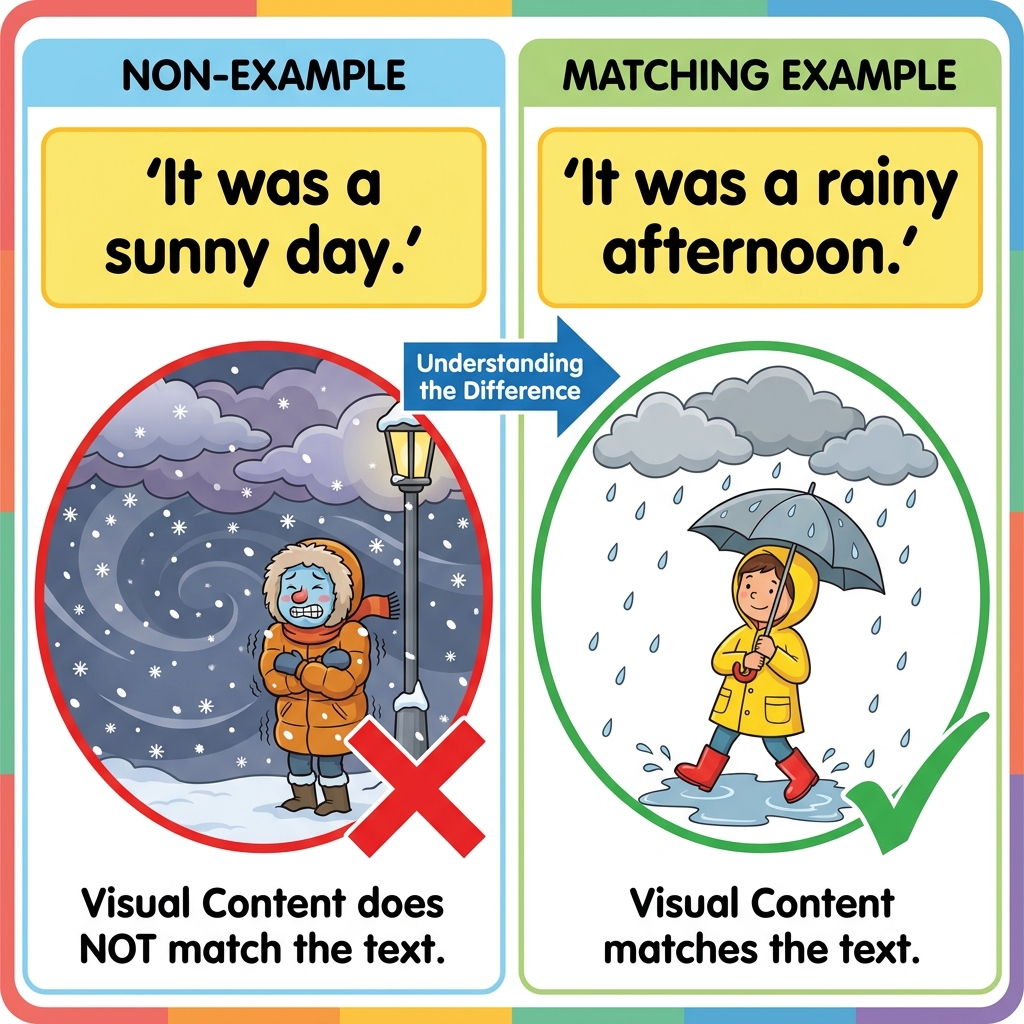
Connecting Stories to Visuals and Sounds, Links written text to sensory details and visual elements

Using Figurative Language and Precise Words, Examines word choice and literary devices in grade-level texts