

Teaching volume is a core concept in fifth grade mathematics. Educators often look for ways to help students build a solid foundation for geometric measurement that goes beyond simple memorization.
How to get students visualizing three-dimensional space
Since we are moving into the geometry portion of the term, I have been looking at how to help the team get more comfortable with 5th grade mathematics. If you are prepping for your upcoming unit on measurement, take a look at Understanding Volume. It handles the transition from two-dimensional area to three-dimensional space really cleanly. The lesson starts by connecting what students already know about counting squares on a surface to the idea of packing a solid object with unit cubes. This is exactly the kind of scaffolding they need before we ask them to just memorize a formula. Because the lesson keeps the focus on the actual physical space inside an object, it does a much better job than a standard worksheet at showing why we multiply length by width by height.
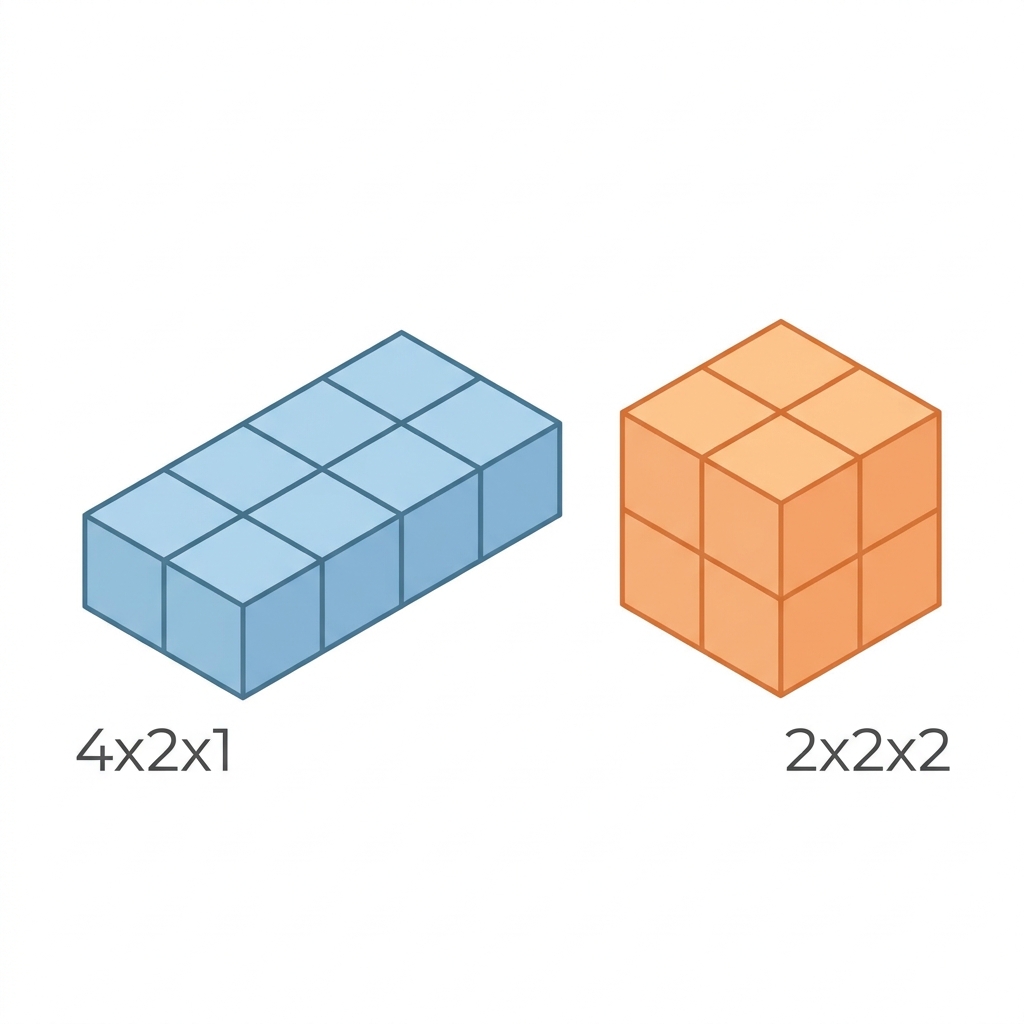
When you have students work through this, pay attention to how they talk about the unit cube. The lesson defines this as a cube with side lengths of exactly one unit. If a student understands that they are counting how many of these cubes fit into a space, the leap to the multiplication formula becomes intuitive rather than abstract. Teachers in Saddleback Valley Unified, Folsom-Cordova Unified, Glendora Unified, and Palo Alto Unified all teach this same concept, as it is a core part of our state requirements. If you have a few students who missed the foundational work on area last week, this is a perfect opportunity for them to catch up because it builds the logic from the ground up.
The math standards behind the storage room scenario
The lesson covers the specific expectations laid out in CA.MATH.5.MD.5a. This California-adopted standard asks students to relate volume to the operations of multiplication and addition while solving real-world and mathematical problems. Specifically, it requires students to find the volume of a right rectangular prism by packing it with unit cubes and showing that this matches the result found by multiplying the edge lengths. It also touches on the associative property, showing that multiplying the base area by the height gives you the same result as multiplying all three dimensions. It is not enough for them to just get the answer. They need to show that they understand how the physical packing relates to the numerical calculation.
I find the guided practice scenario in the lesson helpful because it frames the math around helping a friend organize a storage room. It is a simple, grounded situation that makes the concept of volume feel like a practical skill. When they work through the problems, ask them to explain why the order of the dimensions does not change the total volume. That kind of verbalization is where you will catch the students who are just plugging numbers into a calculator without thinking about the underlying CA.MATH.5.MD.5a standard. If they struggle, have them draw the prism on graph paper to prove that the product of the length and width represents the bottom layer of the shape.
Where students often get stuck with right rectangular prisms
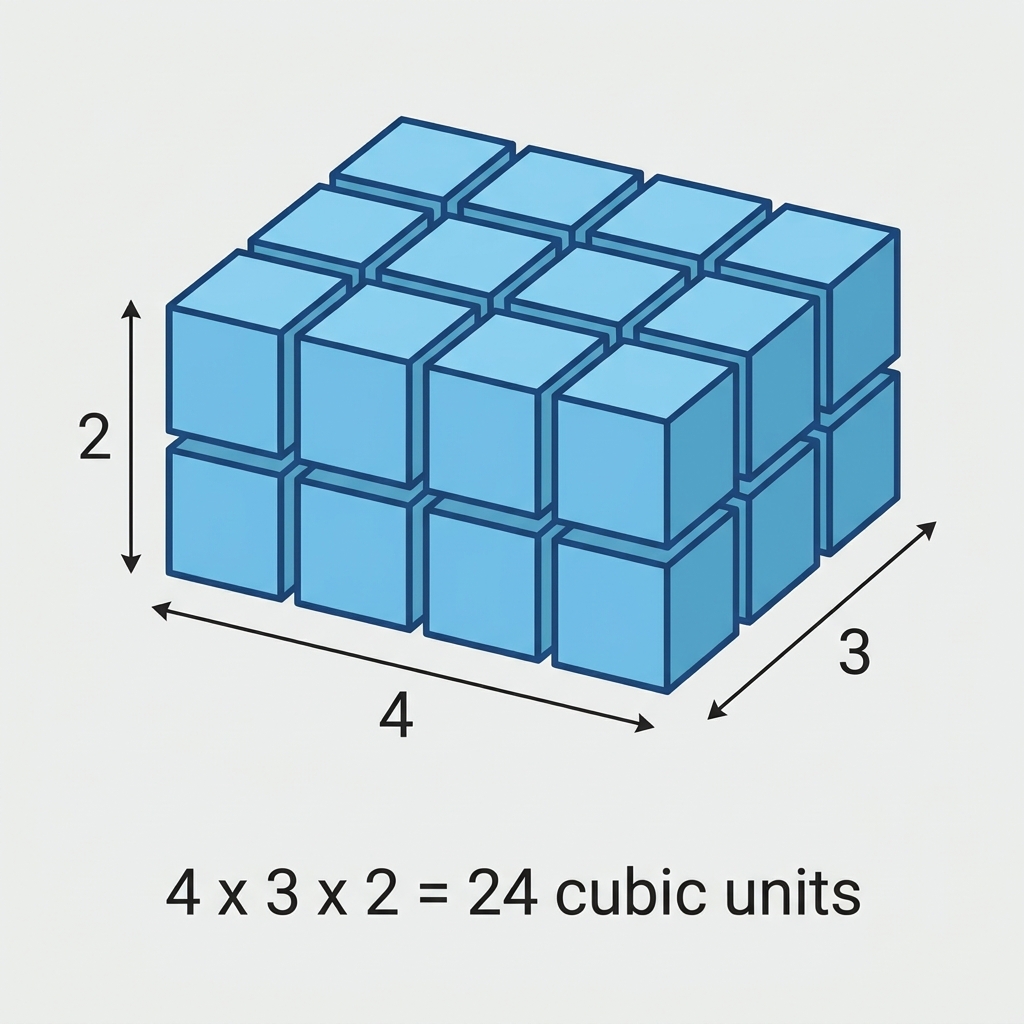
A common pitfall is that students sometimes confuse volume with surface area. Because the definition of a right rectangular prism is a solid three-dimensional object with six rectangular faces and all right angles, students often try to find the area of the faces instead of focusing on the space inside. Use this lesson to reinforce that volume is the amount of space inside the object. The worked example helps with this, using a prism with a length of four, a width of three, and a height of two. By showing that multiplying four by three gives twelve, and then multiplying that twelve by two results in twenty-four cubic units, the lesson gives you a clear script to use during your whole-class demonstration.
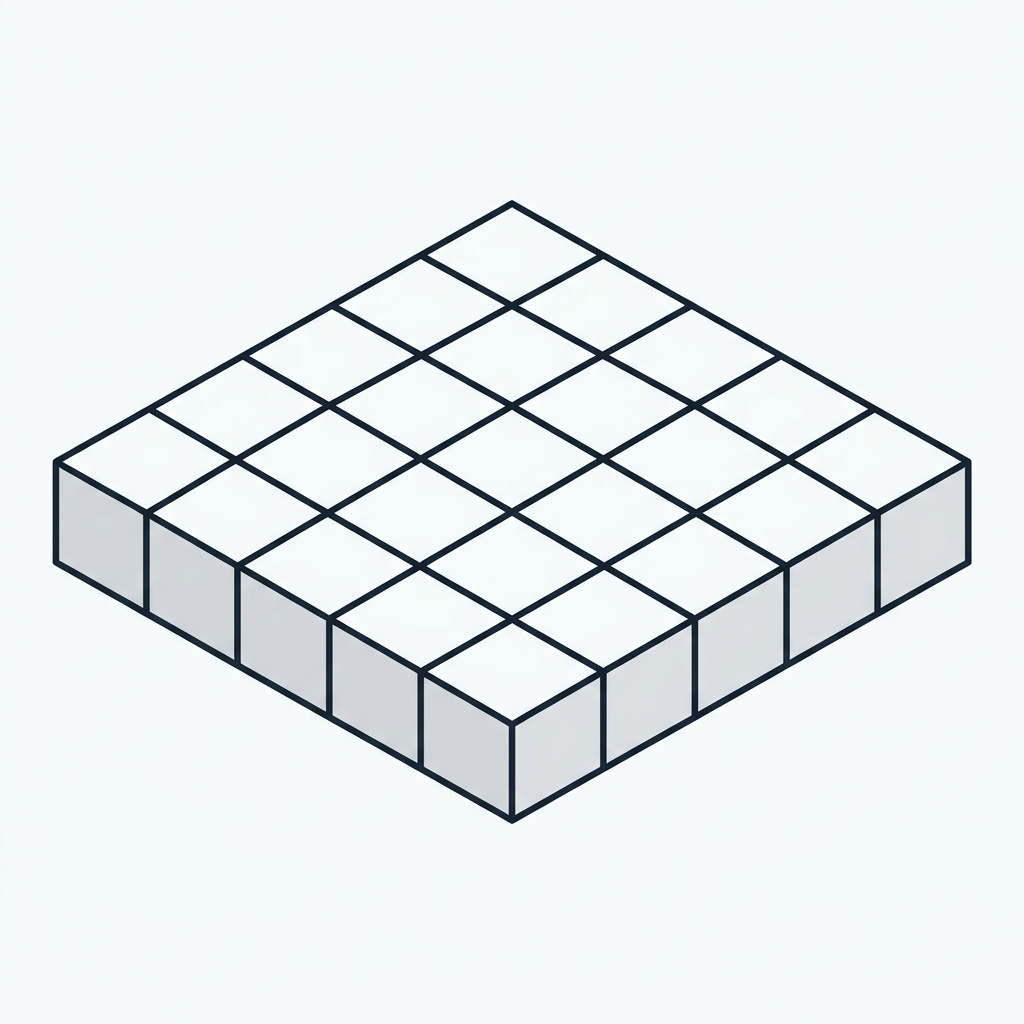
You could easily use this for a whole-class introduction, or set it aside for a student who needs a targeted intervention session. It works well as an independent study module because the vocabulary is clearly defined. The terms include right rectangular prism, volume, and unit cube, which are used consistently throughout the pages. I usually recommend keeping a set of physical unit cubes on the back table while they go through the material. Even if the lesson is digital, having them build a prism with a base of three by two and a height of two helps cement the connection to the multiplication they are performing on screen. It bridges the gap between the concrete objects and the abstract math symbols.
Related lessons
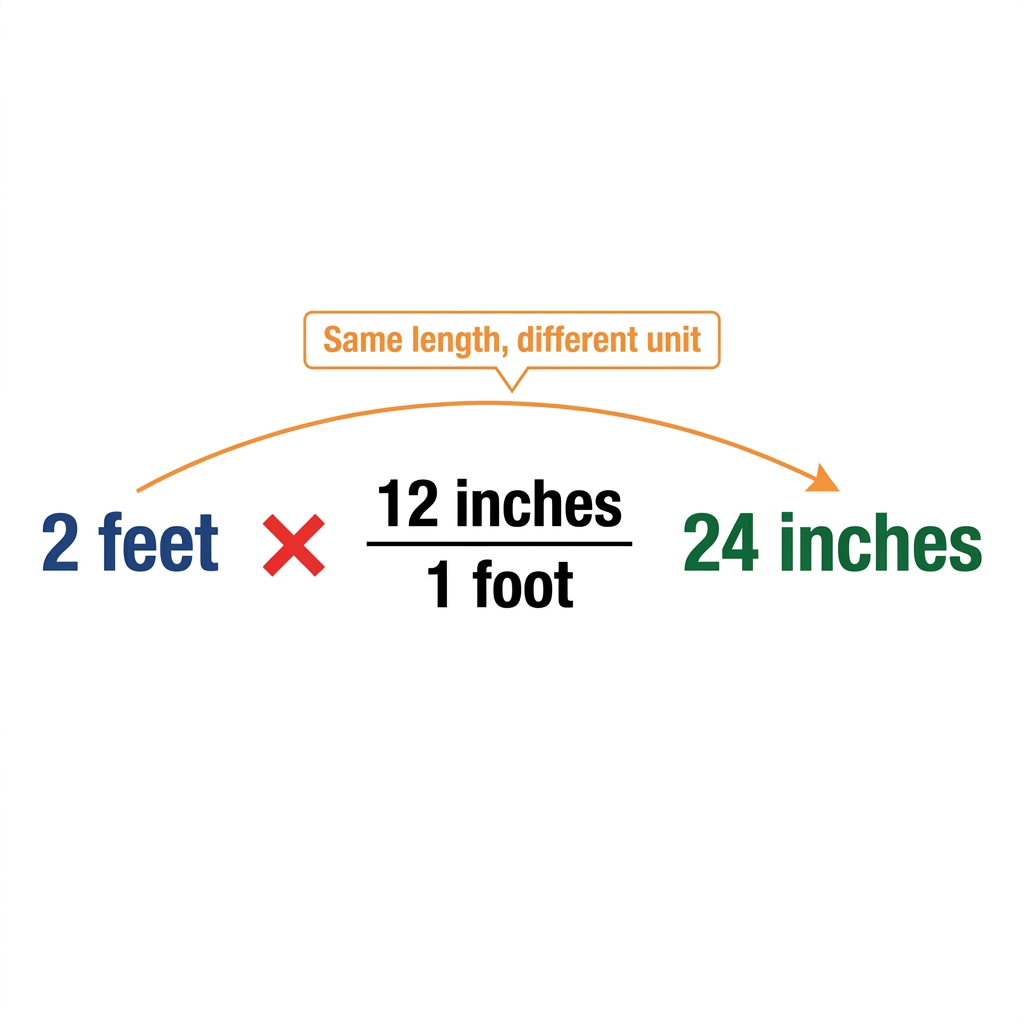
Measuring and Converting Units, Practicing measurement conversions for various standard units of length
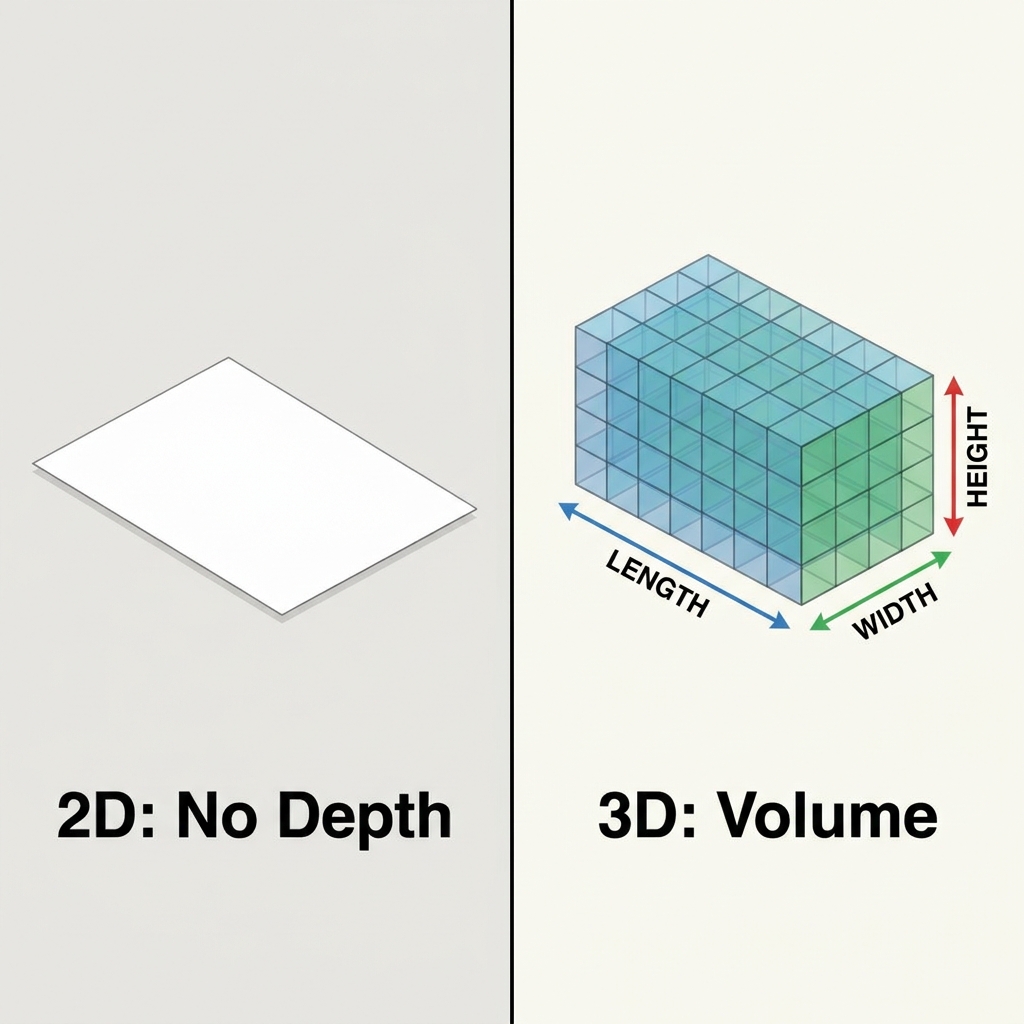
Understanding Volume with Unit Cubes, Using individual cubes to calculate total volume of solids
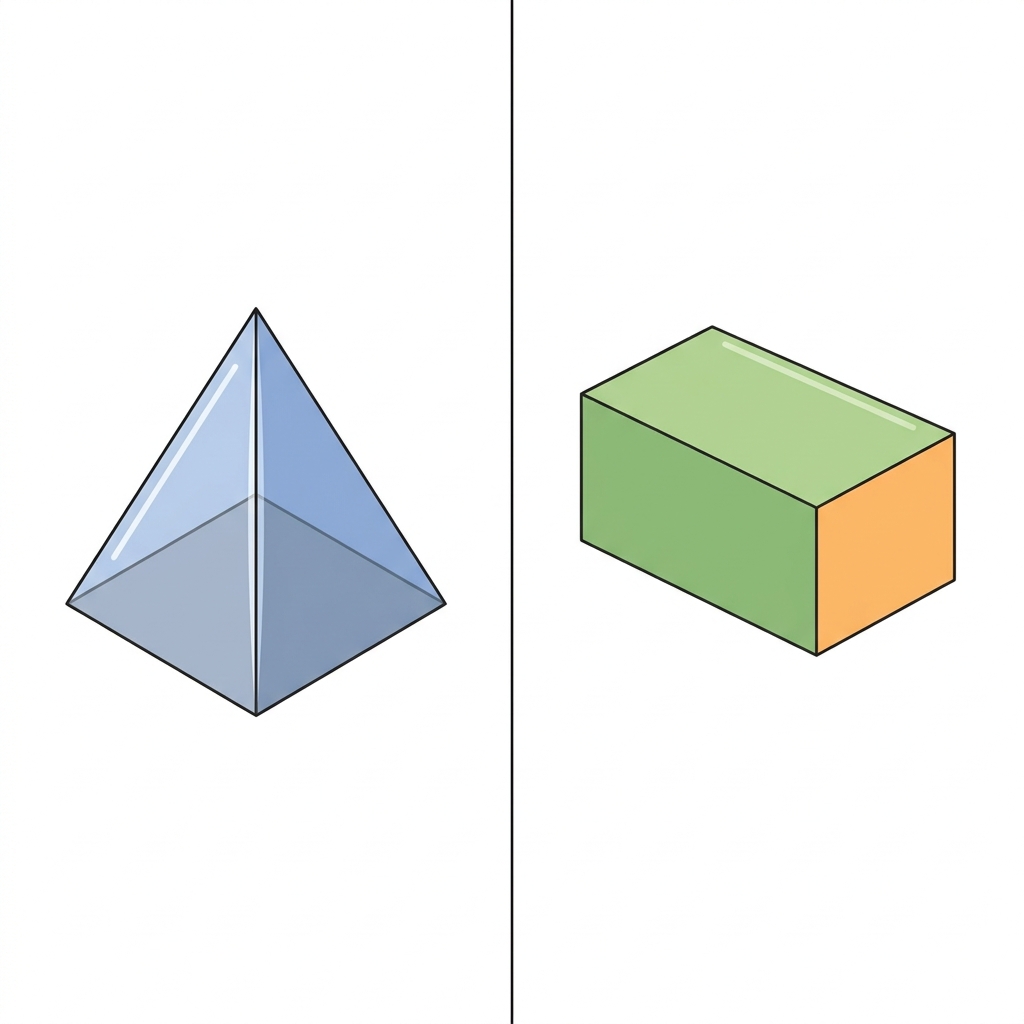
Measuring Volume with Rectangular Prisms, Applying multiplication formulas to find volume of prisms