


Teaching the Scientific Revolution in 7th grade requires a shift from rote memorization toward deep inquiry into how evidence changes our understanding of the world. By examining the tension between established tradition and emerging discoveries, students can begin to see history as a process of constant re-evaluation rather than a static list of dates and names.
Addressing the common misconception about progress
Too many students think that history is just a list of names and dates rather than a shift in human thought. When we look at the 7th grade social studies curriculum, it is easy for a student to assume that scientific discoveries just happened naturally and were accepted without friction. This is exactly where the trouble starts. Students often view historical figures as isolated actors rather than thinkers who were fighting against the established gravity of their time. This lesson, The Scientific Revolution and the Changing World, cuts through that misconception by grounding the history in real conflict.

In this unit, students encounter the geocentric model, which posits that the Earth stood still at the center of the universe. This was the dominant view supported by ancient thinkers and the Church, with the Sun and planets moving in perfect circles around us. The lesson material walks your class through the friction caused when empirical evidence began to suggest otherwise. It is a necessary reality check for any 7th grade student who assumes that scientific advancement has always been a smooth or welcomed process. By focusing on the struggle between established dogma and emerging observation, it forces students to see history as a process of inquiry.
What the lesson covers
This material centers on the primary standard, CA.HSS-7.10. This California-adopted standard requires that students analyze the historical developments of the Scientific Revolution and its lasting effect on religious, political, and cultural institutions. You will find that this material is the same across the state, from classrooms in San Bernardino City Unified and Tulare City School District to those in Colusa Unified and Burbank Unified. The objective is clear: to help students understand how new scientific discoveries challenged traditional beliefs about the universe and society.
The lesson uses the example of Isaac Newton to illustrate how the shift occurred. Newton developed the Laws of Motion and used math to explain why an apple falls and why planets orbit. This was transformative because it showed that the same physical laws apply on Earth and in space, effectively creating a universal system. The guided practice focuses on the conflict between religious institutions and scientific discovery. You will guide your students through how both the Catholic Church and various Protestant denominations struggled as scientific inquiry began to prioritize empirical evidence over established theological dogma. It is useful for a student who needs to see the specific point where faith and observation collided.
Making history relevant to student decision making
One of the best features of this lesson is its focus on why this topic matters today. It explicitly teaches that the Scientific Revolution is about valuing evidence over tradition. When students consume news, cast a vote, or make significant life decisions, they are applying the same skills of inquiry that defined the era of Copernicus and Newton. It is a practical application of history that resonates even with middle schoolers who are just starting to form their own opinions about the world around them. Searching for a high-quality scientific revolution history lesson often yields content that is too dry, but this version keeps the tension alive.
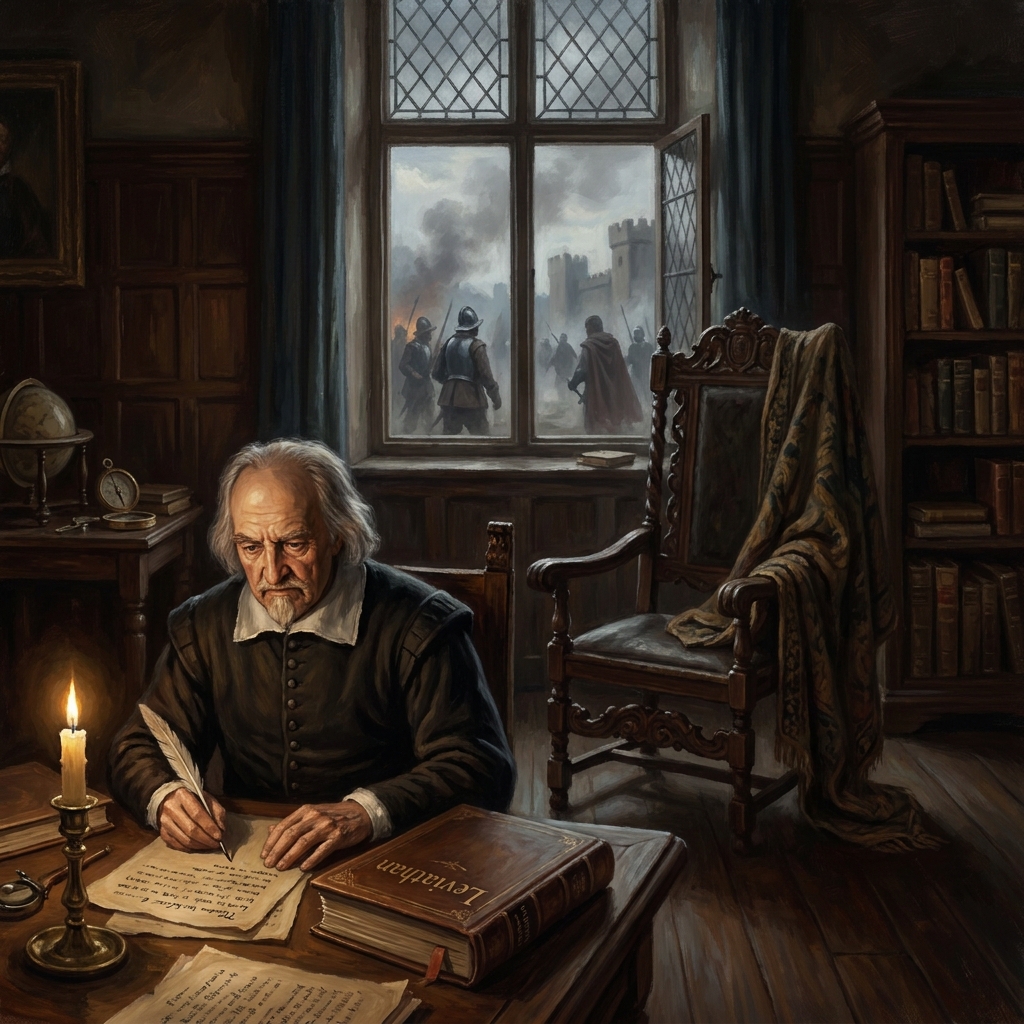
How to use the material
I find this lesson works exceptionally well as a whole-class assignment when you are introducing the unit, but it is also a reliable choice for a student who missed the week or for a substitute day. The structure is simple enough that it does not require hours of prep time. You can assign it and know that the students are getting a solid overview of the transition from traditional scriptural interpretation to empirical observation. It is a solid, honest piece of instruction that avoids fluff. Because it centers on the conflict between Copernicus and the Church, it encourages students to ask their own questions about how they reconcile what they are told with what they can prove.
My only caution is to keep an eye on how students talk about the conflict. It is easy for them to paint historical figures in black-and-white terms of heroes versus villains. Encourage them to see the complexities mentioned in the text: the Catholic Church relied on traditional scriptural interpretation, while Protestant thinkers also struggled to adapt to new models like the one Copernicus proposed. The lesson provides enough nuance to move them away from simplistic narratives. By the time they finish, they should be able to articulate why the shift in how we view the universe was such a fundamental change for society as a whole.
Related lessons
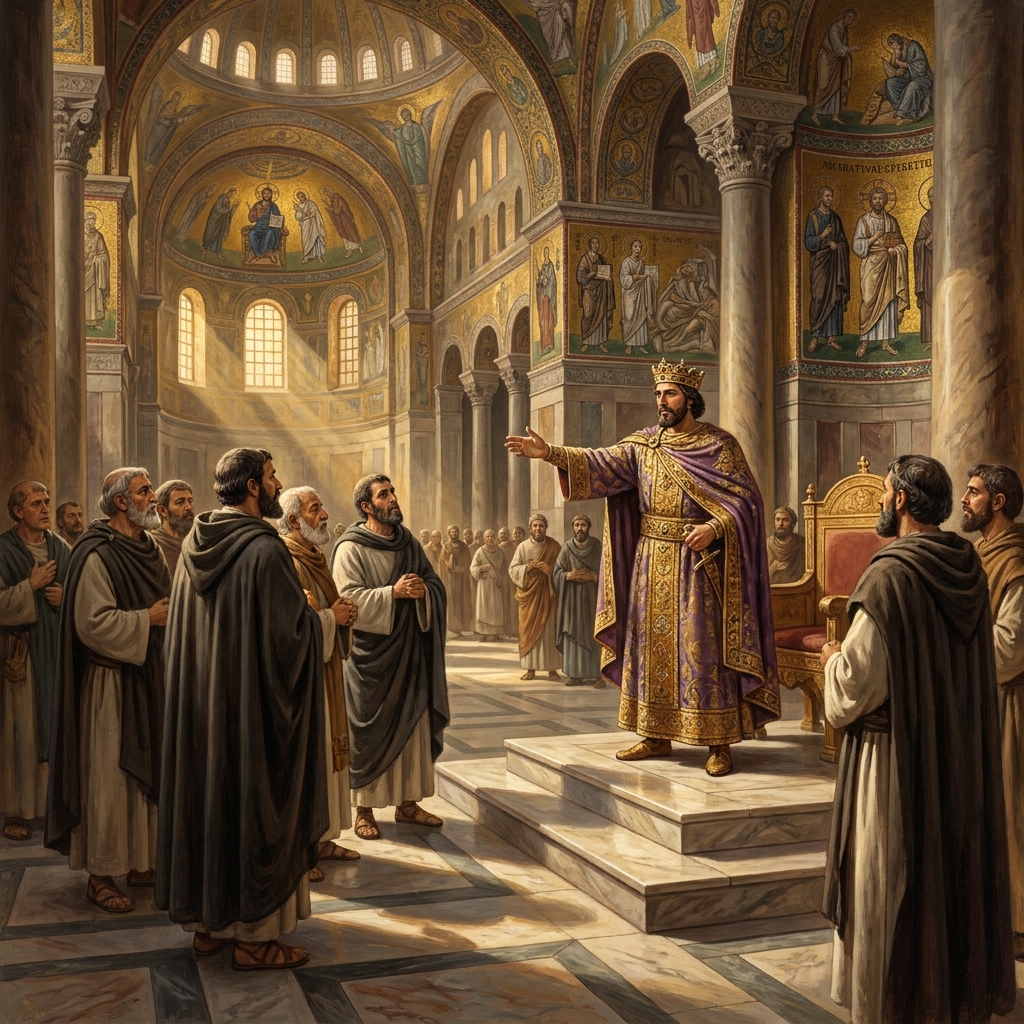
The Great Divide: Rome's Split and the Rise of Two Churches, The historical causes and effects of the Great Schism
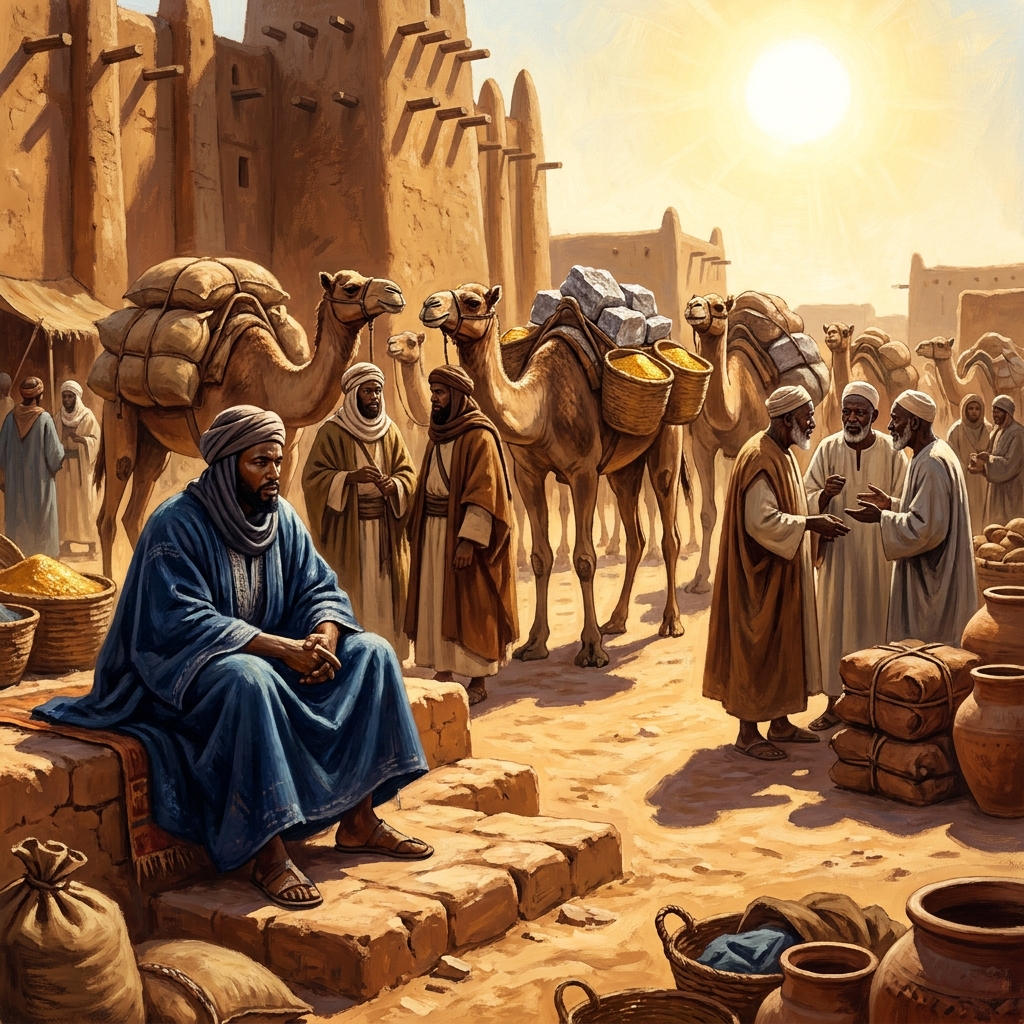
Power and Stability in Medieval West Africa, Governance and cultural structures within medieval West African empires
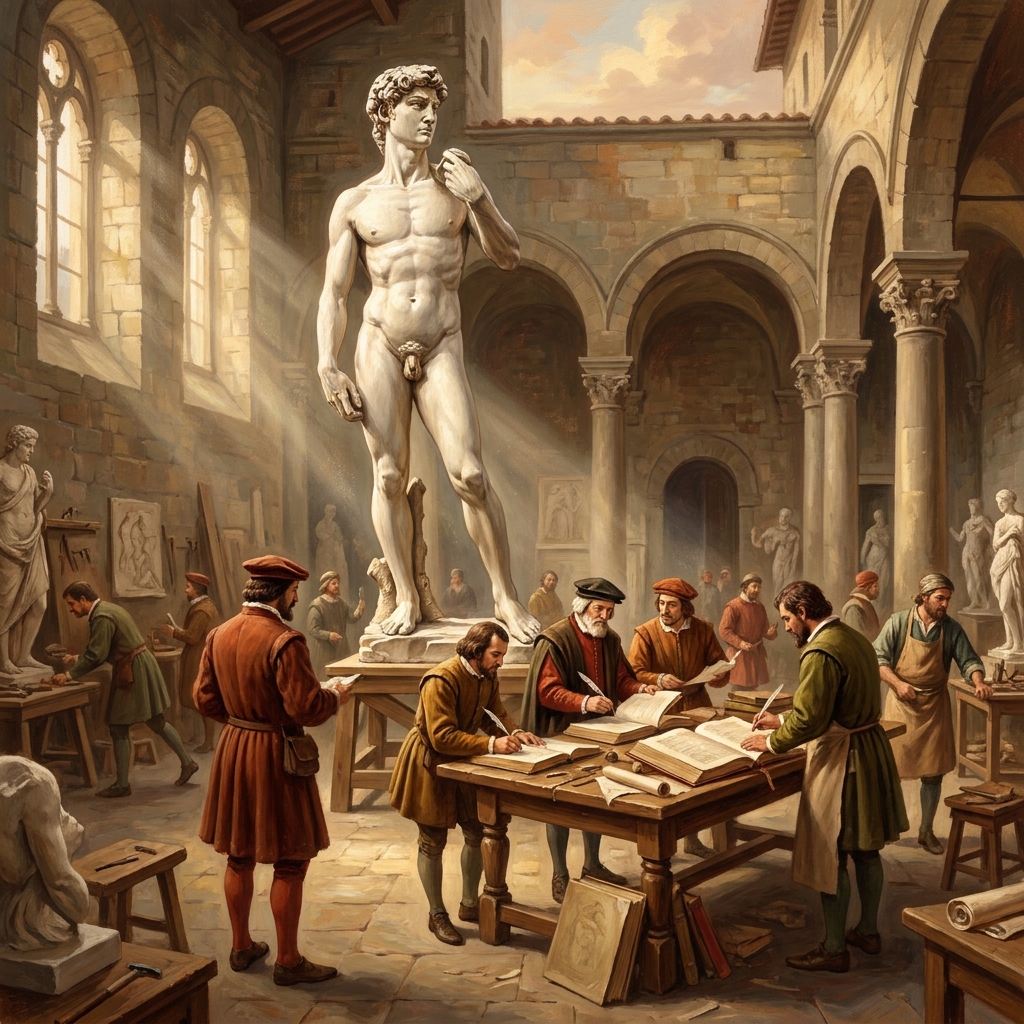
Humanism and the Renaissance, Defining humanism and its influence on Renaissance artistic production