

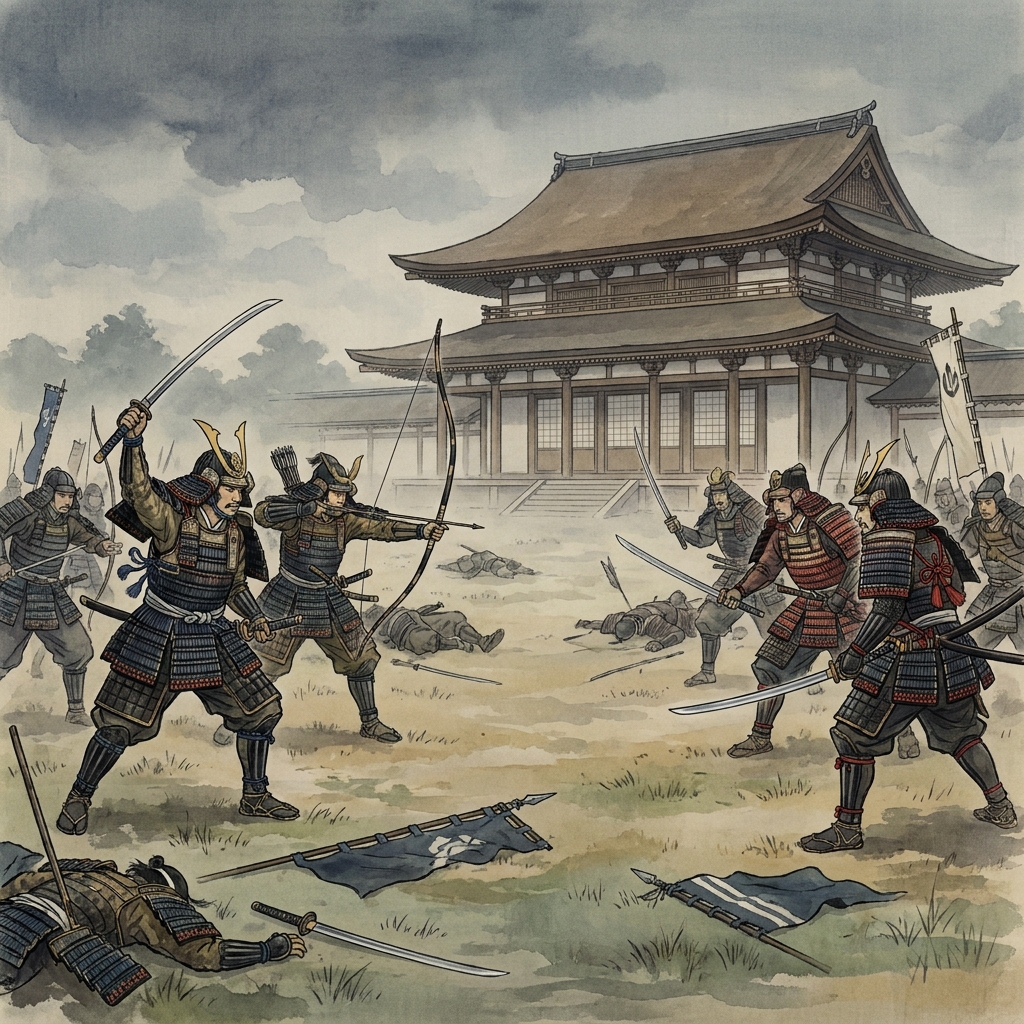
When we look at our 7th grade social studies curriculum, the transition from the imperial court to a military government is a moment where students really need to slow down and track the shift in power. If you are preparing to teach this era of history, The Rise of the Samurai in Medieval Japan is a solid resource that focuses on exactly how military society organized itself after the late twelfth century.
We are all working toward the same goals across the state, whether we are in Fontana Unified, Bakersfield City School District, Westminster School District, or Burbank Unified. This lesson serves the California-adopted standard CA.HSS-7.5.6, which asks students to analyze how military society emerged and what role the samurai played within that new structure. It is a specific objective that requires students to move beyond just identifying who the samurai were and instead evaluate why their emergence changed the entire political order of Japan.
What the lesson asks students to do
The core of this 7th grade social studies samurai lesson is built around the fundamental shift in governance where authority moved from the imperial capital to regional military leaders. The material introduces three terms that students must master to understand the hierarchy of this era: the samurai as the warrior-protector class, the shogun as the supreme commander, and the bakufu as the tent government established by that commander. Students examine the Gempei War as the catalyst for this change, specifically focusing on the battle between the Minamoto and Taira clans. The lesson explains that the victory of the Minamoto clan resulted in the creation of the Kamakura Shogunate, a government managed by warriors who exercised direct political control. This is the heart of the standard, as it forces students to see that military rule was not just a chaotic reaction but a systematic replacement of the existing political order.
Where students slip
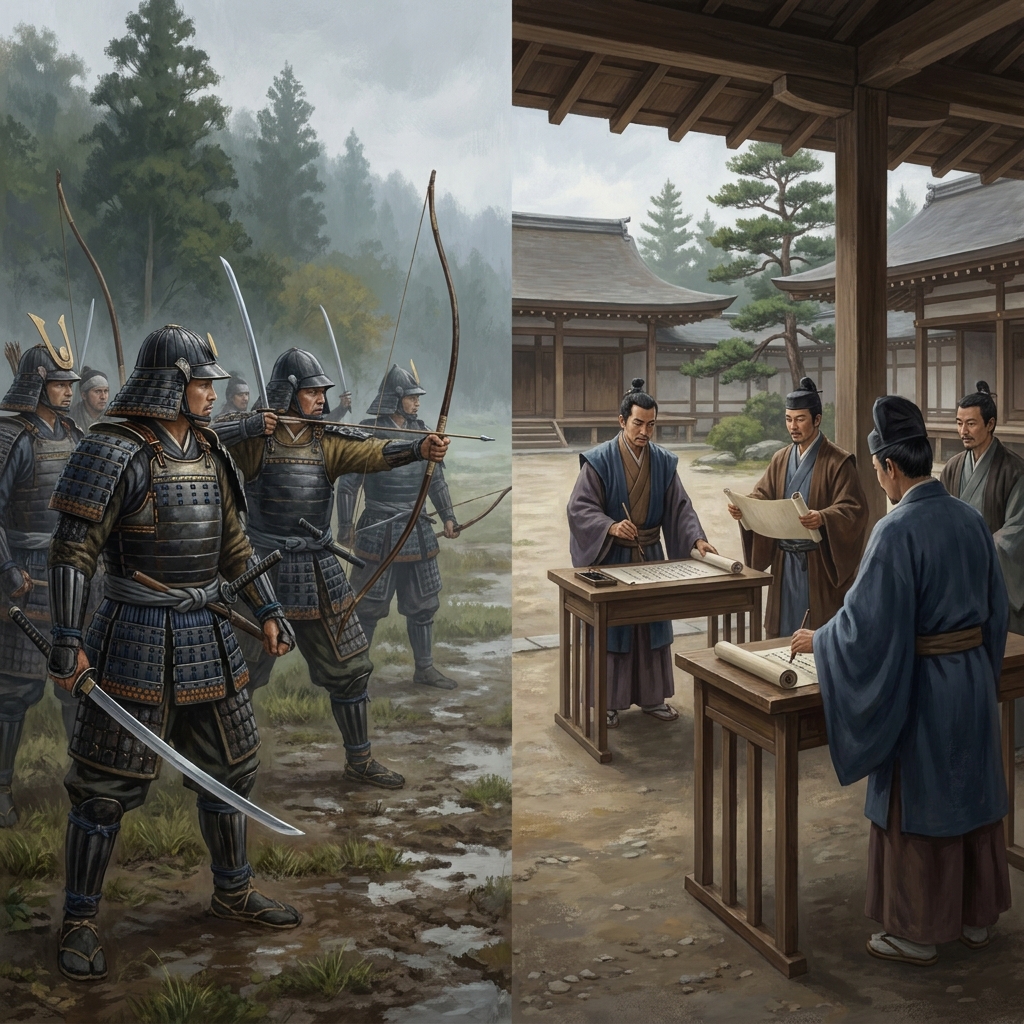
The biggest challenge I have observed in this unit is that students often struggle to separate the role of the emperor from the role of the shogun. The lesson tries to mitigate this by highlighting the why-it-matters section: military rule created the foundation for Japan’s feudal structure, which is a key concept that shaped social organization for centuries. When students struggle, remind them that the shogun ruled in the name of the emperor, which creates a strange, dual power structure that can be confusing if they do not pay close attention to the vocabulary definitions. Watching for these small distinctions during the guided practice session is helpful. In the guided practice, students look at a land dispute resolved by a samurai official instead of a court judge. This is a very clear, concrete example of how the military took over civil duties, and it is a good moment to check if they truly understand the shift from civilian law to military administration.
Using this in the classroom
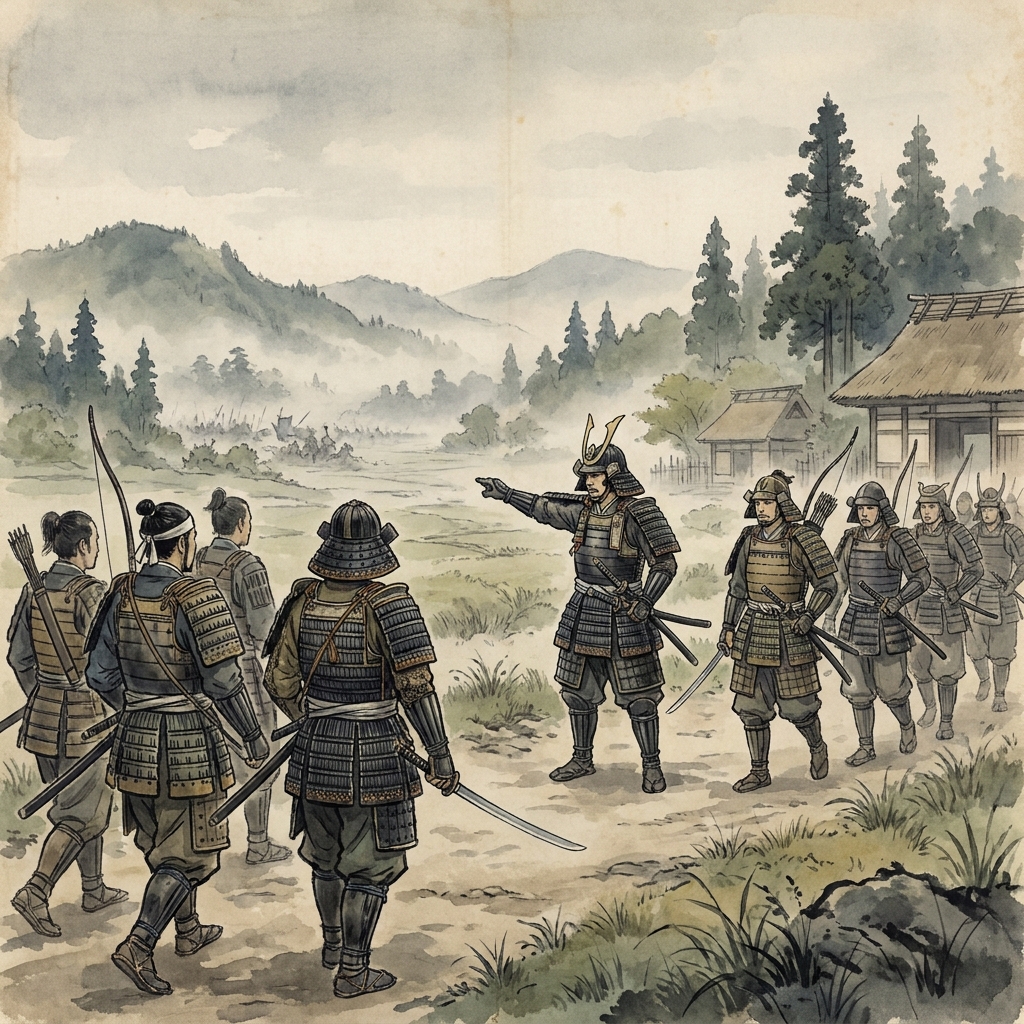
This resource runs about forty-five minutes, making it highly effective for a whole-class assignment or a substitute day when you need the class to remain on track with the broader history curriculum. Because it focuses so heavily on the transition of power, it is also useful for a student who missed the week, as it provides a self-contained explanation of the late twelfth-century governance change without requiring them to have been present for the previous month of lessons. I find that if you have students who are struggling to see why military rule became the norm, having them write down the specific duties of a samurai versus a traditional court official helps clarify why the shift was so meaningful. It is a dense forty-five minutes, so do not feel pressured to rush the discussion at the end if the students are truly debating the implications of the bakufu system. Staying focused on the contrast between court authority and military administration will serve your students well as they move forward into later Japanese history units.
Related lessons
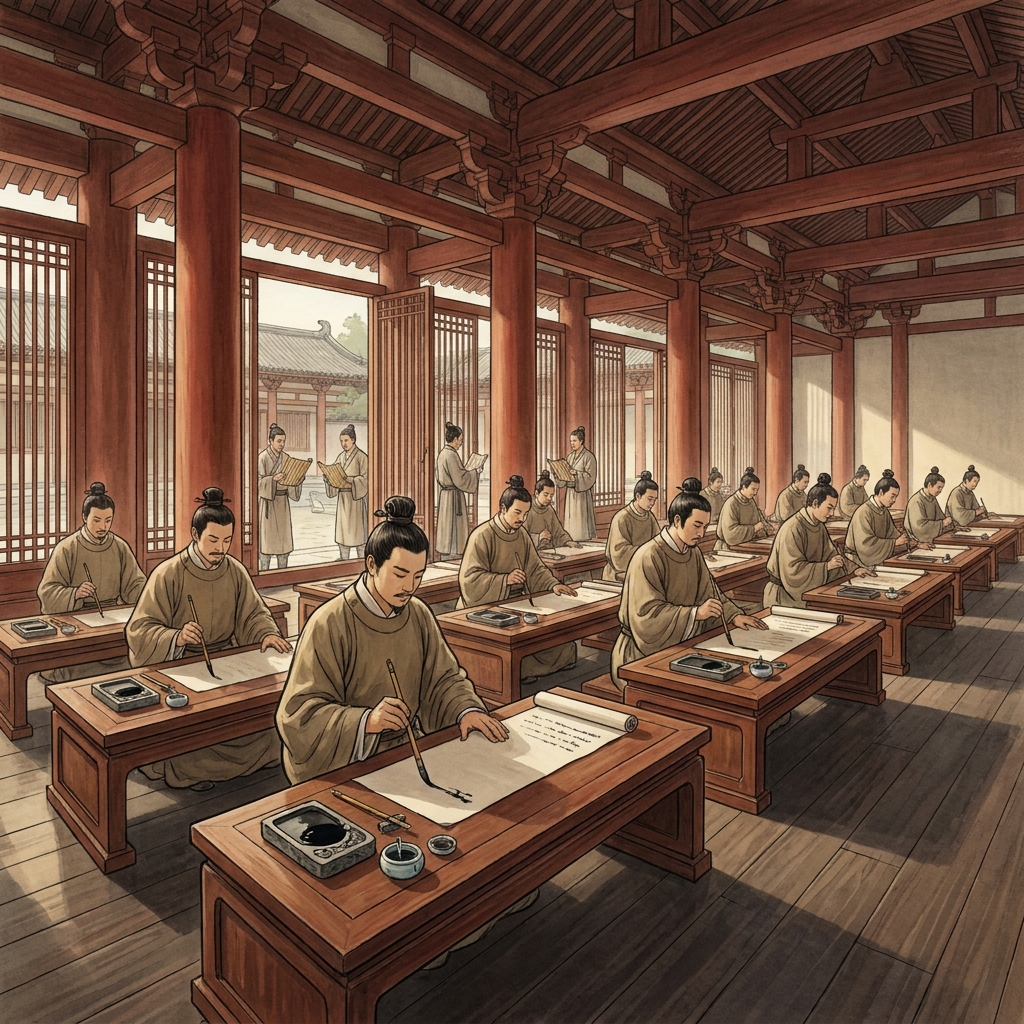
Building the Imperial State: Merit and the Scholar-Official, Covers the merit-based system within the imperial state structure
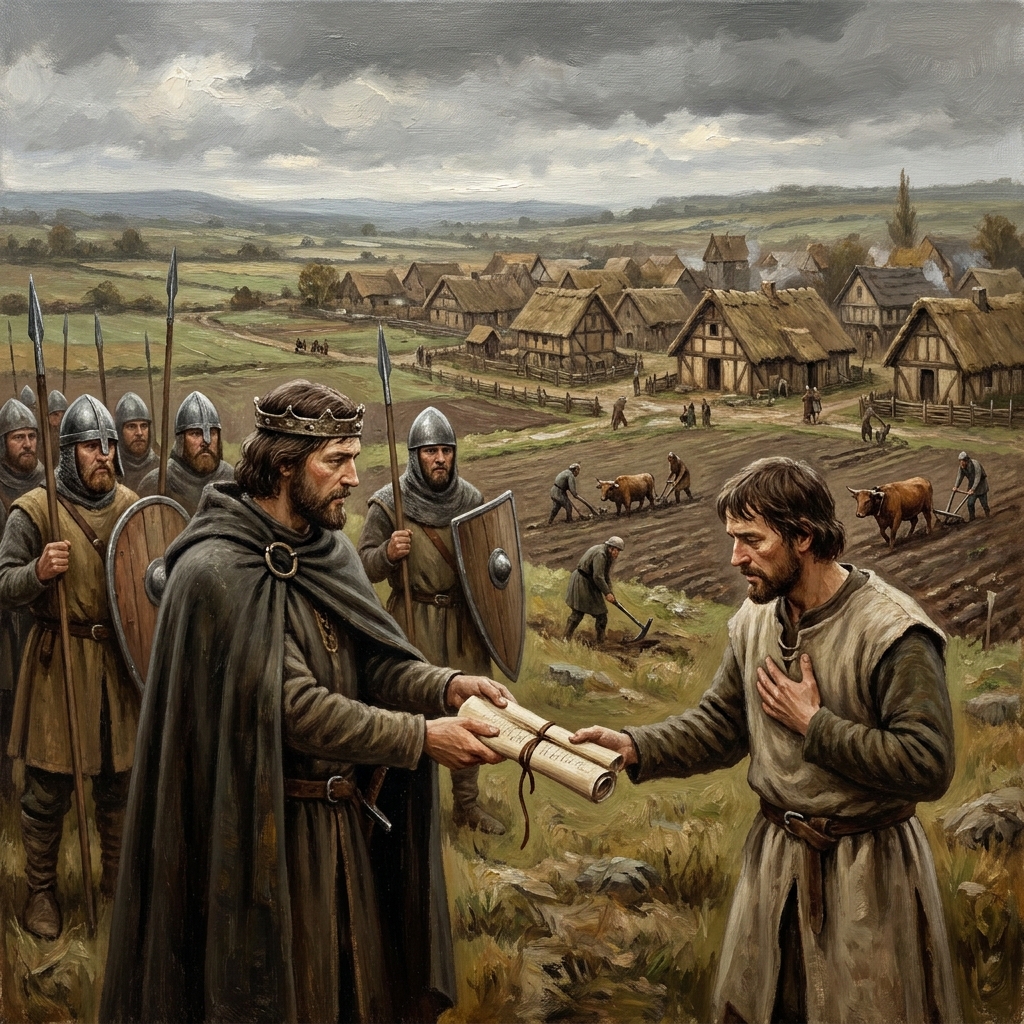
Feudalism and Life in Medieval Europe, Compares feudal social structures and life in medieval Europe
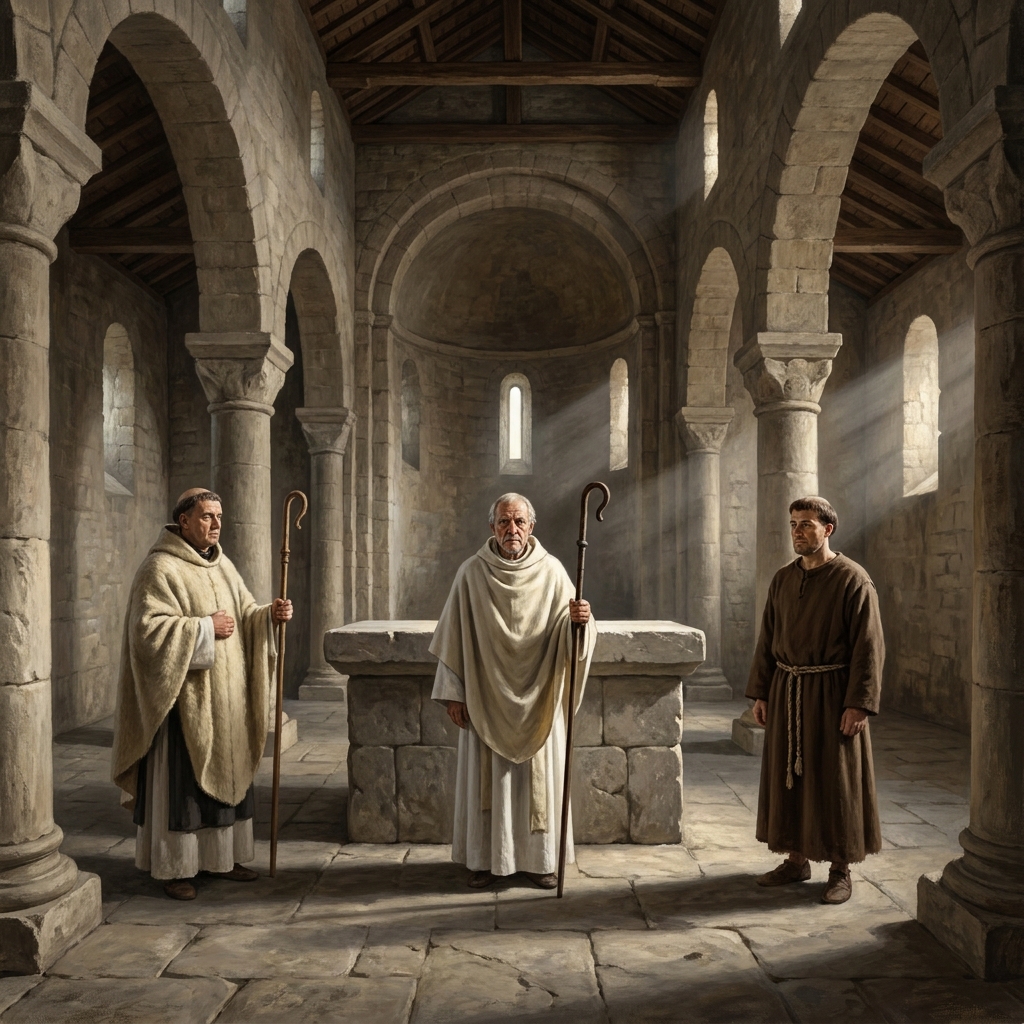
Social Roles in Medieval Societies, Examines various social roles across various medieval global societies