


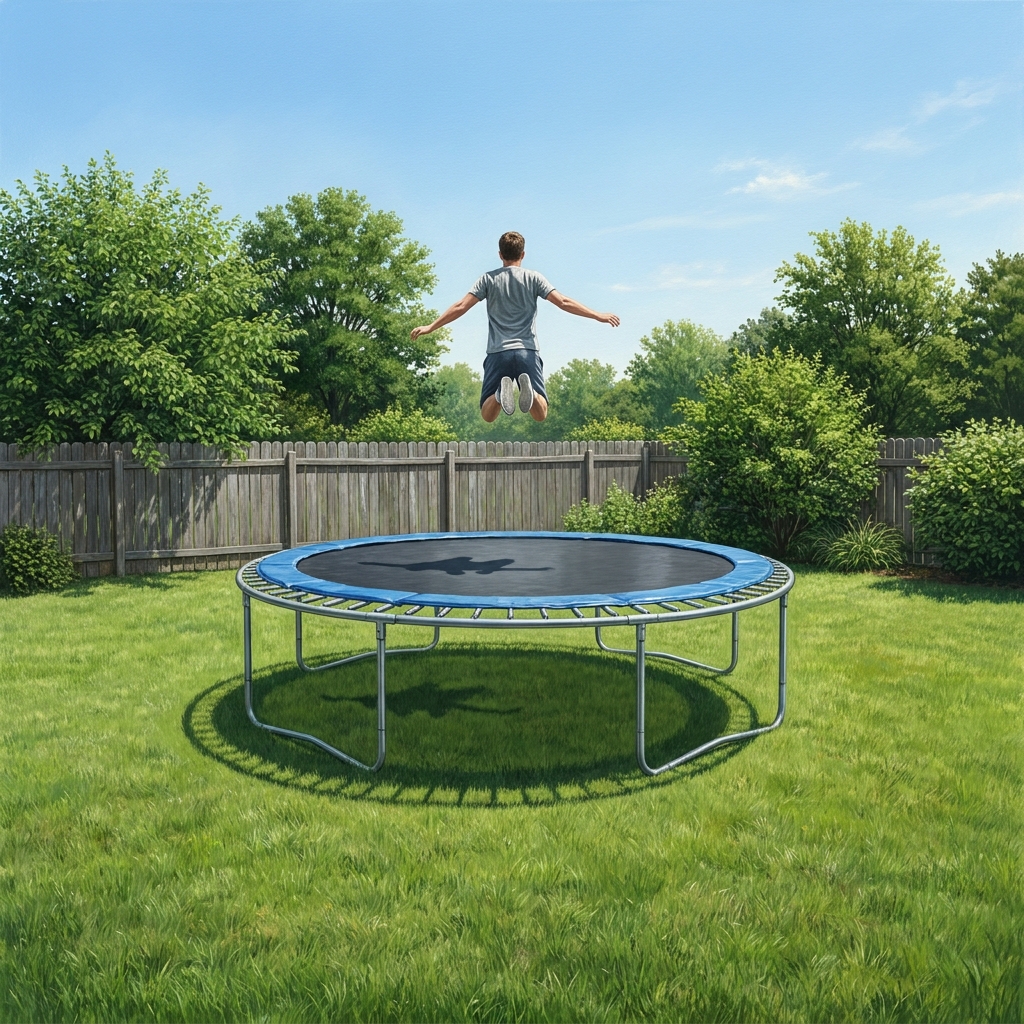
A parent once asked me why their child’s feet stayed on the floor even when they jumped as if the ground were magnetized. It is the kind of question that reminds us that gravity is an invisible force we take for granted until we try to explain it to a twelve-year-old. When we teach 7th grade physical science, we move beyond the idea of things falling and start looking at the mechanics of attraction.
You can use Gravity’s Pull: Mass and Attraction to ground your students in the physics of mass. The lesson introduces the idea that gravity is an invisible force pulling all objects with mass toward one another. It emphasizes that this is always an attractive force, which means it brings objects together rather than pushing them apart. By comparing a small pebble to a large mountain, the lesson illustrates that the mountain has much more mass, and therefore, a much stronger gravitational pull. This is a solid way to show that the strength of gravity depends on the mass of the objects involved.
Building the core concepts of physical science
This lesson helps your students meet the requirements of MS-PS2-4, which is the California-adopted standard asking them to construct and present arguments using evidence to support the claim that gravitational interactions are attractive and depend on the masses of interacting objects. Teachers in San Juan Unified, Poway Unified, Windsor Unified, and Burbank Unified all use this same standard to ensure students understand the physical laws governing motion and stability. As part of this, the lesson introduces key vocabulary: gravity is the force itself, mass is the amount of stuff inside an object, and an attractive force is the pull that brings two items closer.
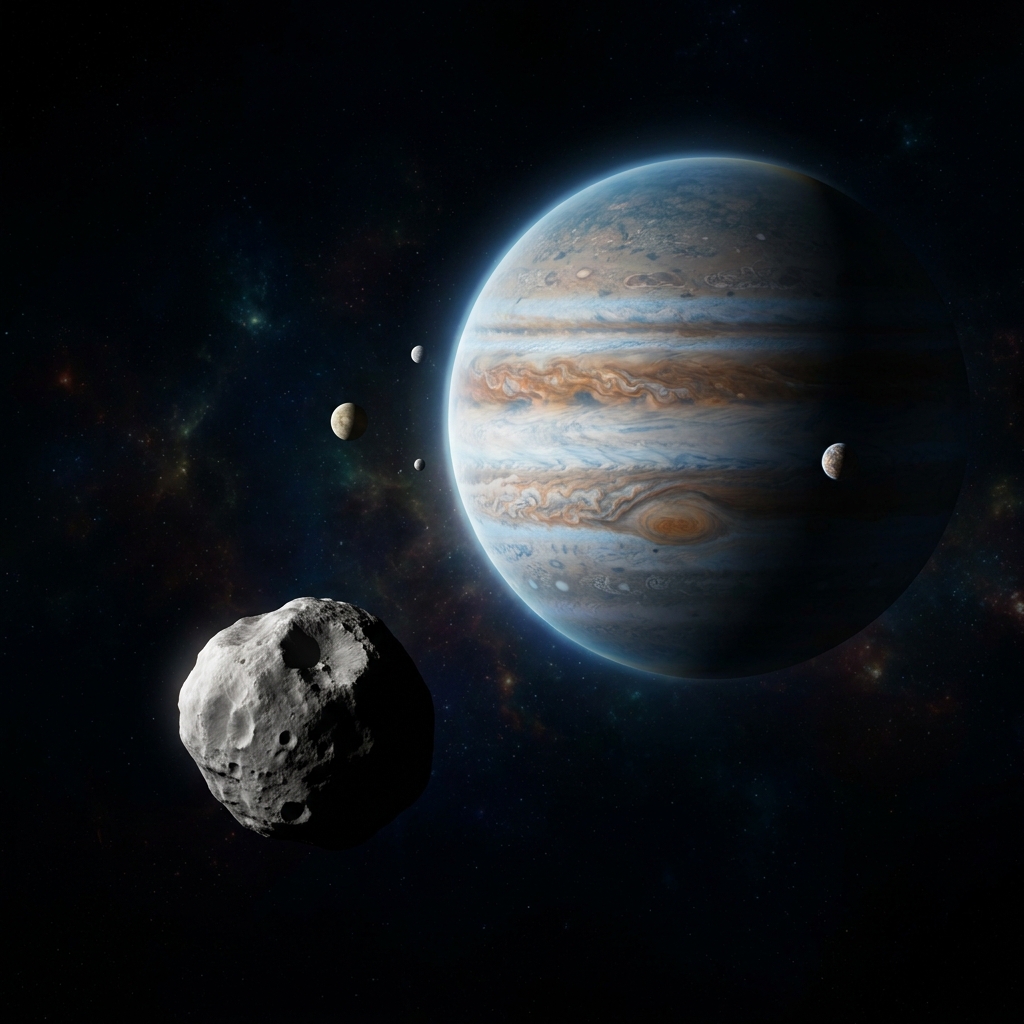
I find that students often get stuck on the idea that the small object also pulls on the large object. They assume gravity only flows one way because they are used to being on the Earth, which is obviously much larger than they are. The lesson includes a guided practice scenario involving a satellite orbiting the Earth. This is a perfect moment to stop and ask the class which object has more mass and why the satellite does not fly away. If they understand this interaction now, they will have a much easier time when they move on to more advanced physics or astrophysics later in their education.
Connecting physics to the real world
One aspect I appreciate about these middle school physical science lessons is how they relate abstract physics to our own state. For example, the lesson notes that gravity impacts California energy policy. Gravity-driven flow is used in our hydroelectric dams to produce renewable energy. It shows students that the same force pulling their pencil to the floor is powering their homes and schools. This is a meaningful way to teach the science while keeping the application relevant to the environment they see outside the classroom window.
This material works well for a few different classroom situations. It is effective as a whole-class assignment when you are first introducing forces, and it is excellent for a student who missed the week or as an independent study module. Because it requires students to construct an argument using evidence, it moves them away from rote memorization and toward actual scientific thinking. If a student tries to skip the evidence part, they miss the entire point of the exercise. Make sure they clearly state the relationship between mass and pull in their arguments before they move on to the next unit.
Related lessons
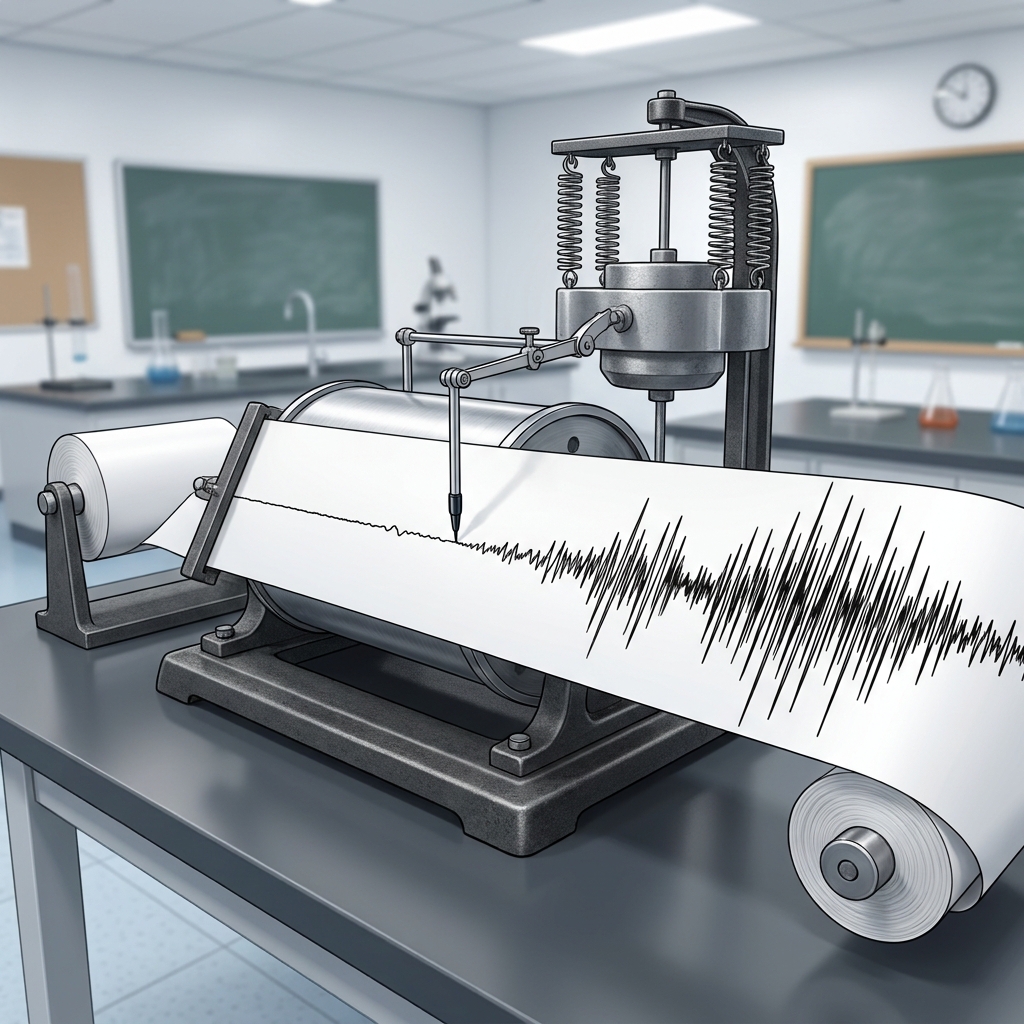
Understanding Wave Energy and Amplitude, Covers how wave energy relates to amplitude in physical systems
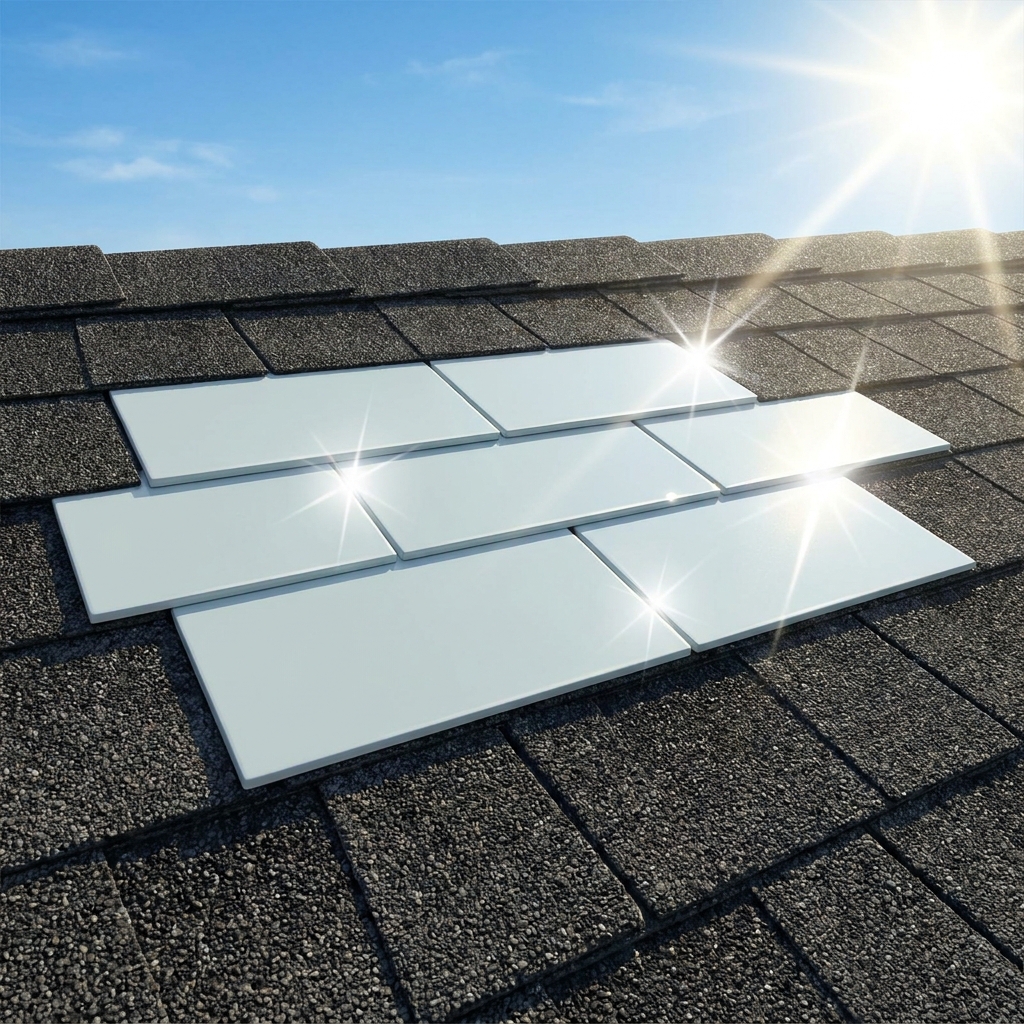
Designing for Thermal Energy Control, Explores how thermal energy is controlled through specific design choices

The Conservation of Atoms, Discusses how atoms are conserved in chemical and physical reactions