

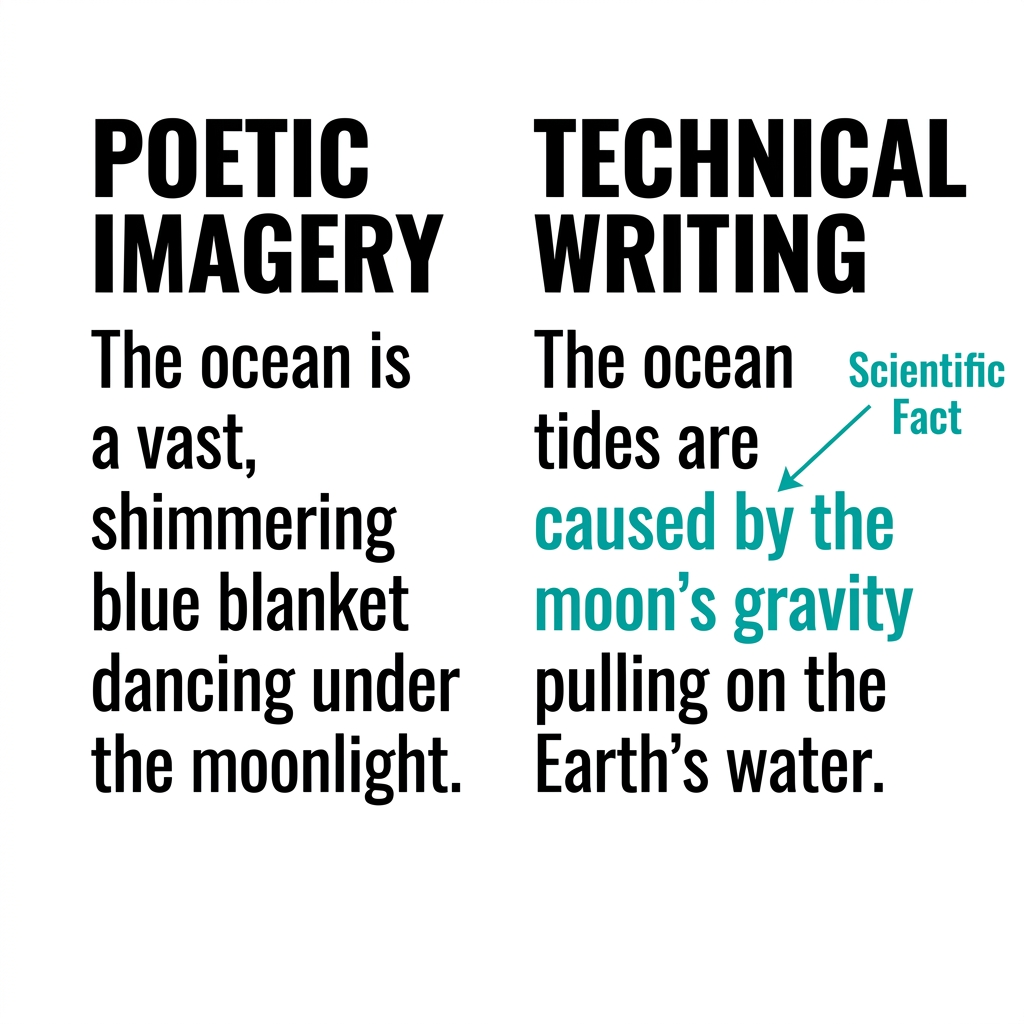
“Analyze the structure an author uses to organize a text, including how the major sections contribute to the whole and to an understanding of the topic.” That is the official word on CA.ELA.RST.6-8.5, and it sounds heavy, but it really just asks our students to look under the hood of what they read. When students know that a writer chose a specific pattern, they stop getting lost in the details and start seeing the map. Teachers can find detailed resources in Understanding Text Structure in Technical Writing.
In this 6th grade English Language Arts lesson, students learn that a Understanding Text Structure in Technical Writing is not random. It is an intentional choice by the author. The lesson uses the example of a chemical volcano recipe to show that technical writing needs a clear, step-by-step flow. This is a common requirement in Fresno Unified, Elk Grove Unified, Los Alamitos Unified, and El Rancho Unified, where teachers are working to ensure students can handle informational texts across different subjects.
What the lesson actually asks students to do
The lesson asks students to identify how information is organized to explain complex processes. It introduces the term Text Structure as the pattern used to present information, and Technical Text as writing that explains how something works through steps or categories. It also defines Chronological as the order in which steps happen over time.
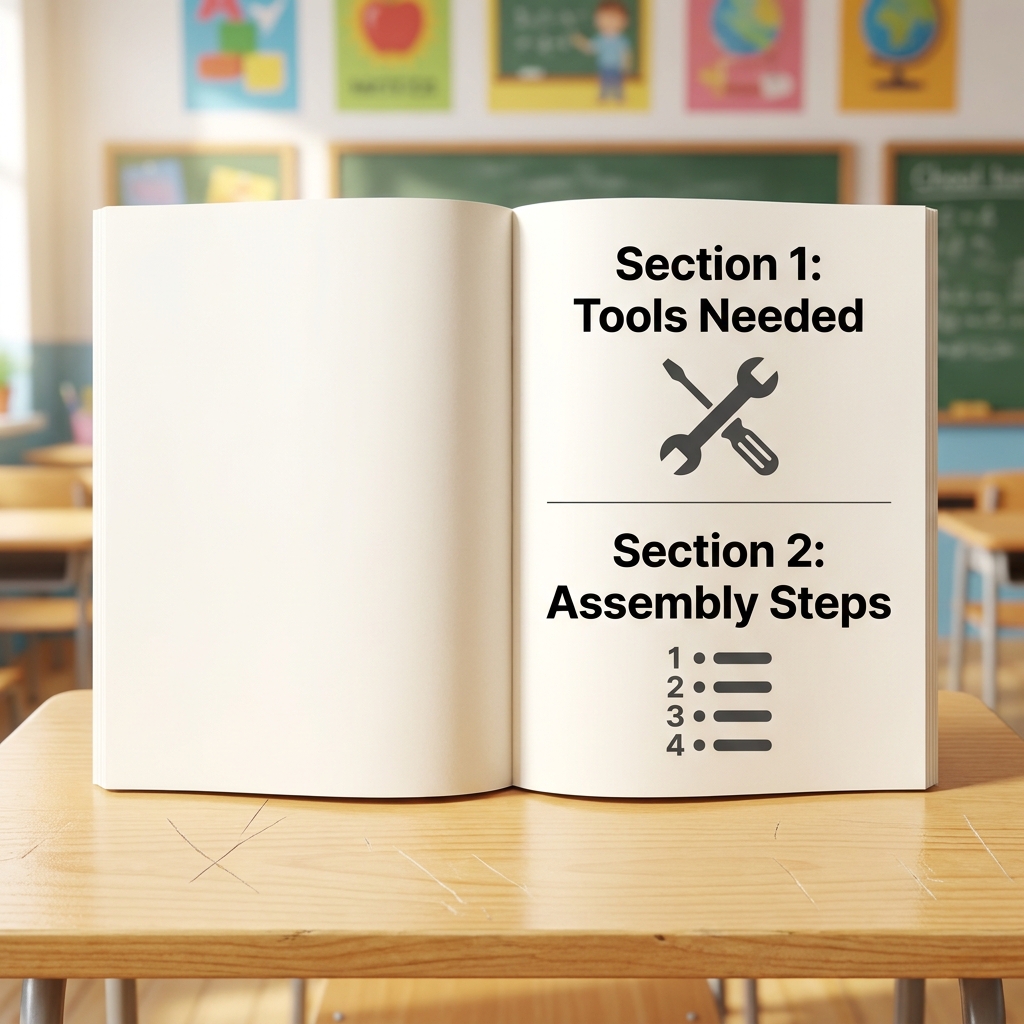
Students start by looking at a passage about water filtration. The lesson breaks this down using a problem-solution structure. It shows that by identifying the problem first, the author provides a clear path to the solution. This is a great exercise for a student who missed the week or needs a quick refresh on how to approach non-fiction. I find that once students see the problem-solution pattern in a simple water filter example, they start catching it everywhere else.
Where students slip
The trickiest part for my sixth graders is usually seeing how the “major sections contribute to the whole.” They often summarize the details but miss the big picture. This lesson helps by forcing them to stop and consider the author’s overall plan. During the guided practice on telescopes, students have to determine how mirrors and lenses are presented to explain the device’s function. It is a solid 6th grade technical reading lesson because it keeps the passages short enough to focus on the structure without getting bogged down by overly complex scientific jargon.
The lesson is perfect for a whole-class assignment or for a student who needs to do independent study. If you have a substitute day, this is one of those reliable tools you can pull out that actually teaches a skill rather than just keeping the class quiet. I personally use these materials to bridge the gap between reading a novel and reading a manual, which feels like a foreign language to some of them at first.
Refining the process
By the time students finish this 45-minute lesson, they should be able to look at a piece of technical writing and say, “Oh, this is chronological because it is a list of steps,” or “This is problem-solution because it describes a challenge and then a fix.” It sounds simple, but it is exactly what they need to move from passive reading to active analysis. I would recommend this for any teacher who feels their students need a tighter grip on non-fiction. It covers the basics cleanly and gets straight to the point without any fluff.
Related lessons

Comparing Scientific Information Across Sources, Comparing scientific information and claims across different research sources

Analyzing Author's Purpose in Science and Technical Texts, Evaluating why authors write specific science and technical texts
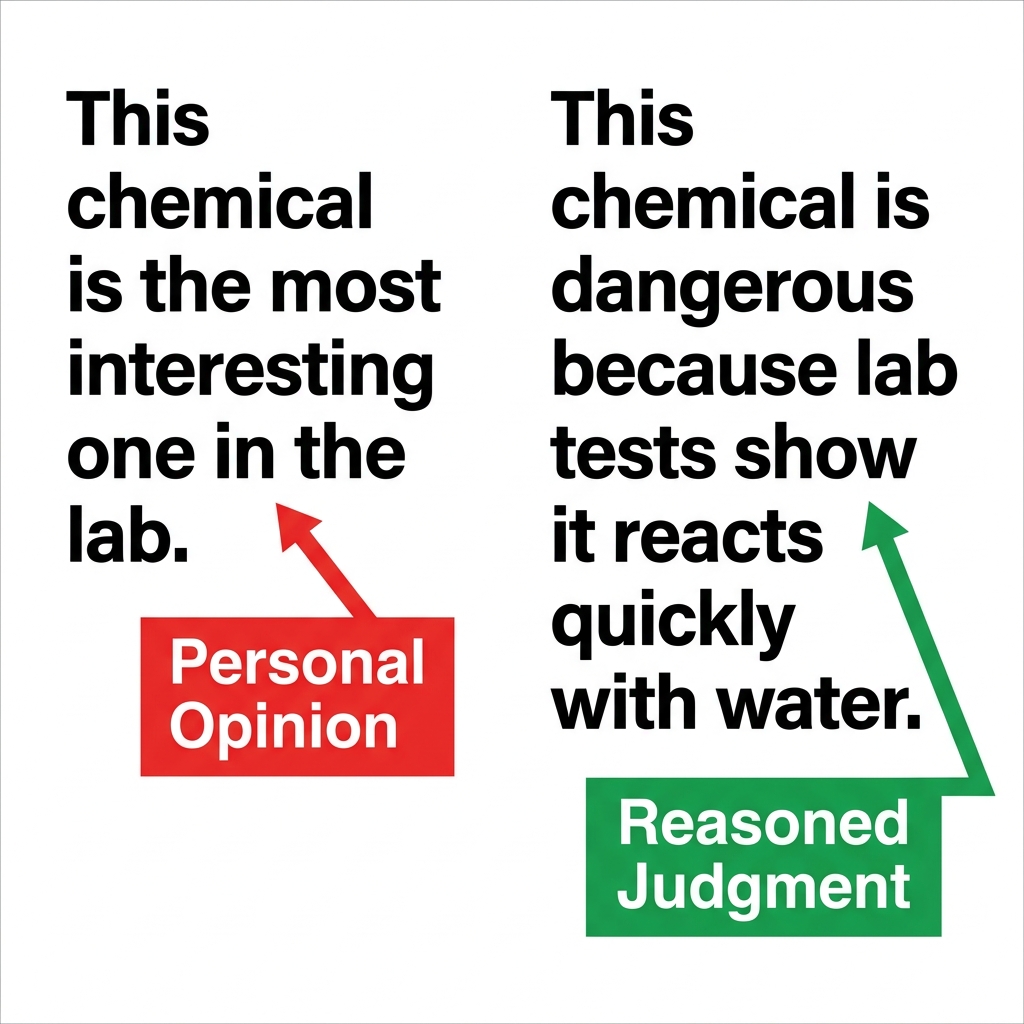
Distinguishing Fact, Judgment, and Speculation in Science, Identifying the difference between scientific facts and personal opinions