


A student once asked me why authors do not just say exactly what they mean without all the extra flair. It is a fair question for any seventh grade English Language Arts student, especially when they are trying to untangle dense informational text. Analyzing Word Choice and Sound in Text is a solid resource for helping students see that word selection is never accidental. Authors are constantly making choices to guide the reader toward a specific feeling or conclusion.
This lesson hits on the core of CA.ELA.RI.7.4, which is the California-adopted standard asking students to identify meanings of words and phrases beyond their literal definitions, including connotative, figurative, and technical meanings. It also requires an analysis of how specific word choices affect the tone of a piece. The lesson expands this through the CA addition of the standard, which asks students to look at how rhyme and sound repetitions like alliteration influence sections of a story or poem. Across districts like Riverside Unified, Corona-Norco Unified, Beardsley Elementary School District, and Garvey Elementary School District, this standard is a key part of the curriculum because it transitions students from reading for basic facts to reading for authorial intent.
Understanding the technical and figurative demands
The standard CA.ELA.RI.7.4 is packed with requirements, and the lesson breaks them down systematically. It begins by establishing that connotation is the emotional weight a word carries, distinct from its literal meaning. The lesson uses a helpful example with a travel brochure to show this in action: when an author describes a city as bustling rather than just busy, they are intentionally crafting a tone of energy. This distinction is necessary when students move to analyzing figurative language and identifying why an author might describe a storm as a hungry beast instead of a severe weather event.
The material also includes CCSS.ELA-LITERACY.RI.7.4 as part of the same standard, reinforcing that understanding these choices is vital for evaluating any text, whether it is a news article, an advertisement, or a literary narrative. Students learn that tone is the author’s attitude toward the subject, and they practice pinning down that attitude by examining the specific vocabulary selected. While some students struggle with identifying nuance in informational text, the guided practice keeps them grounded by analyzing metaphors in historical accounts.
The importance of sound patterns
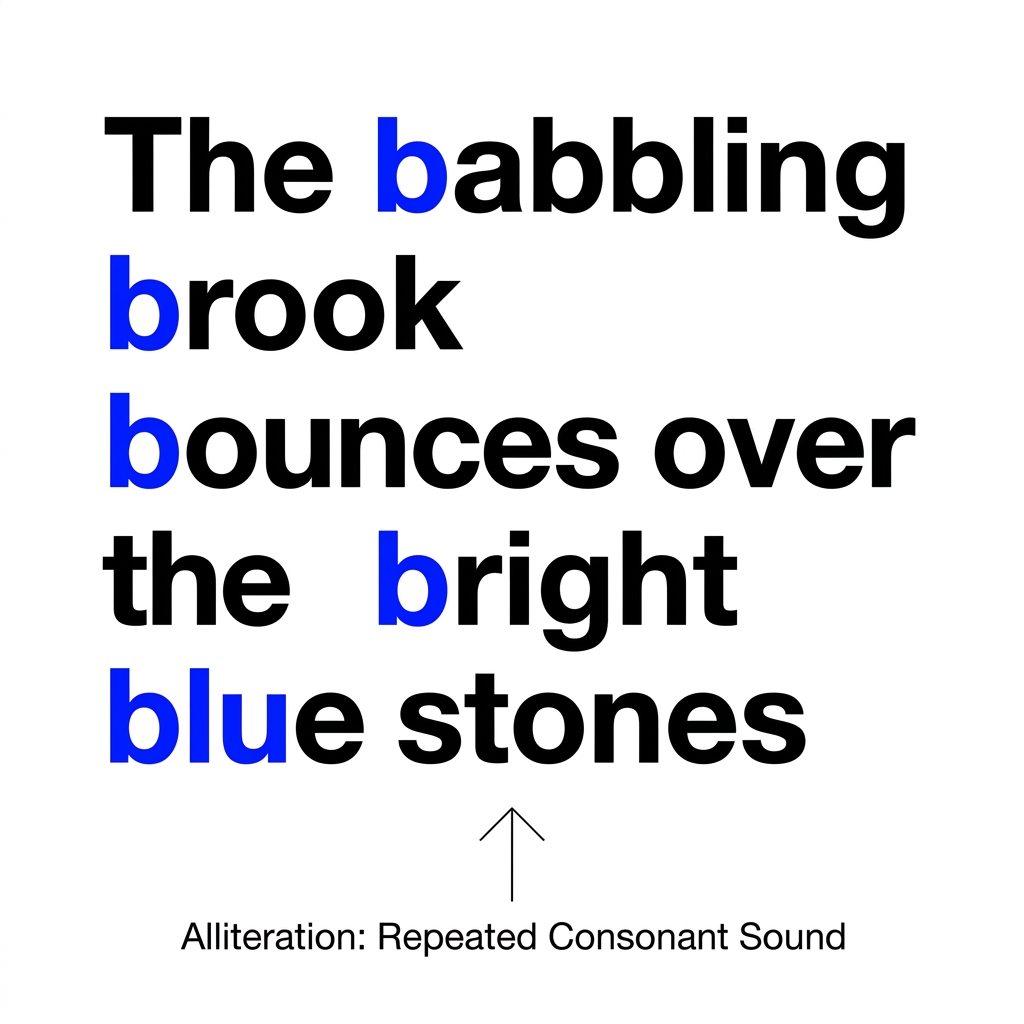
I appreciate that this lesson does not ignore the sound of the words. The California-specific additions to the standard ask students to look for alliteration or rhythm in a text, which can change the intensity of a passage. When a section of text feels especially urgent or poetic, it is often because the author has layered in sound patterns to draw the reader in. By explicitly teaching these elements alongside vocabulary, the lesson helps students understand that informational text can be just as carefully constructed as a work of fiction.
When to use this lesson
This is a perfect whole-class assignment for when you are starting a unit on rhetoric or argumentative writing. If a student misses the week, this lesson works well for independent study because the examples are self-contained and clear. It also works as an excellent intervention for students who have mastered basic reading comprehension but need a boost in analytical writing. The lesson takes about 45 minutes, making it a reliable choice for a substitute day when you want students to get through meaningful content without needing a teacher there to guide every step.

One caveat: encourage your students to actually read the passage twice. They often want to find the answers to the questions immediately. If they skip the reading phase, they will miss the subtle connections between word choice and tone. When they take the time to notice why a word was chosen, they become much sharper readers of the world around them.
Related lessons

Understanding Central Ideas in Literary Nonfiction, Teaches identifying main points within literary nonfiction texts

Analyzing Connections in Historical Texts, Examines links between people and events in history

Finding Central Ideas and Summarizing Informational Text, Focuses on summarizing key details from informational readings