

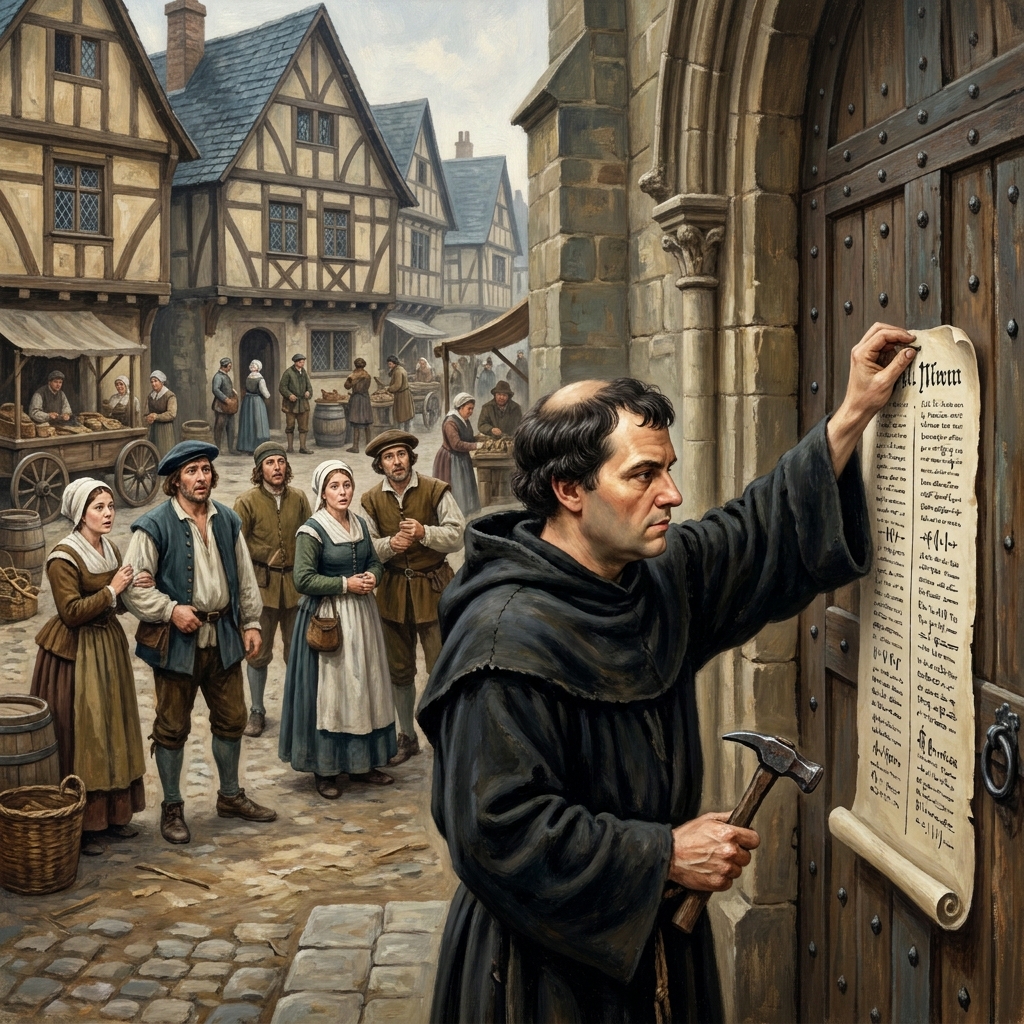
Seventh grade history students often mistake the Reformation for a simple argument. By focusing on the structural shifts in power, educators can clarify how this movement fundamentally changed European society.
When historical disagreement turns into institutional change
In 1517, a monk named Martin Luther posted a list of arguments on a church door. Many seventh grade students look at that moment and see nothing more than a teacher-student disagreement or a minor local quarrel. They struggle to grasp why a few pieces of paper could actually dismantle the status quo of an entire continent. When we teach medieval world history, the students often lose the forest for the trees. They remember that the Church was involved, but they miss the systemic shift that occurred when individuals began to publicly question religious doctrine.
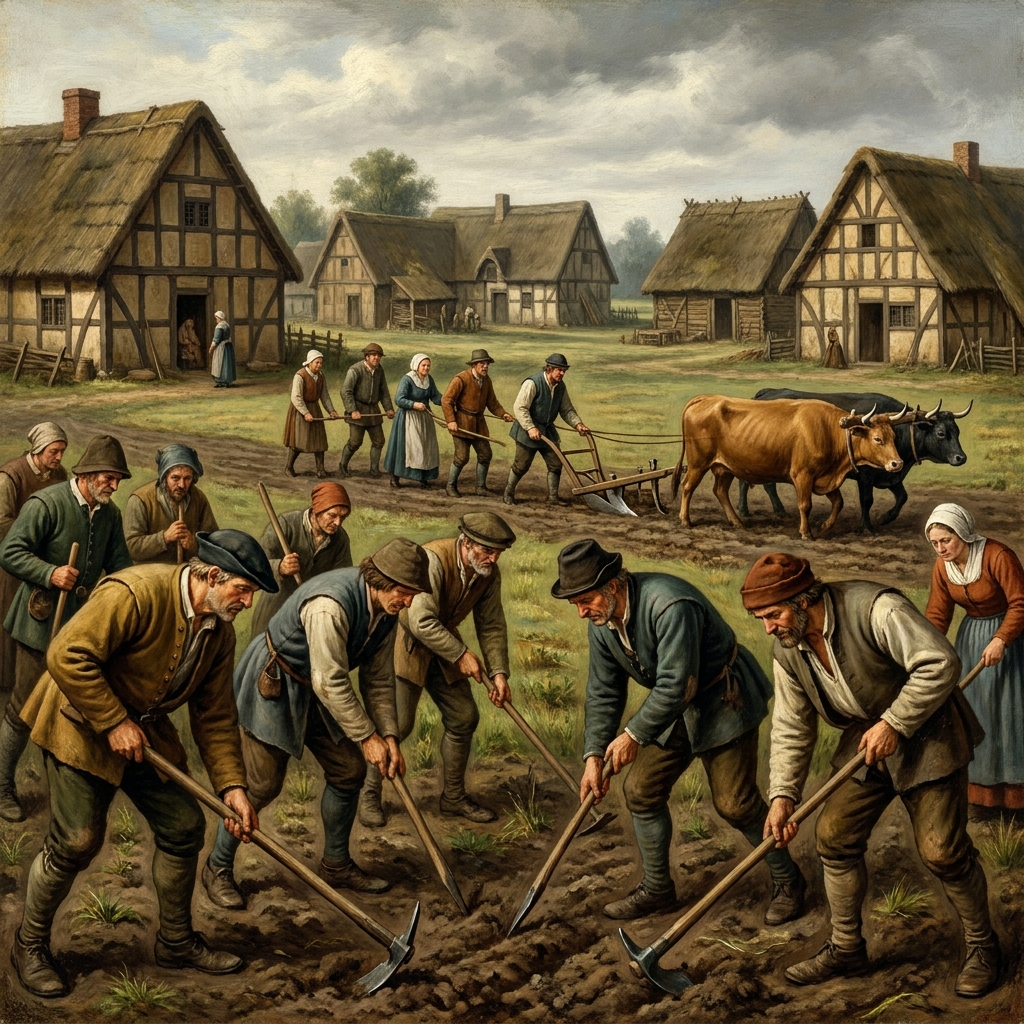
This is where The Reformation: Challenging Authority comes in. It is built to fix that specific blind spot by emphasizing the structural power the Catholic Church held over everyday life. Before the movement began, villagers were expected to pay tithes, which were mandatory payments of ten percent of their income or crops. By rooting the conversation in these concrete economic realities, the lesson moves the Reformation out of abstract theology and into the world of tangible power dynamics that seventh graders can actually visualize.
Aligning the Reformation with California standards
The lesson directly addresses CA.HSS-7.9, which requires students to analyze the historical developments of the Reformation. This is a foundational standard for our state, taught in classrooms from the Ontario-Montclair School District and Garden Grove Unified to the Buckeye Union Elementary School District and the Castaic Union School District. It asks students to look past the surface level of religious debate and see the Reformation as a massive political and social pivot point. By defining the Reformation as a sixteenth-century movement that challenged Church authority and led to the rise of Protestantism, the lesson provides the necessary vocabulary to frame these complex historical shifts.
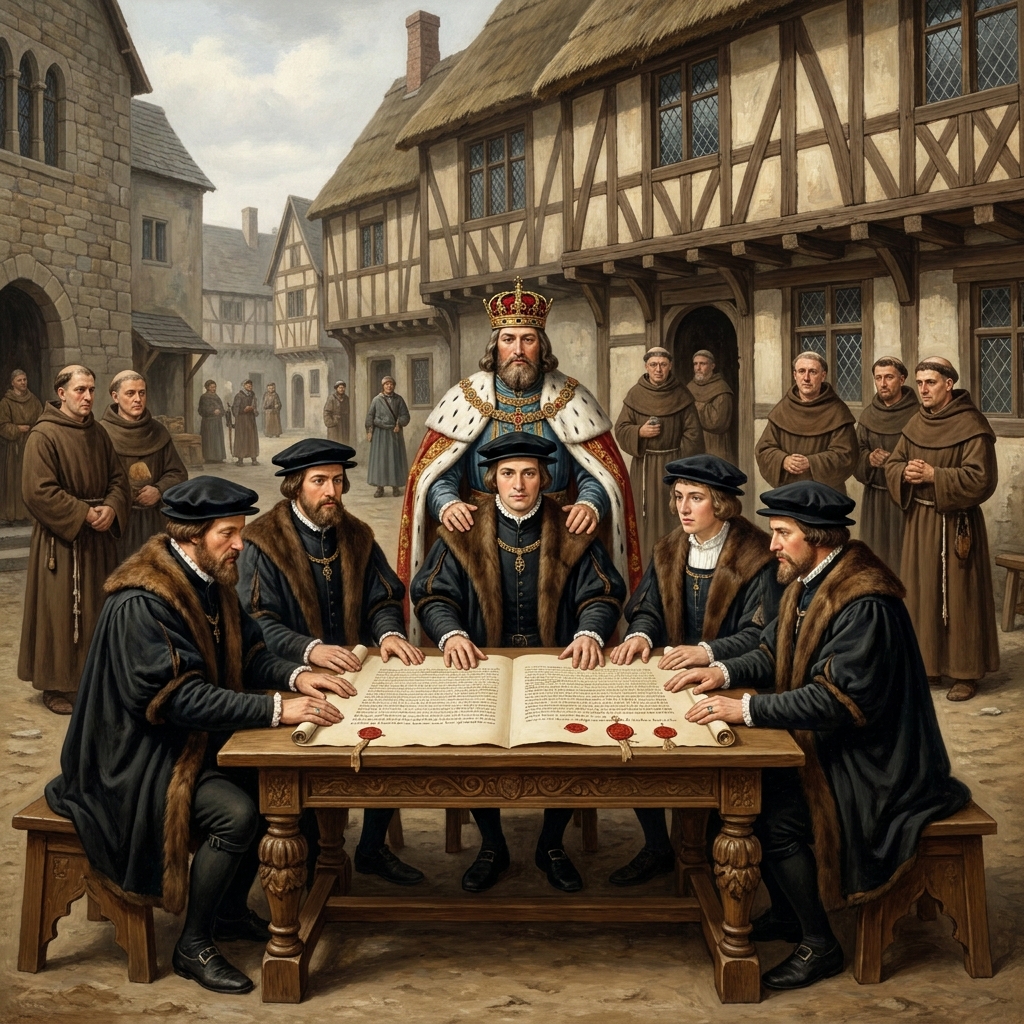
Students start by defining their terms, including heresy, which the lesson explains as any belief going against the official teachings of a religious institution. Understanding heresy is the key for students to realize just how risky it was for Martin Luther to post his 95 Theses. The lesson provides a clear example of how these arguments functioned as a direct confrontation, using written criticism to challenge established authority. It is an excellent resource for a whole-class assignment, especially when you have a day to spare during an independent study block or if you need a solid plan for a substitute day.
The guided practice moves into a broader geographical view, asking students to analyze maps showing how religious beliefs shifted across different European regions. This forces them to connect the ideological changes they just studied to the physical, territorial maps that represent the aftermath of the period. It is one thing to know that Protestantism grew; it is another to see how that growth partitioned Europe. I find that this visual, map-based approach prevents students from viewing the era as a single, static event. Instead, they begin to see the movement as a dynamic, evolving process that permanently altered the map.
The reason this lesson resonates is that it explicitly connects these historical changes to the present day. It concludes with the idea that the Reformation helped establish our modern belief in the right to one’s own conscience. This is the seed of many democratic values we prioritize in our classrooms now. When students realize that the freedom to think for themselves has roots in these sixteenth-century challenges to authority, the material gains a new kind of gravity. The lesson makes it clear that history is not just a list of names and dates, but a long conversation about who has the right to decide what is true.
If you have students who missed the week or those who need a bit of intervention to catch up with their peers, this lesson provides a focused, clear narrative path. It does not overwhelm the class with excessive detail, which is often where seventh graders get lost. By keeping the core concepts to the essential definitions of the movement, you ensure that even students who struggle with reading comprehension can grasp the primary arc of the story. It is a reliable, straightforward lesson that hits the mark for the standard while leaving room for you to lead a good, long classroom discussion about the nature of authority.
Related lessons
Life on the Arabian Peninsula, Historical overview of daily life across the Arabian Peninsula region
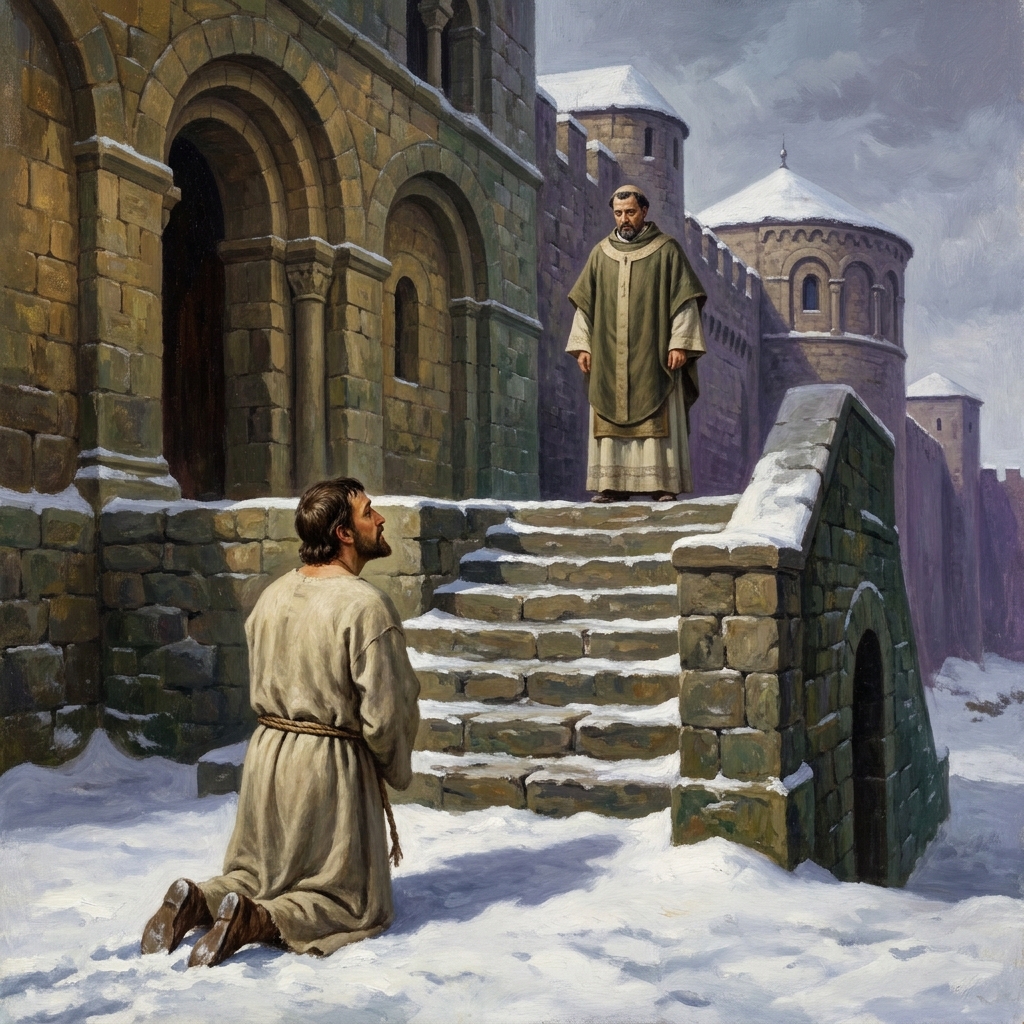
Power and Faith: The Papacy and Medieval Monarchs, Relationship between religious leaders and secular rulers in medieval history

The Golden Age of Heian Japan, Cultural and political developments during the Heian period in Japan