

When teaching computer science to middle schoolers, it is common to notice a recurring trap where students treat the internet like magic. They often assume that when they hit enter, their message instantly appears on a screen somewhere else, as if by telepathy. They struggle to grasp that there are actual, physical rules governing these connections.
Clarifying the invisible mechanics of the web
This is where How Computers Talk: The Power of Protocols comes in. It does not try to teach them how to write complex code or build their own hardware from scratch. Instead, it slows the process down to show the logical, step-by-step rules that computers rely on to keep information moving without crashing.
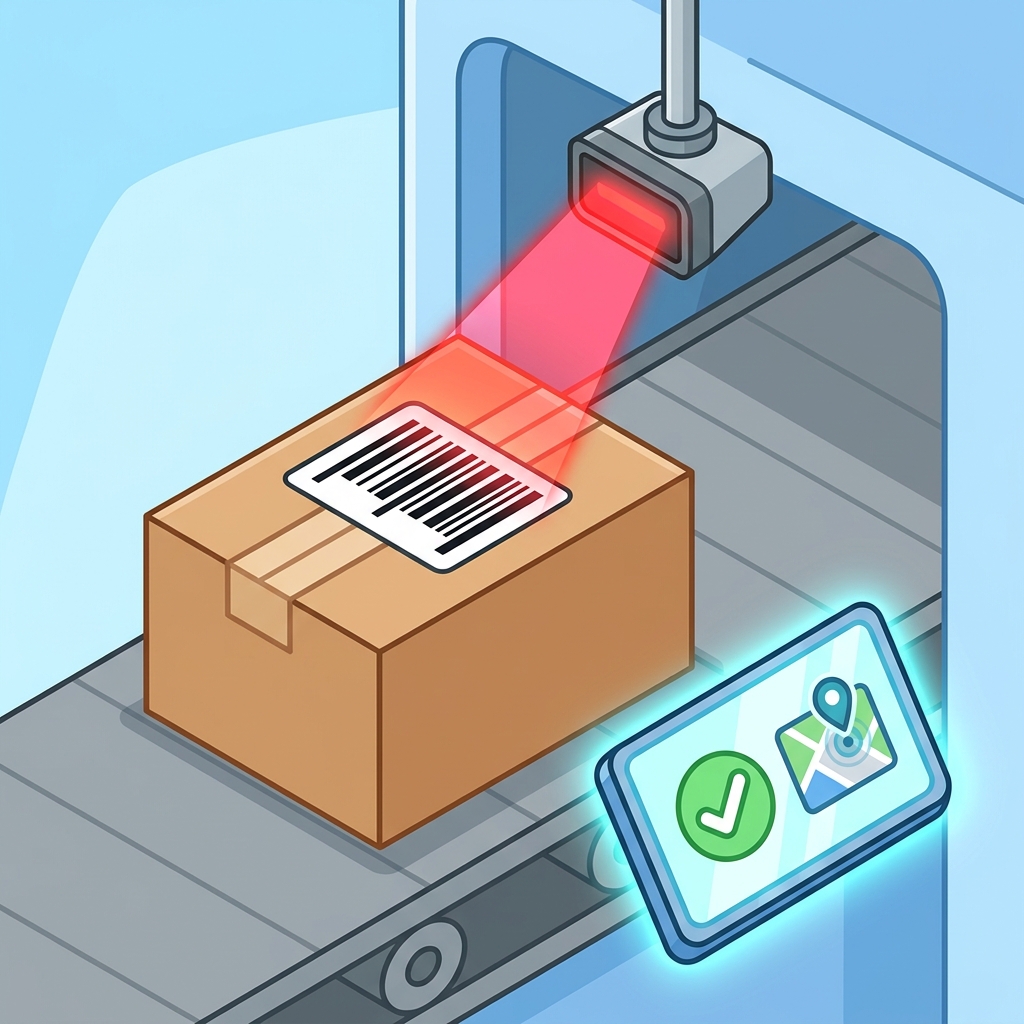
This 6th grade computer science lesson is built around the idea that protocols are just agreed-upon rules for communication. It starts with a simple, tangible scenario. You ask a student to pass a note down a row of four classmates. By mandating that each person only hands the note to the person on their right, you create a protocol. It is a brilliant, low-tech way to show why standardized instructions are necessary for success. The lesson bridges this human example to how shipping companies track physical packages by scanning them at every stop. This mirrors how TCP/IP protocols track digital packets to ensure every piece of a message reaches its destination. Whether you are teaching in Capistrano Unified, Long Beach Unified, Santa Monica-Malibu Unified, or Westminster School District, the core requirement to understand how these systems function remains the same across California.
The mechanics of network communication
The lesson covers a specific vocabulary list to help your students articulate their findings. They will learn that a protocol is a set of rules computers follow to share information. They will also define a packet as a small piece of a larger message that is labeled and sent across a network. The lesson also explains that a network is simply a group of connected computers that share data, while network topology refers to the physical or logical layout of how those devices are connected. These terms are vital because they give students the language to stop guessing about how the web works and start describing it precisely.
I recommend using this 6th grade computer science network lesson during a whole-class unit or for a student who missed the week and needs to get back on track. It is also a fantastic resource for a substitute day because the activities are so clearly structured. The guided practice asks students to imagine a network router and then trace how data packets move through a series of possible paths. This process, known as routing, helps students visualize the behind-the-scenes decision-making that happens in milliseconds every time they open a browser.
Aligning with state standards
This content serves CA.CS.6-8.NI.4 perfectly. This California-adopted standard asks that students model the role of protocols in transmitting data across networks and the internet. It is not just about memorizing definitions; it is about building a conceptual model of how information is chopped into pieces, labeled, routed, and reassembled. I find that once students understand this, they finally stop looking at the internet as a mysterious black box and start seeing it as a structured system they can actually understand.
Why this approach works for middle schoolers
The biggest hurdle in this unit is getting students to move past the superficial speed of the internet. They want to believe it is instantaneous and limitless. This lesson forces them to confront the reality that data packets have to travel through routers and follow specific pathways to avoid failure. The “why it matters” section is a great hook: it reminds the class that without these standardized protocols, our apps, games, and websites would effectively stop working. It transforms an abstract concept into something personal. My only caveat is that you should ensure students do not get too hung up on the physical drawings of the routers. The point is not to be a perfect artist, but to understand the logic of the pathfinding. Once they see that the rules are what keep the network alive, the whole concept of connectivity finally clicks.
Related lessons
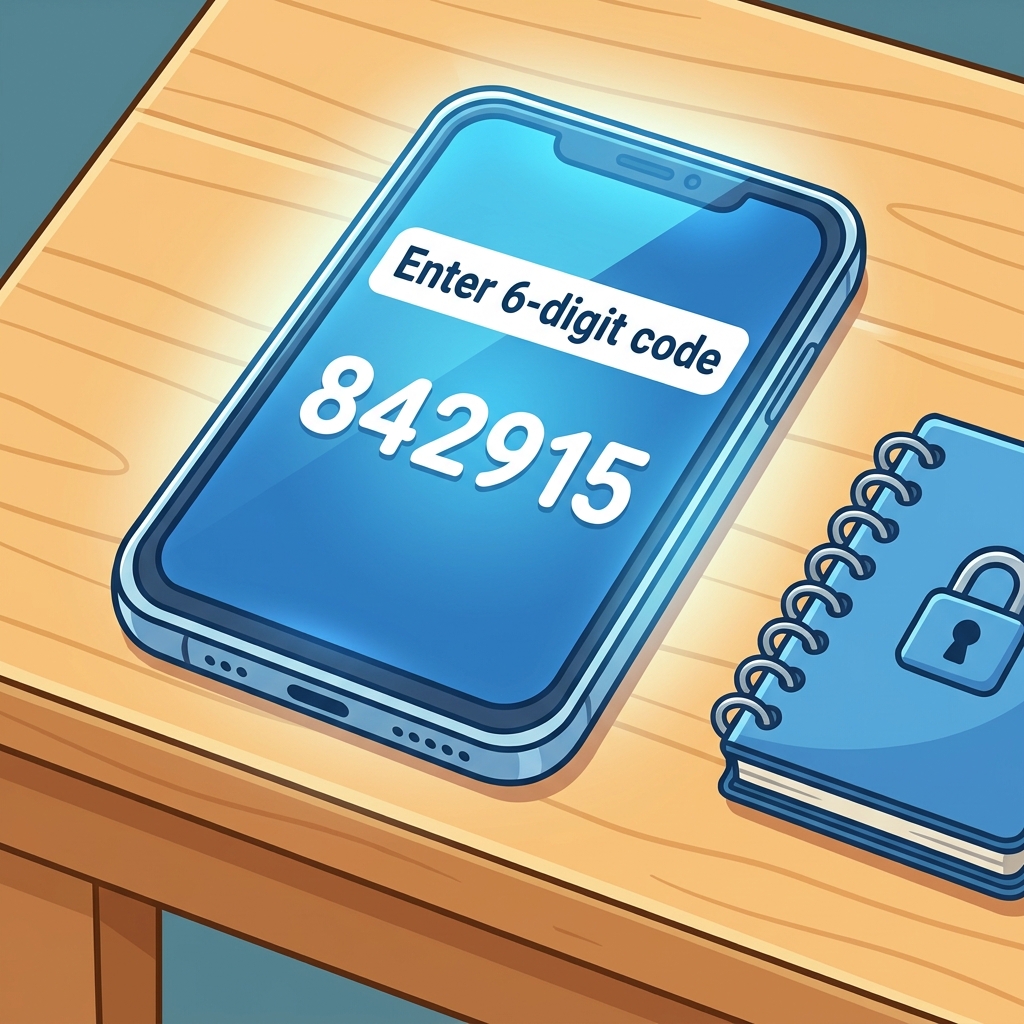
Staying Safe Online, Discusses best practices for maintaining personal safety on the internet
Keeping Information Secure, Explores methods and principles for protecting digital information and privacy