


I see it every year in my 4th grade English Language Arts class. When we examine informational text, students are great at picking out the main point, but they tend to stop there. They treat every sentence in a paragraph like it carries the same weight, failing to distinguish between the author’s claim and the facts backing it up. This leads to a surface-level understanding that gets much harder to correct as they move into middle school. Supporting Your Ideas with Reasons and Evidence is designed specifically to stop this habit by forcing students to break down the structure of an argument.
The lesson teaches that an author’s main point is only as strong as the foundation underneath it. By defining a reason as an explanation of why a point is true and evidence as the specific fact or example that proves it, the lesson gives students a reliable tool kit for reading. For example, it walks through how an author might argue that bees are vital by providing the reason that they pollinate crops and the evidence of studies showing our reliance on them for one-third of our food. It does the same for recycling, pairing the reason of energy savings with EPA data on aluminum cans. This helps students realize that an author is not just saying things, but proving them.
Understanding the mechanics of a claim
The core of this work is 4th grade informational text analysis, which requires students to look at how different parts of a paragraph serve the author’s intent. The lesson is straightforward and fits well into a 45-minute block. It respects the student’s ability to think critically about text without overloading them with abstract theory. You can use this for a whole-class introduction, a refresher for a student who missed the previous week, or as a structured activity for independent study.
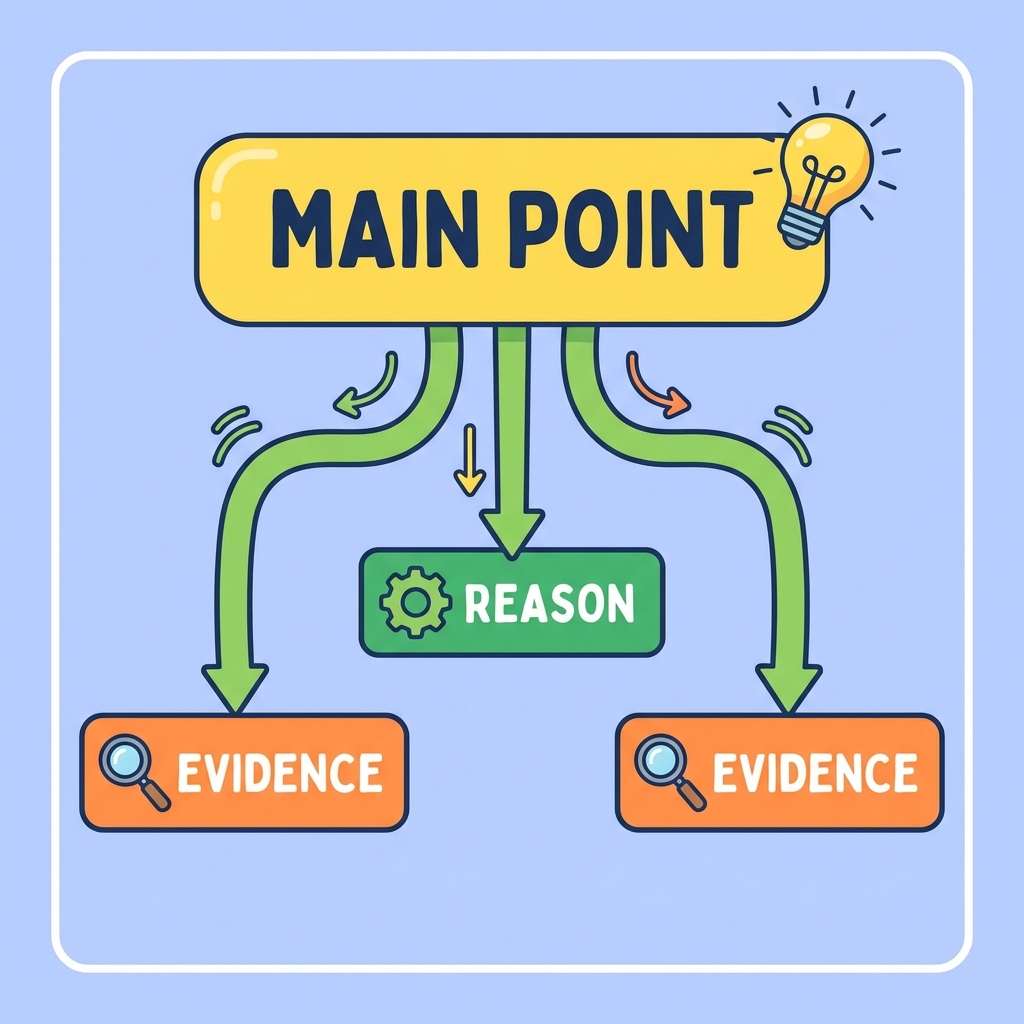
The lesson serves the California-adopted standard CA.ELA.RI.4.8. This standard asks students to explain how an author uses specific reasons and evidence to support particular points in a text. Whether you are teaching in Oakland Unified, Lodi Unified, Sylvan Union Elementary School District, or Los Altos Elementary School District, the expectation remains that students stop skimming and start evaluating the logic within informational pieces. It is a fundamental shift from passive reading to active investigation.
Why this matters beyond the test
One of the best things about this material is how it connects to real life. The lesson explains that knowing how to identify evidence helps when reading the news or even just following instructions. If a student can recognize the reasons for each step in a manual, they are less likely to miss a critical part of the process. I think this is a necessary caveat for teachers: some students will struggle initially to differentiate between a general reason and a hard fact. The guided practice on community parks is the perfect time to walk them through that friction point.
By having the class look at why local parks provide space for gathering and exercise, you give them a scenario that feels grounded in their own neighborhood. This is where you see the lightbulbs turn on. They stop looking for ‘correct’ answers and start looking for the author’s logic. It turns out, 4th graders are pretty good at calling out an argument that lacks evidence once they are shown what to look for.
Using the lesson in your classroom
This lesson is a great fit for a standard English Language Arts block. I find it works best when paired with an article students have already read, as it allows them to immediately apply the vocabulary they learned in the lesson. Once they start labeling the ‘main point,’ ‘reason,’ and ‘evidence’ in a textbook or a news article, the skill starts to stick. It is simple, clear, and provides a necessary structure for analyzing informational text that they will be expected to master as they progress.

You do not need to spend weeks on this, but spending one solid period ensuring they can tell the difference between a reason and evidence saves you so much time later in the year. If you have a student who is struggling to articulate their own thoughts in writing, showing them how authors use evidence often helps them improve their own drafts, too. It is a reciprocal skill that makes them better readers and more persuasive writers.
Related lessons
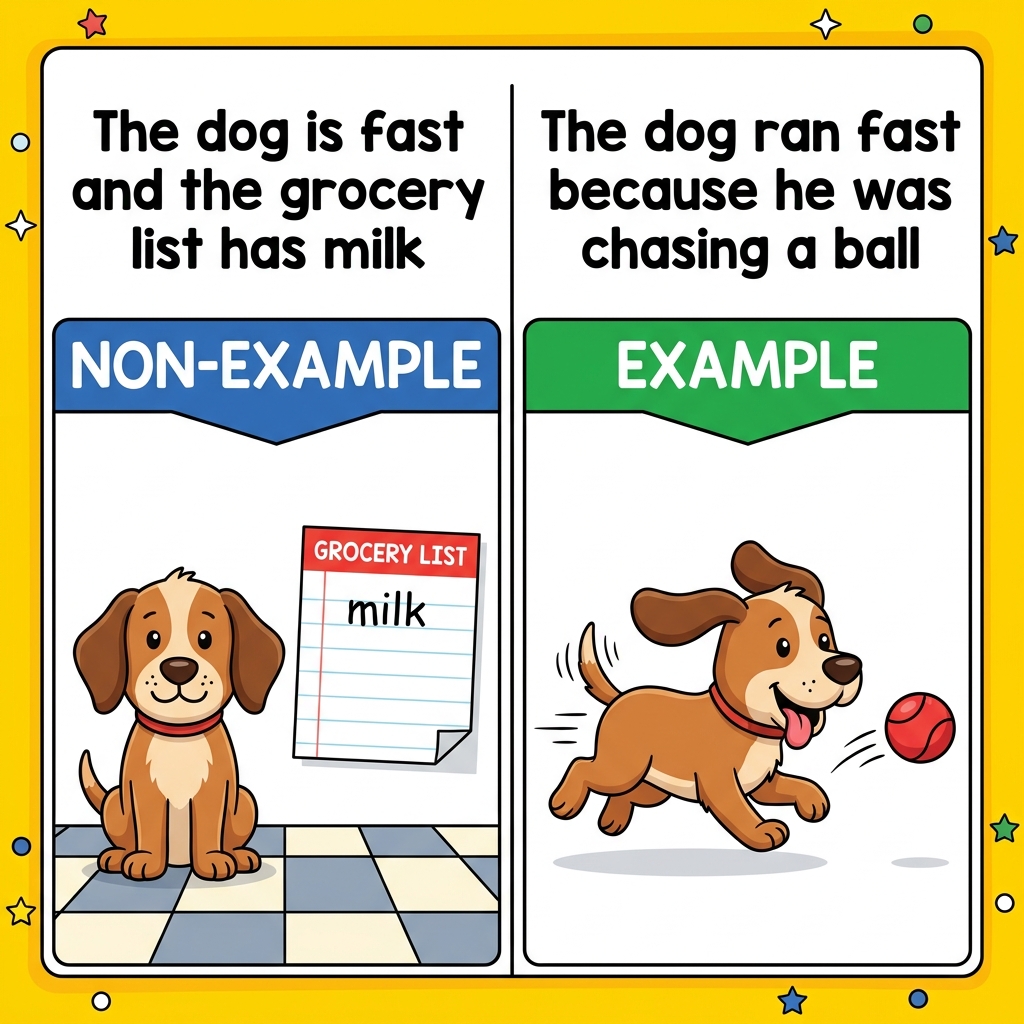
Understanding Why Things Happen in History and Science, Connecting cause and effect in history and science texts
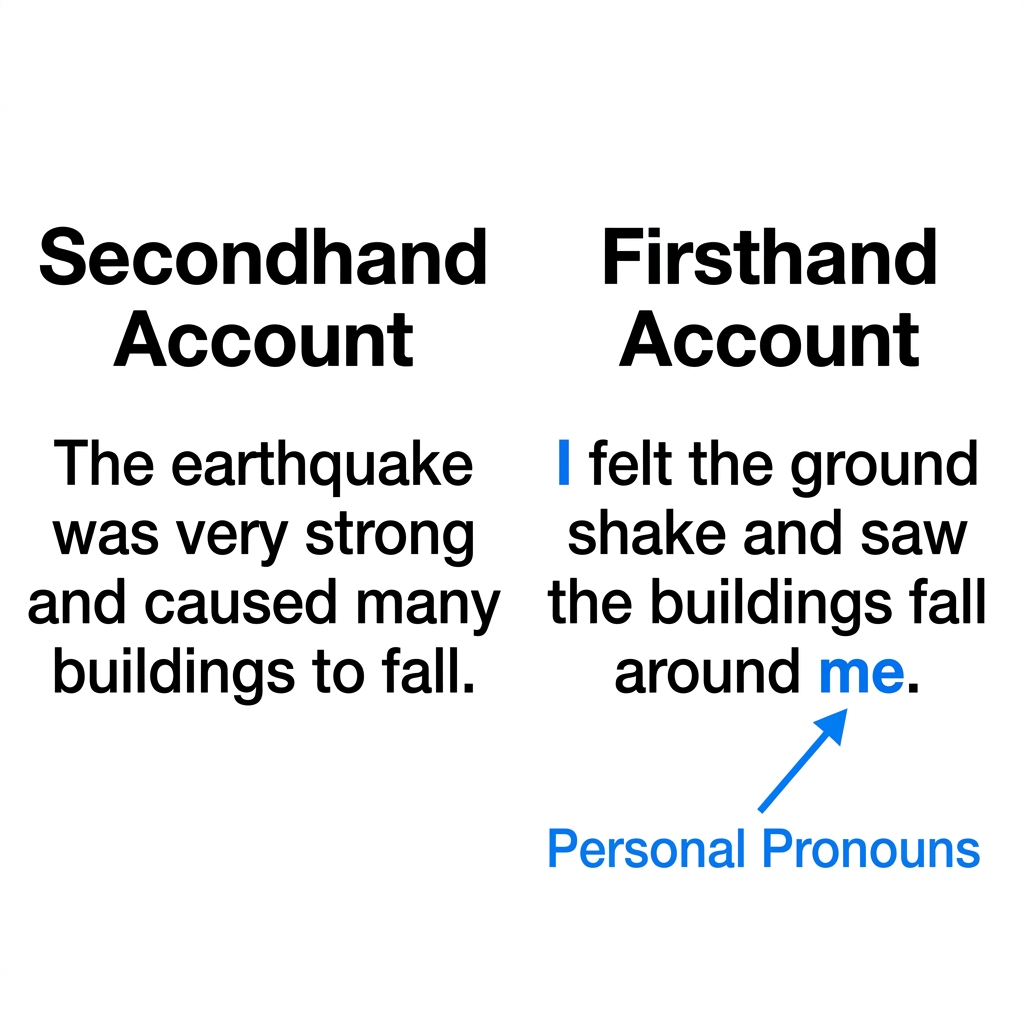
Understanding Firsthand and Secondhand Accounts, Comparing different types of accounts in informational texts

Understanding How Informational Texts Are Organized, Identifying the structure authors use to organize their points