

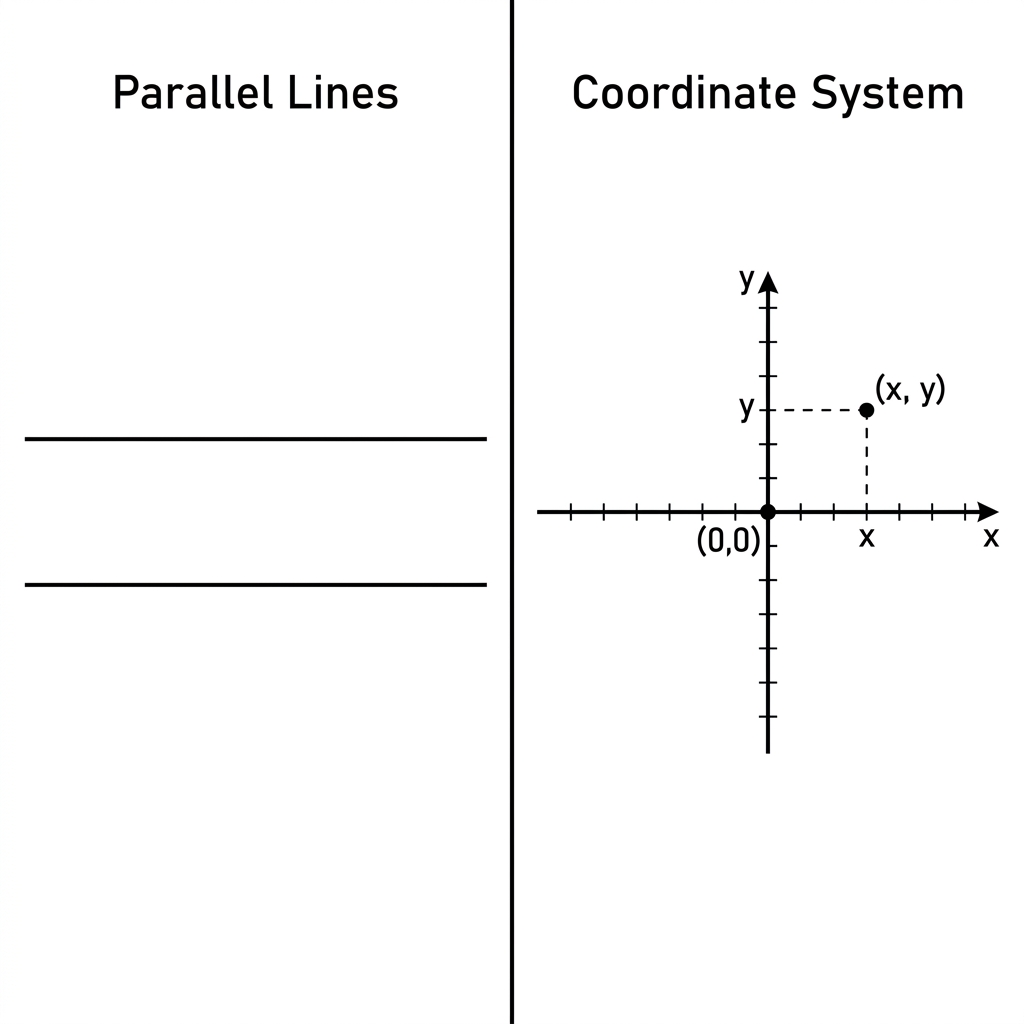
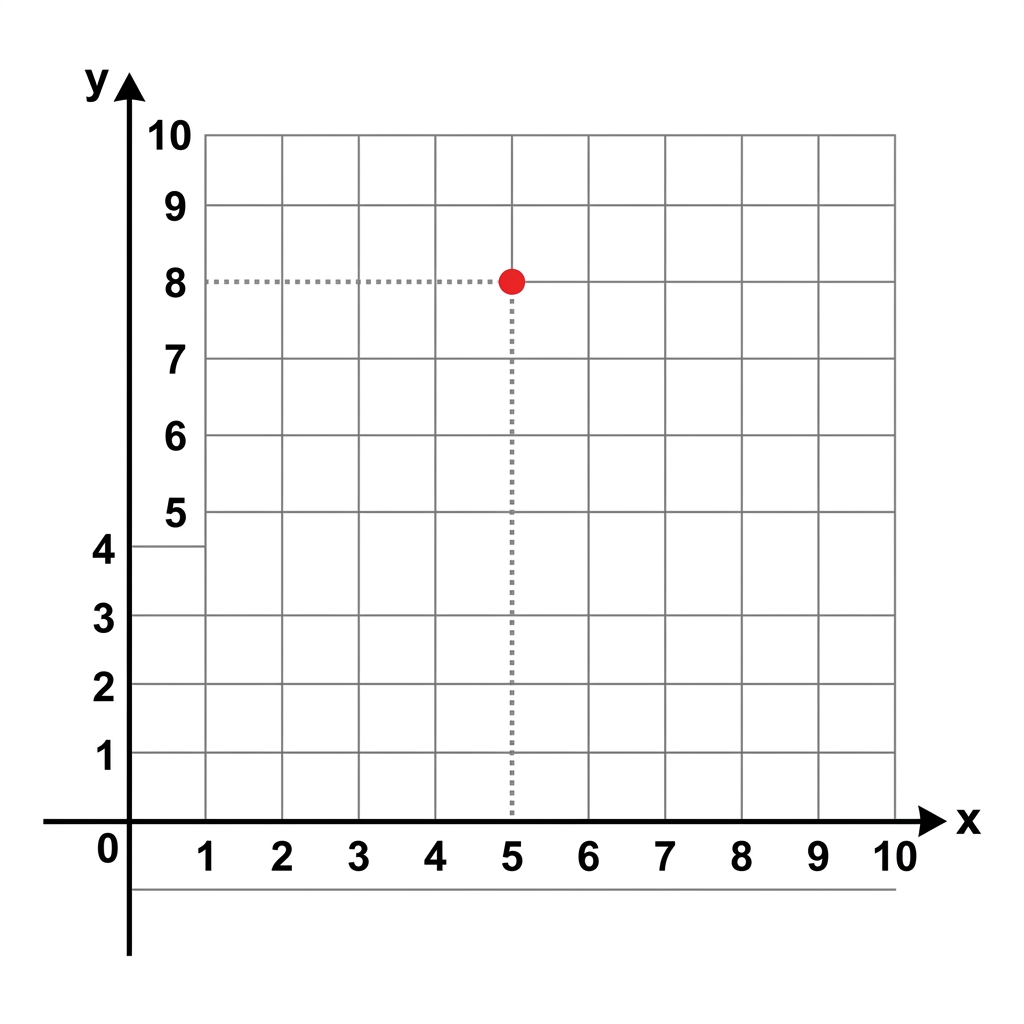
Coordinate graphing is a fundamental skill in 5th grade math. Laying the foundation for this concept is critical. The standard CA.MATH.5.G.1 asks students to use a pair of perpendicular number lines, called axes, to define a coordinate system, with the intersection of the lines (the origin) arranged to coincide with the 0 on each line and a given point in the plane located by using an ordered pair of numbers, called its coordinates. In practice, this means your 5th grade students are shifting from thinking about number lines as simple one-dimensional paths to thinking about space as a two-dimensional grid. It is the moment they learn that location is not just a distance from zero, but a relationship between two directions.
Laying the foundation for coordinate graphing
When you start Finding Your Way on a Grid, you are building directly on their work with number lines from previous years. Students already know that a number line represents a straight path with intervals, where moving three units to the right from zero lands them on three. Now, they must keep that spatial logic in mind while adding a vertical component. If they do not grasp the origin as the anchor point for both axes, their later work in geometry and algebra will inevitably become shaky. Whether you are teaching in Irvine Unified, Oakland Unified, Bonita Unified, or Travis Unified, this standard provides the same essential baseline for every student across the state.
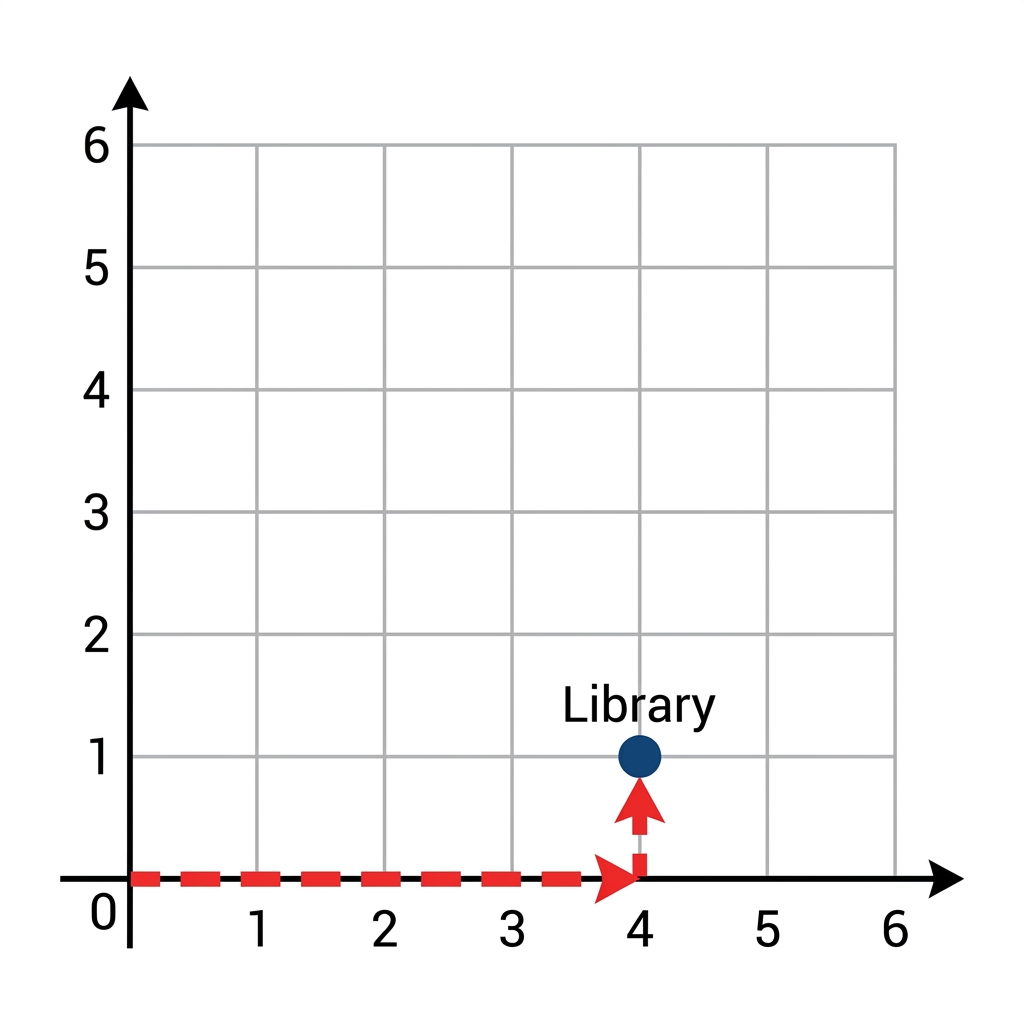
The lesson explains these terms with precision. An ordered pair is the set of two numbers, (x, y), that pinpoints a location. The axes are simply the two lines that meet at the origin, which is the zero-zero starting point of any grid. I have found that students often mix up which number comes first, but the clear step-by-step logic in this lesson helps resolve that confusion before it sets in. You can use 5th grade coordinate graphing lessons to help students who missed the week or to provide a solid intervention for those who need a fresh look at the basics of geometry.
Applying the system to real-world scenarios
One of the best aspects of this lesson is how it frames the utility of the grid. It does not just teach coordinates as an abstract math exercise. It explains that navigation, the process of ascertaining one’s position and planning a route, relies on these same principles. Pilots and delivery drivers depend on these systems to move through the world. The lesson provides a concrete example: to plot a treasure chest at (3, 4), a student starts at the origin, moves three units to the right on the x-axis, and then four units up on the y-axis. This process makes the concept tangible rather than just a dry set of rules.
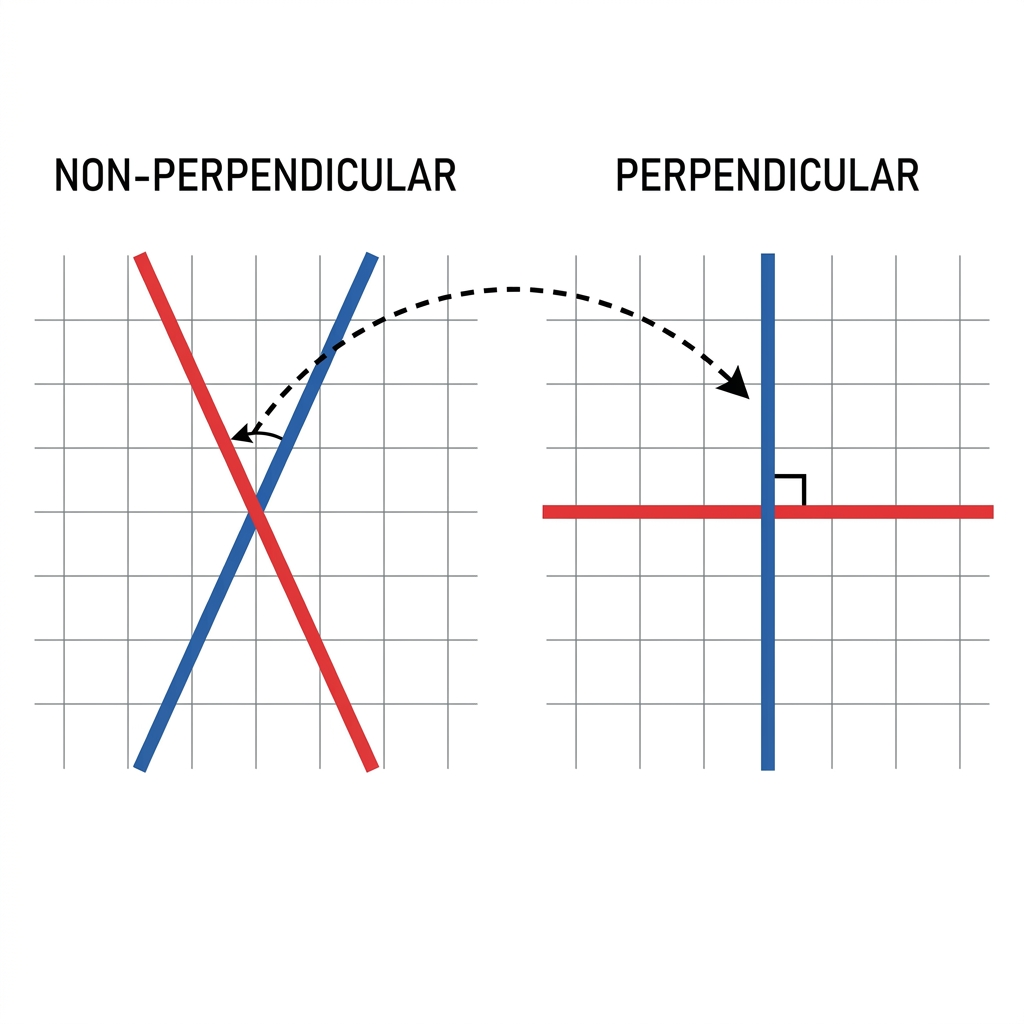
You might find that some students struggle with the vertical movement, assuming that the y-axis works differently than the x-axis. Using the guided practice where the fountain is at (3, 3) allows them to see that the process is repetitive and consistent. Once they realize that the first number in the pair always controls the horizontal shift and the second controls the vertical shift, the entire system clicks into place. You can easily assign CA.MATH.5.G.1 as a whole-class assignment or as a focused task for an independent study day. It also works as a perfect backup for a substitute day when you want to ensure the class stays on track without introducing excessive complexity.
The lesson does a good job of keeping the language accessible while maintaining the rigor required by the standard. By explicitly defining the axes as perpendicular number lines meeting at the origin, it gives students the vocabulary to talk about what they are doing. When a student can explain that they are moving along the y-axis, they are using the language of geometry correctly, which is a major victory in 5th grade mathematics. Keep an eye on those who want to jump ahead and guess the point without counting from the origin, as that shortcut often leads to mistakes on more complex grids. This is a straightforward, necessary stop on their way to more abstract graphing, and it provides the foundation for the coordinate work they will see in middle school and high school.
Related lessons
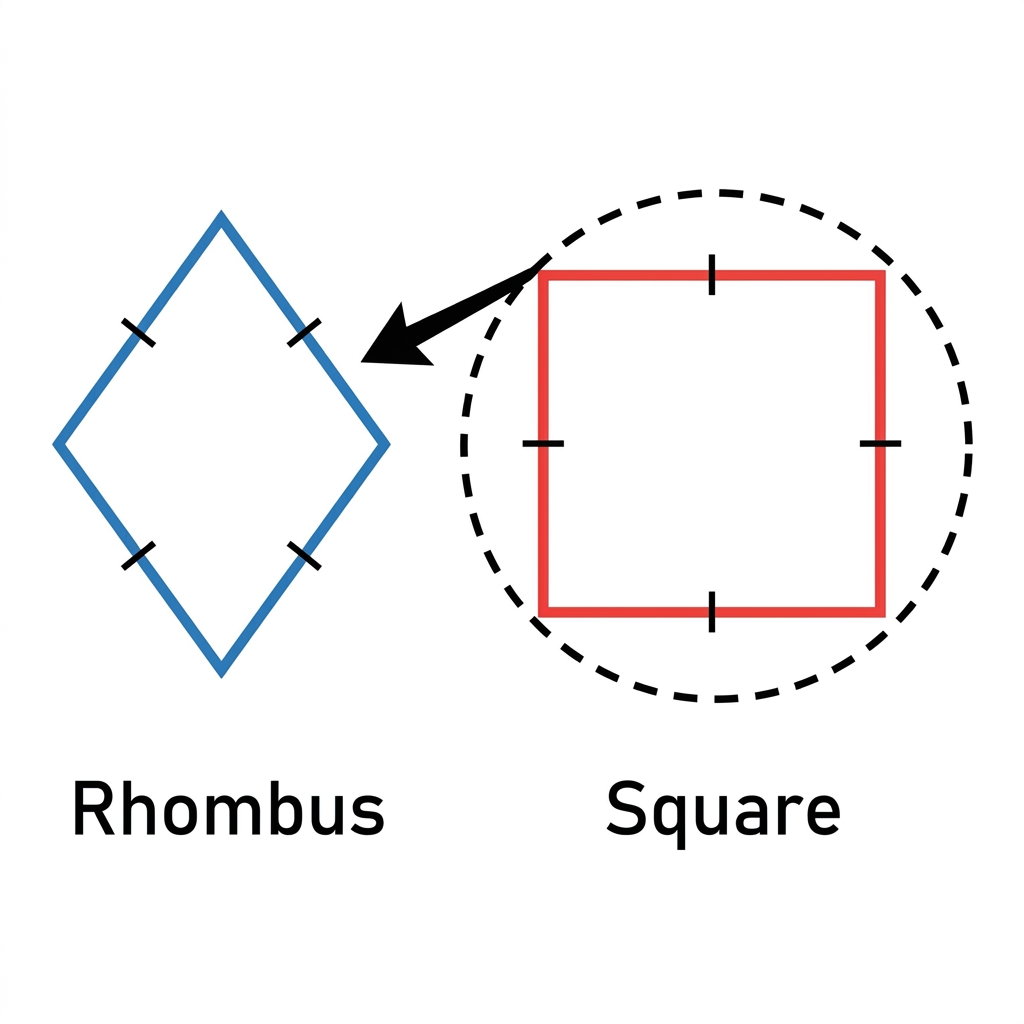
Classifying Shapes by Their Properties, Sorting geometric figures based on their defining features
Mapping Our World with Coordinates, Using grid systems to identify locations on maps
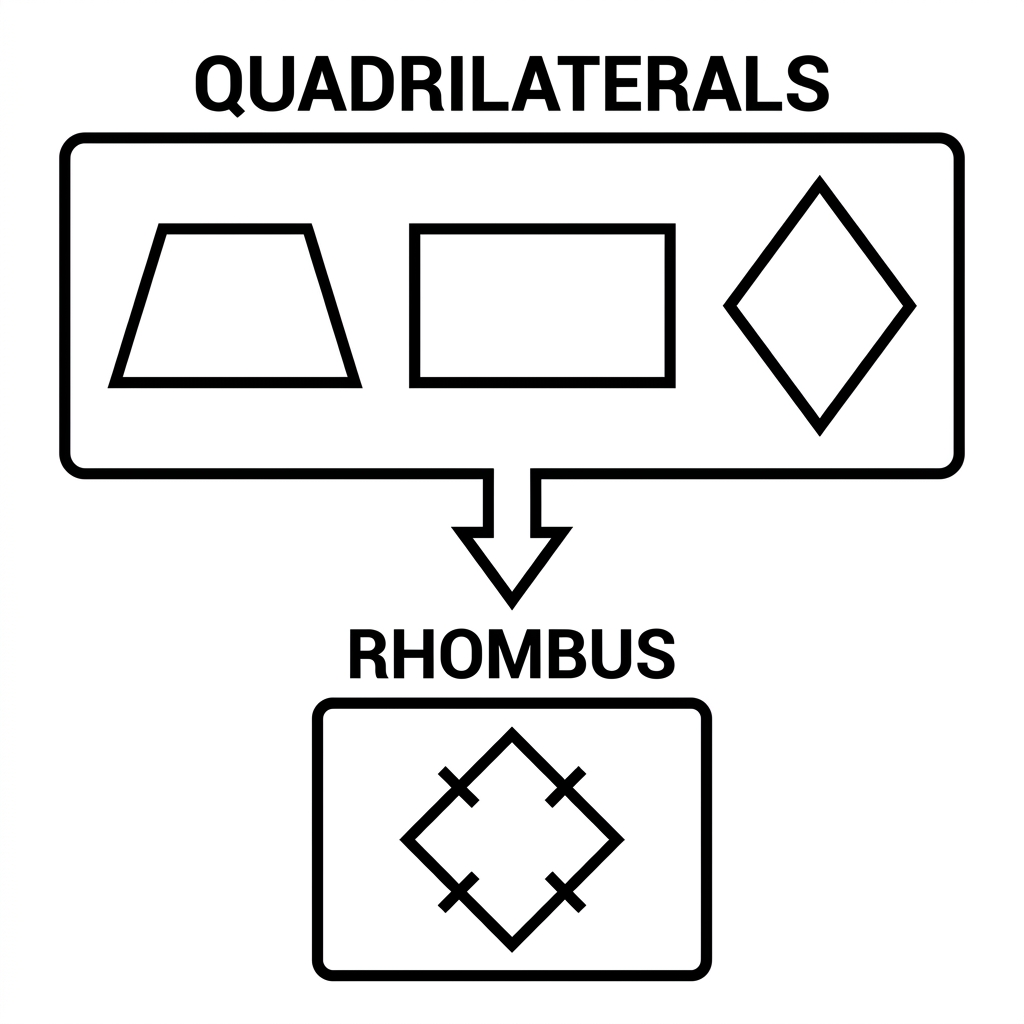
Understanding Geometric Hierarchies, Categorizing shapes according to their specific properties