

This lesson is for seventh graders who can type a decent paragraph but treat a website like something you borrow from and then forget. It is a seventh grade English language arts lesson from the ELA 7 Writing course, it runs about 45 minutes, and it fits the student who turns in a report packed with facts and has no idea where any of them came from. That describes a lot of twelve-year-olds. It described a lot of mine.
Collaborating and Citing in Digital Writing has a short objective: use digital tools to write, share your work, and give credit to your sources. That sounds like one skill. It is really three or four, and the standard behind it is denser than its plain wording lets on.
The primary standard is CA.ELA.W.7.6, the California Common Core writing standard in the Production and Distribution cluster. The same lesson page also carries CCSS.ELA-LITERACY.W.7.6, which is the national Common Core wording of the same expectation: use technology, including the Internet, to produce and publish writing, link to and cite sources, and interact and collaborate with others. California’s version keeps all of that and adds a line restating the core of it, that students use technology to produce and publish writing while linking to and citing sources. Think of the two codes as one standard with a California emphasis on the citing part, taught in one lesson. A seventh grader in San Diego Unified is held to the same sentence as one in Compton Unified, Lawndale Elementary School District, or Parlier Unified, because the standard reads identically everywhere in the state.
Reading the standard one phrase at a time
I like taking this standard apart, because each phrase asks for something different, and students tend to be strong on one and weak on the rest.
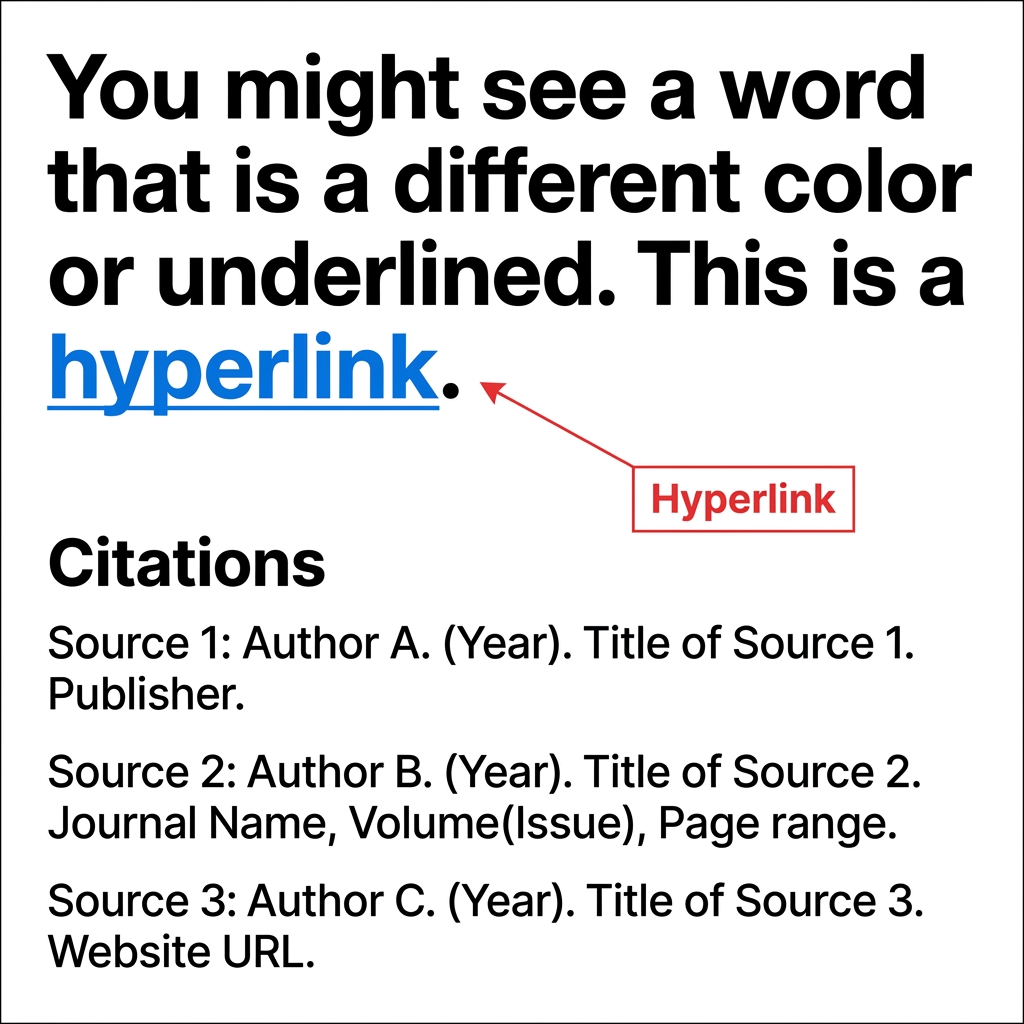
“Use technology, including the Internet.” This is the part most students think they have already mastered. They have. Sort of. They can search, scroll, and open twelve tabs. What the standard wants is deliberate use: picking a tool because it does something the writing needs. The lesson’s opener makes that point with the humblest tool in the room, the word processor, which it defines as a program for typing, editing, and formatting writing. The lesson points out that a word processor makes it easy to add links to the sources you used. That is the right starting place. The tool matters because of what it lets a writer show.
“To produce and publish writing.” Producing is drafting and revising. Publishing means someone else is going to read it. Seventh graders write very differently when they know a reader exists beyond the teacher, and this phrase quietly assumes that reader. Once there is an outside reader, the next phrase stops being a rule and becomes a courtesy.
“Link to and cite sources.” Two verbs, and they are not the same. Linking sends a reader directly to the source. Citing gives credit with the details of where the information came from. A student can link without crediting anyone in a meaningful way, and a student can cite in a printed report where no link is possible. The standard asks for both, and California repeats it in its addition, which tells me the state considers this the heart of the standard. I agree. Most of the plagiarism I dealt with in middle school was not cheating. It was students who honestly did not know that a fact from a website still belongs to somebody.
“Interact and collaborate with others.” This is the phrase that usually gets skipped, because group work is hard to set up and harder to grade. But shared documents are where students actually write now, and a shared document raises a real question: if four people wrote the report, who is responsible for the citations? The answer the standard implies is everybody.
How the lesson gets students there
The lesson moves in a sensible order: tool, model, practice, reason.

After the word processor opener, students see a worked example from professional writing. A travel blogger writes that the best time to visit Tokyo is in the spring, and the word “spring” is linked to a weather website. It is a small example, and that is why it works. Students can see exactly which word carries the link and why. The claim about spring is not the blogger’s opinion floating in the air; it rests on real weather data, and the link proves it. I would put that example on the board and ask the class to find the claim, then find the evidence, then find the link connecting them. Three moves, one sentence.
The guided practice is my favorite part. Students are told their group has written a report, but none of the facts have citations or links, and it is their job to fix the group document. This covers the collaboration phrase in a way that feels like a real problem rather than a cooperative-learning exercise. Repairing someone else’s writing is also easier, emotionally, than admitting your own paragraph has no sources. Students will spot an uncited fact in a teammate’s sentence long before they spot one in their own.
The lesson keeps its vocabulary tight, which I appreciate:
- Hyperlink: a digital link in a document that takes a reader directly to another website or source when clicked.
- Citation: a formal way to give credit to an author by providing the details of where you found your information.
- Collaborate: to work together with others on a shared project or document.
The why-it-matters close ties the skill to a school report, a news article, and a post for a community website, and lands on trust: links and citations help people believe what you write. That is the right reason to give a seventh grader. “Because the teacher said so” lasts until June. “Because readers will not trust you otherwise” lasts longer.
One honest caveat. The worked example is a hyperlink, not a formatted citation. The lesson defines citation clearly, but if your students will be writing printed research papers with a works cited page later this year, plan a follow-up on whatever citation format your department uses. Forty-five minutes builds the habit of crediting sources. It does not build fluency in a style guide, and it is not trying to.
Where it fits beyond a regular class period: it works well as a whole-class assignment right before a research project, since it sets expectations before the first group document is opened. It is also a good choice for a student who missed the week the class started research, because the guided practice gives that student a concrete task instead of a list of rules to read. And independent-study students can work through it alone, with one adjustment: the group document scenario is imagined, so you may want to have them repair a sample paragraph you provide.
If you are planning a research unit and want the citing habit in place before anyone starts copying facts into a shared doc, this seventh grade digital writing and citation lesson is a good first day. Start with the Tokyo sentence and ask who decided spring was best.
Related lessons

Crafting Compelling Narrative Openings, Writing strong opening lines and beginnings for narrative stories
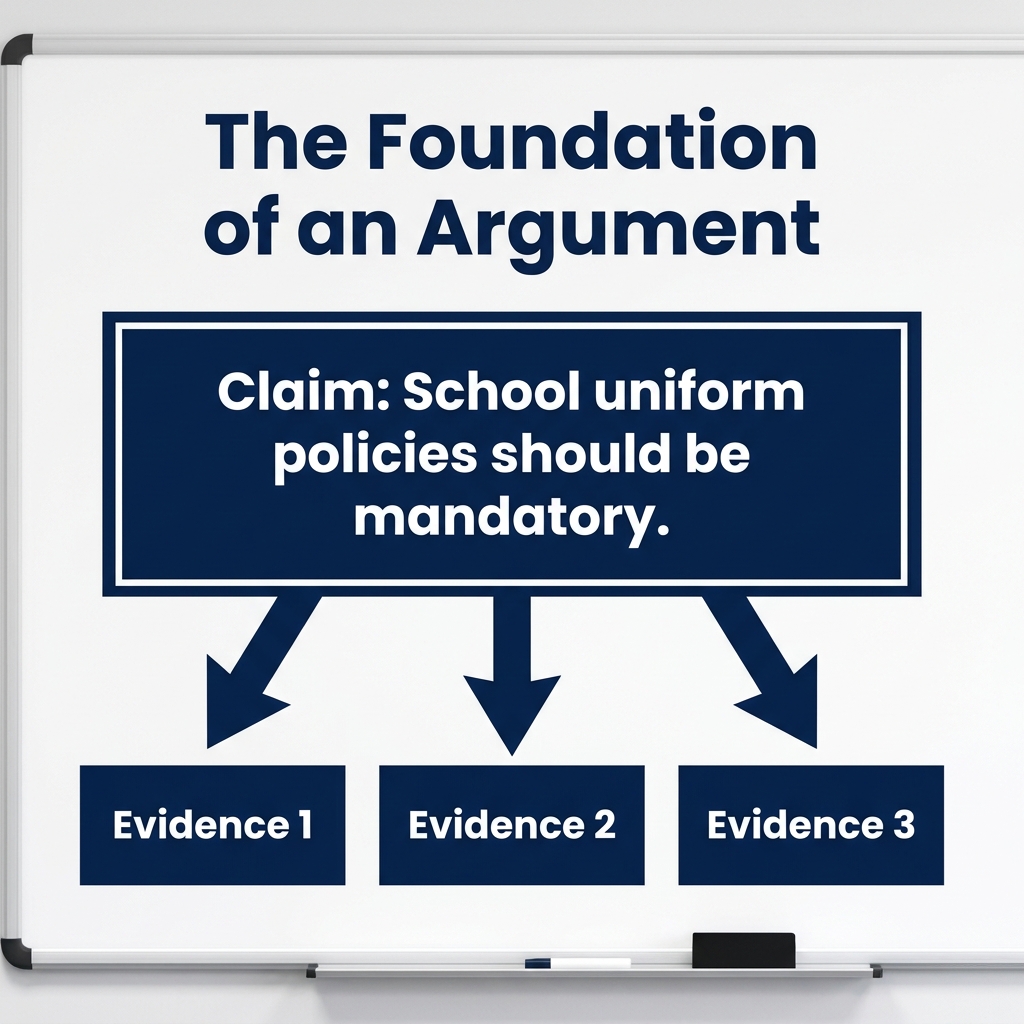
Building Strong Arguments, Constructing persuasive written arguments with clear claims and support

Writing for Your Audience and Purpose, Adjusting writing choices to fit a specific reader and goal