

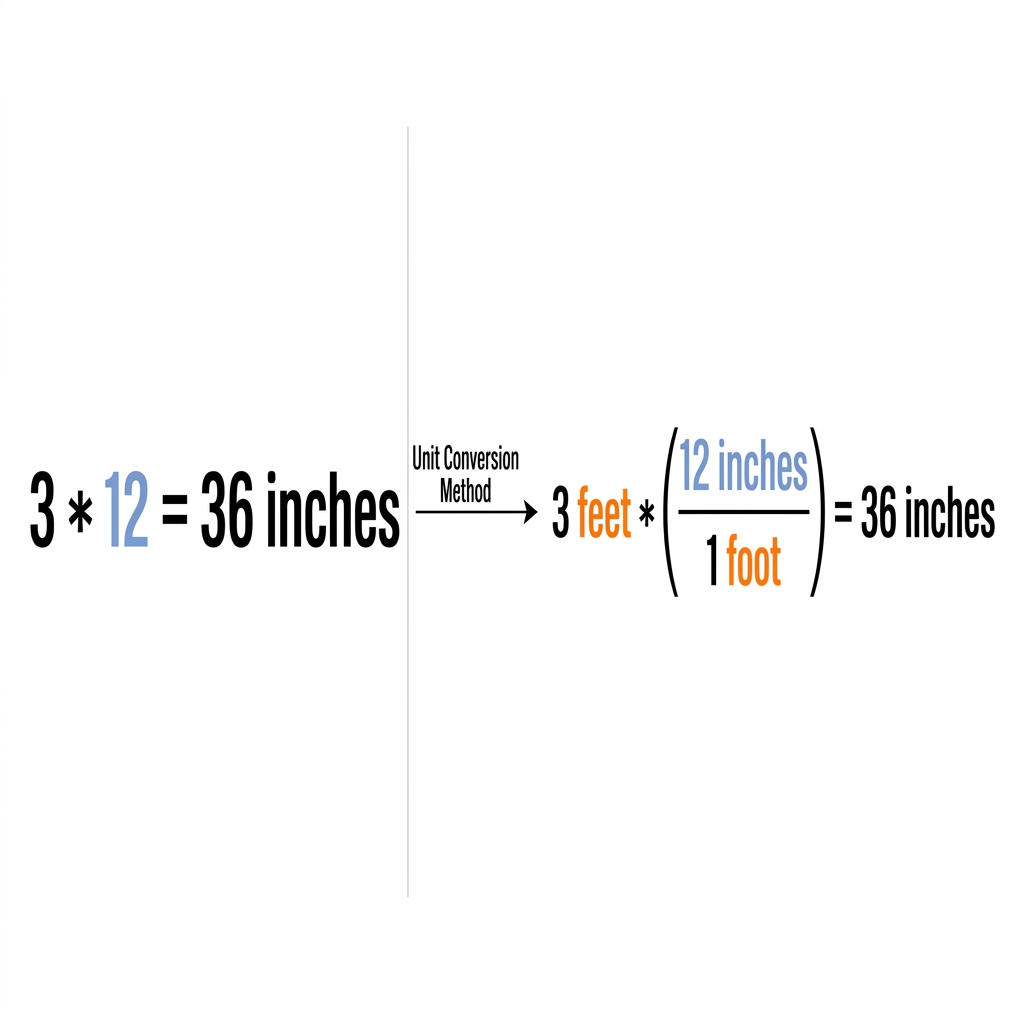
Every year somebody asks me why sixth graders are converting inches to feet again, when they did that back in fourth and fifth grade. It’s a fair thing to ask. The answer is that the skill looks the same on paper, but the thinking underneath it is supposed to change, and that change is the whole point of this lesson.
Understanding Ratios and Unit Conversions is a sixth grade math lesson from the Math 6 Ratios and Proportional Relationships course, and it runs about 45 minutes. Its objective is short: students solve real-world problems and convert measurement units using ratio and rate reasoning. In younger grades, a conversion was a fact you remembered (12 inches in a foot) and a multiplication you did. Here, the conversion becomes a ratio you reason with.
The skill this lesson rests on
The lesson opens by reminding students what a ratio is, and it does it with lemonade: 3 cups of water for every 1 cup of lemon juice. That’s a good choice. It is concrete, it has a clear “for every,” and nobody needs a unit chart to understand it.
If a student can’t yet say what that 3 to 1 means, this lesson will feel like a pile of procedures. So the prerequisite is the basic ratio concept itself, plus comfortable multiplication and division. I’d check those quickly before assigning it. A student who still thinks a ratio is just “two numbers with a colon” needs a day on that first.
What the lesson actually adds
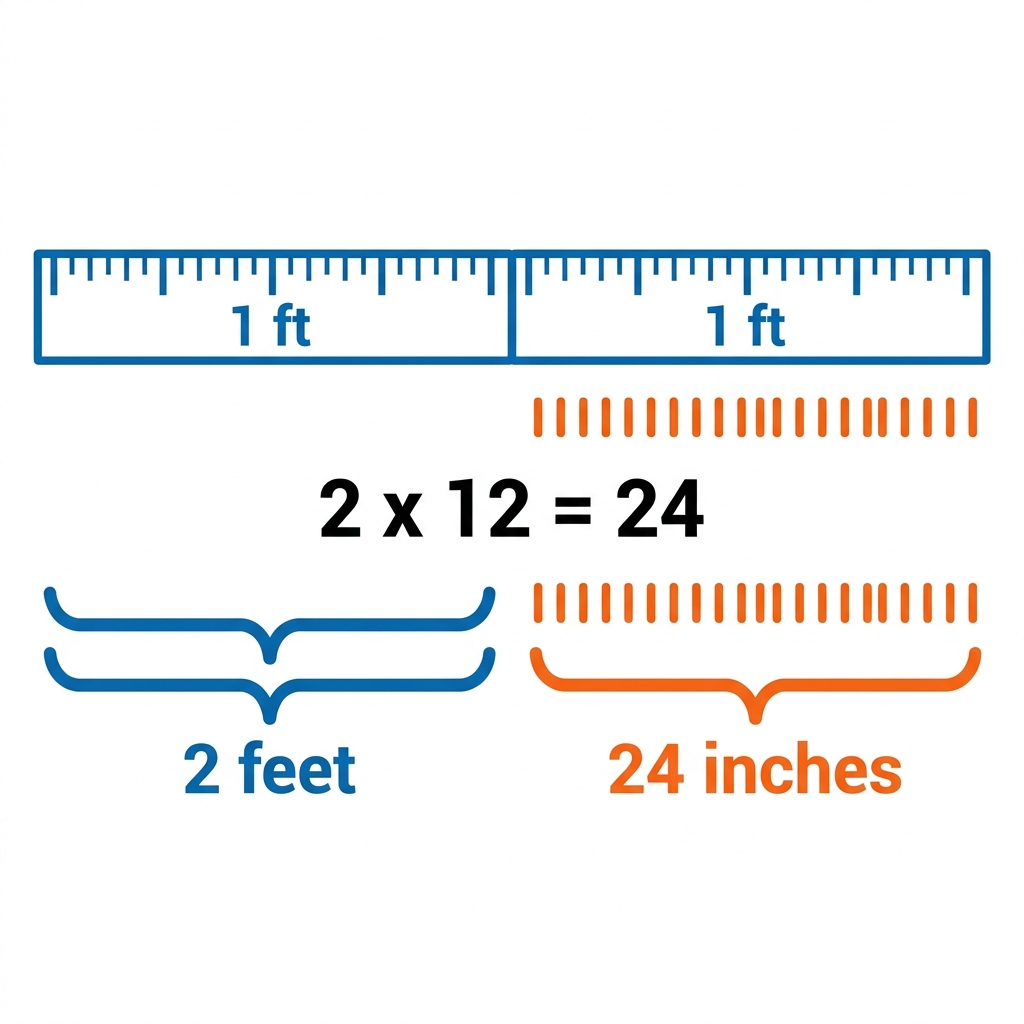
The new move is treating a unit equivalence as a ratio. The worked example uses a double number line with 12 inches lined up against 1 foot. Extend the line to 2 feet and the matching mark reads 24 inches. The lesson puts it plainly: “This is ratio reasoning because we are comparing two units.”
I like the double number line here more than a formula. Students can see that the two lines grow together, which is the idea of equivalent ratios, and they can see why the answer has to be bigger in inches than in feet. That second part matters. Plenty of sixth graders will divide when they should multiply, and the picture catches it.
Then the guided practice moves to grocery store pricing, which shifts from a ratio of units to a rate of dollars per item. It’s the same reasoning with a different label, and students get to notice that.
Two vocabulary terms carry the lesson:
- ratio: a comparison of two quantities that shows how much of one thing there is for every amount of another thing
- conversion factor: a ratio that compares two equivalent measurements in different units, used to change a value from one unit to another
The second term is the one worth slowing down on. Once students accept that 12 inches per 1 foot is a ratio equal to one, a lot of later math gets easier.
The standard and where it goes next
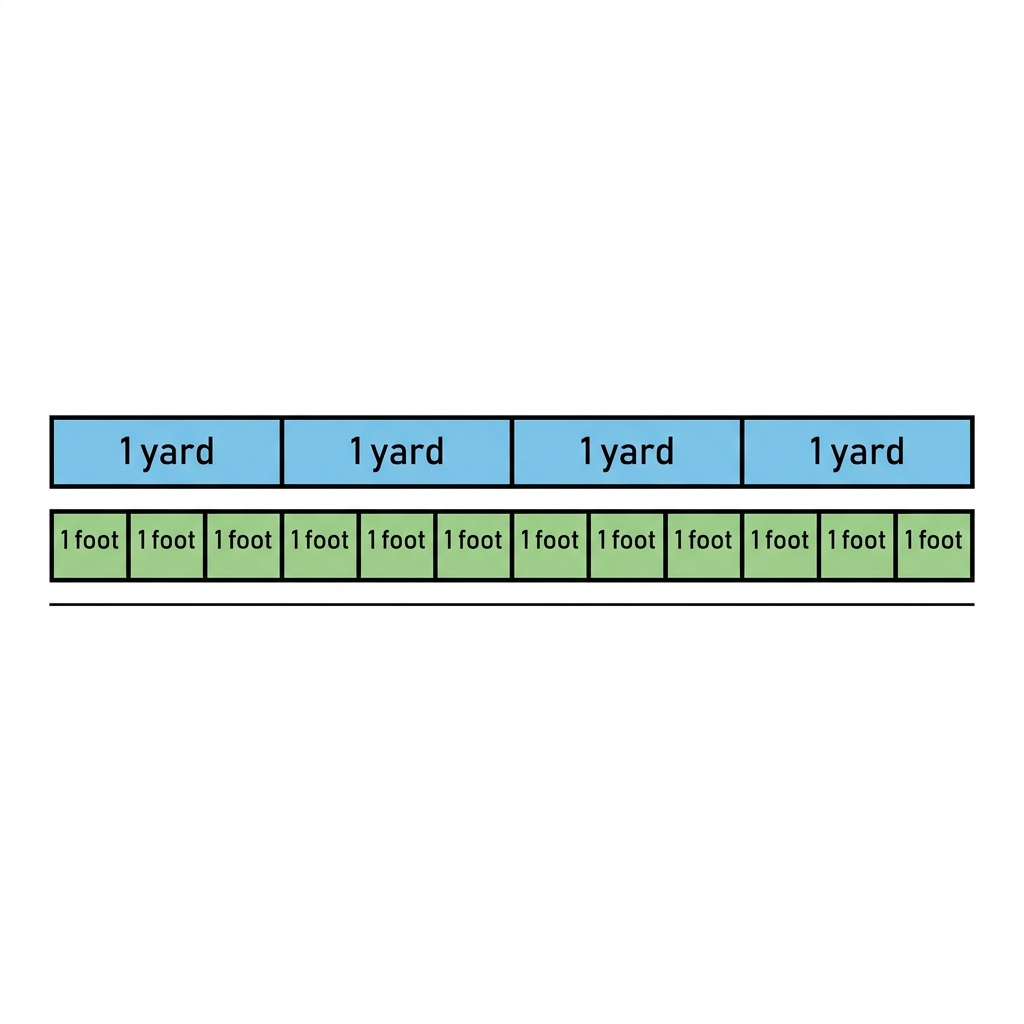
The lesson is aligned to CA.MATH.6.RP.3d, part of the California Common Core State Standards for mathematics in the Ratios and Proportional Relationships domain. The broader standard asks students to use ratio and rate reasoning on real-world and mathematical problems with tools like tables of equivalent ratios, tape diagrams, double number lines, or equations. Part d narrows that to measurement: use ratio reasoning to convert units, and handle the units correctly when multiplying or dividing quantities. That last clause is the part I think teachers underplay. It isn’t enough to get 24; students should know they are getting 24 inches and why.
This is the same standard students work on in Oakland Unified, Poway Unified, Pleasant Valley School District and Sanger Unified, since California sets one version of it for every sixth grade classroom in the state.
Here’s where shaky understanding shows up later. Unit rates come right after this, and they depend on seeing “per one” as a ratio. Proportional relationships in seventh grade build directly on equivalent ratios. And in science classes down the road, converting units by multiplying by a factor and canceling labels is exactly what this lesson starts. The lesson’s own why-it-matters note points to civil engineers using ratios and rates to figure out how much material a bridge needs, which is a decent hook for students who want to know who actually does this.
How I’d use it
One honest caveat: 45 minutes covers one clean example and one practice context. It won’t give students the volume of practice some of them need, so plan follow-up problems with other unit pairs.
It works well for a student who missed the week we introduced conversions, since the lemonade opener rebuilds the ratio idea before asking for anything new. It also fits intervention groups, where the double number line gives struggling students something to point at instead of a rule to memorize. And because it’s self-contained, it’s a reasonable substitute day lesson that won’t leave you reteaching on Monday.
If your students are about to start unit rates, this is the piece I’d make sure is solid first. You can find the sixth grade lesson on converting measurement units with ratios ready to assign.
Related lessons
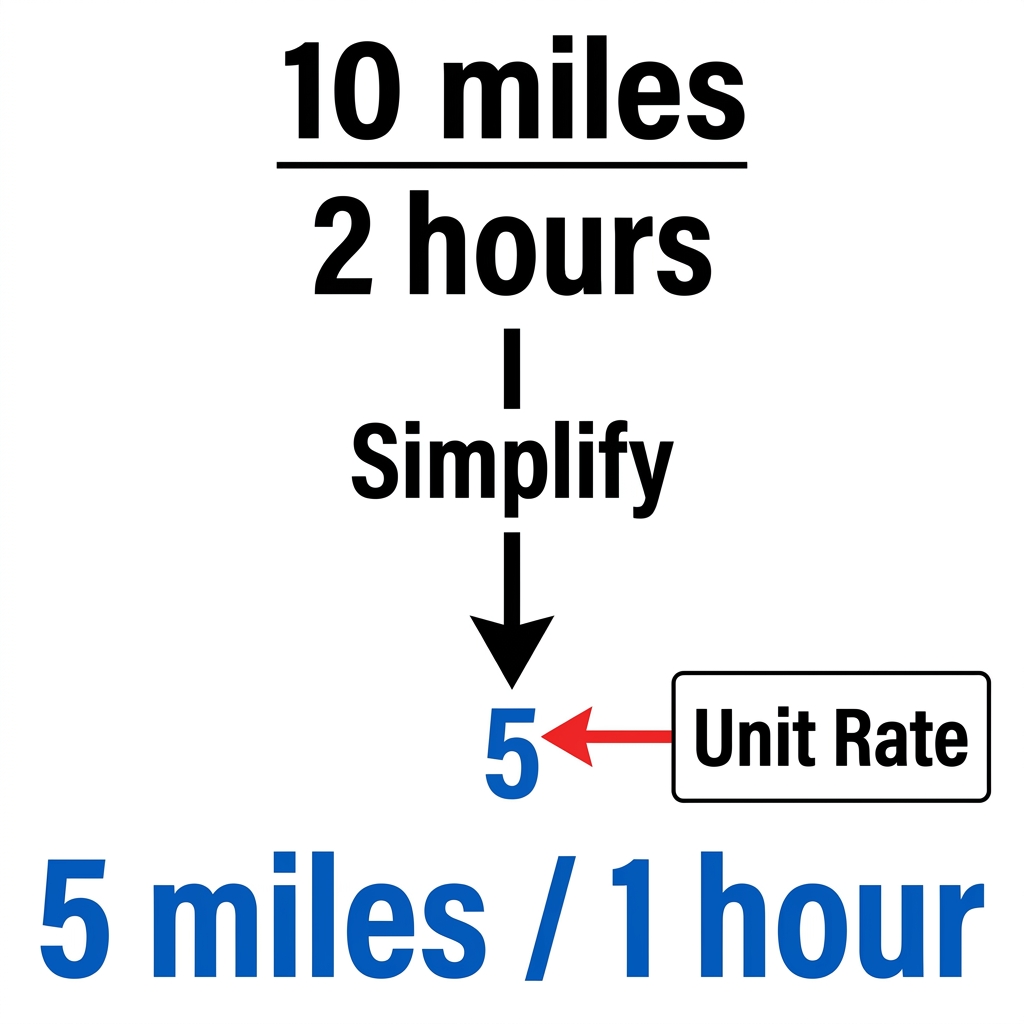
Understanding Unit Rates, Finding and comparing rates expressed per one unit
Solving Problems with Ratios and Rates, Using ratios and rates to work through a range of problems
Making Smart Financial Choices, Applying math to make sensible decisions about money and spending