

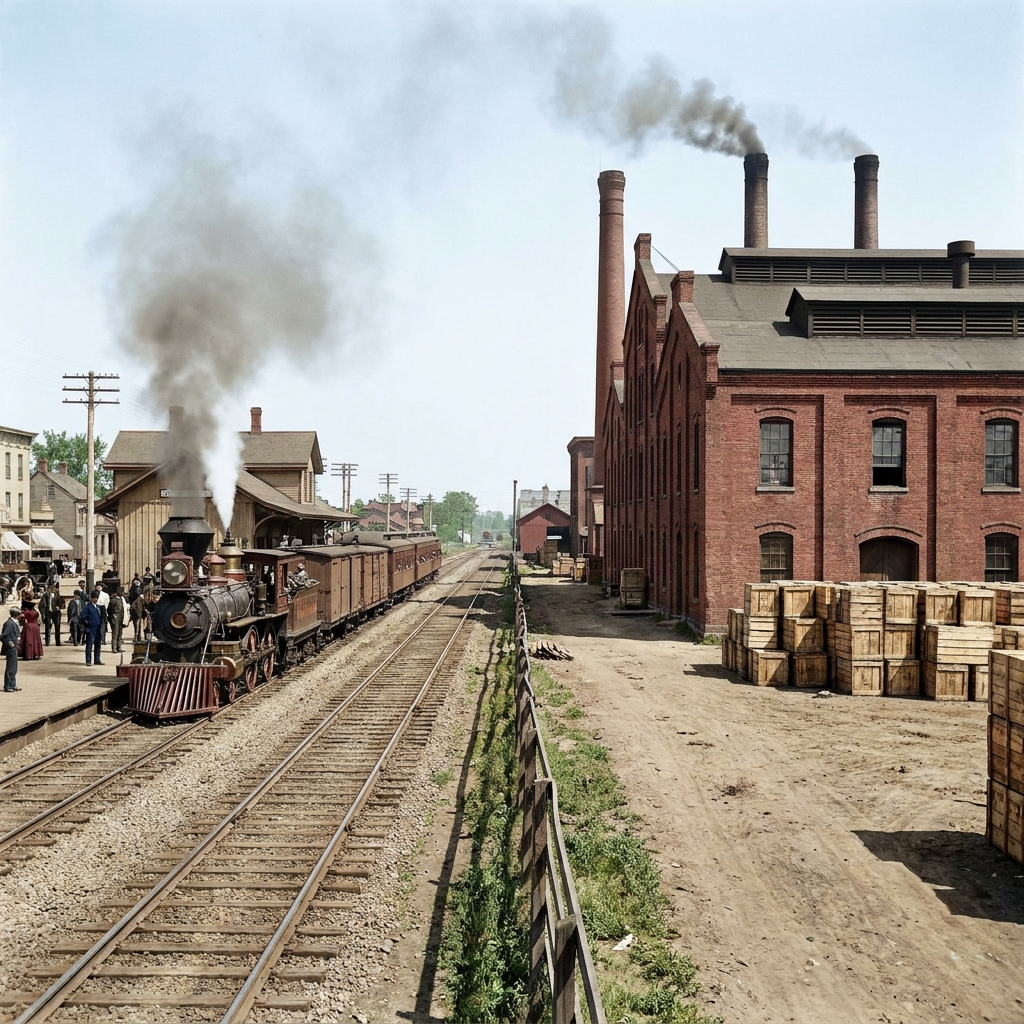
When an 8th grader looks at a historical event, they often see a static fact rather than a moving machine of choices and outcomes. Learning to identify cause and effect is essential for historical analysis. The lesson Connecting Ideas and Events in History helps students see that the bulb is the cause, while increased productivity is the effect. This shift in perspective is exactly what we need when teaching 8th grade English Language Arts. If a student cannot track the way one change in technology or law ripples outward, they lose the narrative thread that defines historical analysis.
How historical connections work
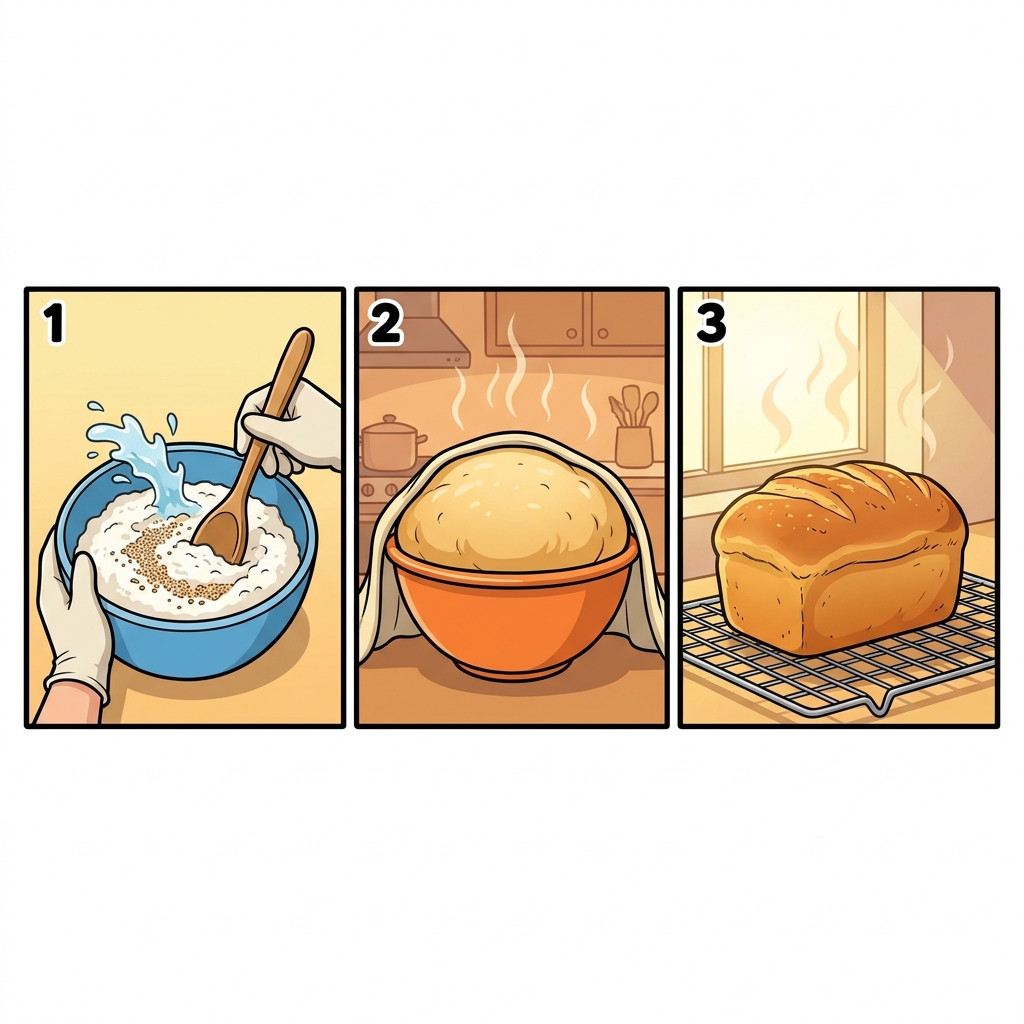
Consider the lightbulb. It is easy to think of it as just a gadget. This specific 8th grade reading informational text lesson is designed to run in about 45 minutes. It provides a structured way to practice identifying cause and effect relationships. The material introduces basic vocabulary: a cause is the event or action that makes something else happen, an effect is the result or consequence that happens because of a specific cause, and a connection is a relationship between two or more ideas, events, or people. By the time students finish, they should be able to look at a process in a text and label the parts with confidence.
Aligning with state standards
The core objective of this lesson is to help students map out how historical events link to one another. It maps directly to the California-adopted standard CA.ELA.RI.8.3. This standard asks students to analyze how a text makes connections among and distinctions between individuals, ideas, or events, specifically using comparisons, analogies, or categories. The California addition to this standard specifically tasks students with identifying key steps in a text’s description of a process related to history or social studies. Teachers in Santa Ana Unified, Capistrano Unified, Oakdale Joint Unified, and Mill Valley Elementary School District all emphasize this standard because it builds the mental architecture required for high school history and advanced reading comprehension.
You will also see references to CCSS.ELA-LITERACY.RI.8.3, which is simply the primary standard’s framework for analyzing those same connections and distinctions. These are treated as a singular teaching goal in this lesson page. When you have a student who misses the week or if you need a reliable plan for a substitute day, this material provides a clear, focused path to meeting these requirements without needing extra context from a long-term unit plan.
Where students often slip
The biggest hurdle for students is the leap from finding a simple cause to explaining the connection. They can usually identify that the railroad allowed people to travel faster. That is the easy part. They struggle when asked to explain how that change in travel time fundamentally altered the way society functioned. The lesson uses the factory system as a secondary example, where the factory acts as the cause and the availability of affordable tea crates acts as the effect. Using concrete examples like this helps ground the abstract concept of historical processes.
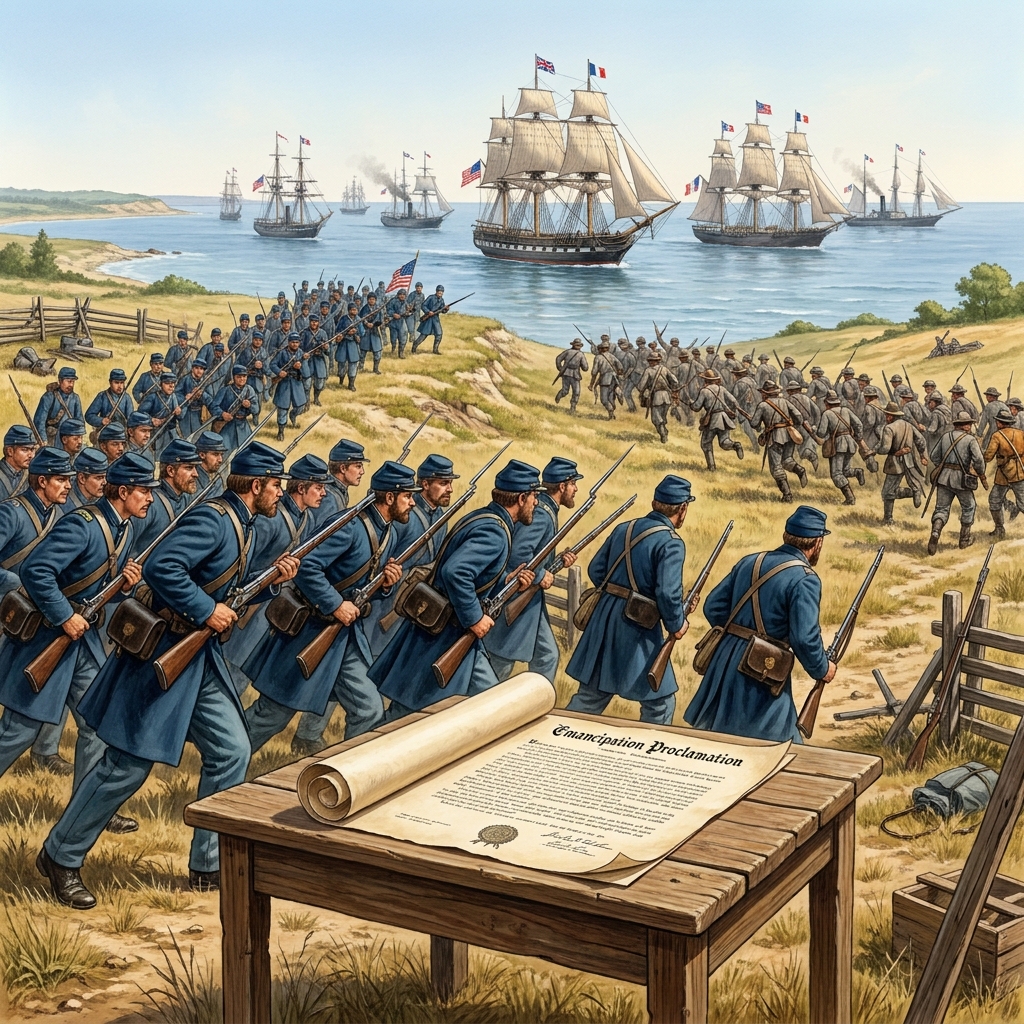
I find that students who skip the practice phase struggle later when they have to analyze complex primary source documents. If they do not practice with these simpler cause-and-effect scenarios, they are left guessing when they hit more dense academic writing. The guided practice in this lesson uses the Homestead Act to give students a chance to apply their skills to westward expansion, which is a perfect intersection of ELA and social studies content. It is a solid, no-nonsense practice opportunity that does not overwhelm the class with too much fluff.
Practical classroom implementation
This resource fits well as a whole-class assignment or as a targeted intervention for those who missed early instruction on text structure. If you are preparing for a substitute day, having a clear objective like identifying causes and effects makes the work manageable for someone who might not know your classroom routine. The lesson explains that understanding how a new law is passed helps a student see how policy changes affect daily life, which gives them a real reason to care about the text in front of them.
The material does not just stop at naming definitions. It forces the student to trace the line from the start of an event to its conclusion. When students see history as a chain of reactions, their comprehension of informational text changes. They stop scanning for random names and dates and start looking for the evidence that proves why history unfolded the way it did. This is a quiet, steady way to build analytical stamina.
Related lessons

Analyzing Central Ideas in Literary Nonfiction, Teaches students to find the main idea in nonfiction texts
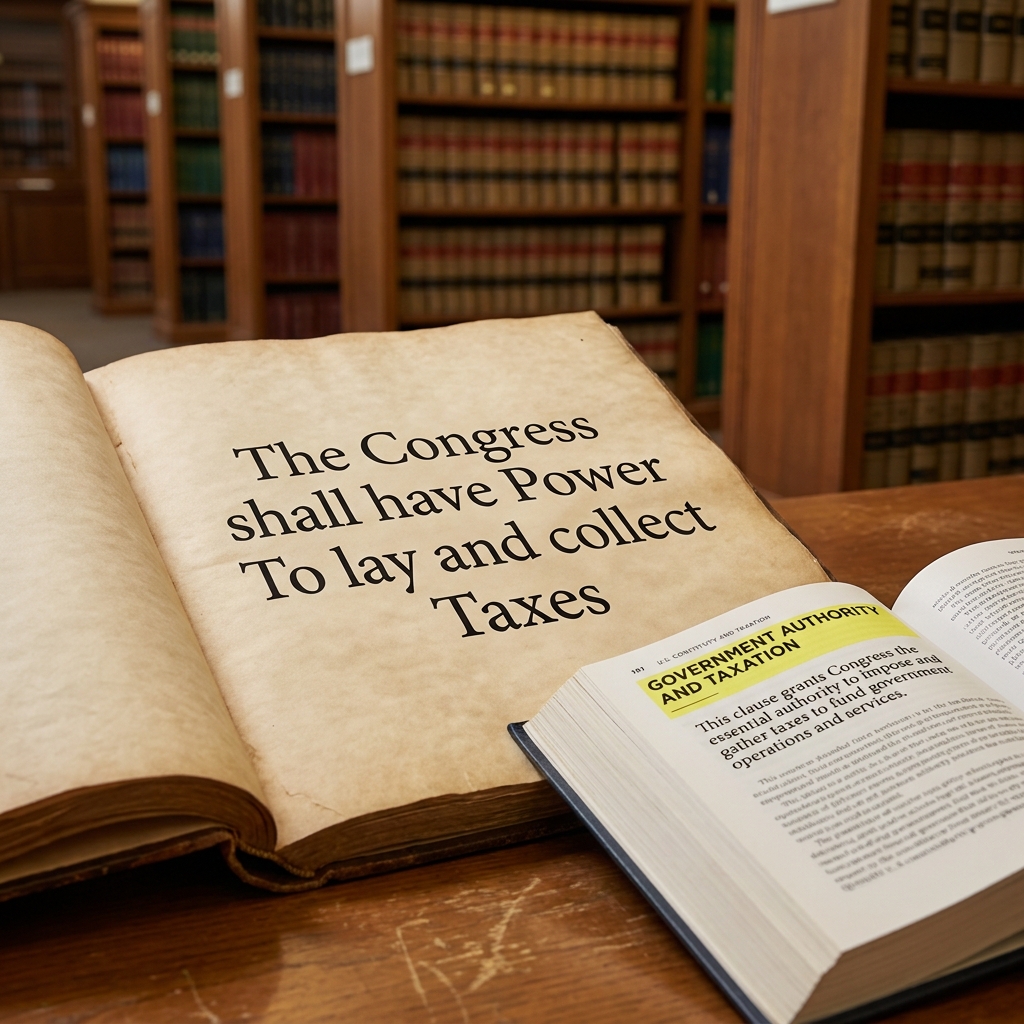
Using Evidence to Analyze Sources, Shows how to support historical analysis with textual evidence
Choosing the Best Way to Share Information, Helps students determine effective formats for presenting historical facts