

Teaching 8th grade ELA students to move beyond memorizing dates and names requires a specific approach to reading literacy. By focusing on how historical and civic processes function, educators can help students decode complex texts and identify the logical order of events that shape historical outcomes.
Breaking down the process of historical literacy
This 8th grade ELA lesson is built for students who are ready to move past just reading facts and start understanding the mechanics of how history actually happens. When I taught 8th grade, I often found that my students could tell me what happened in a historical event, but they struggled to explain how it moved from point A to point B. If you are looking for a focused activity to clear that hurdle, Mapping Historical Processes provides the scaffolding they need to map out civic and historical events logically.

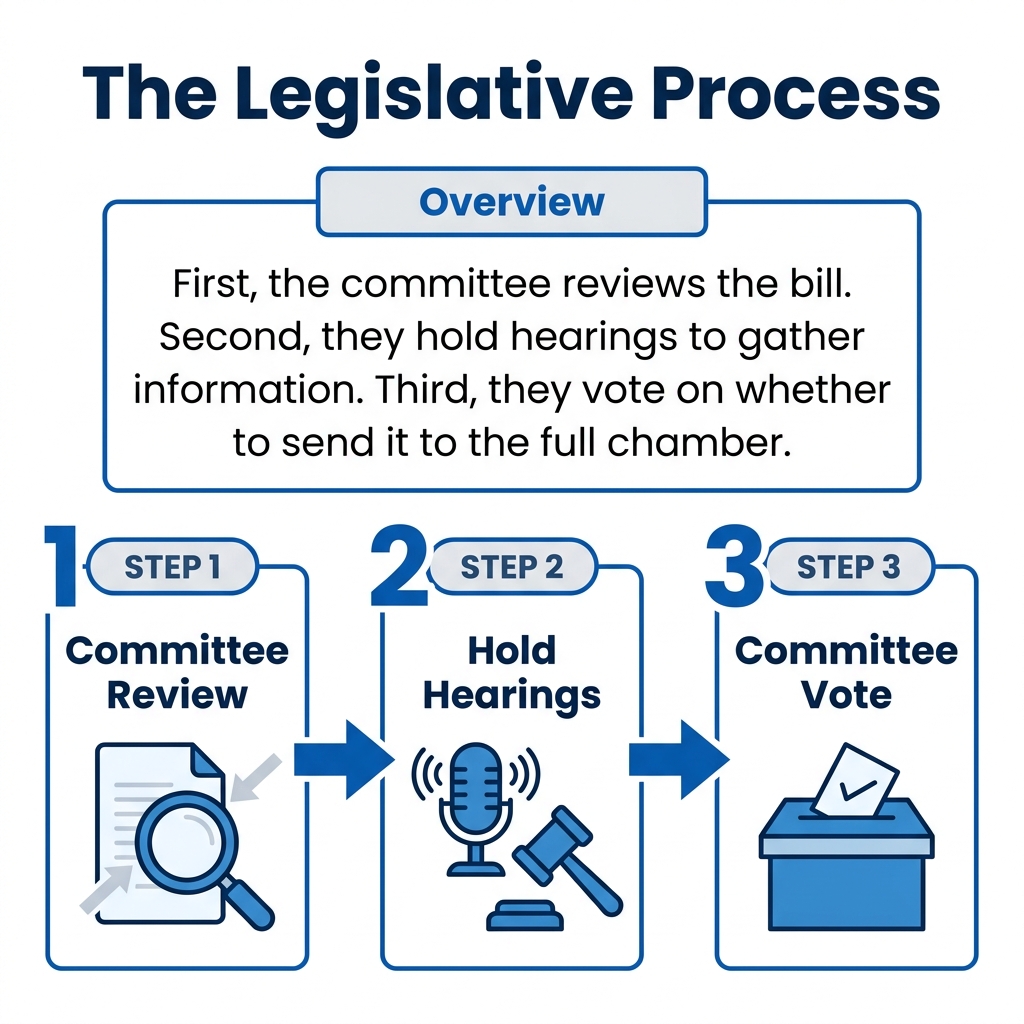
The lesson asks students to identify the specific steps in a process as described in a text. It uses the example of how a bill moves through Congress to show that progress is rarely random. The material explains, “First, the committee reviews the bill. Second, they hold hearings to gather information. Third, they vote on whether to send it to the full chamber.” By breaking down these interactions, students begin to see that historical texts are often just roadmaps for how things get done, whether that is passing a law or adjusting economic policy.
The standard behind the work
This lesson directly addresses CA.ELA.RH.6-8.3, which asks students to identify key steps in a text’s description of a process related to history or social studies. Teachers in Fontana Unified, Sacramento City Unified, Corcoran Joint Unified, and Santa Clara Unified all work toward this same California-adopted standard. It is not just about memorizing facts. The standard requires students to distinguish between the background information and the actual progression of actions that lead to a specific outcome. It demands that a student can isolate the sequence, identify the actors, and recognize the result of each step.
Vocabulary that builds clarity
To help students talk through these ideas, the lesson emphasizes three core terms. A process is defined as a series of actions or steps taken to achieve a particular result, while sequence refers to the specific order in which those steps happen. Finally, the term legislative is used to ground the work in the reality of law-making. These words provide the structure students need to avoid getting lost in a long paragraph. When a student knows exactly what to look for, they spend less time rereading and more time analyzing the structure of the argument.
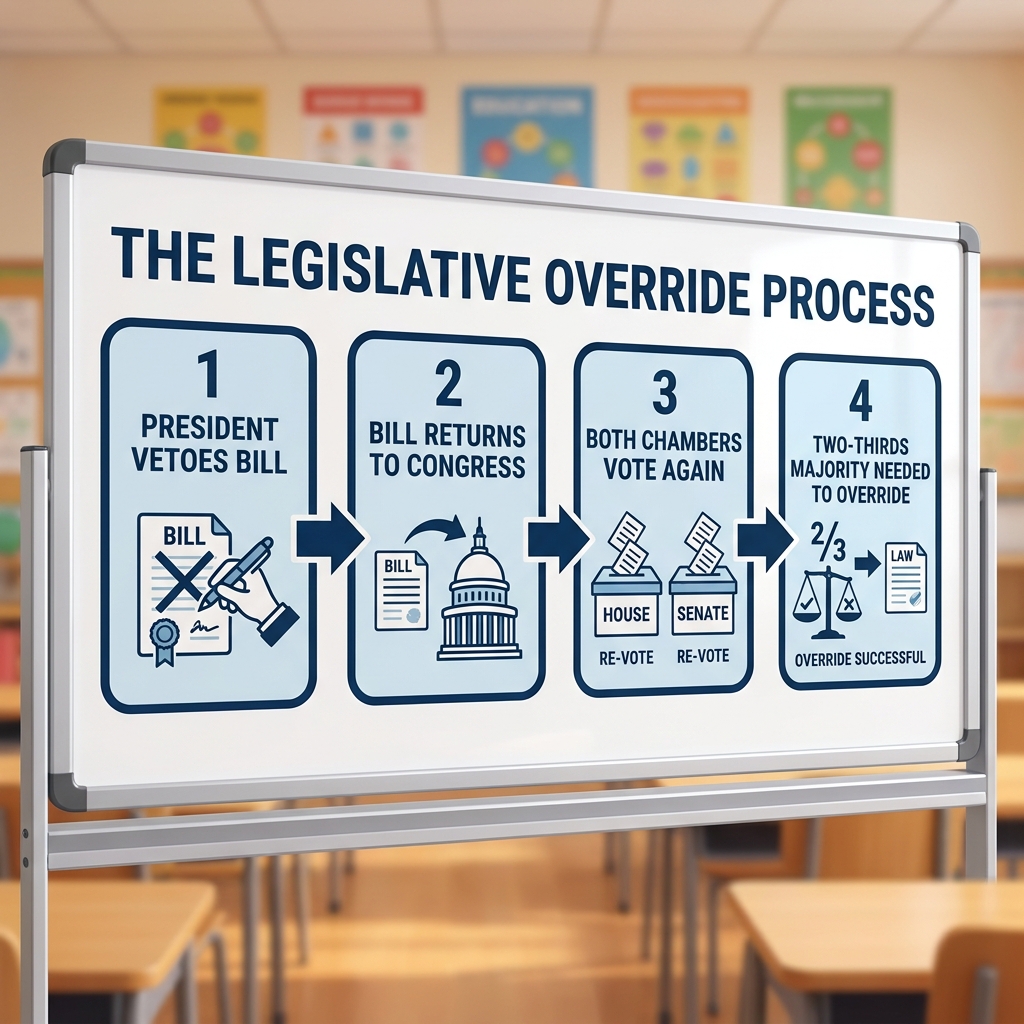
I usually use this for whole-class instruction at the start of a unit on government. It also works well for a student who missed the week, as it is self-contained and takes about 45 minutes to complete. If you are struggling with a student who is not reading carefully, this 8th grade history reading lesson acts as a reliable intervention to help them organize their thoughts.
Where students slip
The most common place I see students stumble is in the guided practice section, where they look at how the Federal Reserve lowers interest rates. It is an abstract concept, and students often want to jump straight to the conclusion that the economy will grow. The lesson forces them to slow down and map the actual actions taken by the Fed to reach that point. My advice is to let them struggle a bit with that sequence before helping them finalize their flowcharts. The goal is to make them realize that every historical change has a set of causes and a specific order of events. Once they see that pattern, they can apply it to almost any complex historical text they encounter throughout the school year.
Related lessons
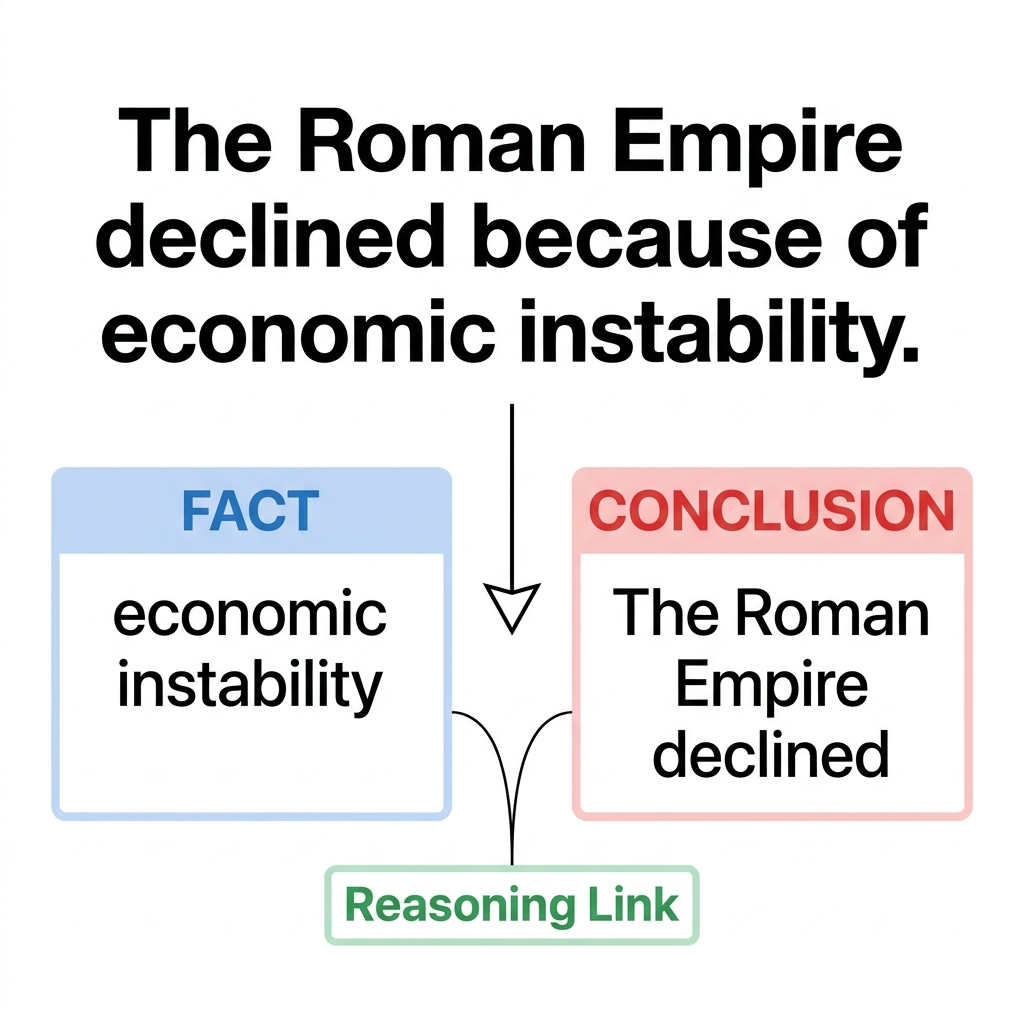
Fact, Opinion, and Reasoned Judgment, Distinguishing between factual claims and subjective opinions in historical writing
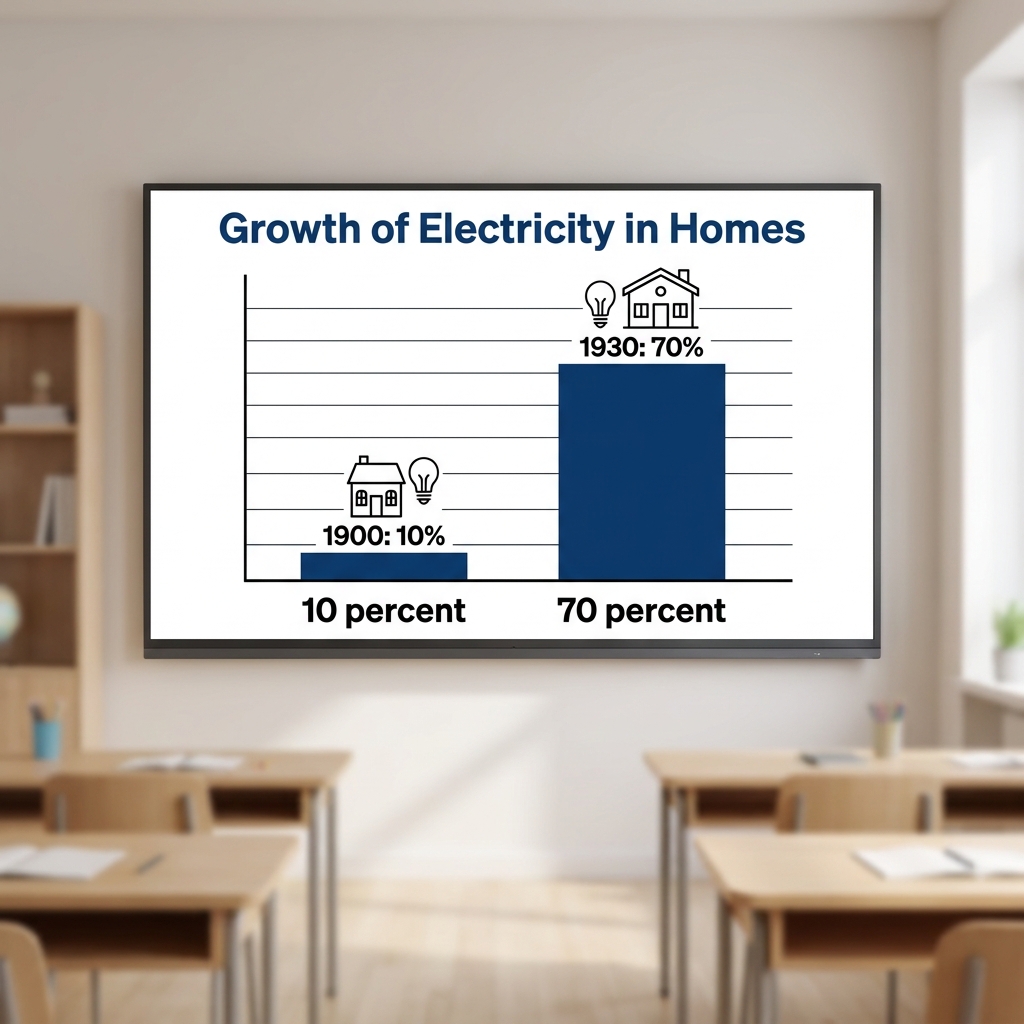
Citing Evidence from Sources, Using primary and secondary sources to support historical arguments

Distinguishing Central Ideas from Opinions, Identifying the main points versus individual perspectives in text