

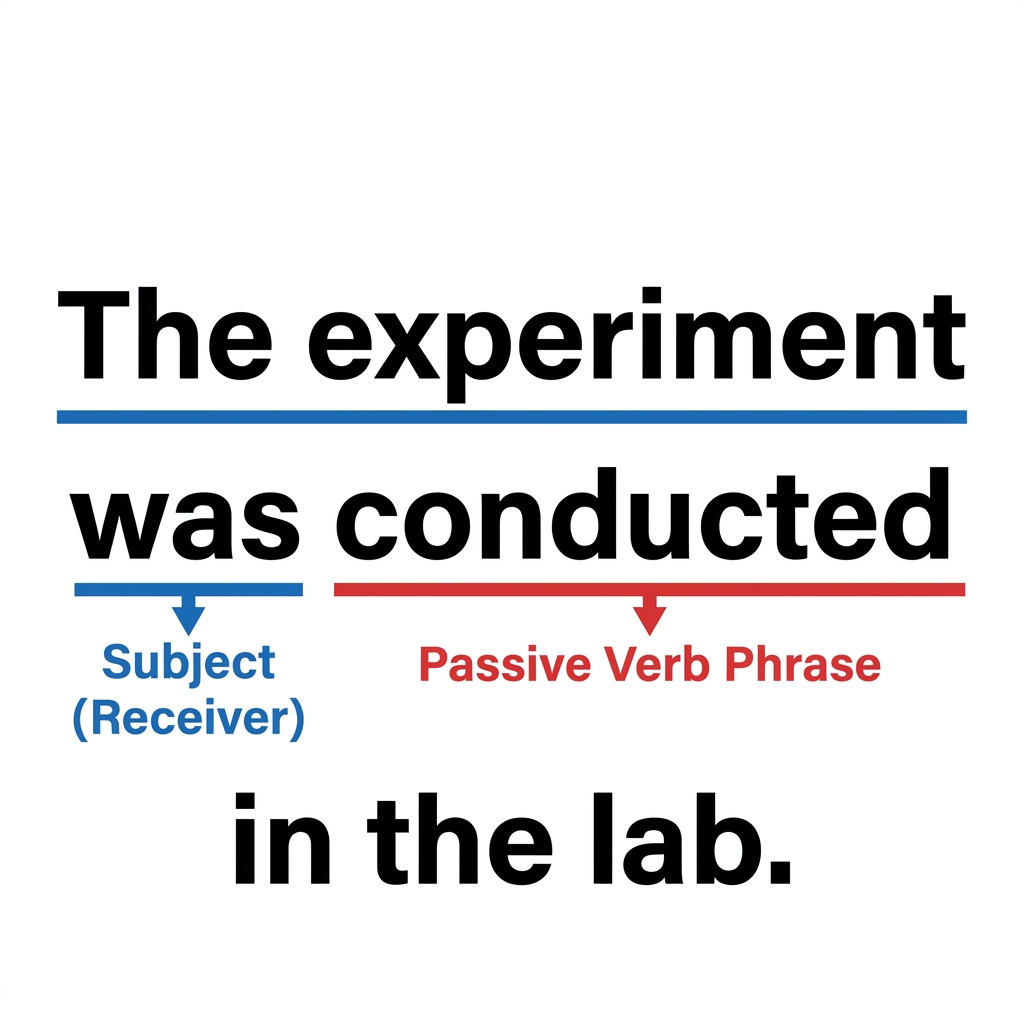
Eighth graders often treat active voice as just a stylistic choice rather than a tool for clarity. They tend to write in a passive, detached way when they think they are being formal. It sounds as if they are trying to hide behind their words. This is where Mastering Tone and Clarity in Formal Writing comes in. It helps students understand that formal writing is not about being vague or passive, but about choosing the right structure to make their point.
How students get trapped by formality
Students usually copy the tone they encounter in textbooks or corporate emails. They think that if a sentence sounds heavy or distant, it must be formal. For example, a student might write that a report was written by them rather than saying they wrote the report. This lesson works to undo that assumption. It frames formal communication as a way to be direct and precise rather than being overly wordy. The lesson uses a scenario where a student needs to write a letter to a principal to request a change in library policy. This is a relatable context where clear, respectful, and authoritative language is necessary to get a result.

The standards and why they matter
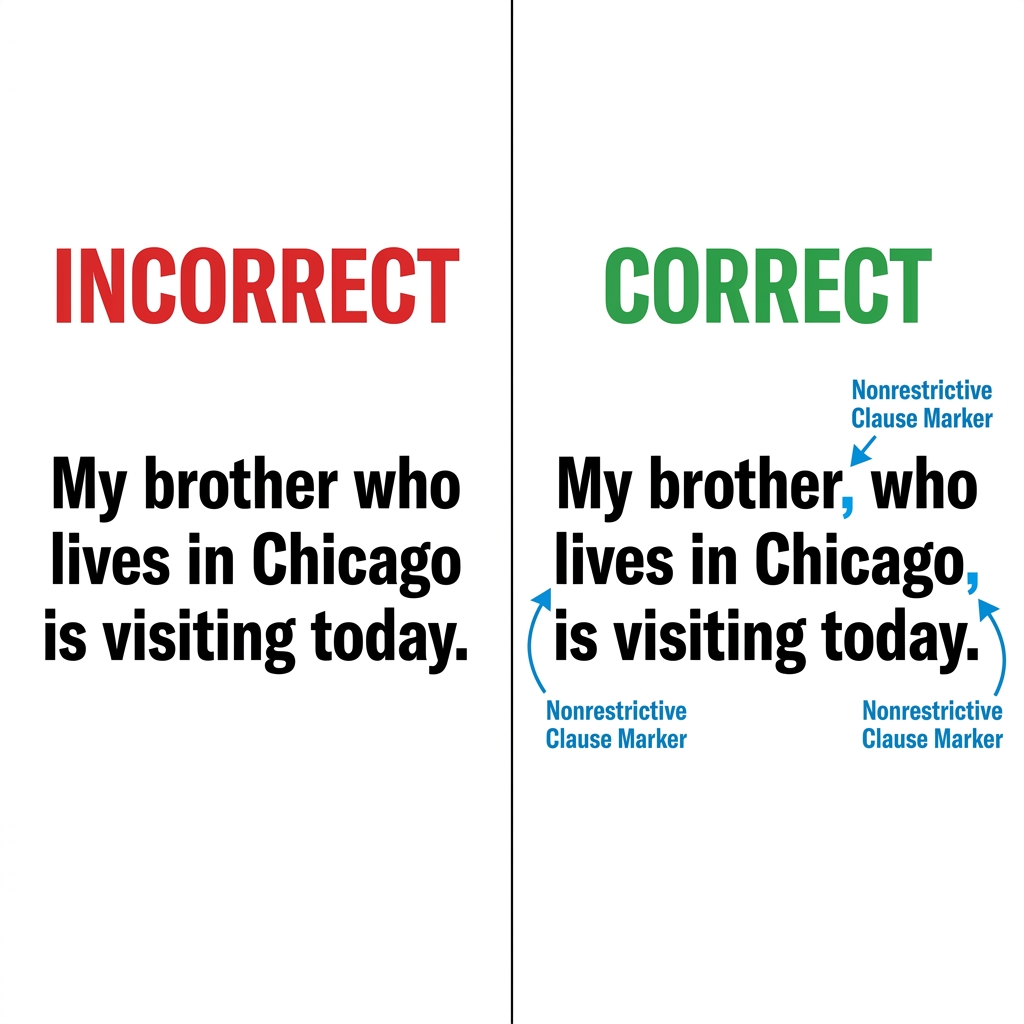
The lesson aligns with CA.ELA.L.8.3, which asks students to control their language conventions depending on the task. The standard specifically calls for the use of active and passive voice and the conditional and subjunctive mood to achieve particular effects. It also covers the use of punctuation, such as commas and dashes, to set off nonrestrictive or parenthetical elements. This set of expectations is common across California districts including Santa Ana Unified, Riverside Unified, Menifee Union School District, and Bishop Unified. The lesson also supports CCSS.ELA-LITERACY.L.8.3, which serves as the overarching guide for demonstrating command of language in speech and writing.
Understanding these grammatical tools helps students read news and stories more critically. When a journalist uses passive voice, they might be trying to obscure who is responsible for an action. When they use nonrestrictive elements, they are adding layers of context that help a reader understand the full picture. Learning to spot these techniques gives students an edge in their own research and analysis.
What the lesson covers
The formal writing verb structure lesson introduces essential vocabulary to build this foundation. Students encounter the following terms: Active Voice, Passive Voice, Conditional Mood, Subjunctive Mood, and Nonrestrictive Element. Active voice is a sentence structure where the subject performs the action of the verb. Passive voice is a sentence structure where the subject receives the action of the verb. Conditional mood expresses a condition or possibility, while subjunctive mood is used to express a wish, a command, or a hypothetical situation. A nonrestrictive element is a phrase or clause that adds extra information without changing the core meaning of the sentence.
The worked example in the lesson is particularly helpful. It explains that in the sentence The report was written by the student, the passive voice is used because the report is the subject, but it is receiving the action of being written. It emphasizes the report itself. During guided practice, students analyze a biography excerpt about a famous inventor. This provides a clear, real-world application of how descriptive clauses function in a narrative. The lesson is well-suited for a whole-class assignment, a student who missed the week, or an independent study session.
Related lessons
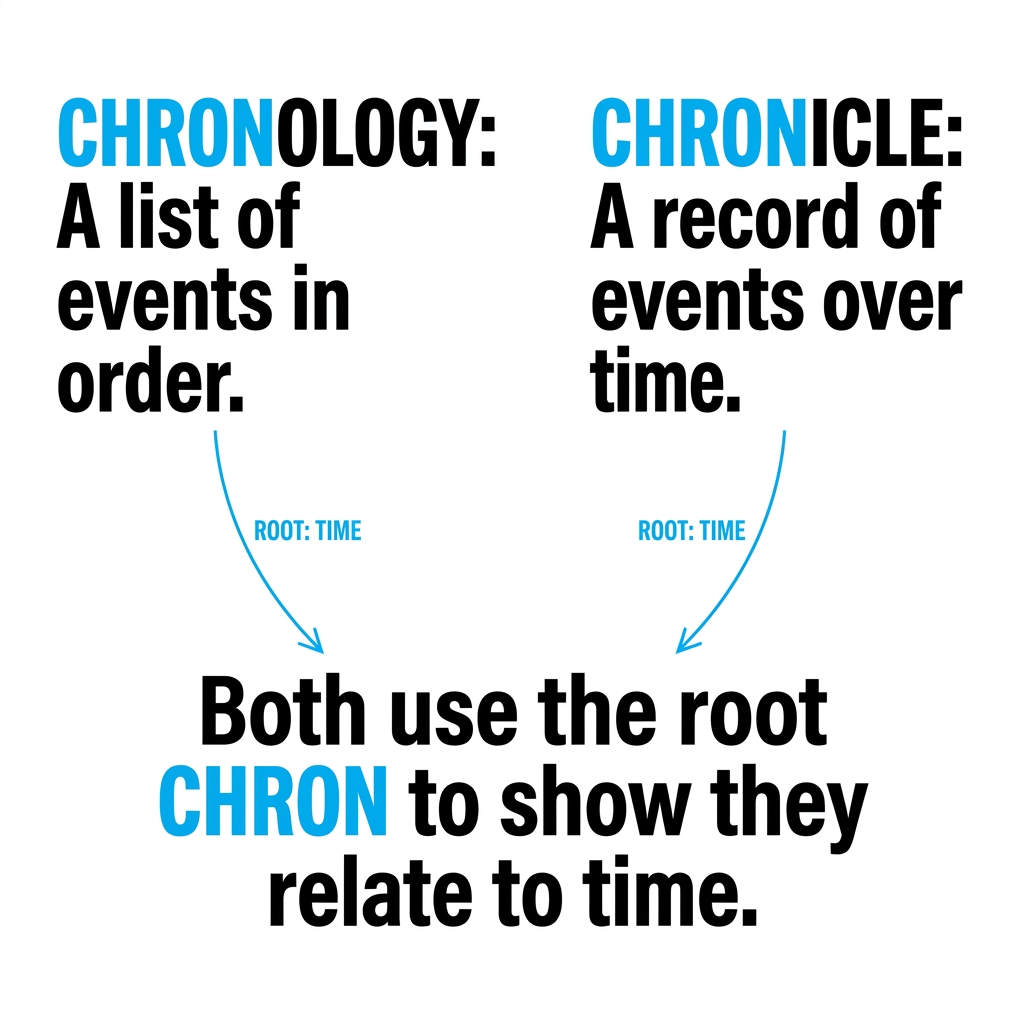
Decoding Complex Words, Teaches strategies for breaking down and understanding difficult academic vocabulary
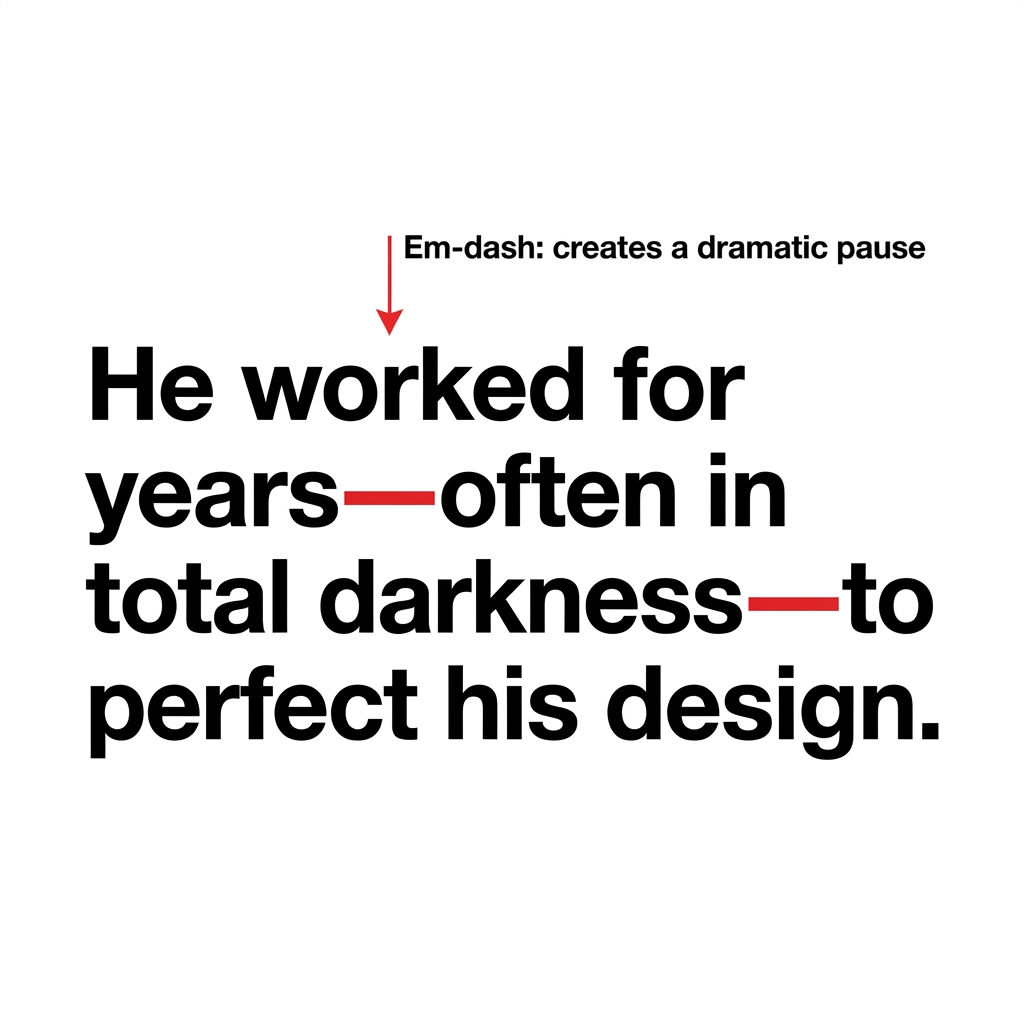
Mastering Punctuation for Clarity and Flow, Focuses on correct comma and dash usage in academic sentences
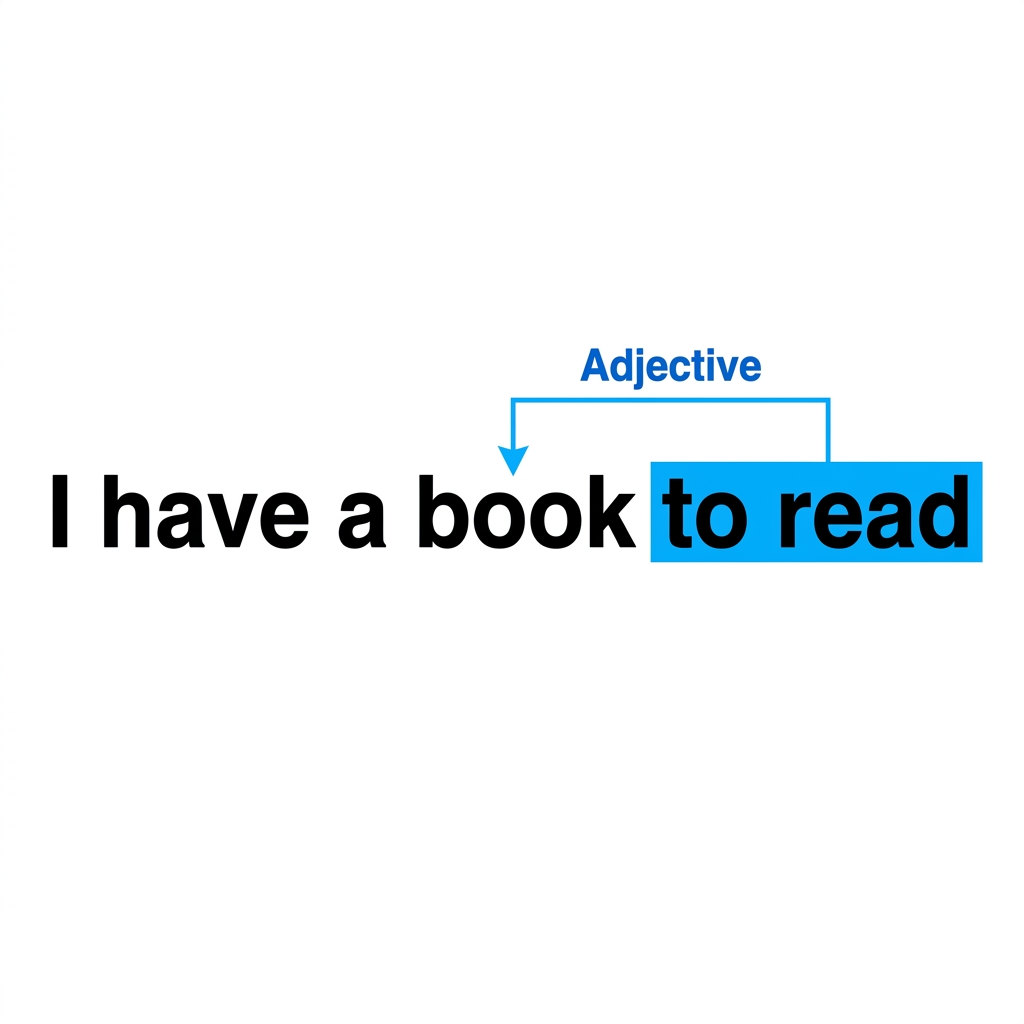
Mastering Verbals, Voice, and Mood, Deepens knowledge of advanced verb forms for better sentence variety