


By the time your sixth grade science class reaches the engineering design unit, they are usually ready to move beyond simple building tasks. They have likely spent weeks tinkering with structures, but this is the moment where we ask them to stop building and start thinking like professionals. This specific Evaluating Engineering Designs lesson works best after students have already established the basics of what an engineer does.
Using structured comparisons in science
Teachers in districts like Desert Sands Unified, San Ramon Valley Unified, Fowler Unified, and Delano Union Elementary School District follow the same state standards for this topic. It is helpful to get ahead of this requirement early in the semester, especially for students who struggle with the analytical side of physical science. Using a clear, step-by-step process keeps the abstract nature of design evaluation grounded for your sixth graders.

Understanding the core standard
The core of this lesson is CA.MS-ETS1-2, which asks students to evaluate competing design solutions using a systematic process to determine how well they meet the criteria and constraints of the problem. This is a tall order for an eleven-year-old. The standard expects them to look at two or more possible solutions to the same problem and judge them objectively rather than just picking their favorite.
The lesson breaks this down into three vocabulary terms that students must use. Criteria are the goals or requirements that a design must meet to be successful. Constraints are the limitations or restrictions on a design, such as budget, time, or available materials. Systematic evaluation is a step-by-step process used to compare different designs to see which one best meets the goals and limitations of a project. When you use this 6th grade engineering design lesson, you are giving them the language to move past guessing.
The logic of real-world constraints
What I appreciate about this material is the focus on trade-offs. The lesson uses a classroom shelf as an opener. It needs to hold 10 kilograms of books and stay under a 50 dollar budget. This keeps the stakes low enough that students can actually calculate the variables without getting overwhelmed. They learn that every design has a price, whether in dollars or in physical performance.
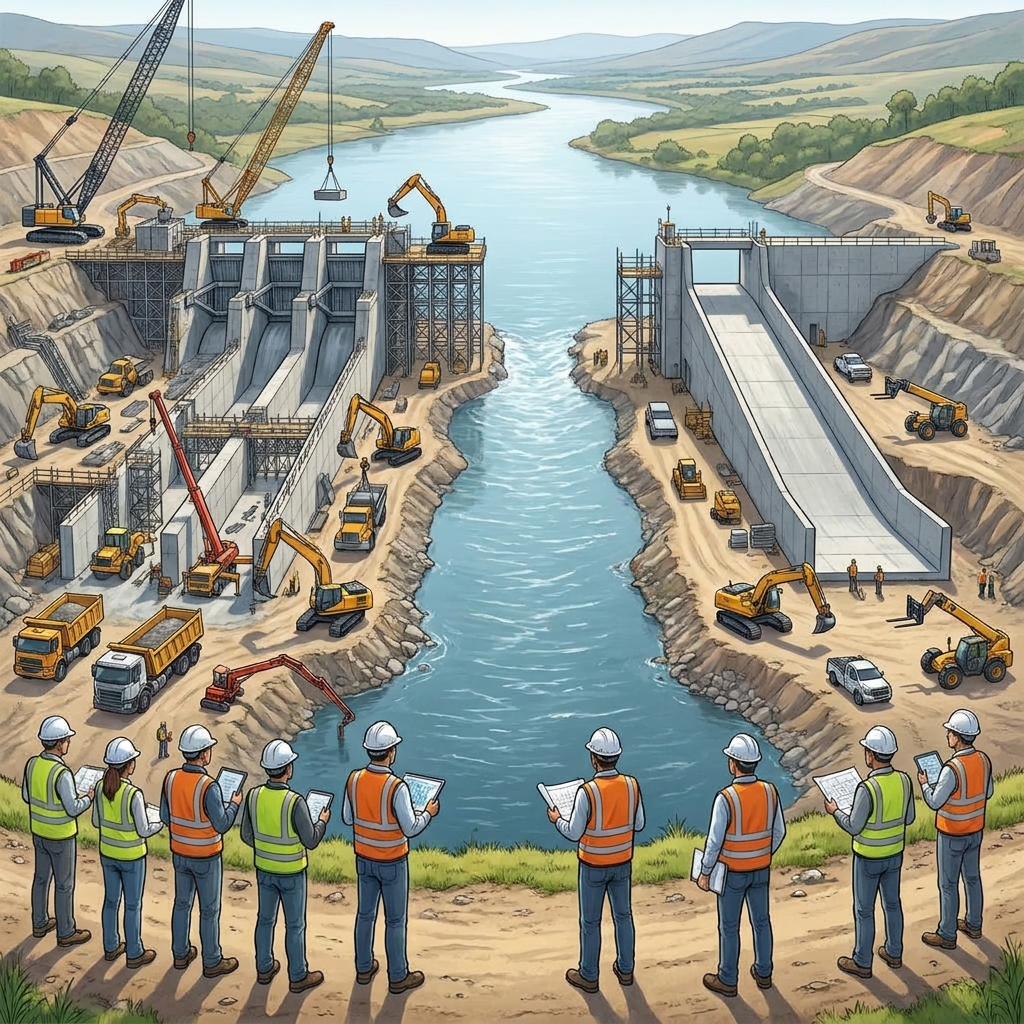
The lesson also touches on California-specific engineering challenges, including seismic retrofits for local infrastructure. In the guided practice, students weigh two options for a bridge seismic retrofit. Option 1 uses new concrete at a cost of 1 million dollars. Option 2 uses steel cables at a cost of 2 million dollars. Both options meet the technical safety requirements, which forces students to identify that the choice must be made based on the budget constraint rather than just safety alone. It is a subtle but vital lesson in professional decision-making.
Where students slip
The hardest part for students is the concept of trade-offs. They often want one solution to be clearly better in every way, but engineering is rarely that simple. A design might be stronger but too expensive, or cheap but less durable. If a student tries to avoid making a choice by saying both are just fine, they are missing the point of the evaluation. Your job is to push them to articulate why one option fits the criteria better than the other based on the provided constraints. When they have to justify their choice to you, they are doing the real work of an engineer.
This material fits well as a whole-class assignment to introduce the concept of trade-offs or as an independent study module for a student who missed the week during your design project. It is structured enough that a substitute could easily manage the 45-minute runtime while the class maintains their momentum in the unit.
Related lessons
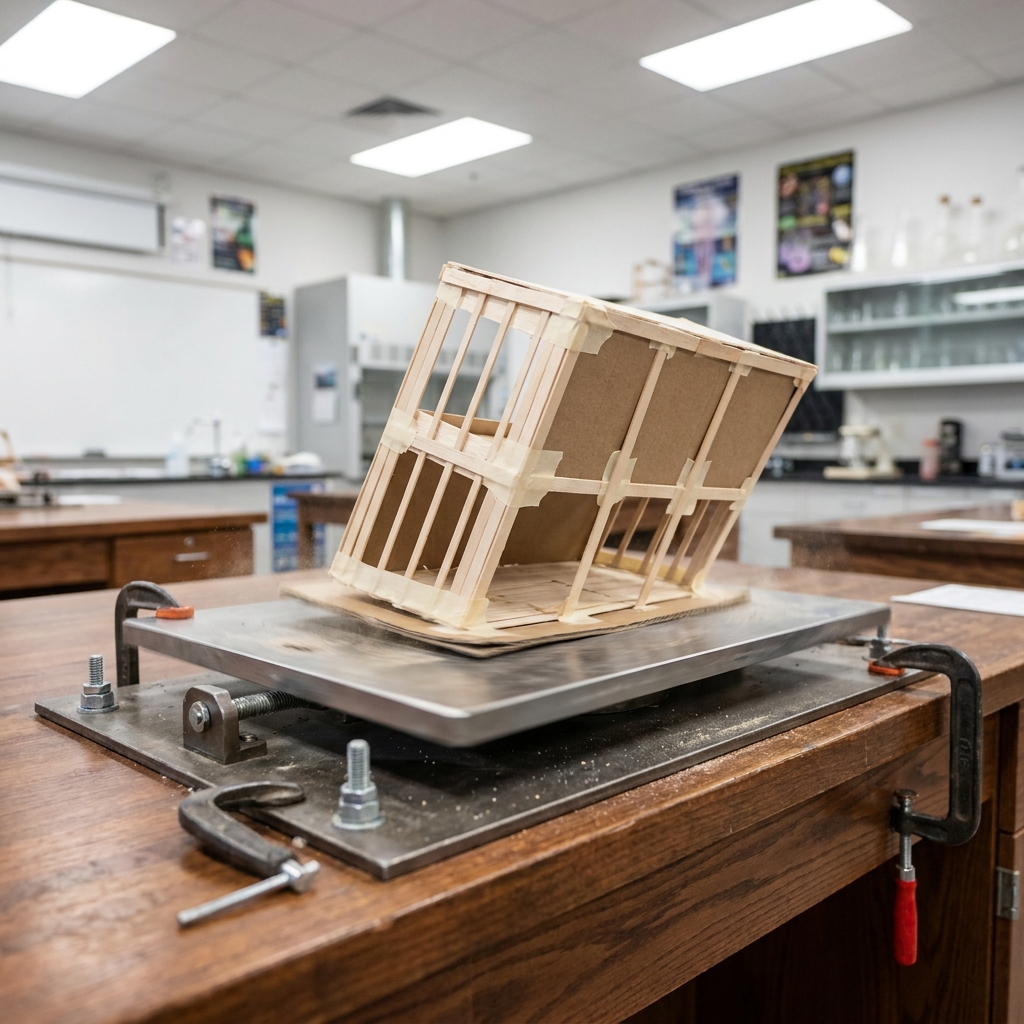
Designing Better Solutions, Strategies for improving and refining initial engineering design concepts

Optimizing Engineering Designs, Adjusting design parameters to reach peak functional performance metrics

Defining Engineering Design Problems, Identifying core objectives and constraints in complex design scenarios