

The most common mistake I see in high school biology classrooms is the assumption that students inherently understand the difference between simply growing larger and becoming more complex. They often conflate mitosis with differentiation as if they are the exact same mechanism, rather than two separate, essential processes. I have seen countless students describe a tree getting taller as just more cells, without accounting for the fact that those cells must eventually take on unique jobs to keep that tree alive. If you are teaching high school biology this semester, you might find that Growing and Changing: From Zygote to Redwood is the exact resource you need to clear up that confusion.
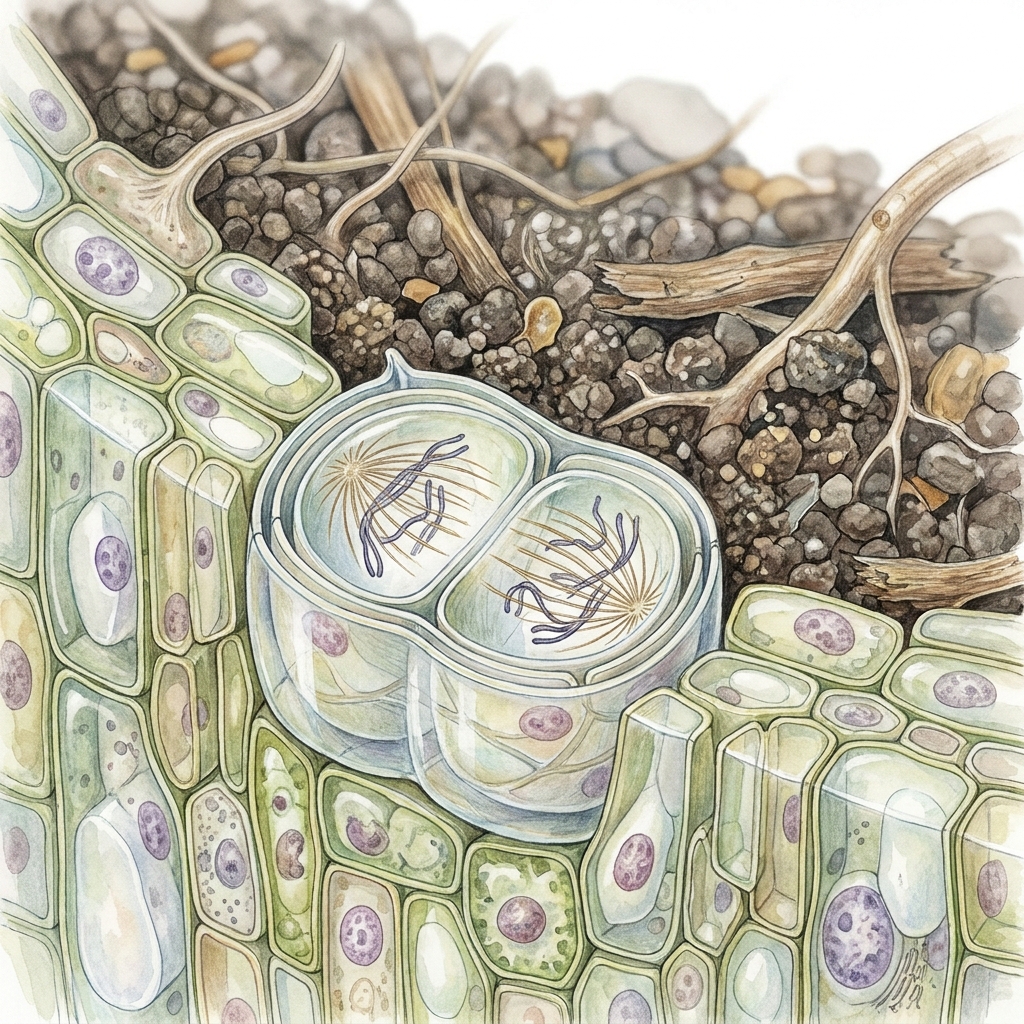
This is a solid, direct lesson designed for high school students, specifically within the biology and life science curriculum. It addresses how complex living things are formed and sustained through cellular activity. The material introduces the zygote as the starting point of an organism, defining it as a single cell formed by the union of two gametes. From there, the lesson moves into the mechanics of growth. It is quite straightforward about the required vocabulary: mitosis, which is a type of cell division that results in two daughter cells each having the same number and kind of chromosomes as the parent nucleus, and differentiation, the process by which less specialized cells, such as stem cells, develop into more specialized cells with distinct functions.
What the lesson actually asks students to do
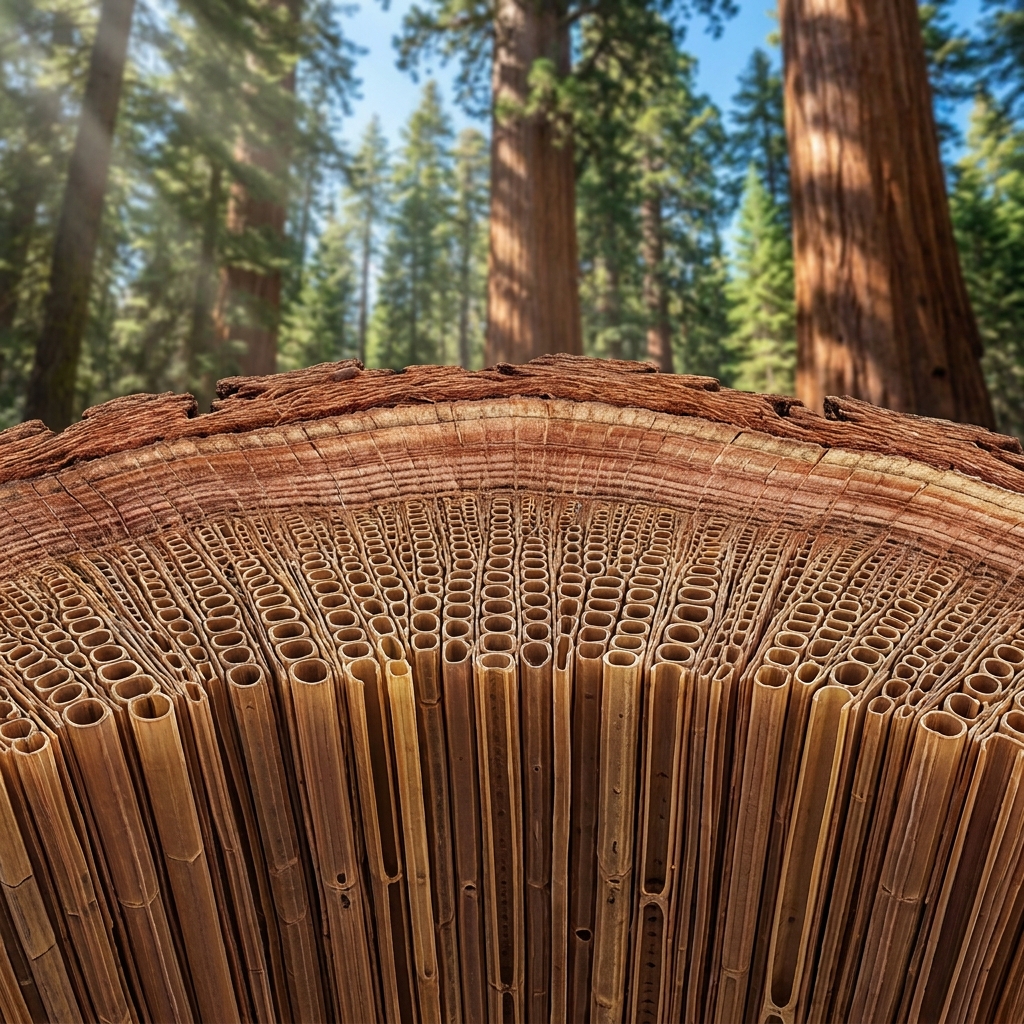
This high school biology cell division lesson does more than just define terms. It forces students to look at a concrete example of a redwood tree to see these processes in action. The lesson uses xylem cells as a primary example. It explains that these cells become long and hollow to move fluid efficiently, which is a perfect instance of differentiation because the cells have changed their structure to perform one specific, vital task. Students spend about 45 minutes walking through these concepts, ensuring they can explain how a single cell builds a functioning, complex organism.
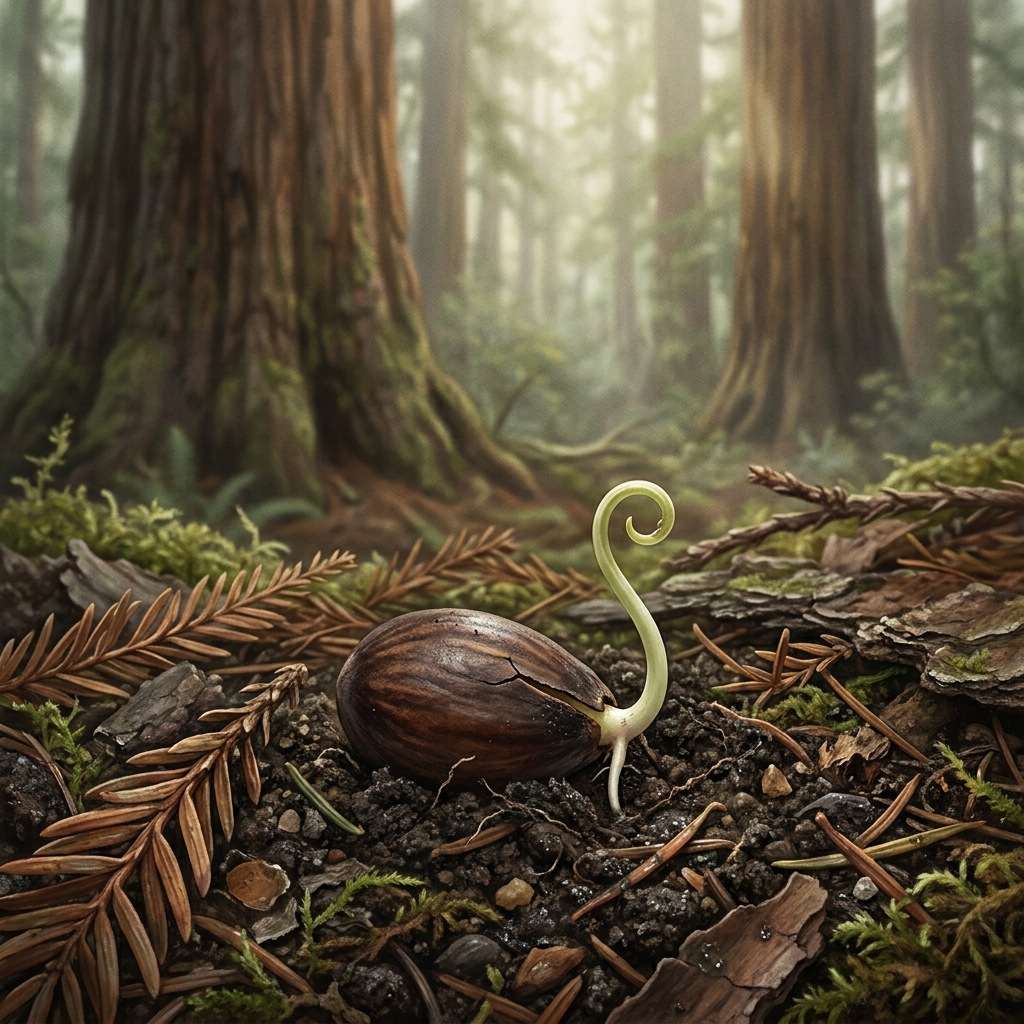
The standard addressed here is HS-LS1-4, which is a California-adopted standard. This standard asks that students use a model to illustrate the role of cellular division and differentiation in producing and maintaining complex organisms. It is a fundamental part of the curriculum across the state, including in classrooms in Manteca Unified, San Jose Unified, El Rancho Unified, and Eureka City Schools School District. This standard is not just about memorizing the stages of the cell cycle, but about understanding the biological purpose behind those stages. It ties the microscopic work of the cell to the macroscopic survival of the organism. When we talk about how trees heal themselves after a fire, we are discussing mitosis in a real-world, messy, and important context. The lesson explains that as the tree produces new, fresh cells over the damaged area, it continues to support carbon sequestration, defined as the process by which trees capture and store atmospheric carbon dioxide. It is a fantastic way to link cellular biology to the environmental science goals that our state pushes for in our classrooms.
Where students slip
The part that consistently trips students up is the jump from the abstract model to the environmental impact. Because mitosis and differentiation allow forests to maintain robust, specialized tissues, healthy ecosystems act as vital carbon sinks, and students often struggle to keep that connection clear. They want to focus only on the anatomy of the cell and forget the ecological consequence. If you have students who are struggling with this, remind them that the specialization of the xylem isn’t just a textbook fact. It is a functional requirement for the tree to grow tall and survive, which in turn allows it to capture and store carbon. If the cells did not differentiate, the tree would be a mass of uniform, inefficient cells that could not support life at scale.
I recommend using this lesson for a few specific purposes. It works beautifully as a whole-class assignment when you are introducing the life science unit. It is also excellent for a student who missed the week, as it provides a self-contained explanation of the core concepts that a student can manage independently. If you have a day where you need a high-quality substitute day activity, this works well because the logic of the lesson is very linear and easy for a student to follow on their own. The provided scenario about the damaged Sequoia tree gives them something grounded to think about while they work through the more technical definitions. It avoids the fluff that usually fills up these kinds of resources and gets straight to the point.
Keep an eye on how they handle the model aspect. The lesson asks them to think about how these cellular changes accumulate over time. If a student can explain why a tree needs specialized tubes to transport water, they have already mastered the hardest part of the standard. When you are planning for the week, look for opportunities to ask them where else they see differentiation happening in nature. It helps to keep the focus on the biological reality rather than just the vocabulary on the page. It makes for a much more memorable lesson when they can link the microscopic biology to the massive trees they see in our own state forests.
Related lessons
Environmental Change and Species Survival, Studies how environmental shifts impact the survival of diverse species
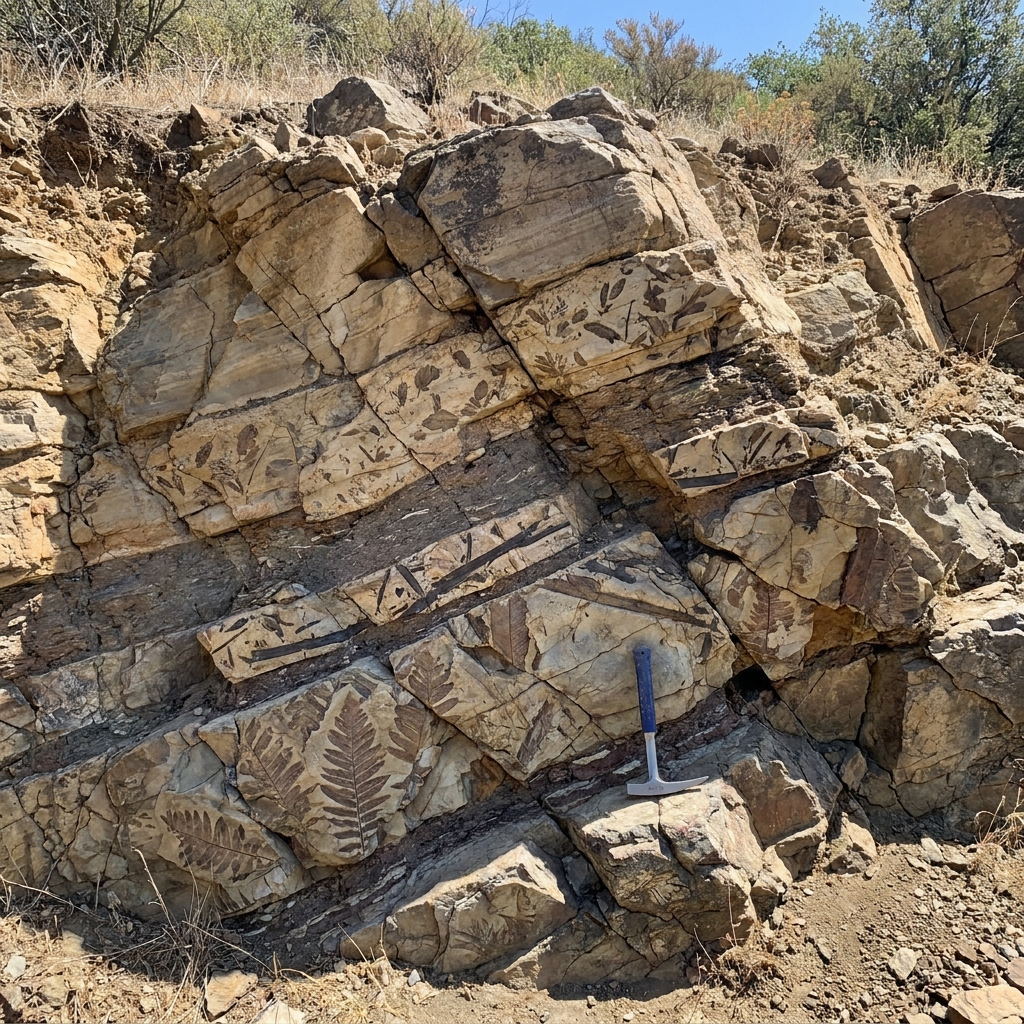
Evidence for Common Ancestry and Evolution, Examines biological evidence supporting common ancestry and evolutionary changes
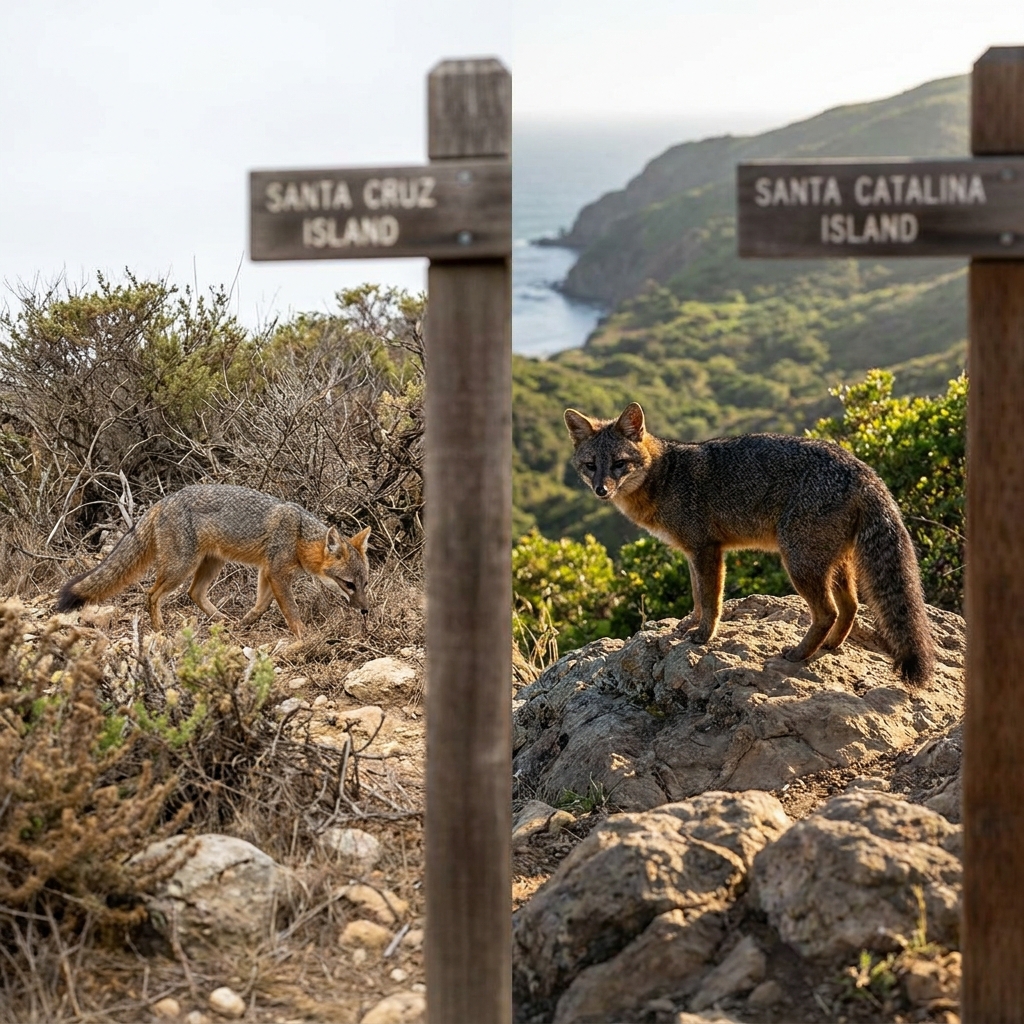
Evolution: Mechanisms of Change in Nature, Explains natural mechanisms driving evolutionary change in living organisms