


Students often mistake foreign policy for simple military action. They see ships and soldiers but miss the economic treaties and diplomatic back-channel negotiations that define how the United States functions on the world stage. In my 11th grade history classes, I find that students need help seeing the long view of these shifts from the post-World War II era to our current interconnected world. United States Foreign Policy: From Containment to Globalism provides a clear framework to bridge that gap during your 45-minute instruction block.
What the lesson asks students to do
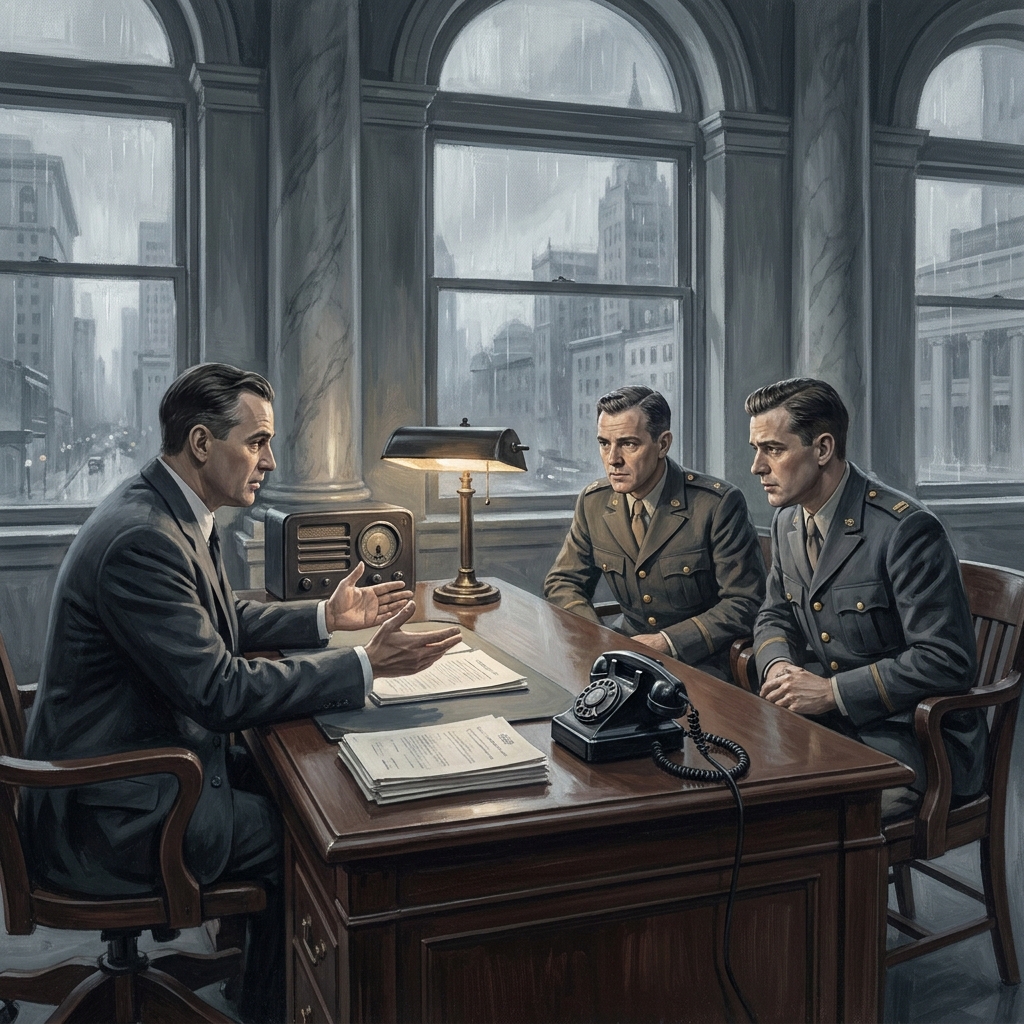
This lesson guides students through the evolution of strategy. It starts with the post-World War II period when the United States took the role of leader among democratic nations. The lesson explains that leaders in Washington viewed the world as divided by competing ideologies and saw the Soviet Union attempting to expand its reach. This context led to the Truman Doctrine, which was a policy of supporting nations threatened by outside forces. Students then work through how the country transitioned from the Cold War strategy of containment to the complex internationalism of the late 20th century. One strong example in the material is the North Atlantic Treaty Organization, or NATO. It teaches students that this alliance formed in 1949 as a formal commitment where an attack on one member was considered an attack on all, protecting Western interests against the Soviet Union. The lesson then pivots to trade through agreements like NAFTA, illustrating how foreign policy promotes stability through economic integration. Key terms students will define and use include containment, Cold War, diplomacy, globalization, and foreign policy.
Connecting to the standards
The core of this material is aligned with CA.HSS-11.9, which asks students to analyze US foreign policy since World War II. This is the same standard taught in classrooms across Perris Union High School District, Long Beach Unified, New Haven Unified, and Muroc Joint Unified. It requires students to move beyond memorizing dates and actually explain the logic behind specific shifts in strategy. When your class covers this, they are building the capacity to understand how the government manages international relationships to keep supply chains open and national security intact.
Using this lesson in your classroom
You might find this high school US history foreign policy lesson particularly useful for a whole-class introduction to the late 20th century, or as a structured resource for a student who missed the week and needs to catch up on the Cold War unit. The guided practice is where students really have to think. It pushes them to see globalization not just as a buzzword, but as the integration of world markets, cultures, and political systems. I suggest spending extra time on that section because it requires students to bridge the gap between abstract policy and the price of the goods they buy daily.
Where students slip
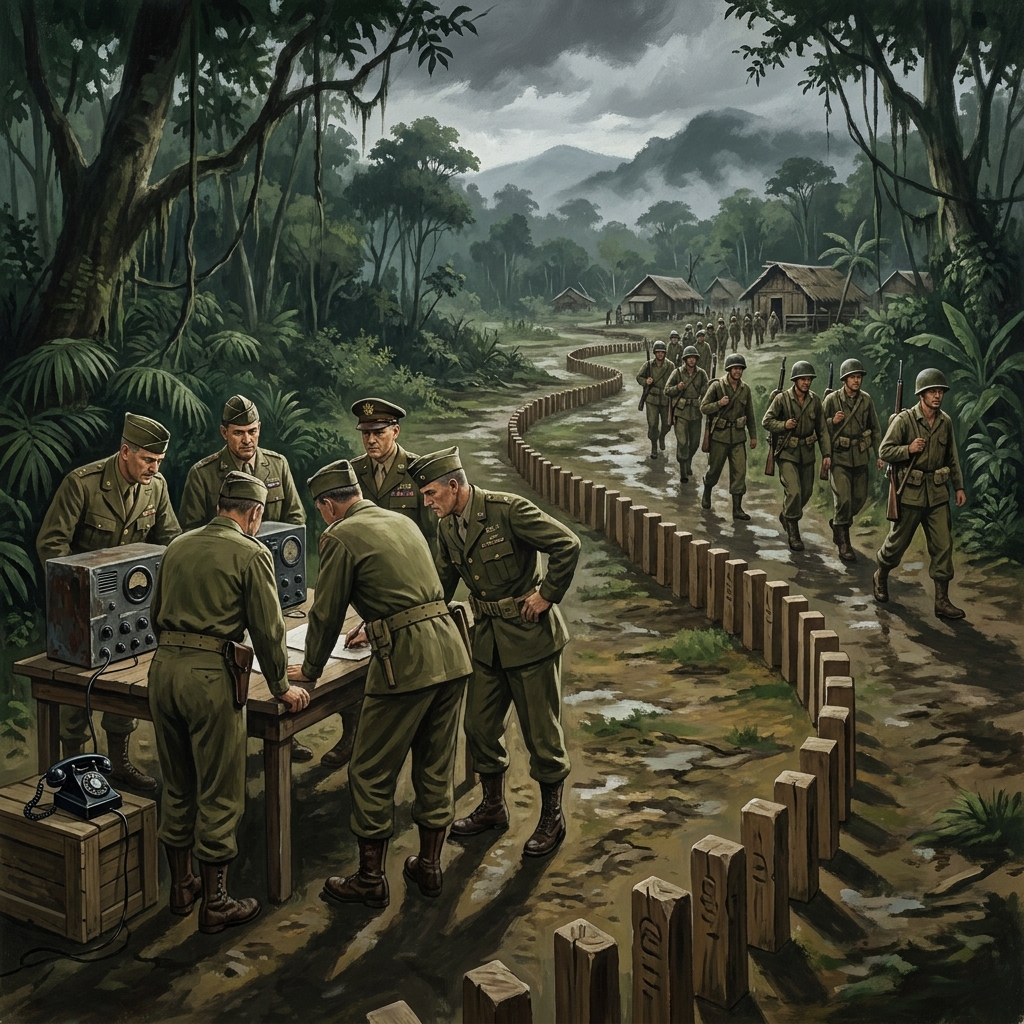
My one caveat is that the jump from territorial defense to active management of global networks can be jarring for some students. They tend to want a clear line between peace and war. You will need to remind them that modern foreign policy often functions as the active management of international finance and supply chains. It is not always about a line on a map. If you keep the discussion focused on why the government chooses cooperation over isolation, the shift to globalism becomes much easier for them to grasp. Use this as an opportunity to show them how voting choices connect directly to these high-level national strategies.
Related lessons
The Changing Face of the American Workplace, Workforce shifts throughout twentieth century American history
The Evolution of Organized Labor in America, Historical progression of American labor unions and movements
Suffrage and the Changing Role of Women in the Progressive Era, Women gaining voting rights during the Progressive Era