

…and that is why I keep the Researching the California Gold Rush module saved for those moments when a student needs a quick, structured review. If you are working with a fourth grader who missed the unit or just needs a solid afternoon of independent study, this hits the right notes without being overwhelming. It takes about 45 minutes to complete, which is perfect for an intervention block or a quiet period in the back of the classroom.
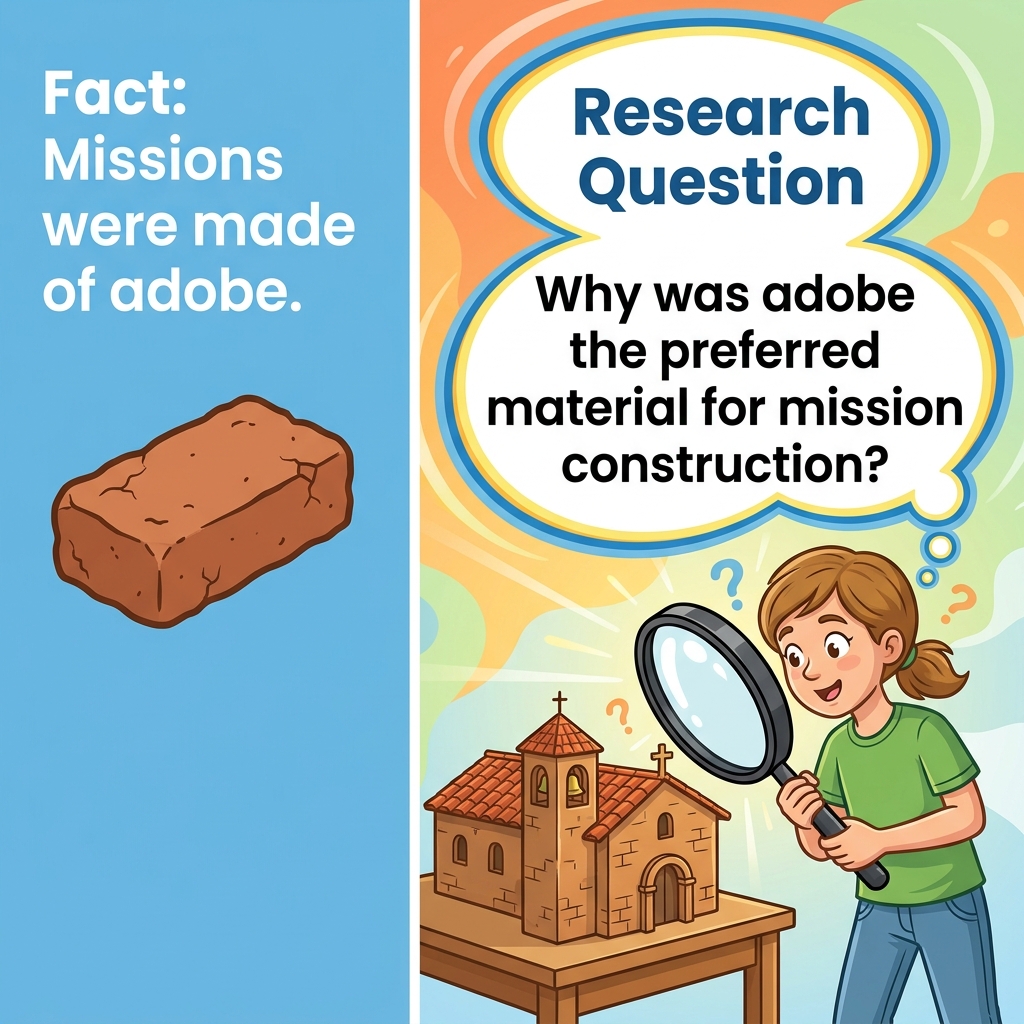
The lesson keeps things grounded by explaining that research is not just for university students. It defines the term simply: research is the act of finding information about a topic by asking questions and looking for answers. The material walks students through picking a broad topic and then breaking it into smaller aspects. An aspect is described as one specific part or side of a larger topic that you can study. The writers use a helpful scenario involving California Mission architecture, asking questions about construction materials like adobe bricks and clay tiles, to show how breaking a big idea down makes the work much easier to handle.
Focusing on the investigation process
Once the student understands the framework, the lesson pivots to the environmental impacts of the Gold Rush. This is where the fourth grade research writing lesson really shines because it forces them to look at how digging for gold actually changed the land and rivers. The students move through the content at their own pace, engaging in an investigation, which the lesson defines as a careful study where you look for facts to answer your questions. Educators in Riverside Unified, Saddleback Valley Unified, Fairfield-Suisun Unified, and East Whittier City Elementary School District all use these materials to teach the same standard consistently across the state.
The primary standard being served here is CA.ELA.W.4.7. This California-adopted standard asks students to conduct short research projects that build knowledge through investigation of different aspects of a topic. It is really the cornerstone of teaching students how to move from being passive consumers of information to active investigators. I appreciate that the lesson explicitly connects this to real life, noting that following a recipe or reading the news is the same kind of research. It makes the academic task feel more like a survival skill.
Practical application for your students
One caveat: because the lesson is designed to be self-contained for a 45-minute window, it does not require access to a massive library or external databases. That is a benefit for independent study, but you should be prepared for the student to need a few minutes of feedback from you afterward to ensure their questions are actually researchable. If they pick a topic that is too vague, that is your moment to step in and help them refine the scope.
This lesson is a solid pick for independent study or a substitute day when you need the class to remain productive. It is clean, specific, and does not try to teach too much at once. When a student turns this in, you will have clear evidence of whether they understand how to formulate an inquiry and look for evidence. It avoids fluff and gets right into the practice of building knowledge, which is exactly what we need when we are trying to catch a student up on their writing expectations.
Related lessons
Strengthening Your Writing, Practical techniques for improving overall writing clarity and sentence structure
Building Strong Opinion Pieces, Drafting arguments with evidence and a clear point of view

Using Evidence to Support Your Ideas, Finding and integrating facts to bolster a written claim