

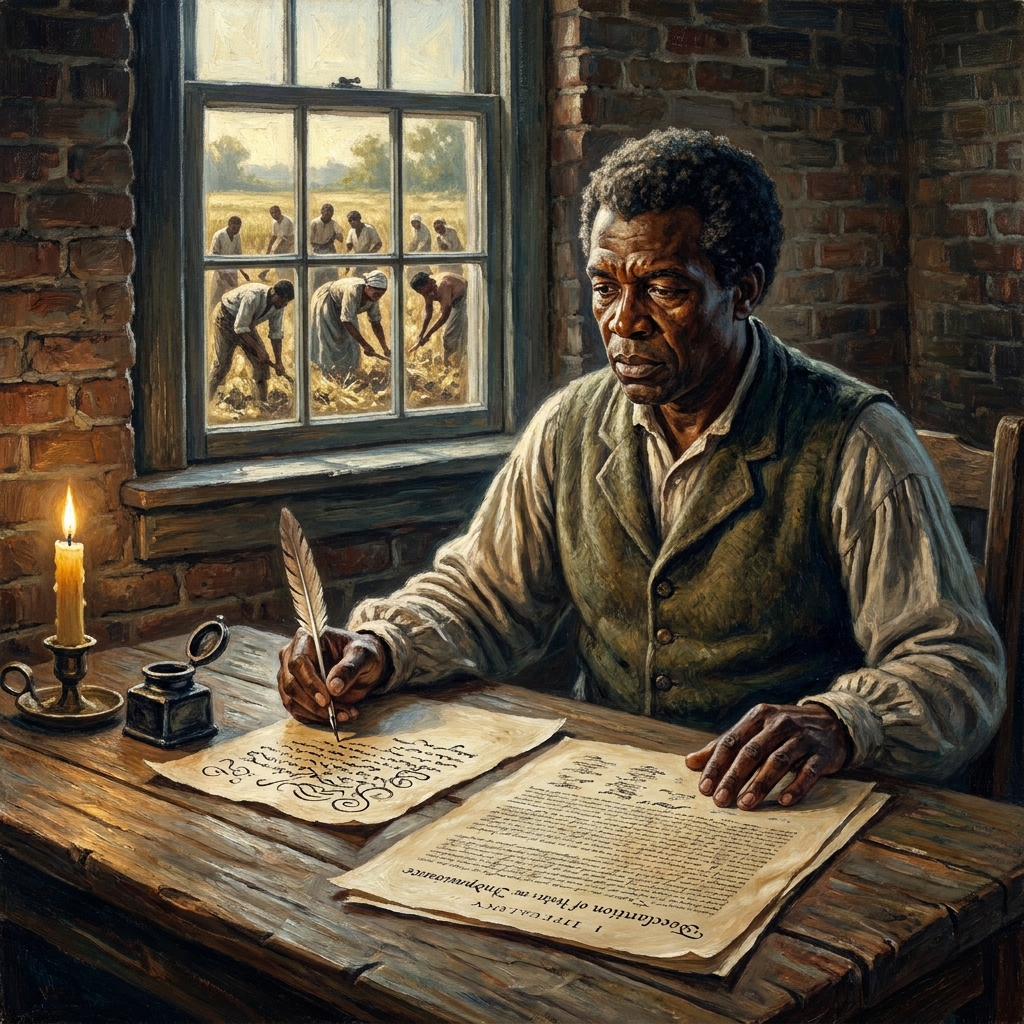
A parent once asked me during a conference why our curriculum focuses so much on the Declaration of Independence if the men who wrote it did not extend its promises to everyone. That conversation stayed with me because it gets at the exact struggle students face when they first encounter the history of the United States. They have to reconcile the bold language of freedom with the brutal reality of the time. Liberty and Law: The Declaration and Slavery gives eighth grade social studies classes a path through this complex topic.
This lesson covers the concept of contradiction in early American history. It defines contradiction as the state where a person or government claims a belief in equality while allowing laws that treat some people as less than equal. The lesson provides concrete examples to help students grasp this tension. For instance, students examine a 1791 letter from Benjamin Banneker to Thomas Jefferson. Banneker, a free Black man, used Jefferson’s own language from the Declaration of Independence to point out the hypocrisy of holding people in slavery while writing about liberty. Students also look at the petition of Prince Hall, an African American leader in Massachusetts who asked his legislature to formally end the practice of slavery. The lesson uses specific vocabulary, including chattel slavery, which is defined as a system where people are treated as legal property, abolition, and unalienable rights.
What the lesson asks students to do
This 8th grade history lesson asks students to analyze how early Americans worked to fix the gap between the ideals of the nation and the reality of slavery. It is not just about memorizing dates or names. Instead, the task is for students to see the Declaration of Independence as a tool that was used by early abolitionists to fight for civil rights. By identifying the contradictions in the founders’ own lives, students can better understand how the country moved toward a more inclusive future. I find that this approach works well for a whole-class assignment or for a student who missed the week and needs to catch up on the foundational concepts of the unit. The material is also effective for an independent study module because it forces students to think critically about primary sources rather than just reading a dry textbook summary.
Understanding the state standard
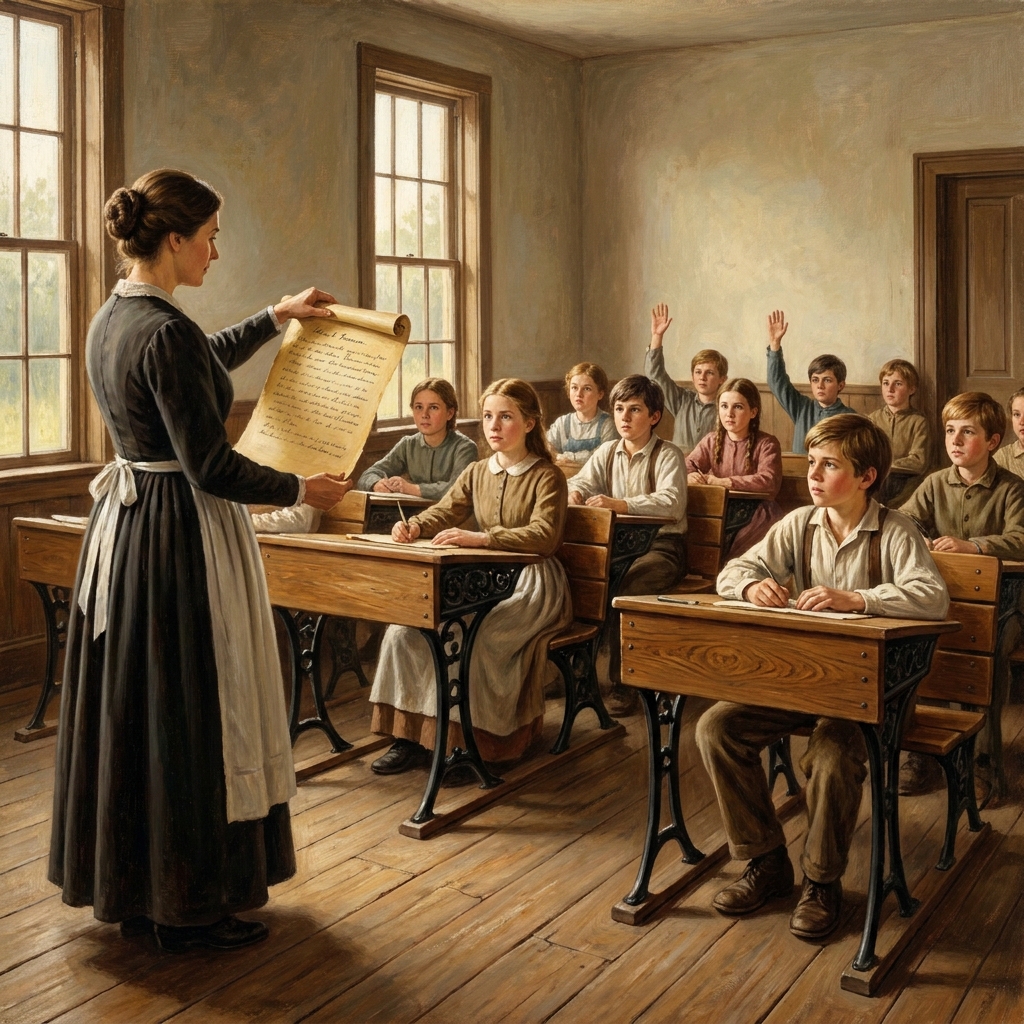
The lesson covers CA.HSS-8.9, which is the California-adopted standard for this unit. This standard asks students to analyze the early and steady attempts to abolish slavery and to realize the ideals of the Declaration of Independence. Educators in Poway Unified, Escondido Union School District, San Lorenzo Valley Unified, and Sanger Unified use this standard to ground their history curriculum, ensuring that every student across the state encounters these core concepts. The standard is significant because it connects the founding documents of the United States to the long-term struggle for human rights. If students do not grasp how early leaders used these ideals to challenge the status quo, the later chapters on the Civil War and the Reconstruction era will not make as much sense to them. The lesson focuses on the concept of realization, which the author describes as the practical implementation of rights through legislative and social change. It shows that the history of civil rights in America is a persistent process of forcing the country to match its stated beliefs with its actual actions.
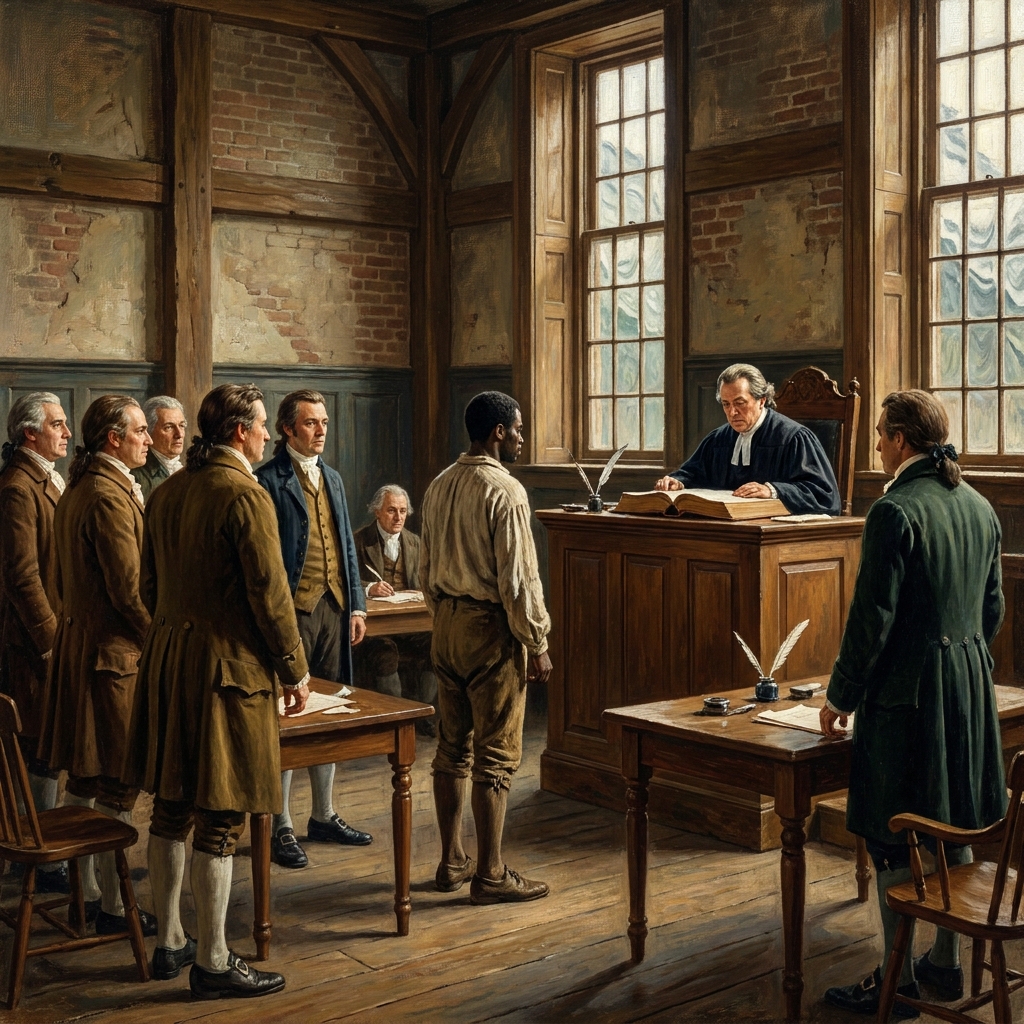
If you have a student who is struggling to connect the founding of the nation to later movements for equality, this lesson provides the necessary missing link. It is focused enough to work for a substitute day when you want the class to continue with high-quality content instead of a filler activity. Students get to engage with the actual voices of the time, which makes the history feel much more immediate and less like a list of abstract names.
Related lessons

Innovation and Daily Life in the 19th Century, Details the technological and social changes of the nineteenth century
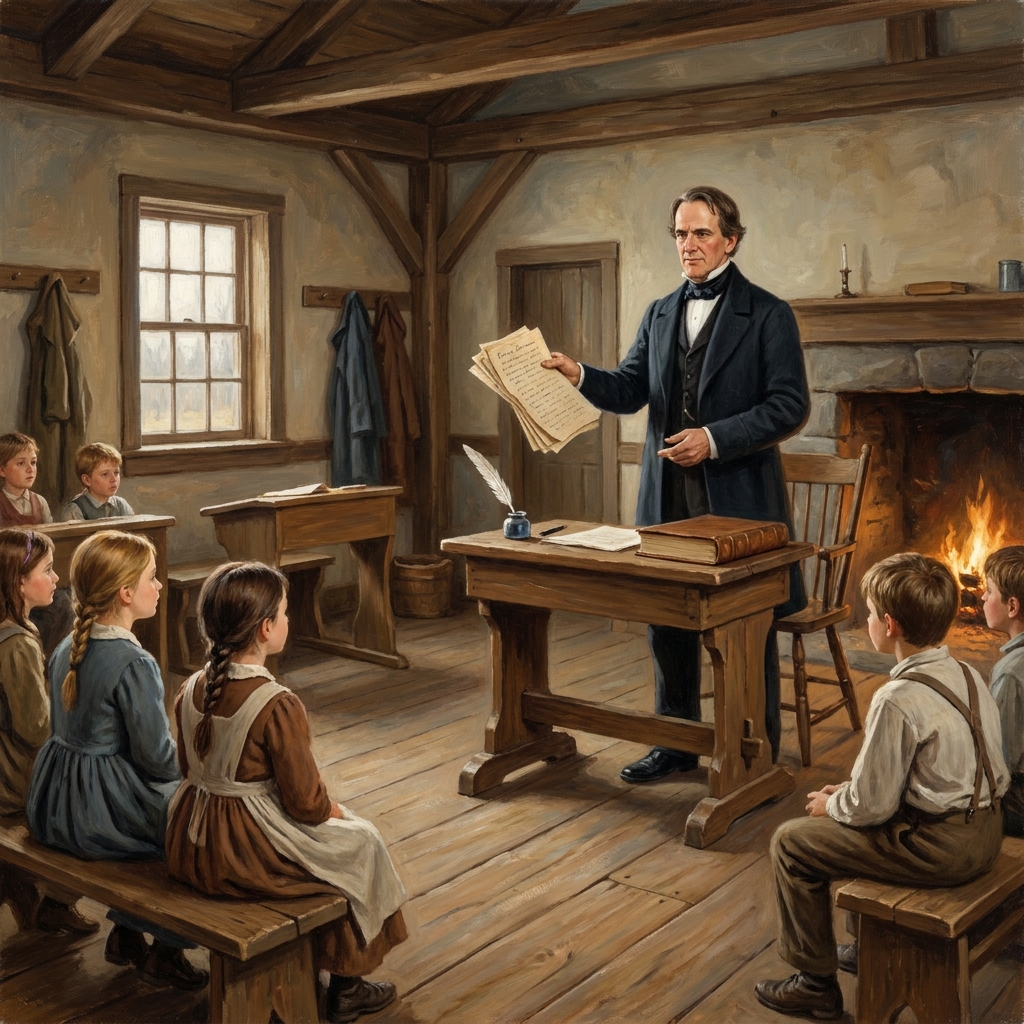
The Growth of American Public Education, Explains how the school system developed in early American society
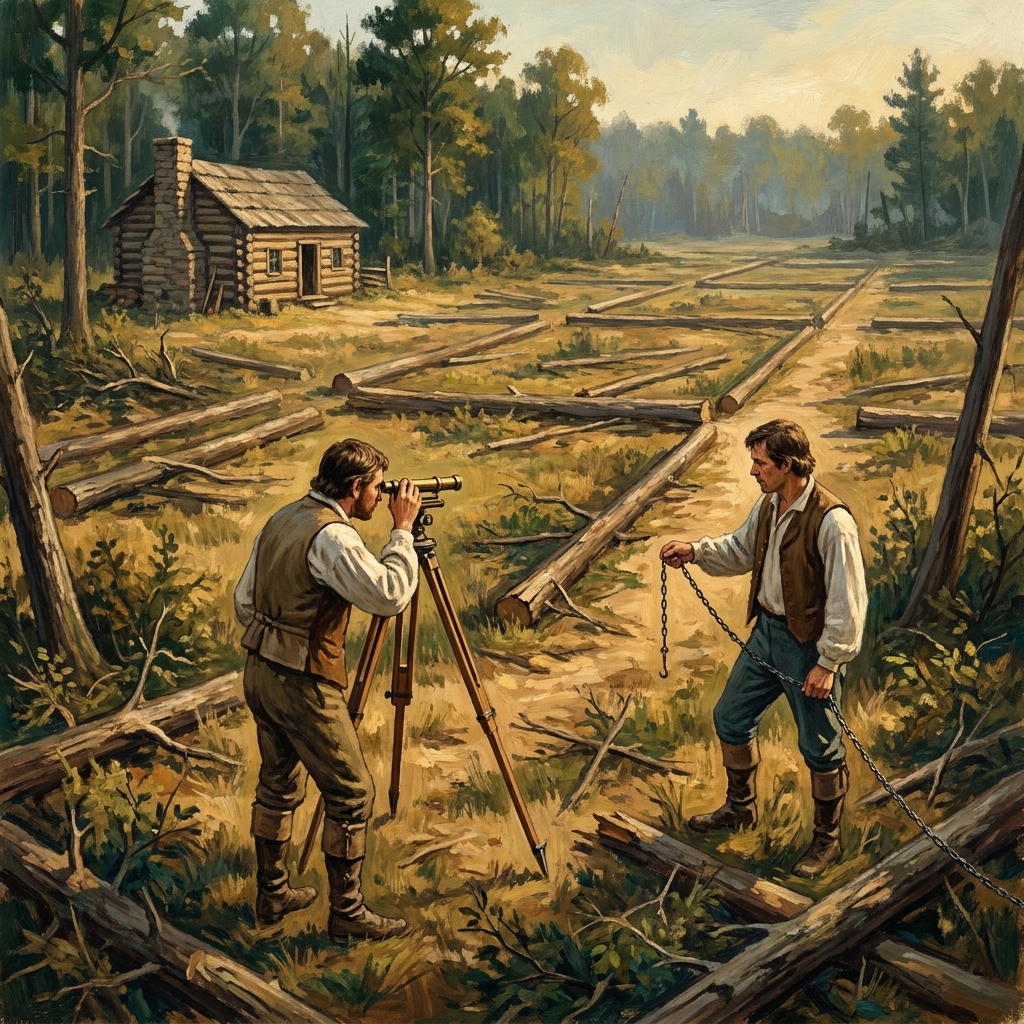
Privatizing the Frontier: The Land and Northwest Ordinances, Discusses how land laws shaped the expansion of the nation