

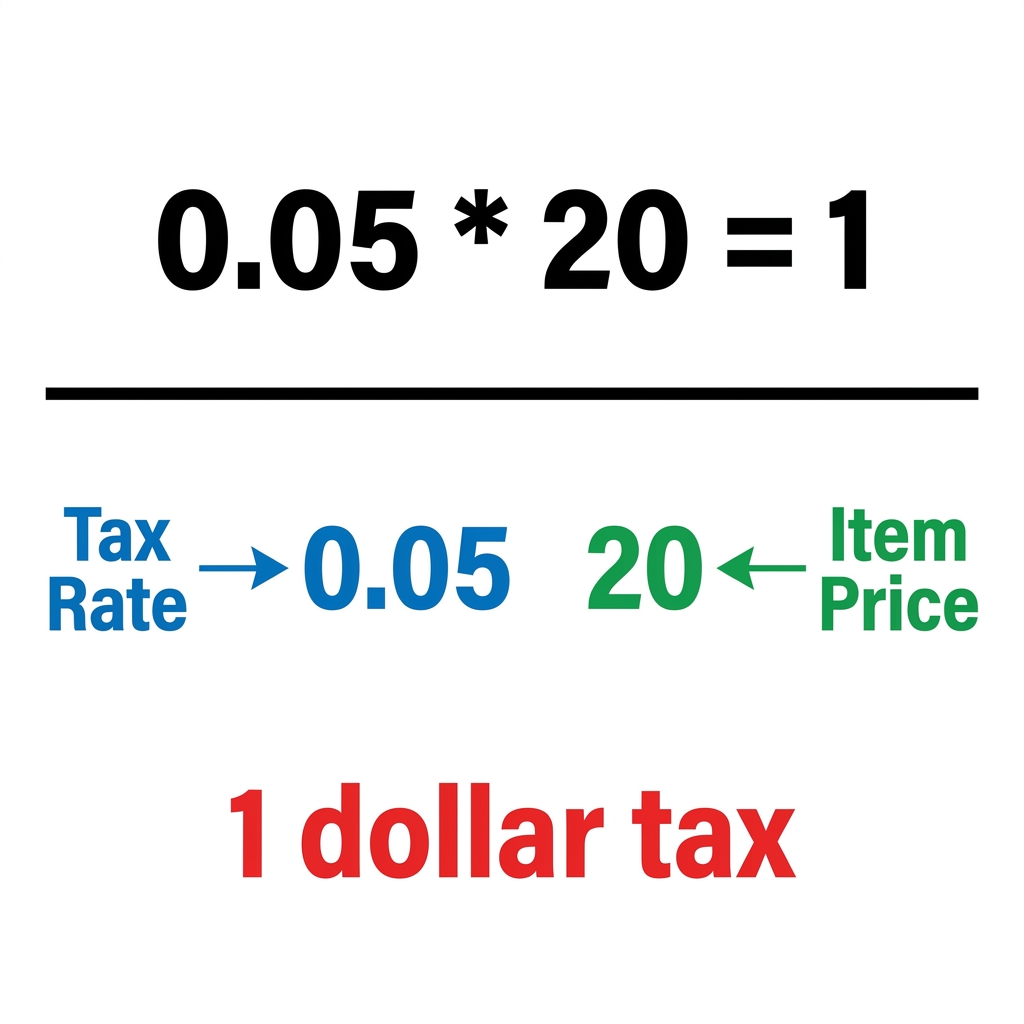
By the time your students reach late in the school year, they have likely spent months working through abstract equations and number theory. Bringing in 6th grade math that connects directly to the items in their backpacks or the receipts they see at the store is a welcome shift. The lesson Making Smart Financial Choices lands right when you need a bridge between abstract ratios and the tangible world they inhabit daily.
This lesson moves students away from just moving decimals around and into the mechanics of their own spending. It covers the foundational concepts of financial literacy, specifically how to calculate discounts, sales tax, and simple interest. It relies on the clear definition that a discount is simply an amount taken off the original price of an item. The lesson uses specific examples, like a twenty-dollar shirt with a ten-percent discount, to show students that these calculations are just ratios at work. When you use 6th grade financial literacy math lessons like this one, you see that shift in their eyes once they realize why we bother teaching percentages in the first place.
What the lesson actually asks students to do
The core of the work involves applying ratio and percent reasoning to solve consumer problems. Students define key terms: Discount is the amount deducted from an original price, Sales Tax is the extra money paid to the government, and Simple Interest represents money earned or paid on an original amount over time. During guided practice, students tackle dining scenarios where they calculate tips based on a bill total. It is grounded in the reality that, in California, sales tax rates are set by individual cities and counties to fund local services like schools and public transportation. This same standard is taught in classrooms across districts like Corona-Norco Unified, Oakland Unified, Norris Elementary School District, and Jurupa Unified, ensuring consistency for your students.
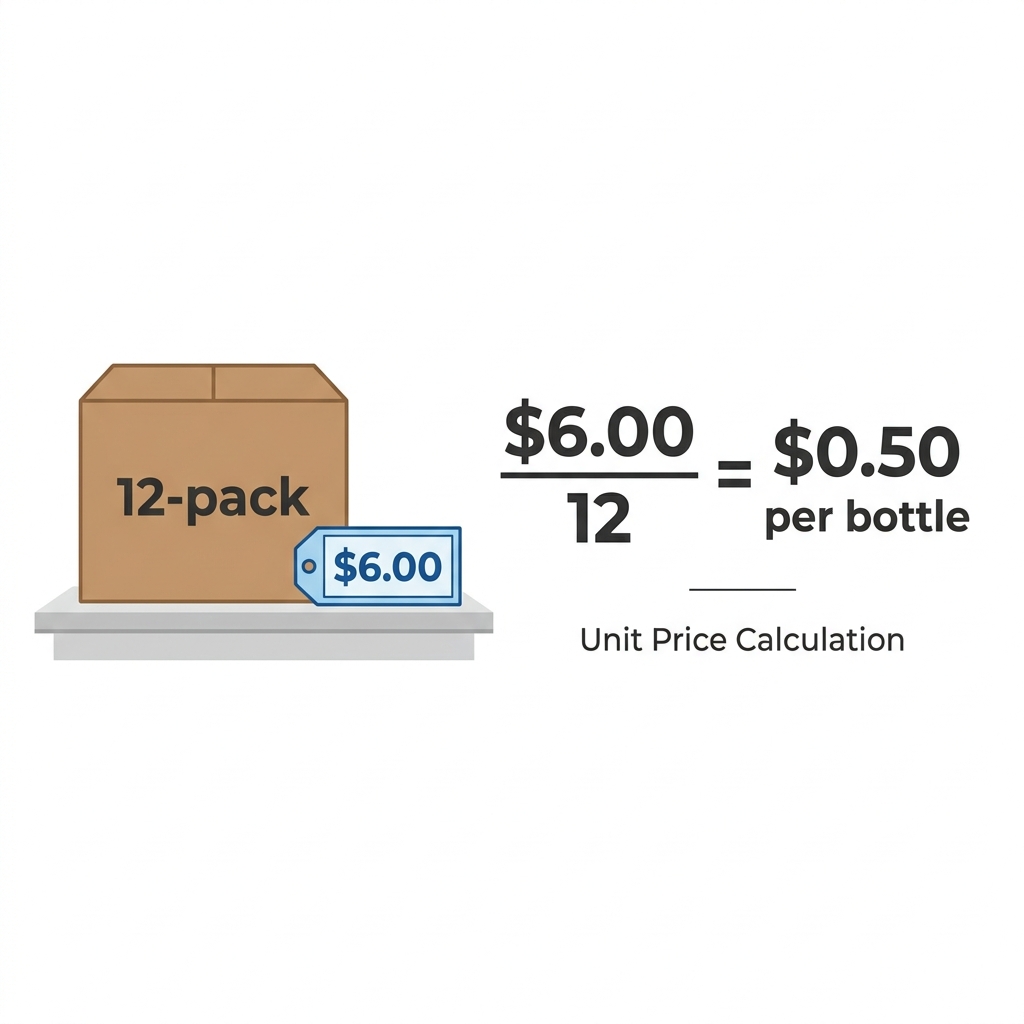
Where students slip
The trickiest part for my classes is usually the distinction between adding a percentage and subtracting one. While they are quick to calculate ten percent of a shirt price, they sometimes forget to subtract that value from the original total to find the final cost. Watch them closely during the guided practice section on dining. Students often calculate the tip correctly but get stuck when it comes time to add that amount back to the subtotal to find the final bill. I find that forcing them to label each line of their work helps clear up that confusion immediately. If they write “Original Price” then “Discount” then “Final Price,” they are much less likely to miss a step.
How to use this in your classroom
This is a solid choice for a whole-class assignment when you are ready to apply your ratio unit to the real world. If you have a student who missed the week of instruction, this lesson provides a clear enough path that they can catch up without you hovering over them for forty-five minutes. It is also an excellent option for an independent study module or a substitute day where you need something self-contained that requires students to think beyond the textbook. The lesson is specifically built for CA.MATH.6.RP.4, which asks students to apply ratio and percent reasoning specifically for financial problems. This is a unique, California-only standard that requires exactly the kind of consumer math focus this lesson provides. Just keep an eye on their mental math habits: they will want to jump straight to their calculators, but having them estimate the answer first often saves them from a decimal-point error that would have made their final total look like a car payment.
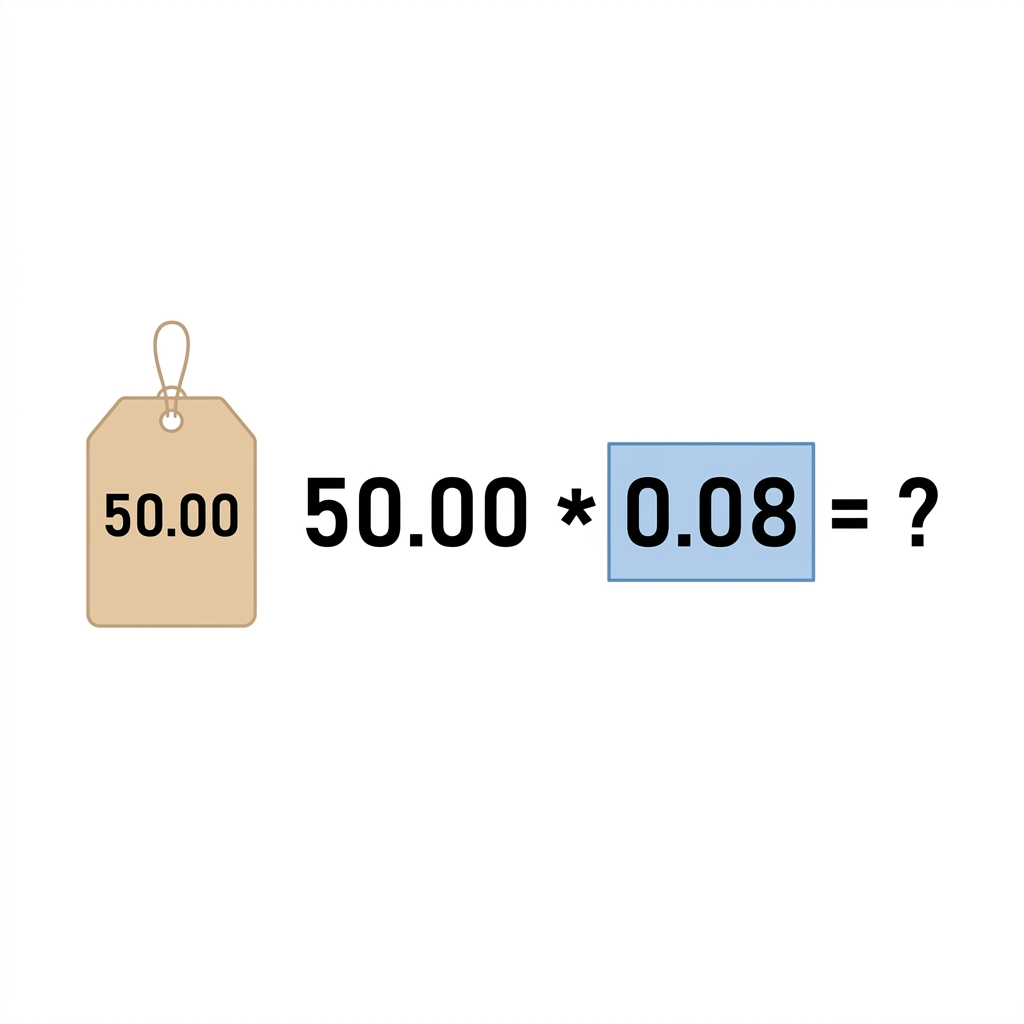
Related lessons
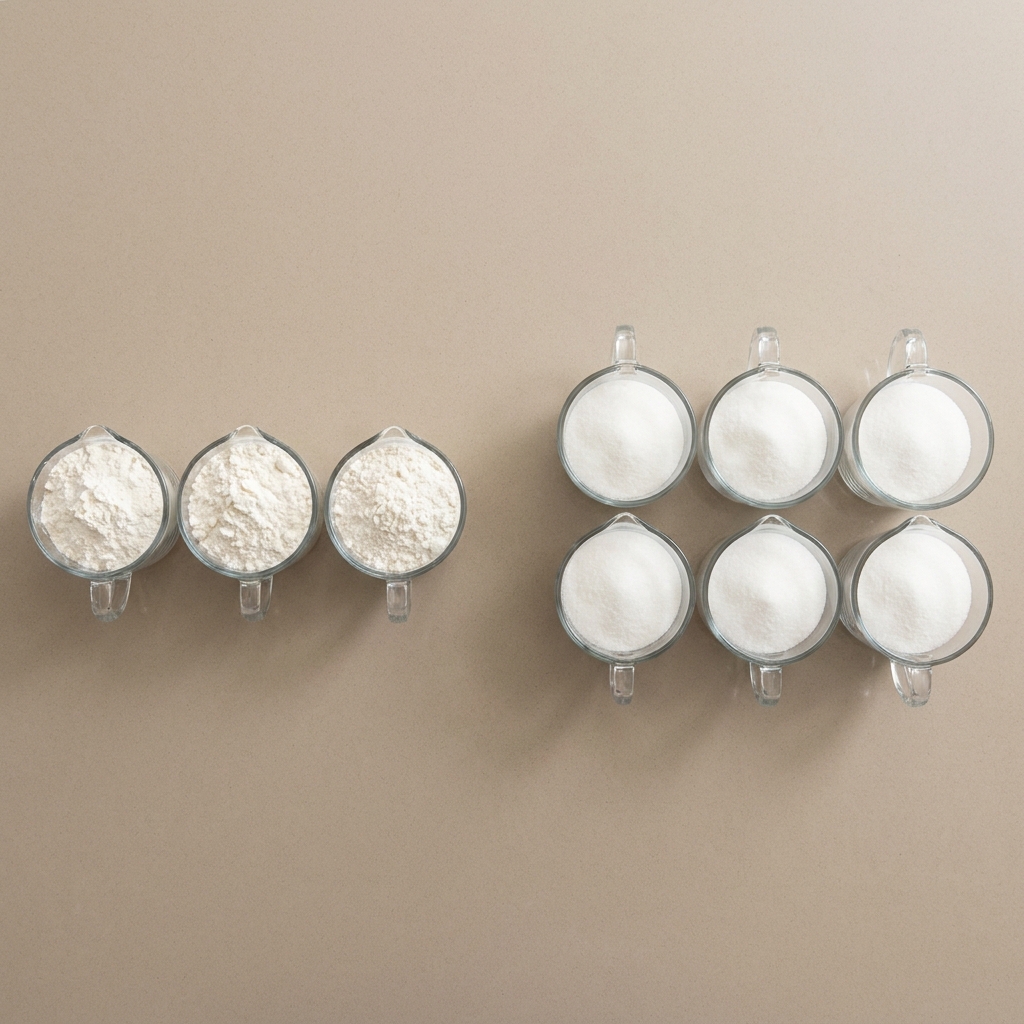
Understanding Ratios and Graphs, Teaches students how to represent ratios using various coordinate graphs
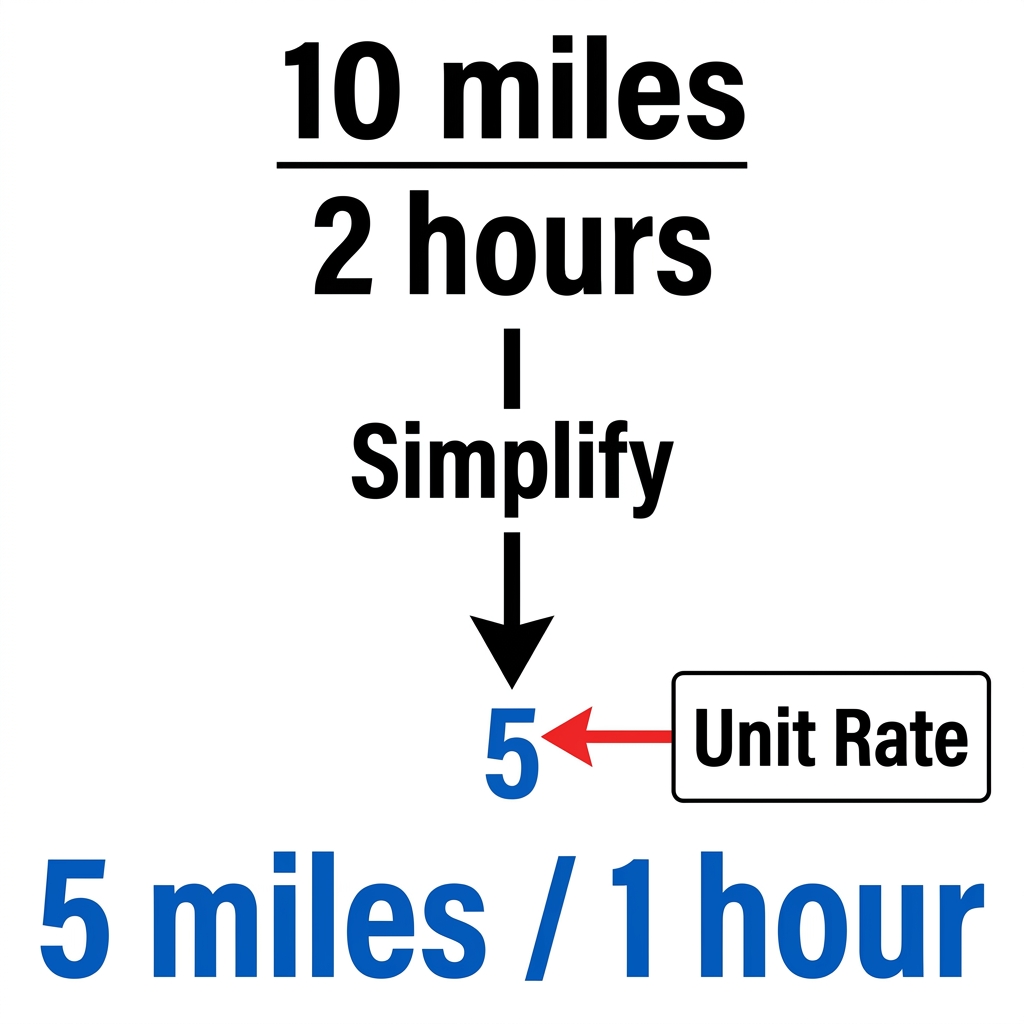
Understanding Unit Rates, Explains how to determine unit rates from given ratio information
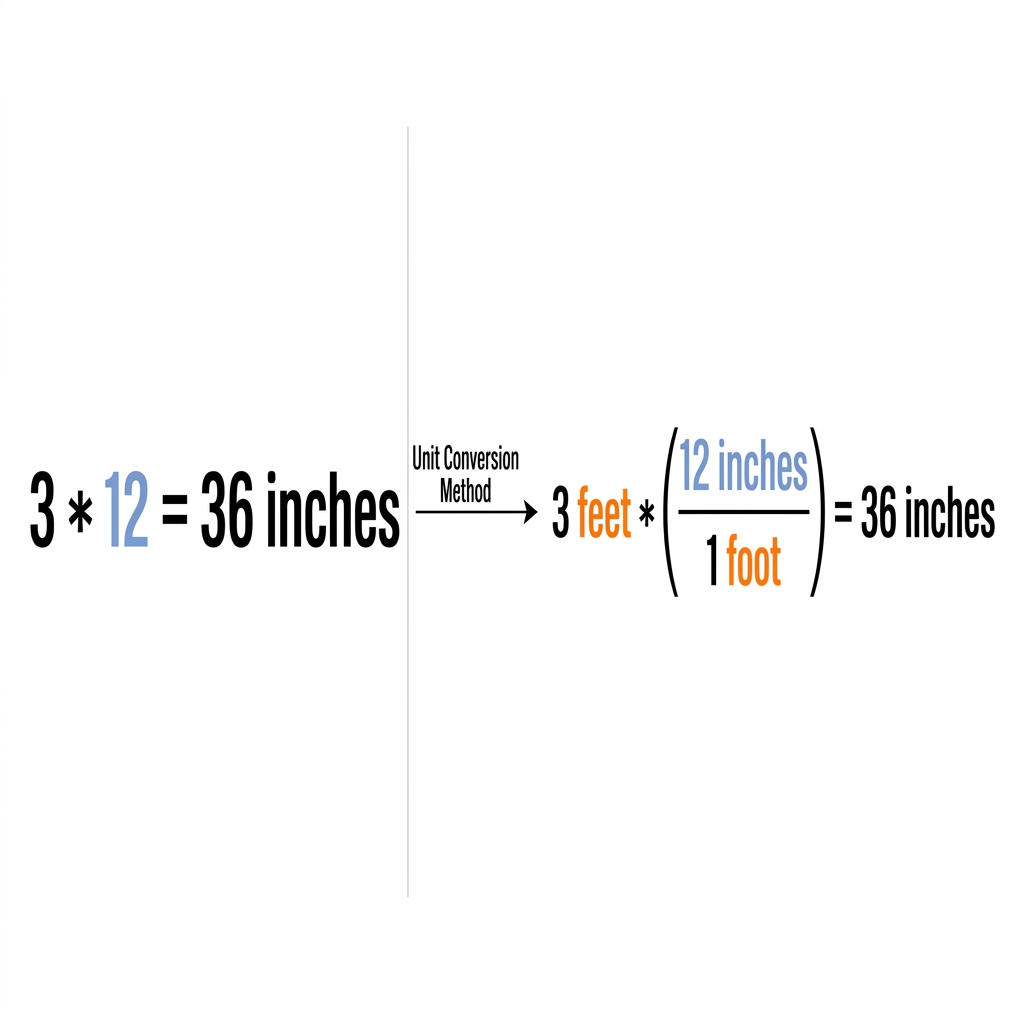
Understanding Ratios and Unit Conversions, Covers converting measurement units using ratio and proportion based reasoning