


Teaching the federal system to eight and nine year olds is a challenge. It requires a delicate balance between academic accuracy and the developmental needs of young children who are just starting to grasp the complexities of civic life.
If you are planning your social studies curriculum, you know that keeping third grade lessons grounded in reality is the only way to make abstract government structures stick. I have been looking at a resource called Working Together in Our Nation, which aims to make the federal system manageable for this age group. Whether you are in Saddleback Valley Unified, Fontana Unified, Eureka City Schools School District, or Yuba City Unified, the requirement to teach how our government functions remains the same. This resource provides a clear structure for introducing these complex ideas without getting lost in jargon, which is often the biggest barrier when presenting civics topics to elementary students.
What the lesson asks students to do
The lesson starts by connecting the national government to something students already understand: the classroom. It suggests that just as students and teachers share the job of making rules, the country divides tasks between different levels of government. This is a solid starting point because it moves the focus from the abstract idea of a federal system to the concrete idea of shared responsibility. The objective is for students to learn how California, other states, and American Indian tribes work together. By framing the government this way, the lesson helps students visualize the structure as a collaborative effort rather than a distant, impersonal hierarchy that they cannot influence.
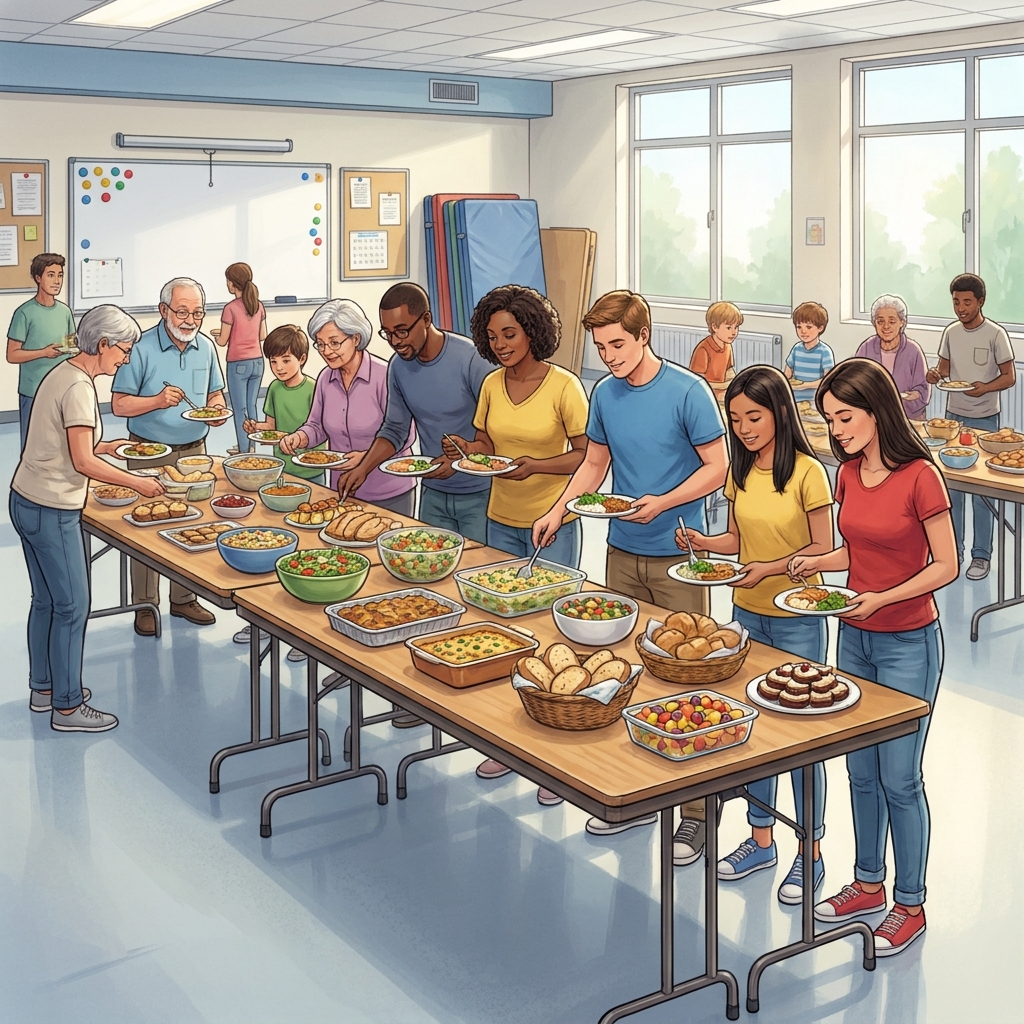
Vocabulary is kept to a minimum here, which I appreciate. The lesson defines the federal system as a way of organizing government where power is shared between the national government and smaller governments like states and tribes. It also defines sovereign as having the right and power to make your own rules and govern your own people. These terms are presented simply, though you will want to spend some time ensuring students understand the nuance of sovereign because it is not a word they hear daily. I recommend using scenarios like household rules or club rules to help anchor this definition in a context they can easily relate to and understand.
The lesson uses specific examples to make the federal system hit home. One worked example focuses on how California builds highways that connect to national roads. It explains that this works because the state and the national government coordinate their efforts so people can drive across the whole country. Another example involves a state governor meeting with the President to talk about national disaster relief. This helps students see that when times are hard, these levels of government do not operate in isolation. They have to cooperate to solve problems. This focus on cooperation is essential for shifting the student perspective from seeing government as a set of static, boring rules to viewing it as a dynamic system designed to help people live together in peace and security.
You will find the third grade federal system lesson takes about 45 minutes to complete. It is well suited for a whole class assignment, but it is also a great choice for a student who missed the week or needs independent study material. Since the lesson follows a logical flow from the classroom analogy to real world examples, it is also a safe bet for a substitute day. Teachers often appreciate having these reliable, high-quality resources ready in their digital folders for those unexpected days when they need a lesson that is both engaging and effective.
Where students slip
The biggest hurdle here is the idea that power is actually shared. Students often want to know who is the boss, as if the government is a single hierarchy like a principal and a teacher. They find it hard to believe that states have the power to make their own rules while still answering to a national government. You might find yourself repeating that states and tribes have their own responsibilities. Do not be surprised if you need to pull out a map or a blank piece of paper to draw out how these different groups intersect. Visual aids are powerful tools here, and sketching a simple Venn diagram to show overlapping and separate powers can clarify a lot of confusion for students who prefer seeing the concept mapped out rather than just discussed.
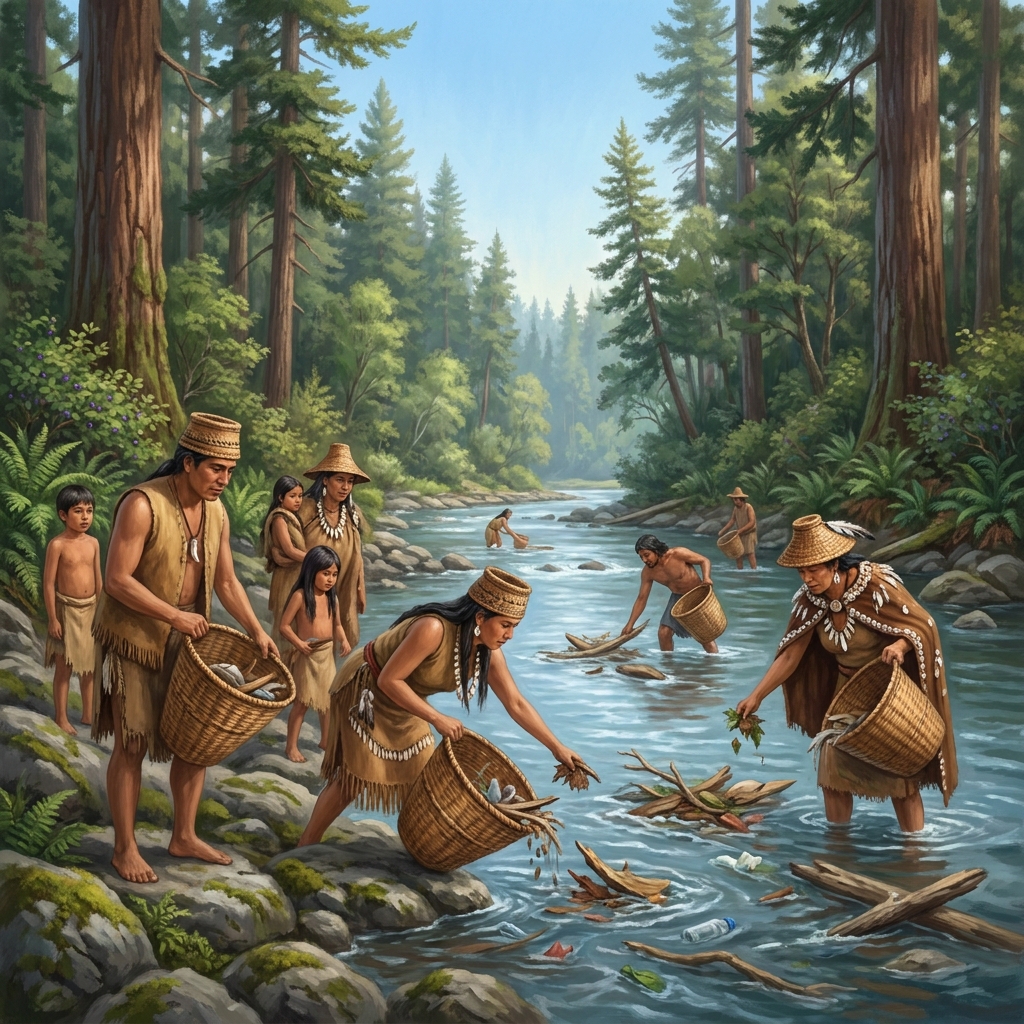
The lesson serves the state requirement CA.HSS-3.4.5. This is the California-adopted standard which asks students to describe the ways in which California, the other states, and sovereign American Indian tribes contribute to the making of our nation and participate in the federal system of government. It falls under the domain of Continuity and Change for third grade and is grouped within the HSS-3.4 standard cluster, which covers the role of rules and laws in our lives and the structure of our government.
What I like about this lesson is the why-it-matters section. It does not just stop at government structure. It connects these concepts to being better citizens. It explicitly says that when we understand how our government works, we can vote, share our opinions, and help our communities. That is a message that third graders can grab onto. It turns the lesson from a dry civics overview into a reminder that they have a role to play in the future of their own neighborhoods and their state. Encouraging students to see themselves as active participants in this system is perhaps the most valuable takeaway from the entire unit.
If you have a student who is struggling with the material, encourage them to think about their own life. Ask them how they manage chores at home or rules at school. Once they see that managing power is a common human activity, the concept of a federal system becomes less of a textbook theory and more of a practical tool for living together in a large, diverse country. Keep an eye on how they define sovereign because that is where most of them will get stuck if they do not have a clear example of what it means to make one’s own rules. You might try asking them about a time they were allowed to make their own choices within a group, such as choosing a game at recess or a team activity, to illustrate the concept of autonomy within a larger framework.
When you have a moment, take a look at the slides and the activity sheets. They are stripped of the usual fluff that often accompanies social studies materials. That makes them easy to print and easy to explain. If you are preparing for an observation or just want to make sure your social studies time is well spent, this is a clean way to cover the mandated curriculum while keeping the class focused on the actual mechanisms of government. Providing high-quality, focused lessons ensures that students are not just memorizing terms for a test, but are actually building the foundational understanding they need to become informed, engaged citizens in the future.
Related lessons
How Our Community Changes Over Time, Lessons on historical changes within a student local community
Where Do Our Things Come From?, Tracing the origins of everyday goods and services
How We Produce Goods and Services, Basic economic concepts regarding production and distribution