

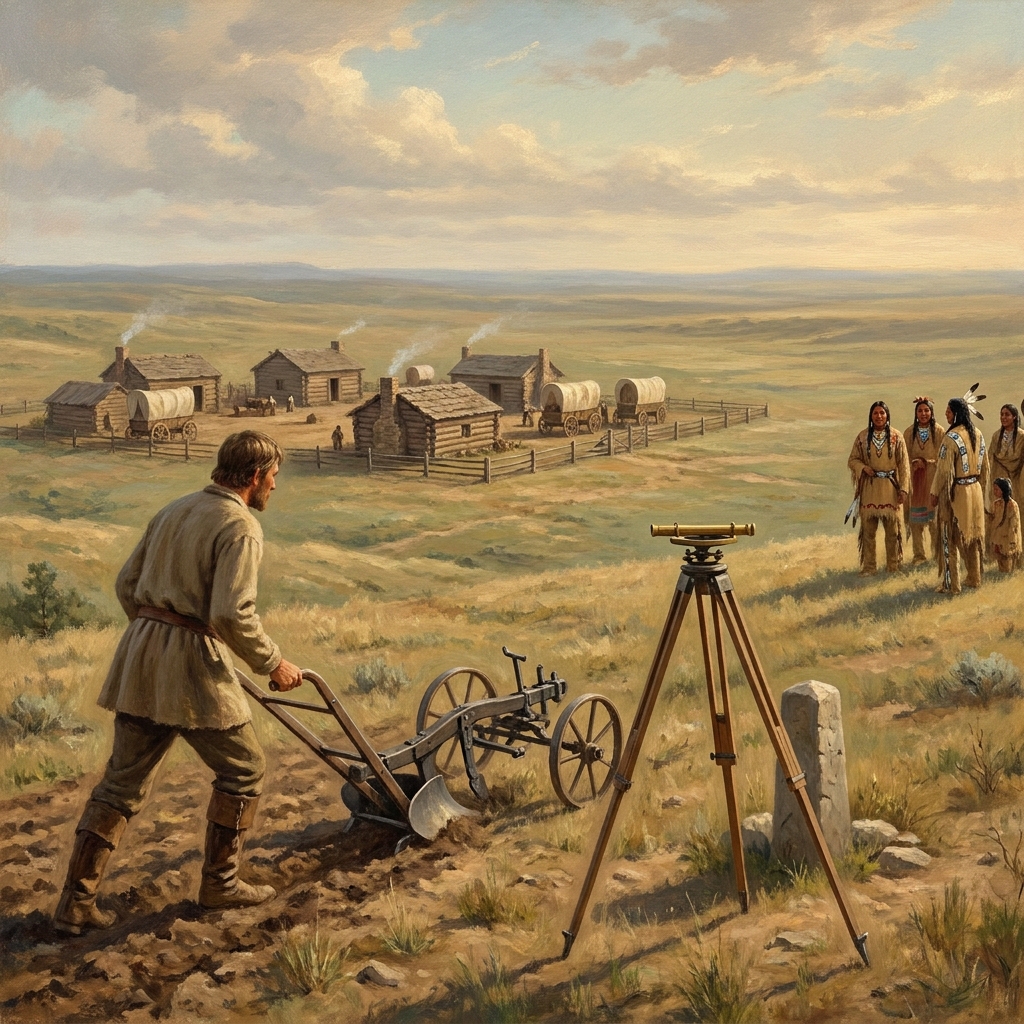
When you start a discussion about the Homestead Act, 160 acres seems like a straightforward figure to students. It sounds like a gift of opportunity. However, in an 8th grade social studies classroom, that number marks the beginning of a much harder conversation about how the United States government managed land, resources, and its relationships with American Indian nations. To get your students to look past the surface of Westward expansion, you can use Expansion and Conflict in the 19th-Century United States.
This lesson moves through the heavy, necessary work of analyzing how the drive for agricultural and industrial growth actively dismantled existing systems of land use. It is a dense but vital piece of the 8th grade curriculum. Students start by identifying how property rights work and why disagreements emerge when different groups claim the same territory for opposing purposes. From there, they examine the government-sanctioned transition of lands from tribal control to settler ownership. Teachers in Oakland Unified, Lodi Unified, South San Francisco Unified, and Placentia-Yorba Linda Unified all address these exact standards in their classrooms, proving that the foundation of our history is a consistent requirement across the state.
What the lesson actually asks students to do
The core of this lesson is rooted in CA.HSS-8.12.2, which asks students to connect the development of federal Indian policy and the resulting wars with American Indians to the broader push for agricultural development and industrialization. It is not just about memorizing dates or names of treaties. Instead, it asks students to analyze the transformation of the American economy and how shifting social and political conditions shaped the life of the nation during the Industrial Revolution. By asking students to identify the logic behind these policies, the material pushes them to see government action not as a series of random events, but as a direct result of industrial ambitions.
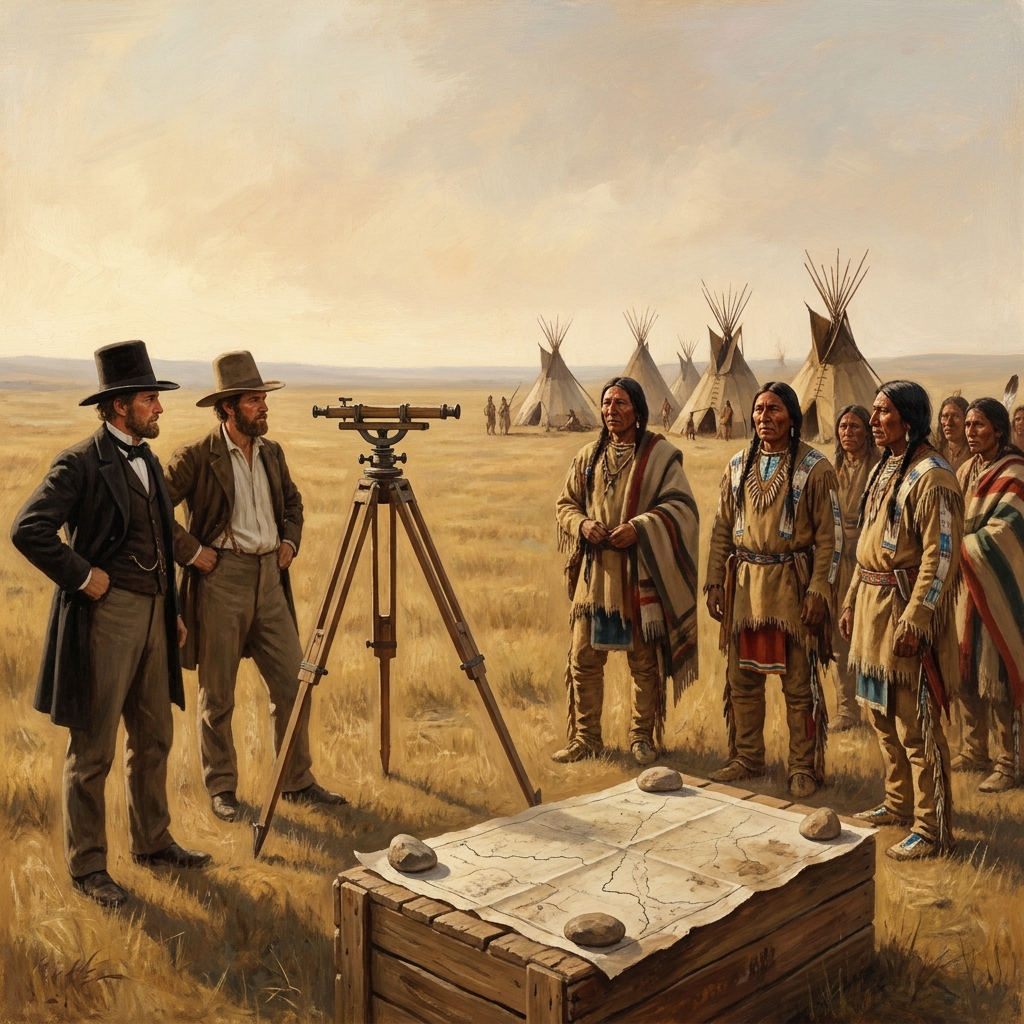
Students work with specific, grounded vocabulary that helps them move past emotional reactions and toward analytical understanding. They define terms like:
- Federal Indian Policy: The laws and actions the United States government used to manage land, resources, and relationships with American Indian nations.
- Sovereignty: The right of a nation or group to govern itself and make its own laws without outside interference.
- Treaty: A formal, written agreement between two or more independent nations.
The lesson uses the Homestead Act as a primary case study. It illustrates how the government provided 160 acres of land to settlers, and students are asked to consider how that policy directly placed individuals on lands that had belonged to American Indian nations for generations. The guided practice then asks them to analyze the Dawes Act of 1887, which attempted to force assimilation by dividing tribal lands into individual plots. This section is effective because it forces students to see how policy decisions changed the day-to-day lives of the people involved.
Where students slip
The most common hurdle I see when teaching this period is the assumption that policy is static. Students often assume that if a treaty is signed, the matter is settled for good. They struggle to understand that these agreements were often one-sided or subject to immediate change based on the needs of industrial growth. When they miss the nuance of sovereignty, they miss why these conflicts were so persistent. You will likely need to spend a little extra time ensuring they understand that when a group loses the ability to govern its own land and laws, the conflict over resources is inevitable. If they miss the connection here, they will have a much harder time understanding later conflicts in the 20th century regarding tribal rights and federal oversight.
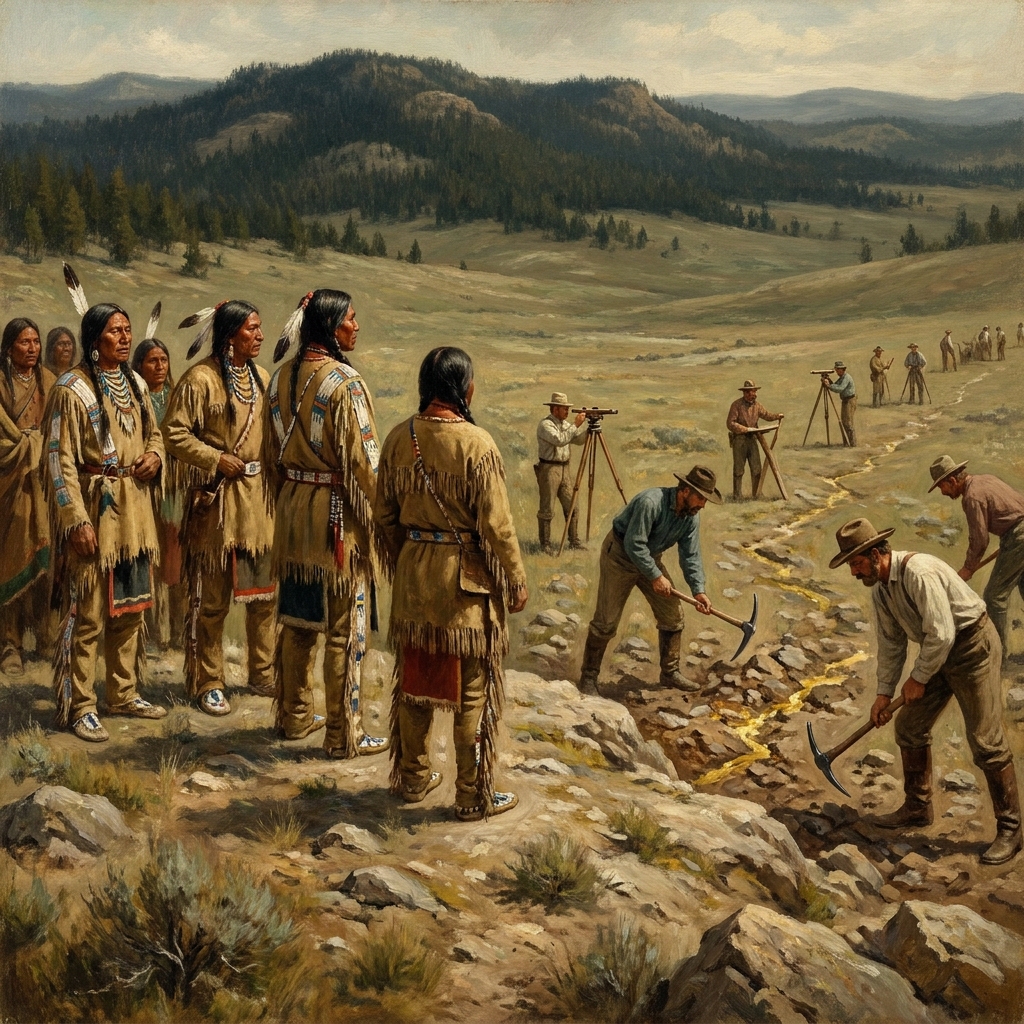
Another area where students tend to get stuck is the relationship between farming and land claims. Because we live in a society that often takes private property rights for granted, it can be difficult for an 8th grader to imagine a world where land is held collectively. This lesson does a good job of setting up that prior-knowledge gap by asking students to think about how different groups define the purpose of a plot of land, whether it is for hunting or industrial agriculture.
How to fit this into your schedule
This is a solid choice for a whole-class assignment because the reading is manageable and the scenario-based learning keeps the class focused for the duration of the 45-minute block. It is also an excellent resource for a student who missed the week, as it provides a clear, self-contained overview of a specific historical period without requiring access to a heavy textbook. If you are ever stuck with a sub day where you need a lesson that is both meaningful and ready to go, this works perfectly. It respects the intelligence of your students while guiding them through some of the more difficult aspects of American history. You can find this 8th grade history lesson on federal Indian policy to be a reliable, grounded way to bridge the gap between abstract concepts and real-world historical impact. The lesson concludes by connecting this history to modern land-use laws and tribal sovereignty, reminding students that these decisions are not ancient history but a living framework that still shapes how we interact with land today.
Related lessons
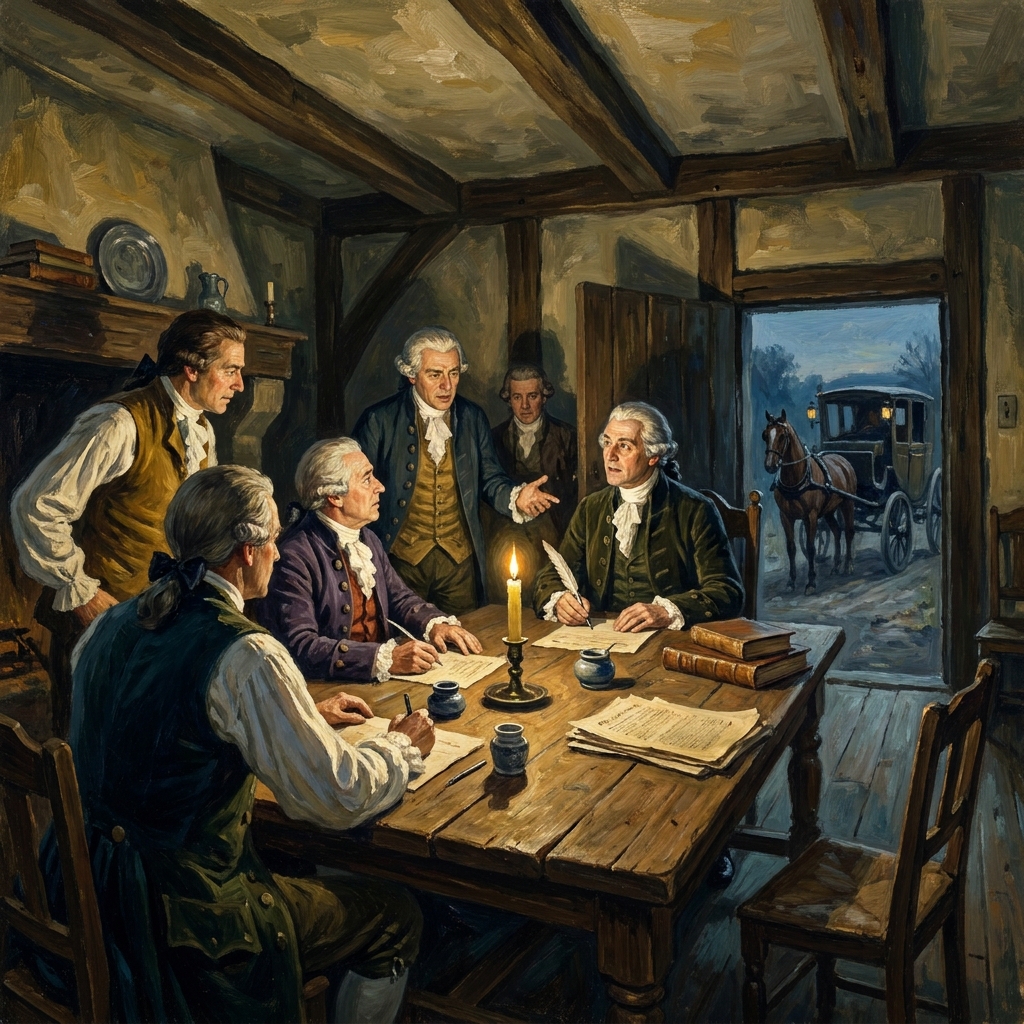
Federalism and the Challenge of Nullification, Analyzes the tension between federal authority and states rights issues
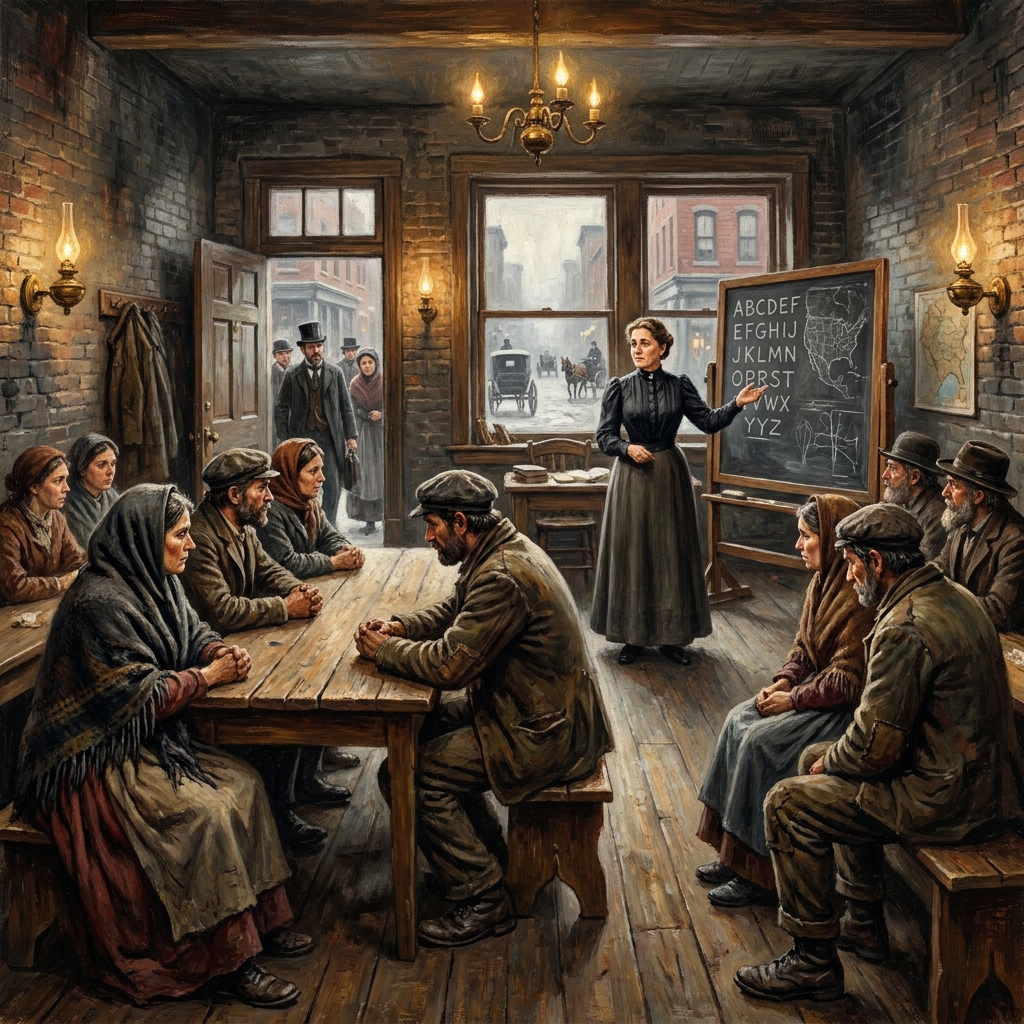
Immigration and the Growth of America, Covers historical migration patterns and their economic impacts on states
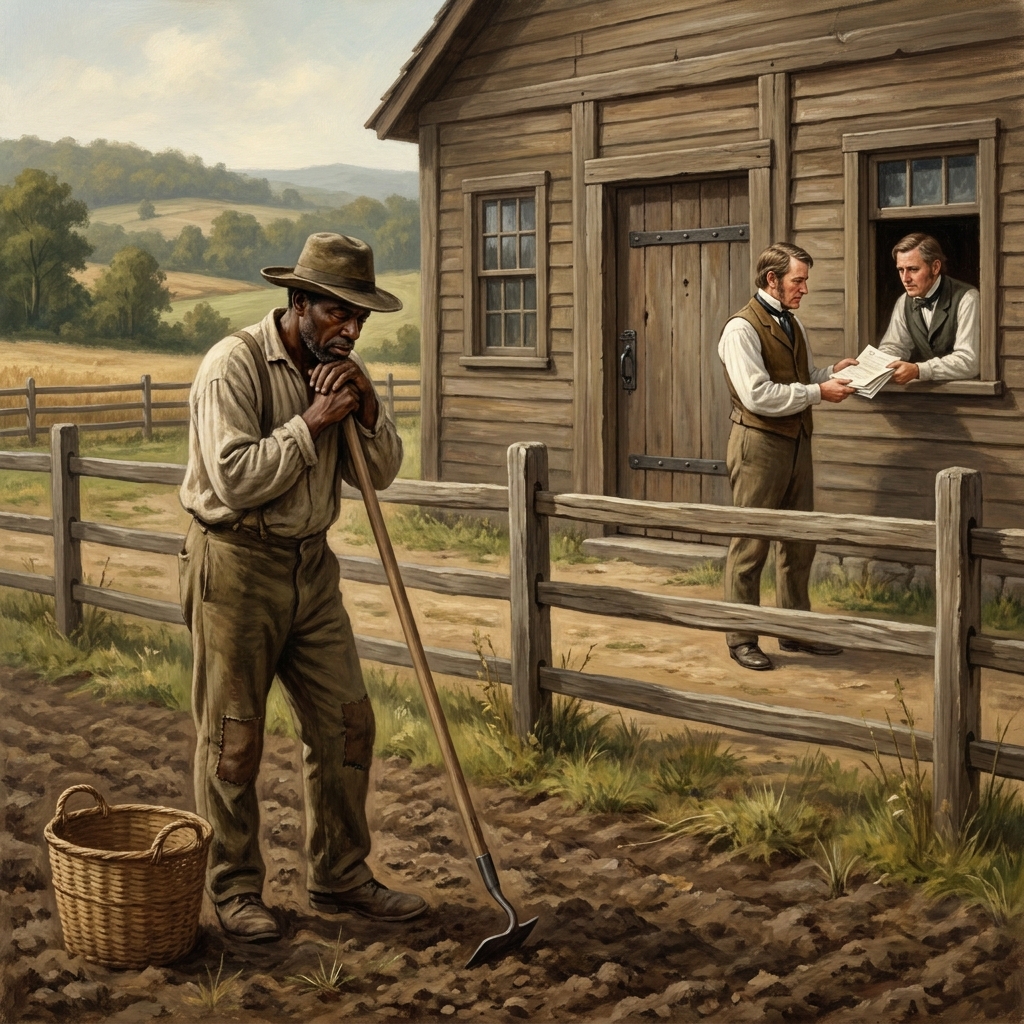
Free Black Life in the 19th Century, Examines daily experiences and legal challenges for African Americans