

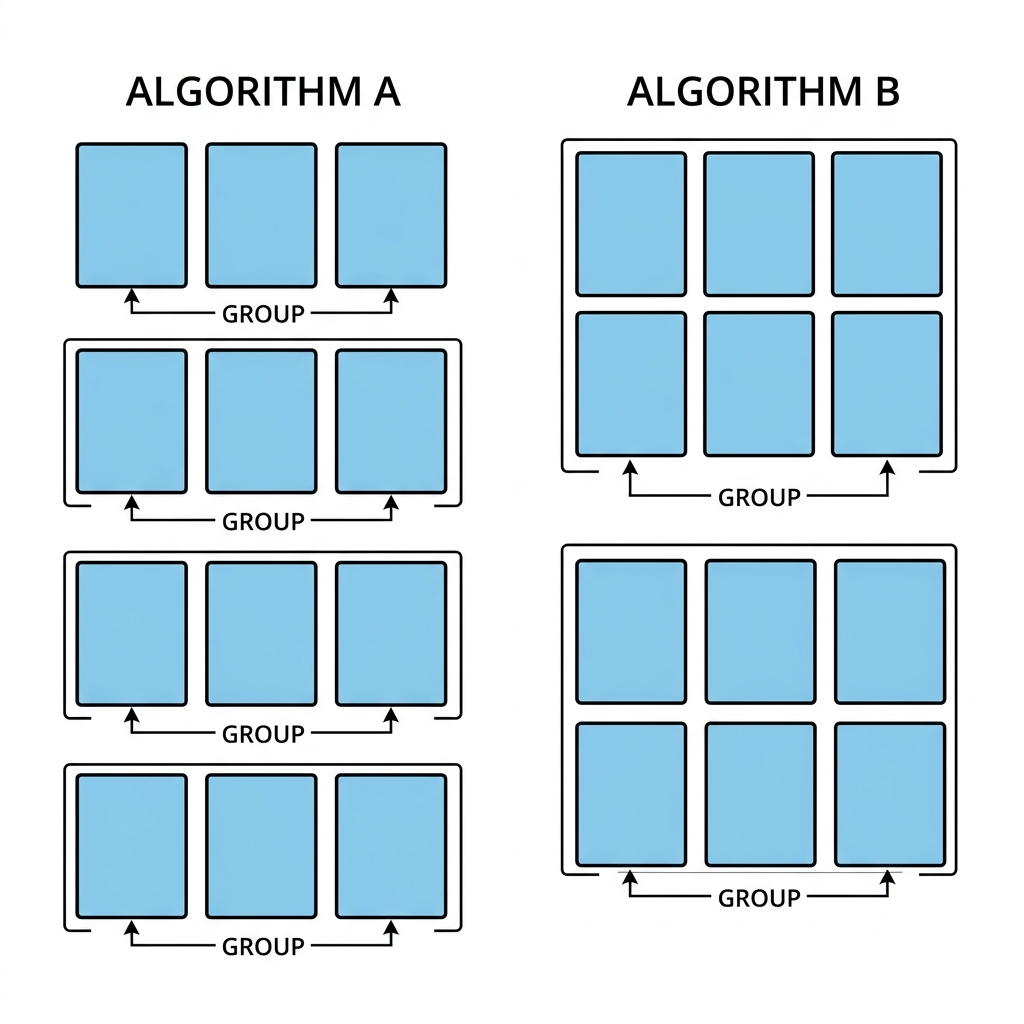
You might think that a computer science lesson for third grade needs to be full of blinking lights or complex coding syntax. This is not that. Instead, Choosing the Best Way to Solve a Problem focuses on the logic behind how we tell a computer what to do. It forces students to stop and think about their steps before they rush into a solution.
The core of this work is about algorithm evaluation and refinement. In class, I often saw students grab at the first idea they had, which usually resulted in a mess. This lesson pushes them to slow down and consider if there is a faster or more direct way to complete a task. It is a helpful exercise for students who need to practice organizing their thoughts, whether they are in an independent study program or catching up after missing class during the week.
Standard expectations and classroom reality
The lesson aligns with CA.CS.3-5.AP.10, which asks students to compare and refine multiple algorithms for the same task to find the most appropriate one. This is the California-adopted standard, and it is the same requirement taught in Fresno Unified, San Francisco Unified, Etiwanda Elementary School District, and Pacifica School District. It asks students to look past the completion of a task and instead analyze the path taken to get there.
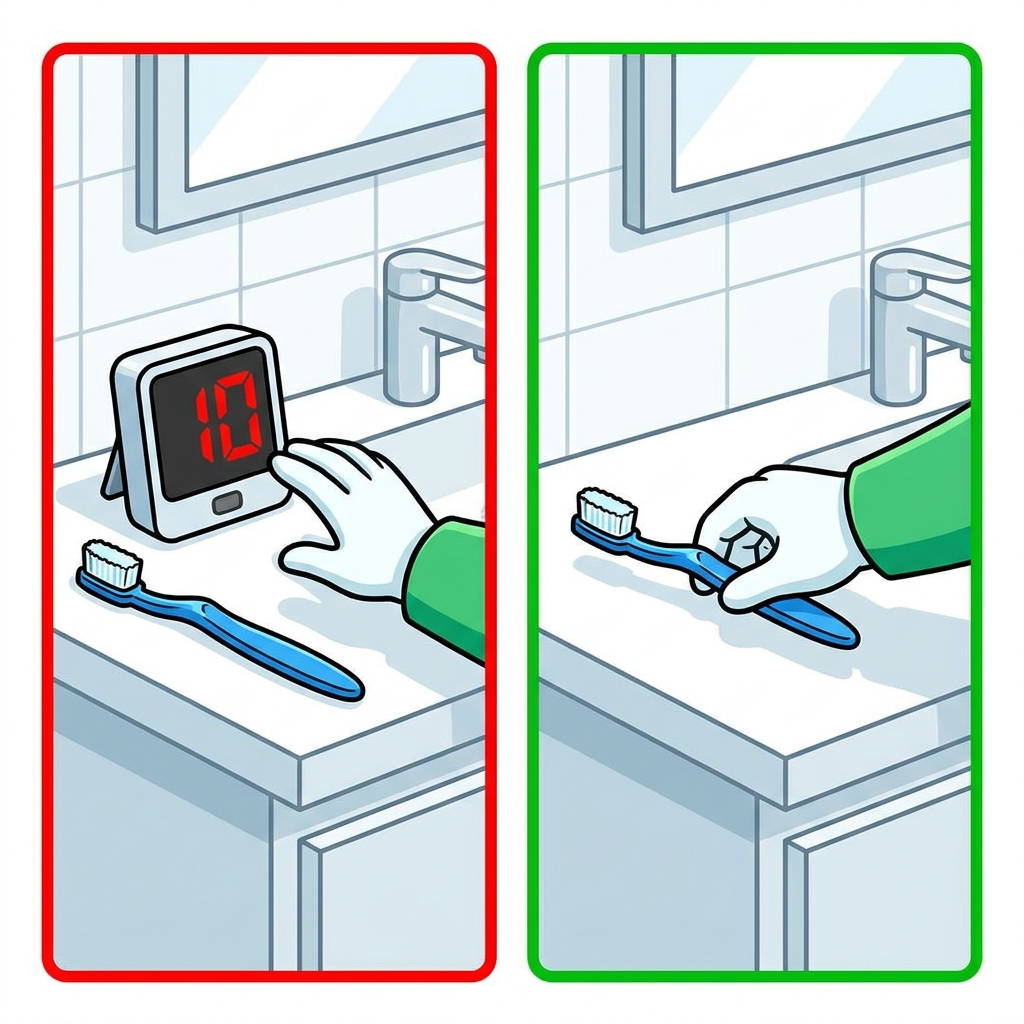
One specific part of this standard adds the requirement to determine which algorithm is the most appropriate. This forces a student to define what best means. Is it speed? Is it the fewest steps? By using terms like efficiency, the lesson gives students the vocabulary to articulate their choices. It defines an algorithm as a set of step-by-step instructions used to complete a specific task. Efficiency is then introduced as a measure of how fast or how few steps an algorithm uses to finish a task.
Practical application for your students
If you are looking for a reliable third grade computer science lesson, this fits well into an intervention block or a make-up day. It takes about 45 minutes to complete, which is manageable for most classroom environments. The scenarios are grounded in real life, such as sorting a deck of cards by suit or by color, or organizing library books by author versus by color. It avoids abstract jargon that can alienate younger learners.

I find that students sometimes struggle with the idea that there is more than one way to reach a goal. They tend to want a single correct answer. This lesson breaks that habit. It shows them that sorting by suit or by color are both valid algorithms for a deck of cards, but one might be much faster depending on how the cards were shuffled. When software engineers build apps for tablets, they follow this same thought process. They want code that runs fast. If an app runs slowly, they have to go back and refine that code to improve its performance.
This is a solid choice for a site administrator or a teacher managing independent study because it is self-contained. Students get to practice thinking like a programmer without needing a computer terminal in front of them the entire time. It grounds them in the concept of efficiency early on, which makes teaching more advanced logic in later grades much easier. Once they understand that their steps matter as much as the outcome, their ability to plan improves significantly across other subjects, too.
Related lessons
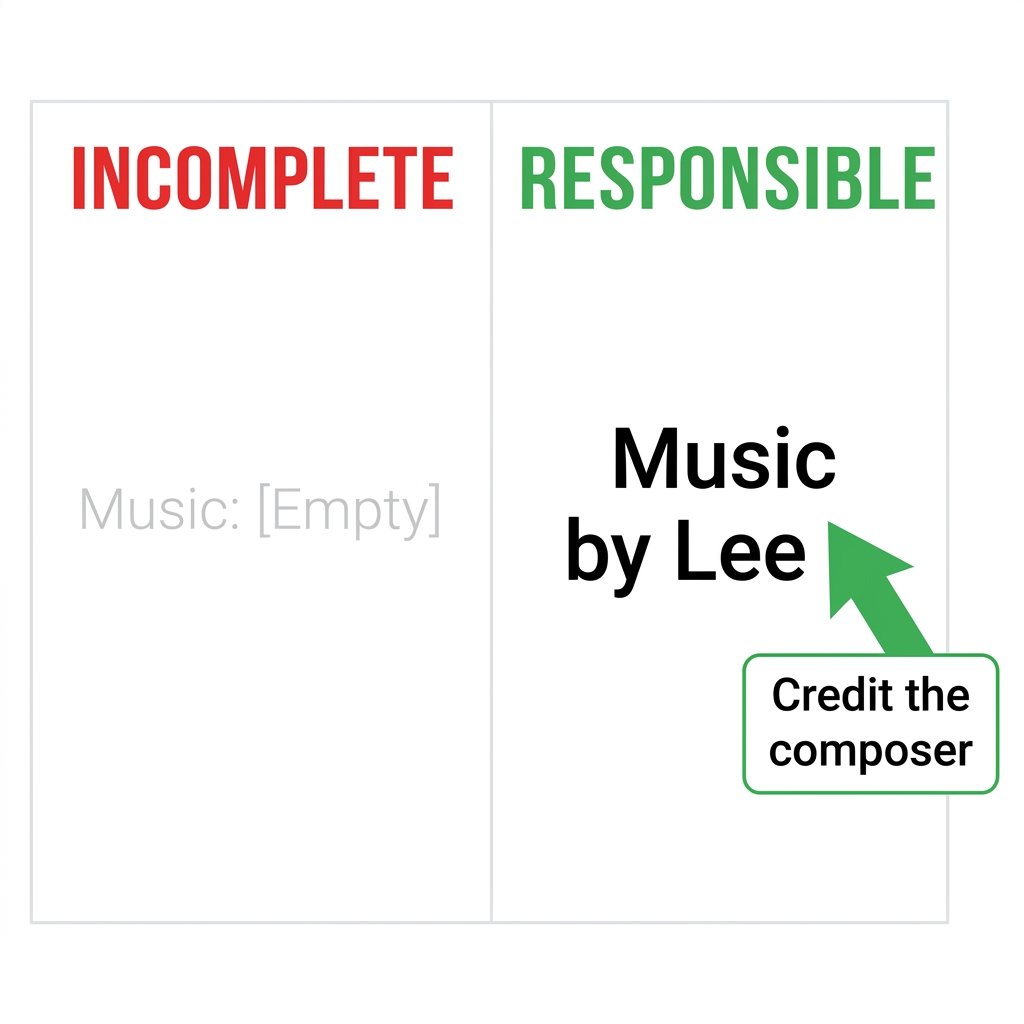
Giving Credit to Creators, teaching students how to properly attribute creative work
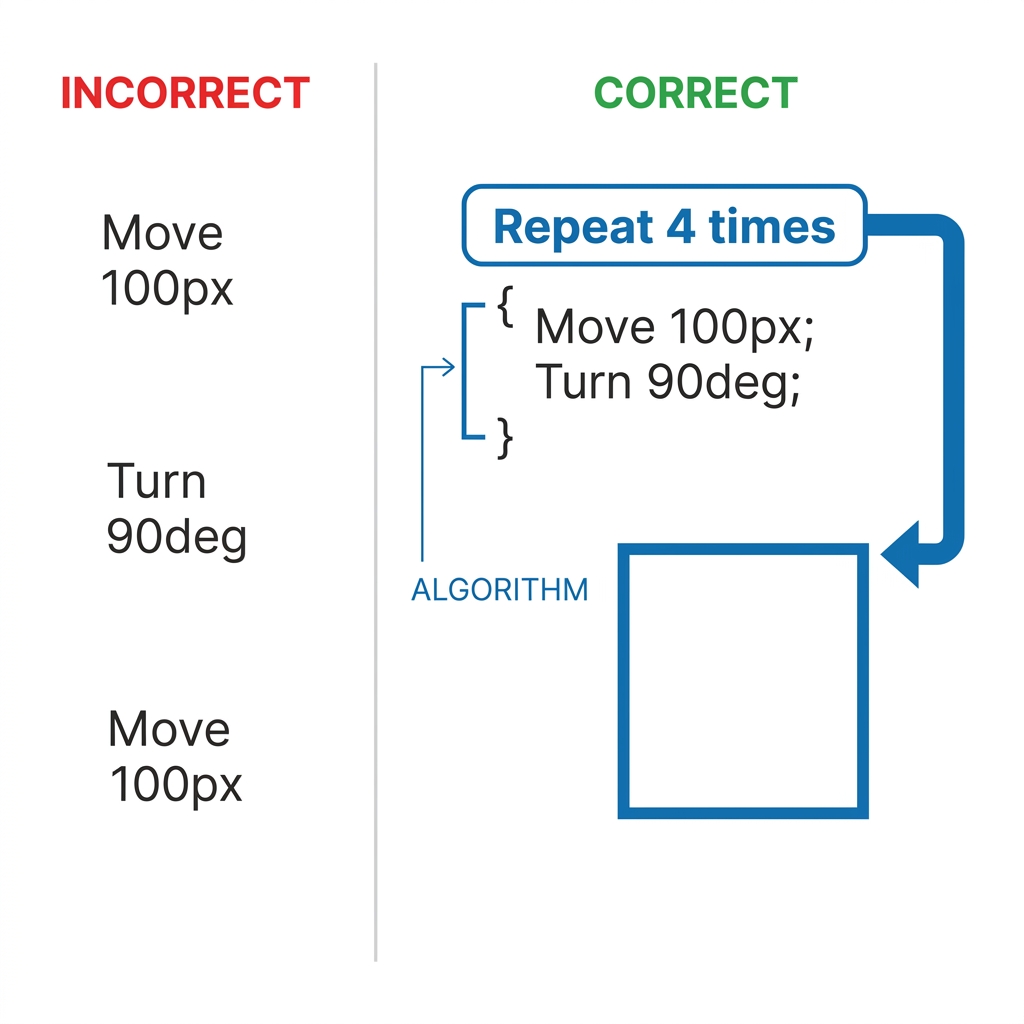
Finding and Fixing Bugs in Your Code, identifying errors and improving logic in basic programs
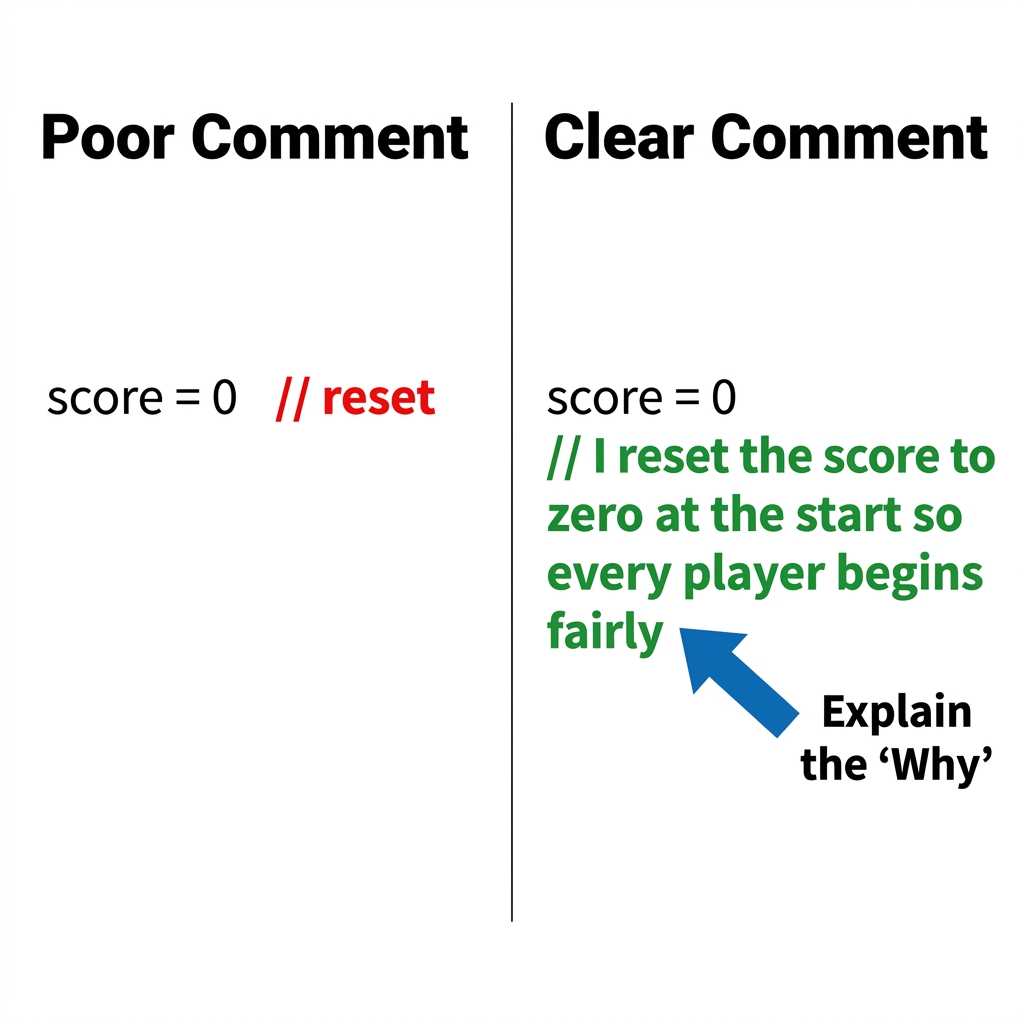
Explaining Your Code Choices, articulating the reasons behind specific programming decisions