

This lesson does not try to teach your students how to write a literary critique or how to perform a deep analysis of complex symbolism. Instead, Finding Themes and Summarizing Stories focuses on the essential skill of extracting the core message from a narrative and summarizing it without inserting personal bias. In 6th grade English Language Arts, this is the foundation for almost every other reading standard they will face.
The lesson starts by establishing that a theme is a lesson about life that the author wants the reader to learn. It uses a clear example of a knight facing a giant to save his kingdom. This scenario makes the theme of courage very concrete for students because courage is the ability to do something difficult even when you are afraid. By observing how characters act, students can start to name the theme, which is the central message or underlying lesson about life that a story teaches.
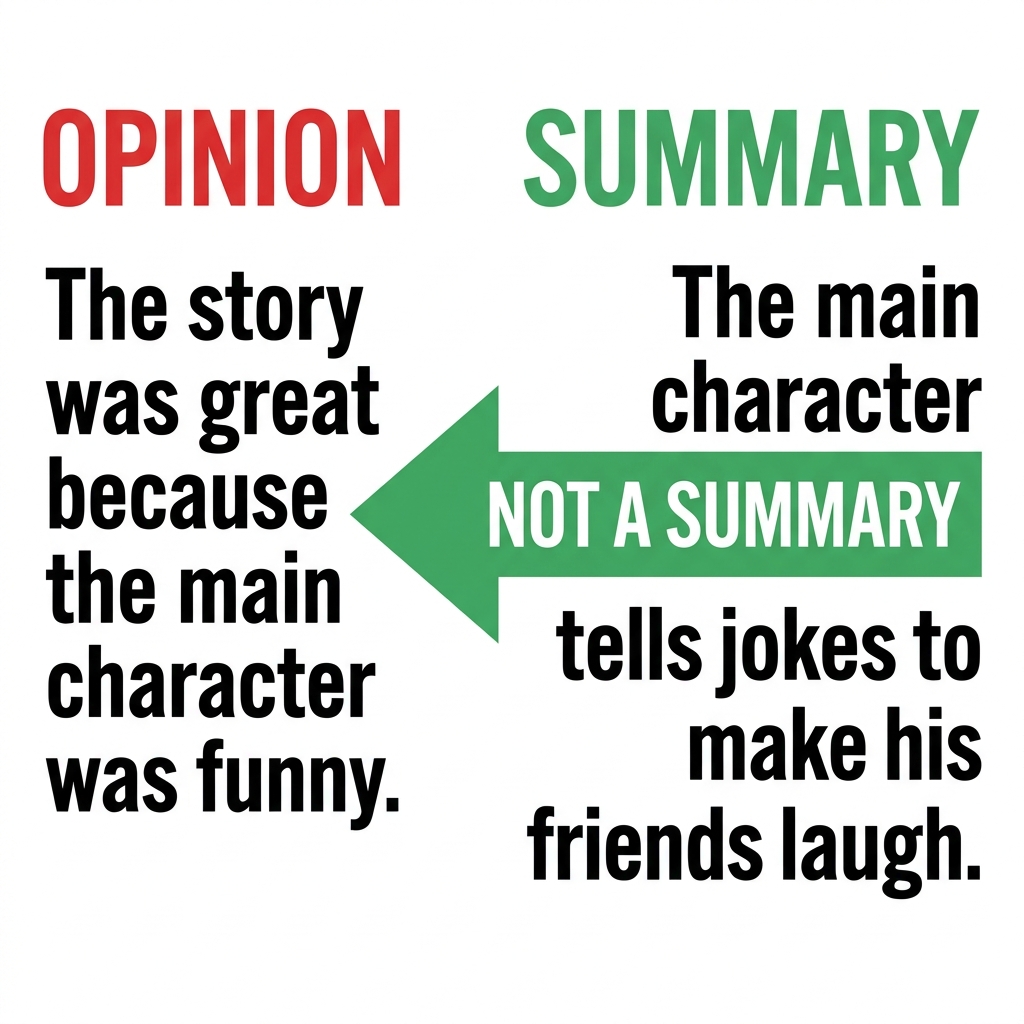
Teachers in California districts like Santa Ana Unified, Torrance Unified, Center Joint Unified, and Hayward Unified use this same standard because it sets the baseline for comprehension. The lesson covers the requirement for students to look for clues throughout the story. After the introduction, the students practice with a passage about a community rebuilding a bridge after a storm. This 6th grade theme and summary lesson asks them to produce an objective summary. An objective summary is a brief, factual account of the main events in a story that does not include personal feelings or judgments. Helping students understand that their personal take on a character is not the same as a summary is often the hardest part of this task.
Aligning with state requirements
This resource covers CA.ELA.RL.6.2, which is the California-adopted standard. This standard asks students to determine a theme or central idea of a text and explain how that idea is conveyed through particular details. It also requires them to provide a summary of the text that remains distinct from their personal opinions or judgments. When you also consider CCSS.ELA-LITERACY.RL.6.2, you are addressing the same expectations for Key Ideas and Details, where the sub-standards serve to reinforce the need for evidence and objectivity in student responses.

I find that students often struggle when they are asked to stop injecting their feelings into their summaries. They want to tell you whether the knight was a good person or if the community was right to rebuild the bridge. This lesson is useful because it forces them to stick to the facts of the sequence of events. You can use this for a whole-class assignment, for a student who missed the week, or as a targeted intervention for those who are still learning to strip their opinions out of their writing.
Where students slip
The transition from identifying a character’s traits to identifying a theme is a common place where middle schoolers get tripped up. They often mistake the subject for the theme. They might say the theme is a knight, but that is just a noun. The theme is the lesson taught by the knight’s actions. If you notice your students consistently defaulting to summarizing by listing plot points rather than articulating the author’s message, this lesson provides the structure they need to get back on track.

Understanding themes and writing objective summaries matters in real life. When students eventually read the news, they need to know the facts without the reporter’s opinion. When they read complex instructions, they need to know exactly what to do. If this skill is shaky, their later work with argumentative writing or analyzing literature becomes much harder. Keep an eye on the bridge passage during guided practice. If they can summarize those specific events without saying they liked the story, they are ready to move on.
Related lessons
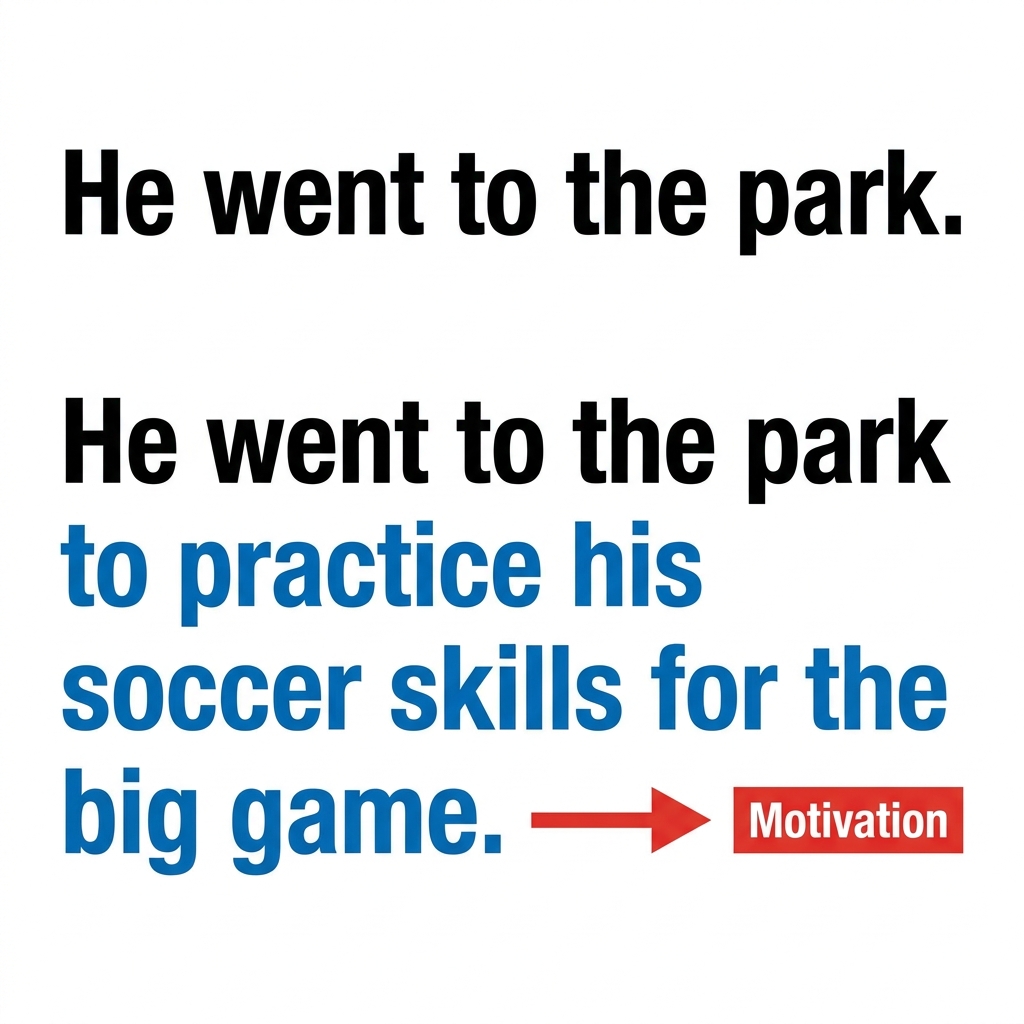
Understanding Character Motivation and Plot, Lessons on identifying character motivations and major plot developments

Analyzing Central Ideas and Textual Evidence, Practice in finding central ideas and supporting with evidence
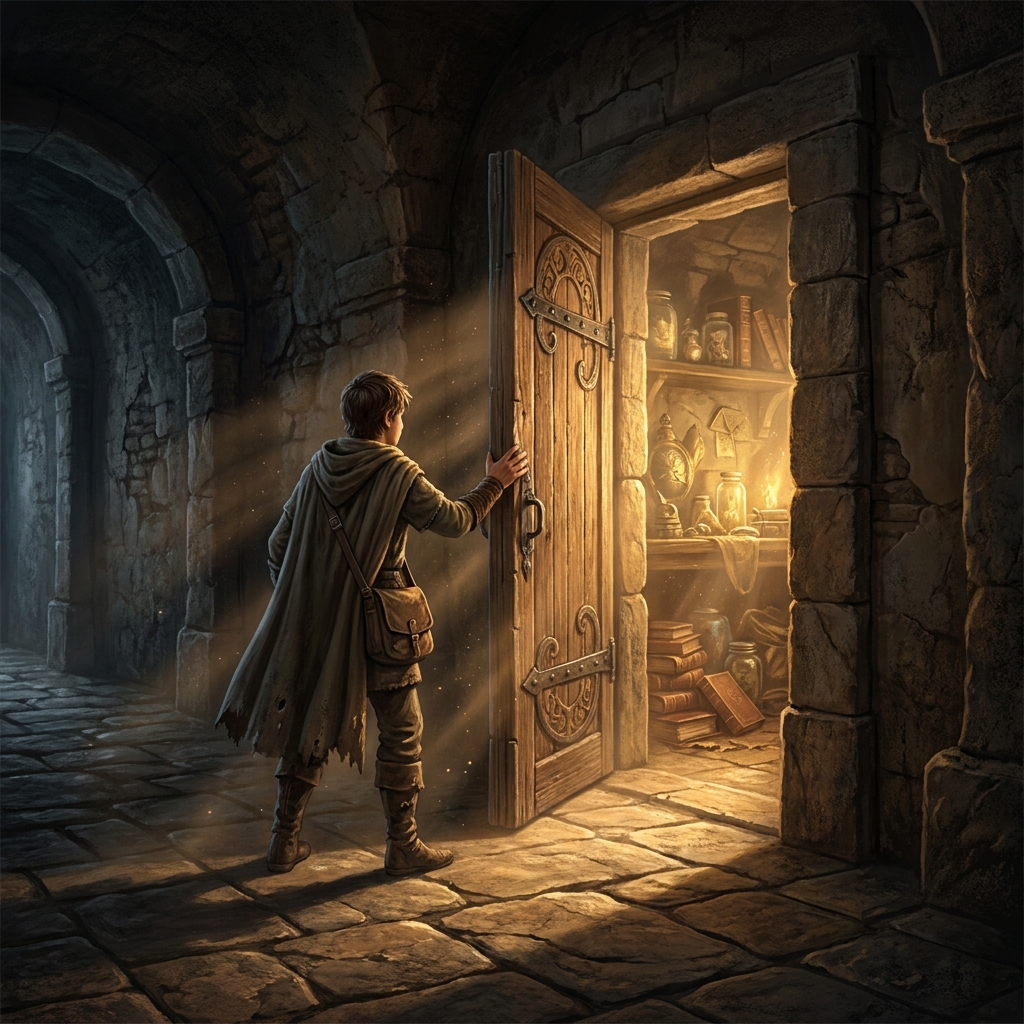
Building Stories: How Parts Create the Whole, How individual story parts contribute to the complete narrative