

When we get to the middle of the school year, science time often starts to feel like a luxury that our schedule can no longer afford. Between prepping for state testing windows and catching up on foundational literacy, the Earth and space sciences units sometimes get pushed to the margins of the calendar. This Natural Events in California lesson does not try to turn your seven-year-olds into geologists, but it does manage to cover the core concepts in a neat 45-minute block. It is a solid choice for a substitute day, an independent study module, or as a way to catch up a student who missed the week while the rest of the class was doing hands-on experiments.
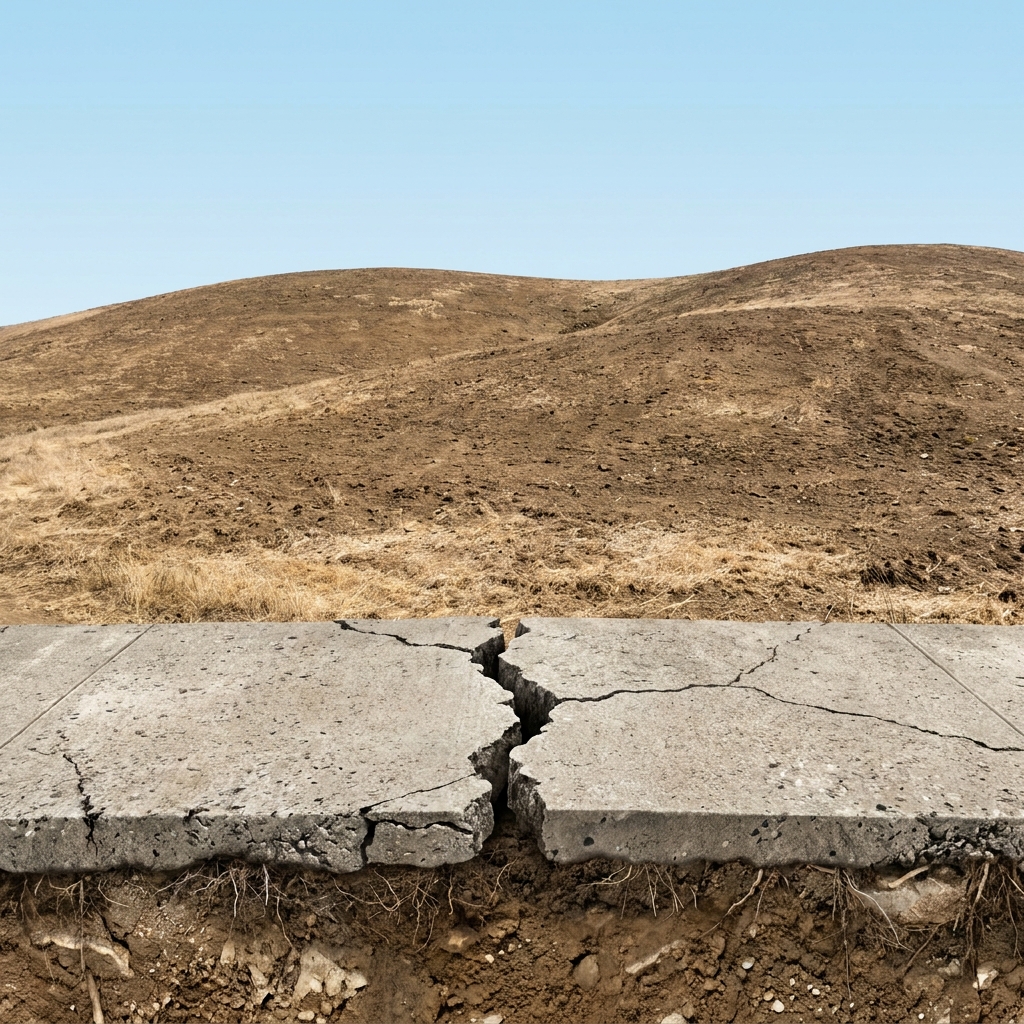
This 2nd grade science lesson introduces students to how natural events like earthquakes, wildfires, and floods shift the landscape around them. It defines a natural event as a change caused by nature and asks students to think about how these changes affect a community, which the lesson defines as the group of people who live, work, and play in the same area. The work is straightforward. Students look at how an earthquake might crack a sidewalk or how a wildfire clears a hillside of its plants. The material explains that because our state has such a unique landscape with dry summers and mountains, these events occur frequently. It frames the study as a way to help us protect our state’s diverse natural parks and prepare our homes.
What the lesson actually asks students to do
The lesson asks students to move beyond just naming these disasters and instead explain their physical impact on the environment. The text frames it clearly: “Describe how natural Earth events in California, such as earthquakes, wildfires, and floods, affect local communities and the natural environment.” This is the primary objective of the CA.2-ESS1-1.EPC standard. In the California context, this standard integrates the Environmental Principles and Concepts, focusing on how human communities interact with the natural world. Whether your students are in Los Angeles Unified, Elk Grove Unified, Brawley Elementary School District, or Martinez Unified, they are all tackling these same California-adopted standards.
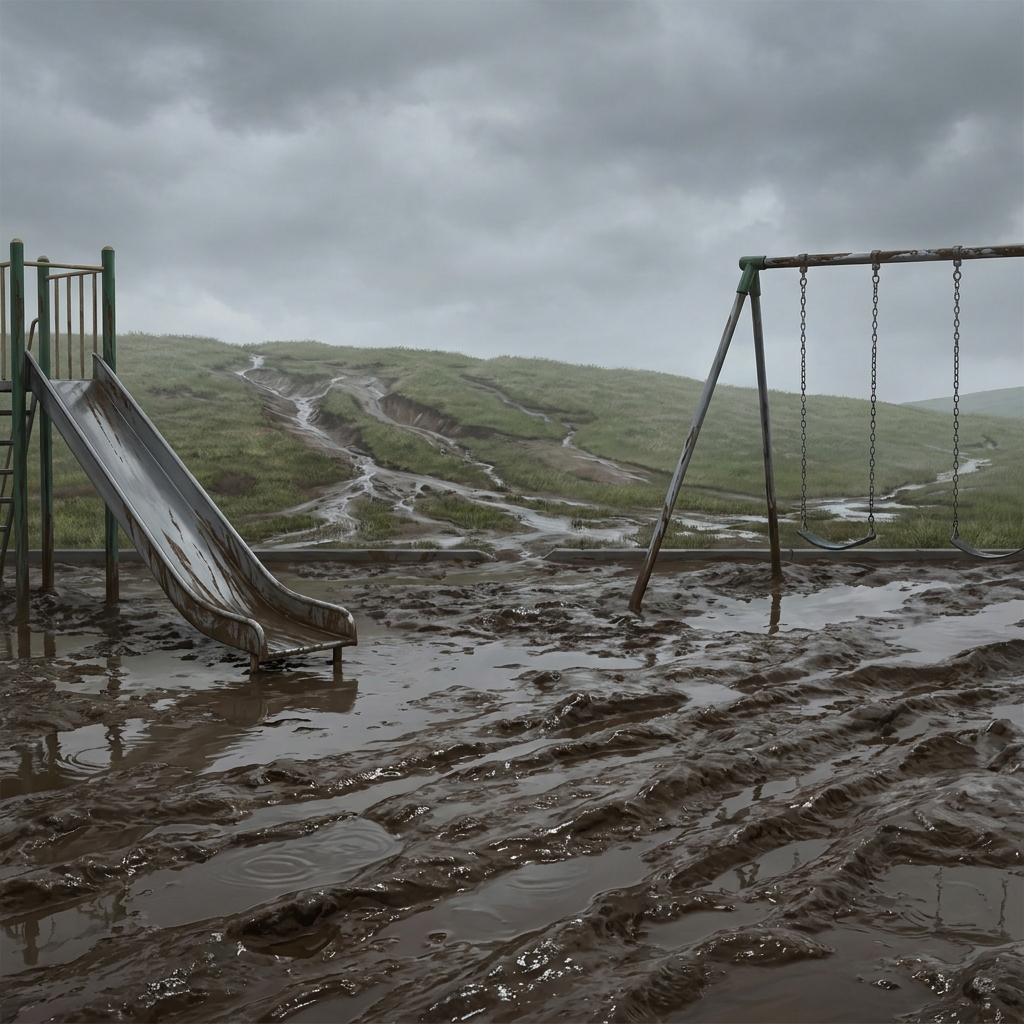
The guided practice is the highlight of the lesson. Instead of just reading about an abstract event, students have to imagine a specific scenario involving a park flooded by an overflowing river. It connects the concept of the environment, the land, plants, and water, to something they can visualize. I have found that students often focus only on the damage, so having a lesson that forces them to describe exactly how the water affects the path or the park helps them build a more accurate scientific vocabulary. By the end, they should know that the environment is dynamic, not static, and that these events happen because of our geography.
Where students slip
The biggest hurdle I see with this second grade natural events lesson is the tendency for students to treat these events as strictly negative or even scary. While the lesson does not ignore the reality of these events, it keeps the focus on the scientific observation of changes to the land. I appreciate that it treats earthquakes and floods as environmental phenomena rather than just tragedies. If you have a student who is particularly anxious, keeping the conversation tied to these specific examples helps ground their thinking in science rather than fear. It is a clean, simple digital resource that provides a coherent structure when you do not have the time to set up a full classroom demonstration.
Related lessons
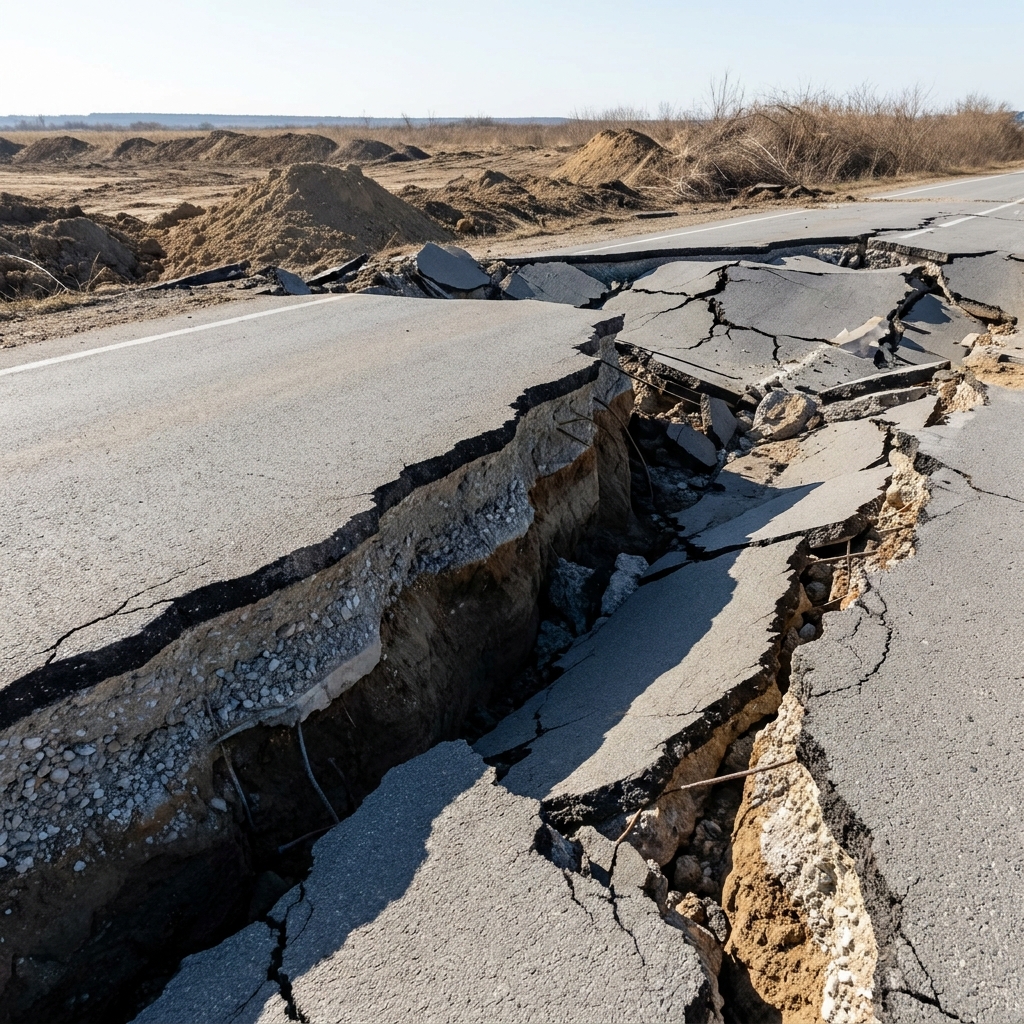
How Earth Changes, Covers the mechanisms that alter the surface of our planet
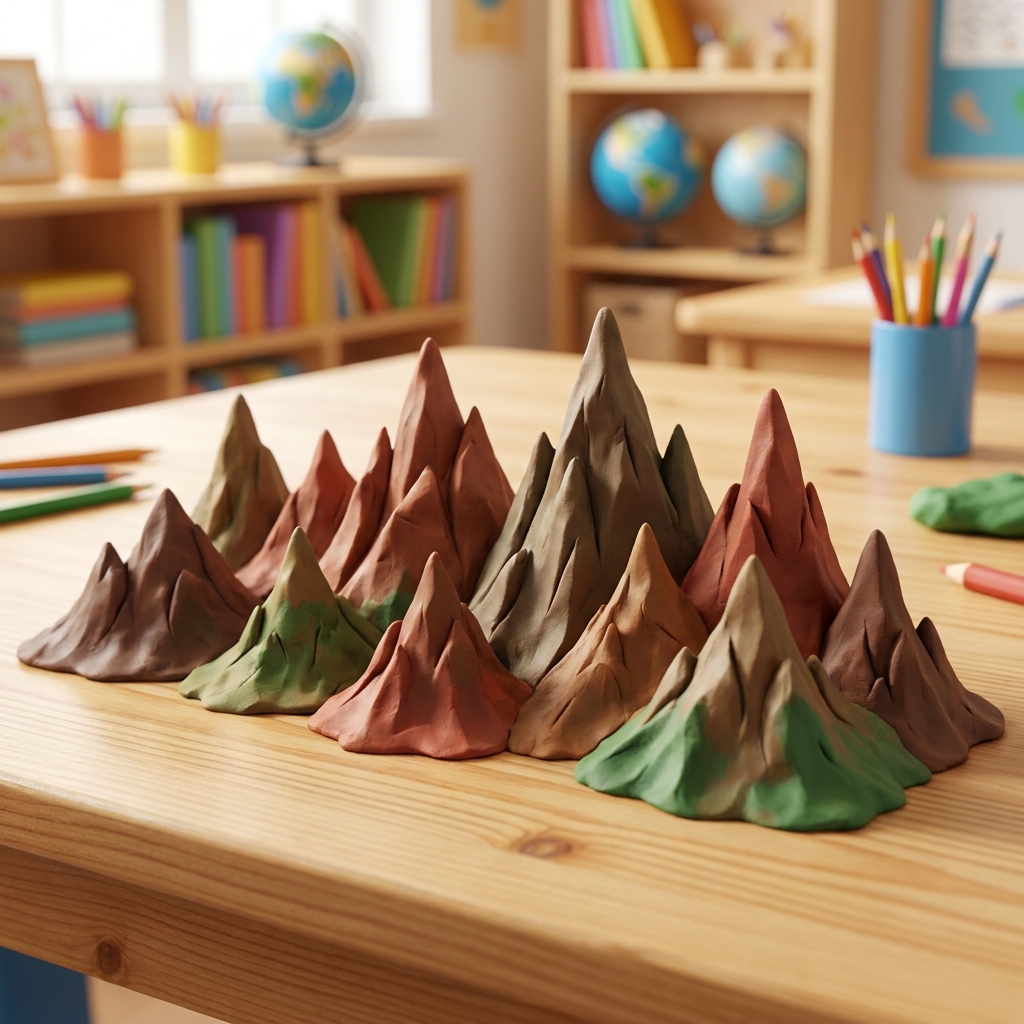
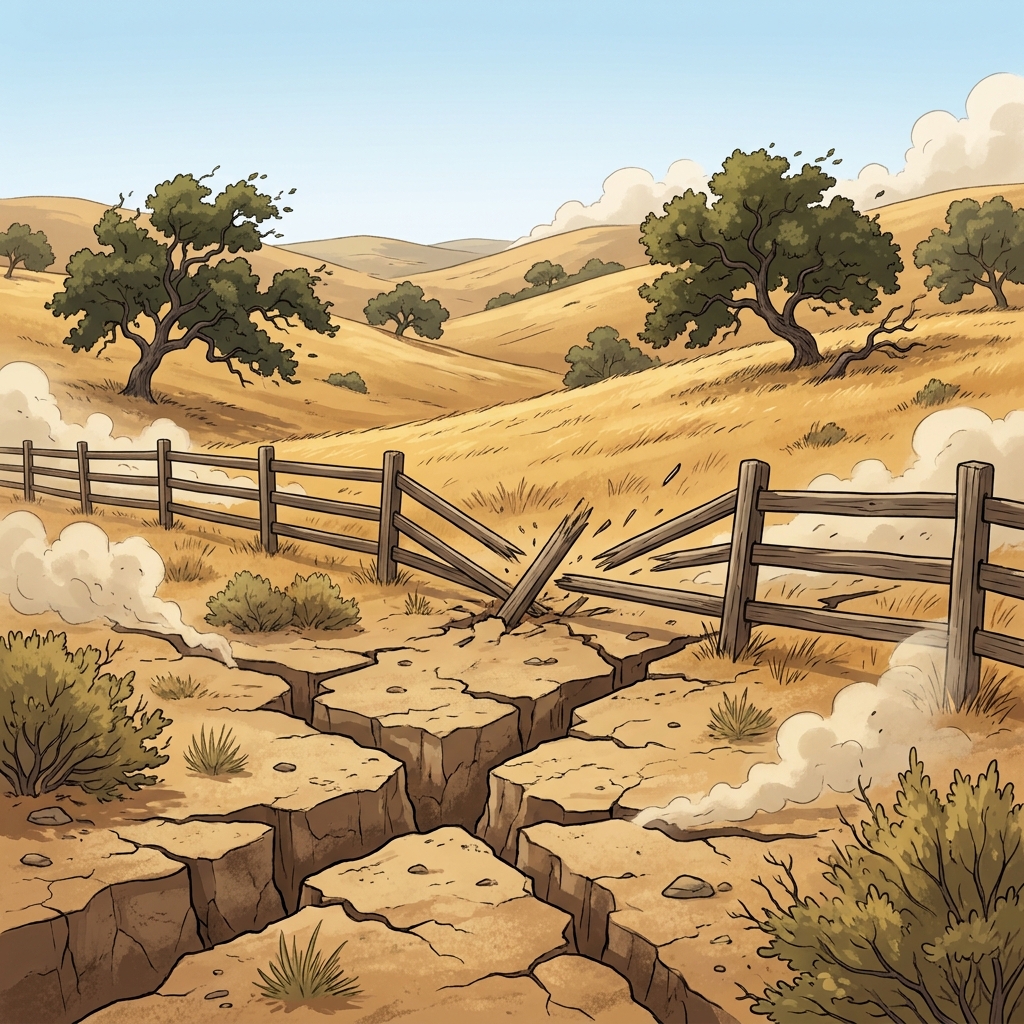
Exploring California's Land and Water, Investigates the varied geography found throughout the state
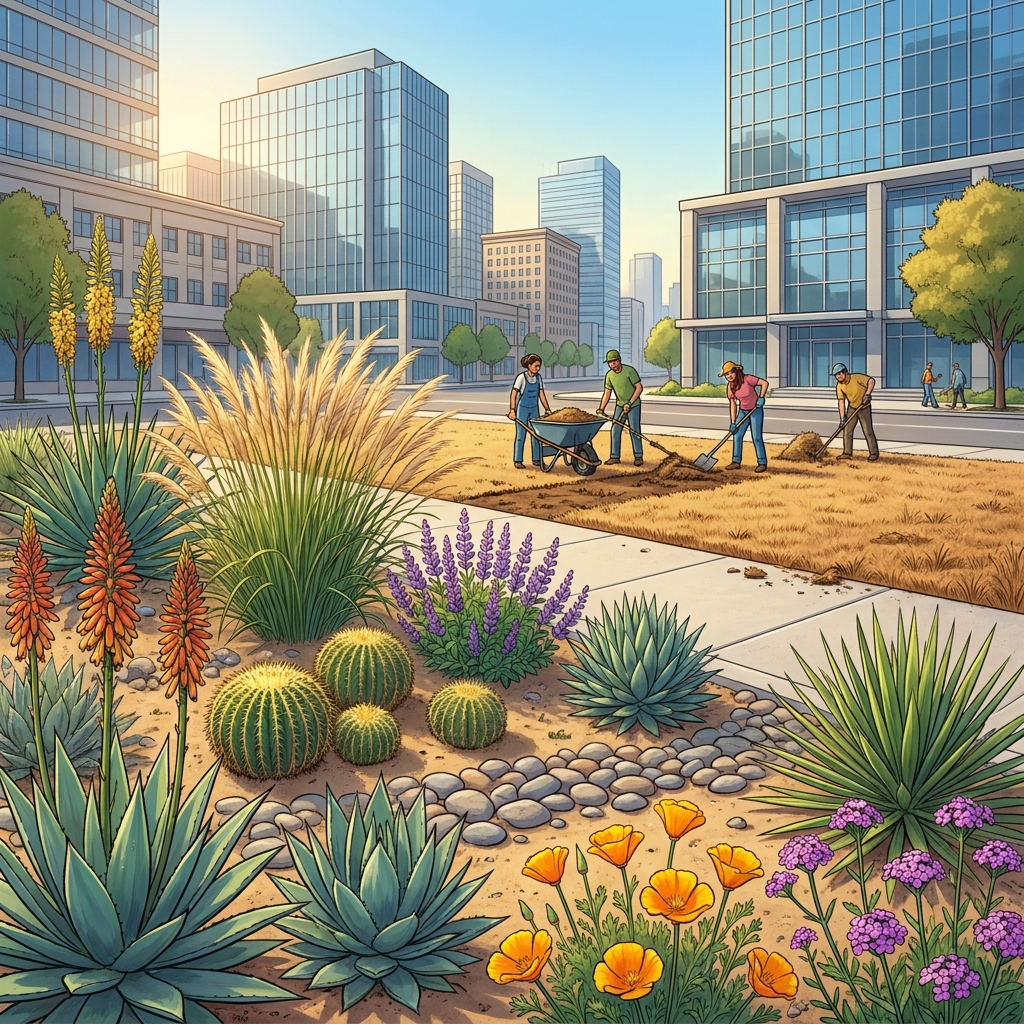
Saving Water in California, Discusses the importance of water conservation in local communities