

A colleague once asked me how to handle the inevitable pile-up of arithmetic gaps in my 2nd grade mathematics block. We all know how it happens. You plan for a week of place value exploration, and then a fire drill, a shortened day, or a slew of absences throws off your rhythm. By the time the calendar moves to heavier addition and subtraction work, you have half the room ready to move on and the other half still fumbling with the difference between a ten and a one. This is exactly where the Adding and Subtracting Within 100 lesson acts as a reset button for your classroom.
This material is built for 2nd grade math, specifically focusing on the number and operations in base ten domain. It centers on the core concept of using our understanding of tens and ones to perform calculations, rather than just memorizing standard algorithms that often confuse students before they have a firm grasp of the underlying math. It is a clean, focused resource that helps students build mental fluency. Teachers in Corona-Norco Unified, Los Angeles Unified, Stanislaus Union Elementary School District, and San Leandro Unified all work with the same standard, as these expectations are consistent across the state of California.
The foundation of the standard
The primary standard being addressed here is CA.MATH.2.NBT.5, which requires students to fluently add and subtract within 100. The standard asks students to use strategies based on place value, properties of operations, or the relationship between addition and subtraction. It also includes the sub-standard CCSS.MATH.2.NBT.B.5, which is the same requirement for fluency within 100. In the California context, this standard asks us to ensure students are not just getting the right answer, but demonstrating computational fluency through efficient strategies while keeping track of single-digit sums from memory. It is a significant shift for a student who is used to counting by ones.
The lesson starts with a refresh on what numbers actually are. It reminds the class that numbers are composed of tens and ones. It defines place value as the value of a digit based on its position in a number, such as the tens place or the ones place. For instance, the lesson explains that a set of 24 blocks has two tens and four ones, while 13 blocks consists of one ten and three ones. I find this visual reminder necessary for the students who missed the earlier units on base ten blocks. Without this initial grounding, the later work with addition and subtraction often falls apart.
How the lesson visualizes math
Once the concept of position is established, the lesson moves into a worked example that is quite helpful for students who struggle with abstract math. It introduces a number line as a tool to see jumps of ten. The scenario provided is clear: if we start at 50 and add 25, we jump two tens to 70 and then five ones to 75. It clearly states that addition moves us forward on the line. Seeing this jump visually helps students understand why we aren’t just magically moving digits around, but actually adding quantities.
The guided practice moves into a subtraction scenario. The class is asked to solve a problem involving 85 school supplies where 32 must be removed. This is a common situation for a student who is working on independent study or attending a makeup session. The vocabulary included in the lesson is essential for this work. Students learn that place value is the value of a digit based on its position, a sum is the total amount you get when you add two or more numbers together, and a difference is the amount left over after you subtract one number from another. Getting students to use this language is half the battle when they are explaining their work to you.
When to use this lesson
If you are looking for a 2nd grade math addition and subtraction resource, this one fits nicely into a few different classroom scenarios. It works well as a whole-class assignment if your curriculum moves too quickly for some students. It is also a very strong candidate for a student who missed the week, as it provides a self-contained explanation that does not require the student to have sat through the previous lectures. I also see this working for a substitute day, provided the students have already had some exposure to base ten, as it allows them to practice the skill independently without needing a complex set of manipulatives.
My one caveat is that while this lesson is excellent for building the necessary fluency, students will eventually need to move from the number line to more abstract mental math. This lesson is a bridge. It is not intended to be the only way they learn to subtract, but rather a way to build confidence. If you see a student still counting on their fingers after working through this, they likely need another pass at the place value foundations before they try more complex three-digit operations.
Why the context matters
I appreciate that the lesson includes a why-it-matters statement. It points out that cashiers use these exact place value skills every day to help customers calculate what they owe and what change they should receive. It is a small detail, but it gives a student a concrete reason to care about why we use tens and ones rather than just counting every single object individually. When a student sees that the math inside the classroom matches the world they see at the checkout counter, their motivation tends to increase. This specific lesson keeps the focus tight on that transition from concrete place value understanding to the actual arithmetic of adding and subtracting.
Related lessons
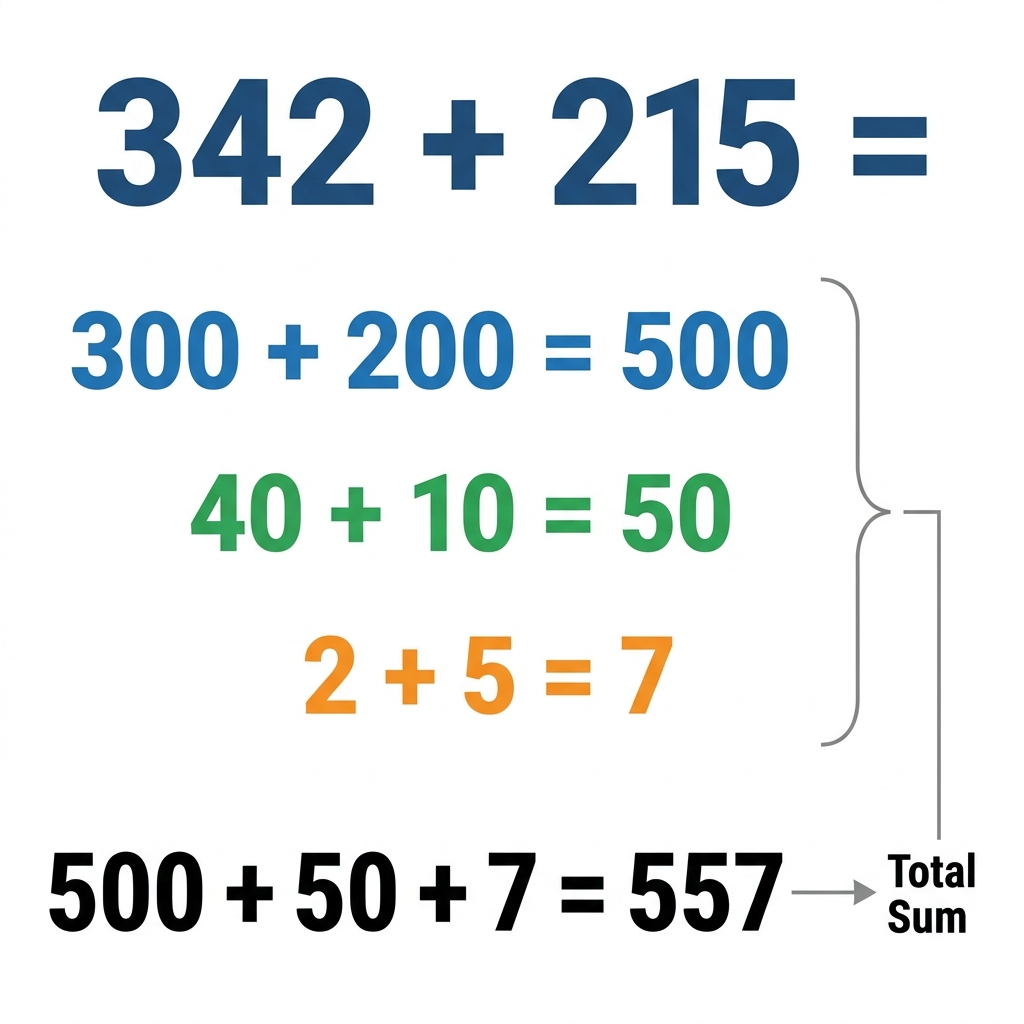
Adding and Subtracting Numbers to 1000, Extending addition and subtraction skills to three-digit numbers
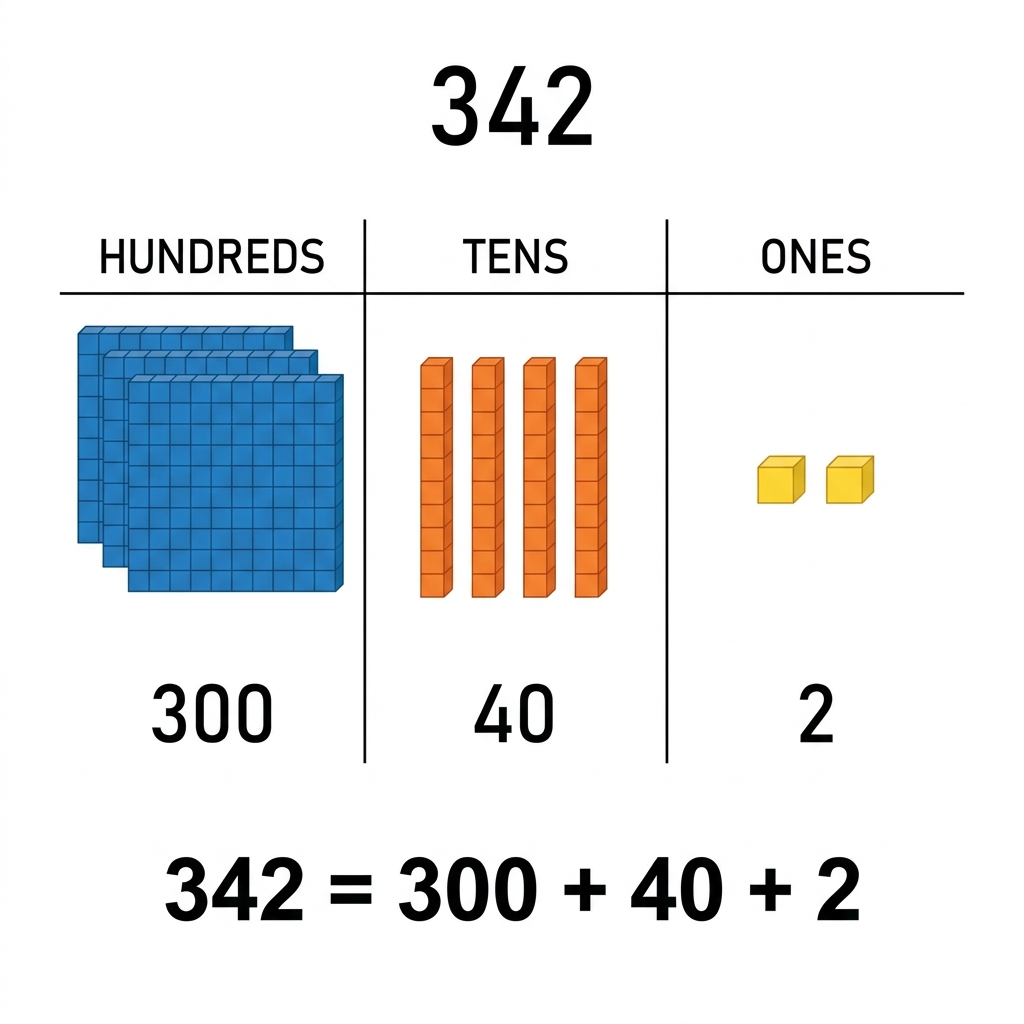
Understanding Three-Digit Numbers, Deepening knowledge of place value into the hundreds place
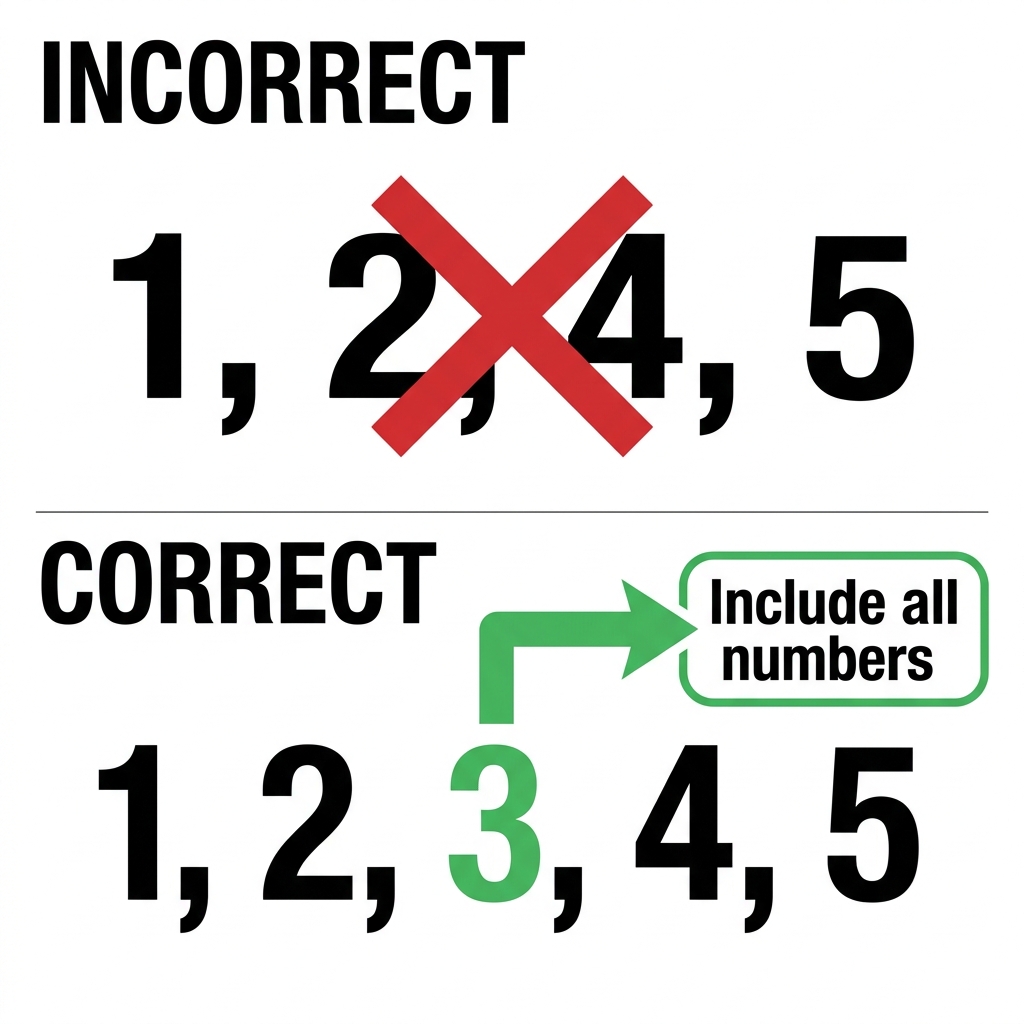
Counting and Skip-Counting Numbers, Building number fluency through counting and skip-counting patterns