

When you teach photosynthesis to 6th grade science students, you almost always run into a specific, stubborn misconception. Many students arrive at the topic firmly convinced that plants get their mass from the soil. They see a tree and assume it is eating dirt the way an animal eats a meal. It is a logical guess based on what they see when they plant seeds in a garden, but it is scientifically incorrect. Helping students shift their thinking to understand that trees are actually built from the air is a major hurdle for any life science teacher.
Photosynthesis and the Cycling of Matter is a lesson designed to dismantle that soil-based misconception early on. It does not just hand students the answer. Instead, it walks them through a series of logical steps to see how living things really function. It is a solid choice for a whole-class introduction, or you could keep it in your back pocket for a student who needs a targeted intervention after falling behind on the basics of biology.
How the lesson builds understanding
The lesson starts with a clever opener involving a candle and a sealed glass jar. By showing that a flame needs oxygen to stay lit, the lesson provides a tangible example of how energy usage is tied to the gases in our atmosphere. This sets the stage for the core concept: that plants do not just sit there, but actively interact with the gases around them. The material defines the essential vocabulary clearly, explaining that photosynthesis is the process by which plants and other organisms use sunlight to turn carbon dioxide and water into food. Matter is described as anything that has mass and takes up space, such as the atoms that make up air, water, and plants. Finally, energy is defined as the ability to do work or cause change, which flows into organisms through sunlight and is stored in food.
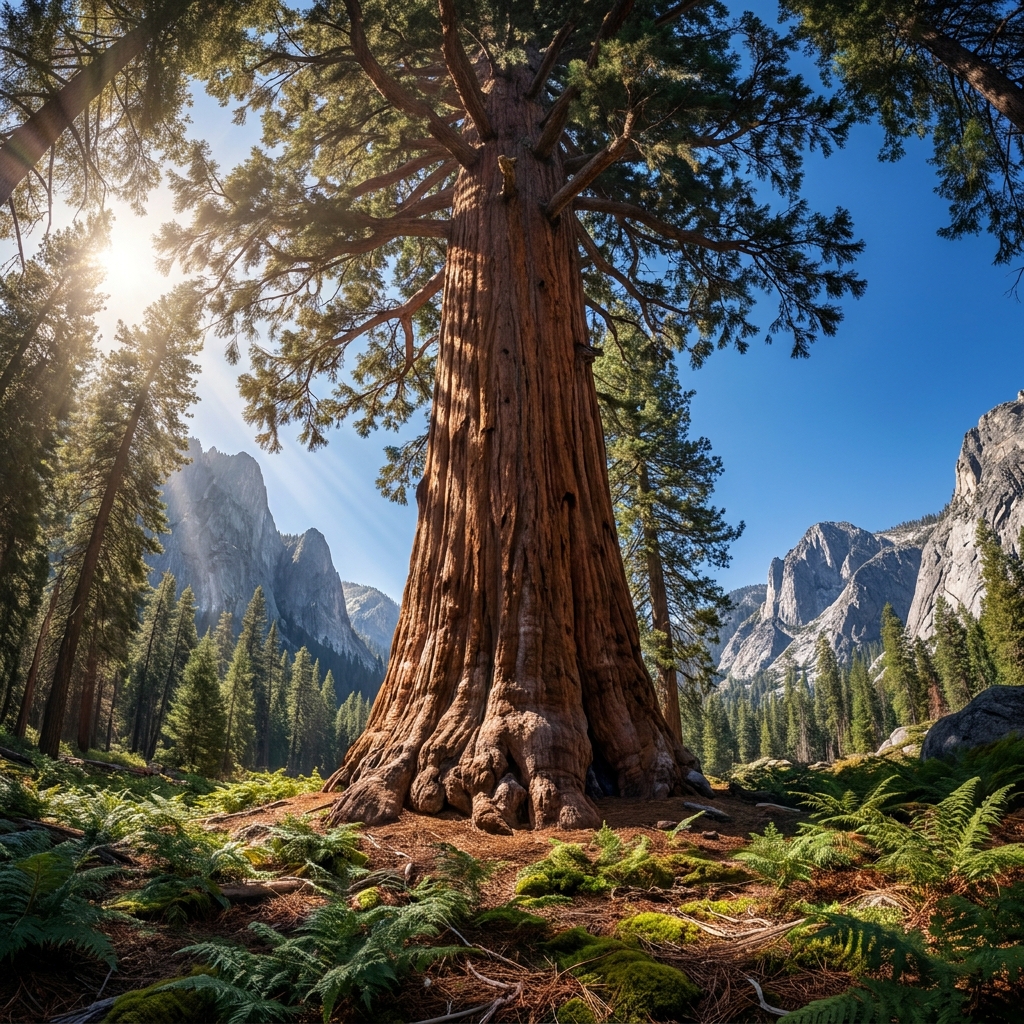
To make this abstract idea stick, the lesson uses the example of a giant sequoia tree in the Sierra Nevada mountains. It is a fantastic scenario because it forces students to reconcile the massive size of the tree with the reality of its food source. The text explains that the wood of the tree is actually made of carbon that the tree pulled from the air during photosynthesis. This single sentence anchors the entire concept in a way that is easy for a sixth grader to visualize. Whether you are teaching in Montebello Unified, Los Angeles Unified, Tustin Unified, or Paramount Unified, you are covering the same scientific principles that describe how life sustains itself across the state.
If you need a reliable middle school photosynthesis lesson to use during a substitute day or for independent study, this one works well because it focuses on a specific, manageable phenomenon. After the giant sequoia example, students move into guided practice where they examine a drought-resistant shrub in the Mojave Desert. They have to apply their new knowledge to explain how that shrub survives with very little water. It is a practical test of whether they understand that matter is being cycled and energy is being moved into the plant.
Meeting the California standards
The core of this material is built around the primary standard MS-LS1-6. This standard asks students to construct a scientific explanation based on evidence for the role of photosynthesis in the cycling of matter and flow of energy into and out of organisms. It is a key requirement of the California-adopted standard for the middle school life science curriculum. This standard, which we track as CA.MS-LS1-6, recognizes that students need to go beyond simple definitions. They must use the evidence they have learned to explain the “how” and the “why” of plant growth. Because California uses an integrated science model, this standard is contextualized within our local phenomena, ensuring that students connect what they learn to the world right outside their classroom window.
I personally appreciate how the lesson does not overcomplicate the biological pathways. It stays focused on the balance of matter and energy. The why-it-matters statement is particularly good at connecting these scientific concepts to the student’s own life, reminding them that photosynthesis is the start of the food chain. Without it, there would be no food for animals or humans. It also helps regulate the air we breathe by removing carbon dioxide. That is a concrete reality that hits home with my students much faster than chemical formulas ever do.
The lesson takes about 45 minutes to complete. It is tight and focused, which makes it perfect for when you are short on time. I find it works best if you give students a few minutes to talk through the candle-and-jar scenario in small groups before they get to the sequoia example. Hearing them debate why the flame goes out usually leads them exactly where you want them to be when you talk about the air intake of plants. It is one of those lessons that feels complete without being bloated with unnecessary extras.
Related lessons

Interactions in California Ecosystems, Explores how organisms depend on each other for survival

Embryos and Evolution, Investigates how development patterns reveal evidence of common ancestry
How Your Brain Processes the World, Examines how sensory input is interpreted by the human brain