

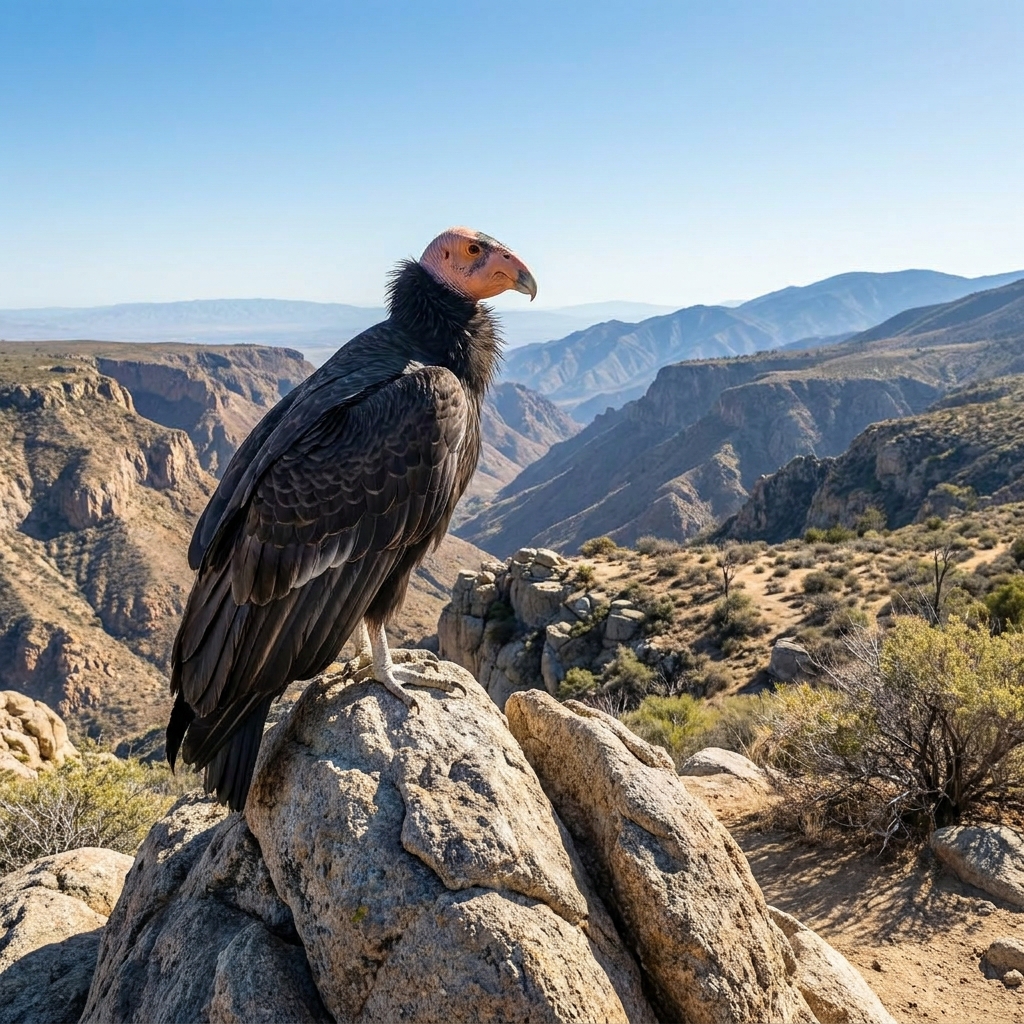
When you tell your 8th grade science students that the California Condor population grew from just a few birds to over 500 through captive breeding, you can see the lightbulb go on. It is a concrete, hopeful example that shows students exactly what a successful recovery program looks like.
How the California Condor recovery program changes student thinking
This specific scenario is the core of Evaluating California’s Biodiversity Conservation, a lesson designed to move students past just identifying a plant or animal and into the practice of measuring environmental impact.

This lesson is a key stop on the learning path for your students. If they do not grasp how to judge whether a restoration project is actually working, they will struggle when they move into more complex discussions about human impact on climate later in the year. It rests on a basic understanding of what biodiversity is, but it adds the critical layer of evidence-based evaluation. Teachers in Long Beach Unified, Fontana Unified, Marysville Joint Unified, and El Rancho Unified know that integrating these concepts is essential to the state framework.
What the lesson actually asks students to do
The main objective here is to evaluate the effectiveness of California’s conservation projects by using data to see if they truly help ecosystems recover. The lesson introduces three essential vocabulary terms that act as anchors for the work: Biodiversity, which is the variety of different plant and animal species living in a specific environment; Habitat Restoration, which is the process of repairing damaged environments to help native plants and animals thrive again; and Marine Protected Area, which is a part of the ocean where human activities like fishing are limited to help sea life recover and grow.
Students start by looking at a school garden project as a way to understand local biodiversity. From there, they move into a guided practice session focused on a wetland restoration project in the San Francisco Bay. They have to explain why wetlands are vital, specifically how they filter water and serve as homes for birds and fish. If your students are working on a 8th grade conservation effectiveness lesson, this is the part where they really start to grapple with the difference between a good intention and a measurable result.
Aligning with state standards
This lesson serves the CA.MS-LS2-5.EPC standard. This requirement asks students to evaluate how well conservation efforts, such as species recovery programs, habitat restoration, and marine protected area networks, actually work. It is part of the California-adopted standards that integrate Environmental Principles and Concepts into the middle school life science model. The lesson highlights that our well-being is tied to the health of these ecosystems, a concept known as human dependence on natural systems. Students learn that healthy ecosystems provide services like climate regulation and water purification, and that protecting biodiversity is how we maintain those services for everyone.
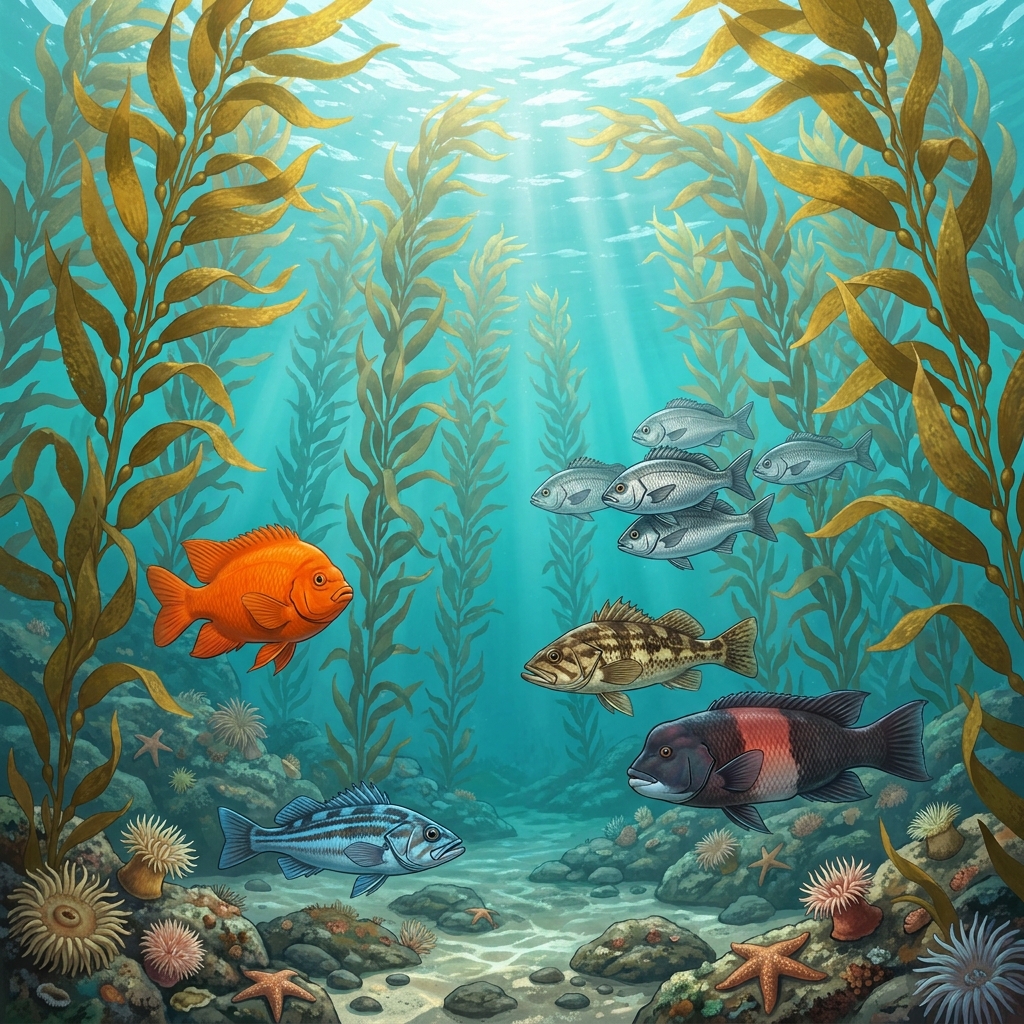
I find this lesson works best as a whole-class assignment because the guided practice on the San Francisco Bay wetlands invites so much good debate. However, it is also a solid choice for a student who missed the week and needs to catch up on the life science requirements, or as a structured activity for an independent study session. Just be prepared for students to ask why some restoration projects take so much longer to show results than others, as that is where they often get hung up. It is a great question that leads directly back to the data they are evaluating in the lesson.
Related lessons
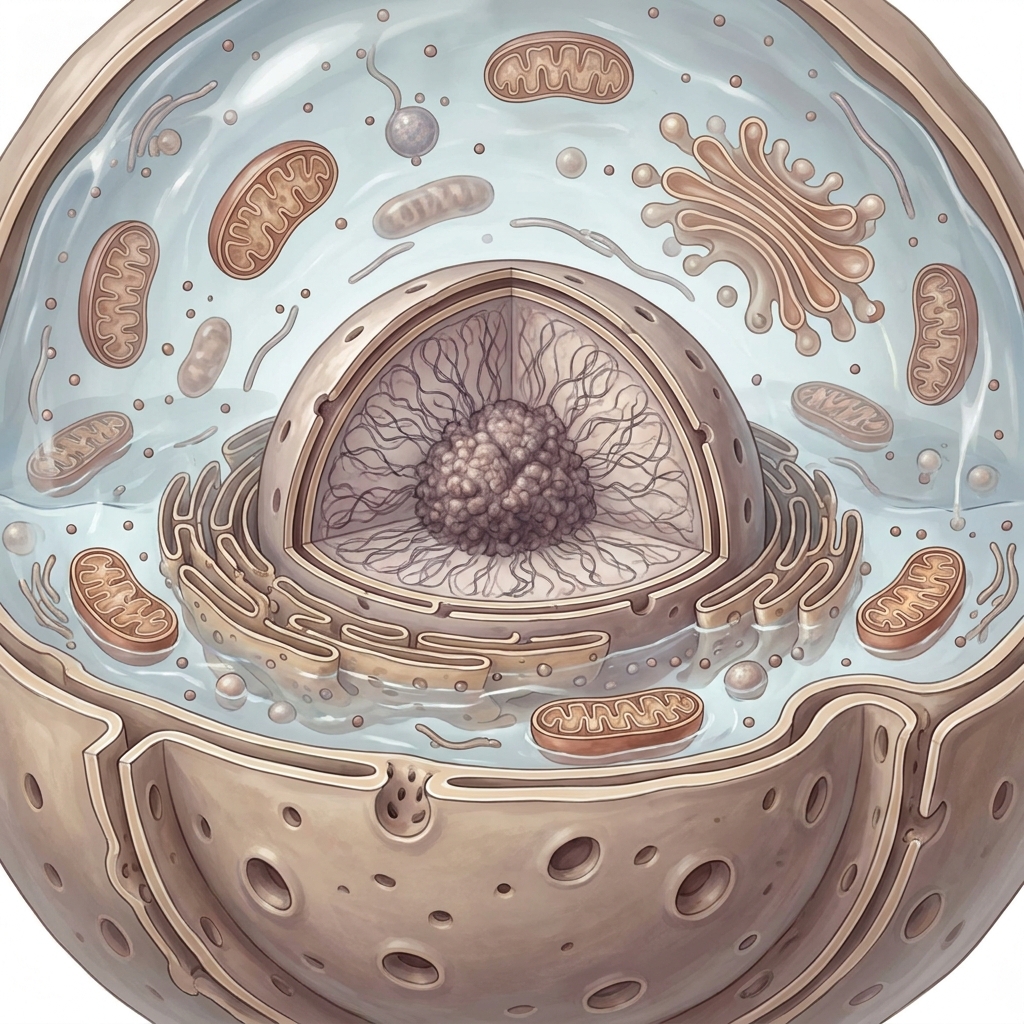
Cellular Systems in California Ecosystems, Explores how cellular functions support life within various California ecosystems
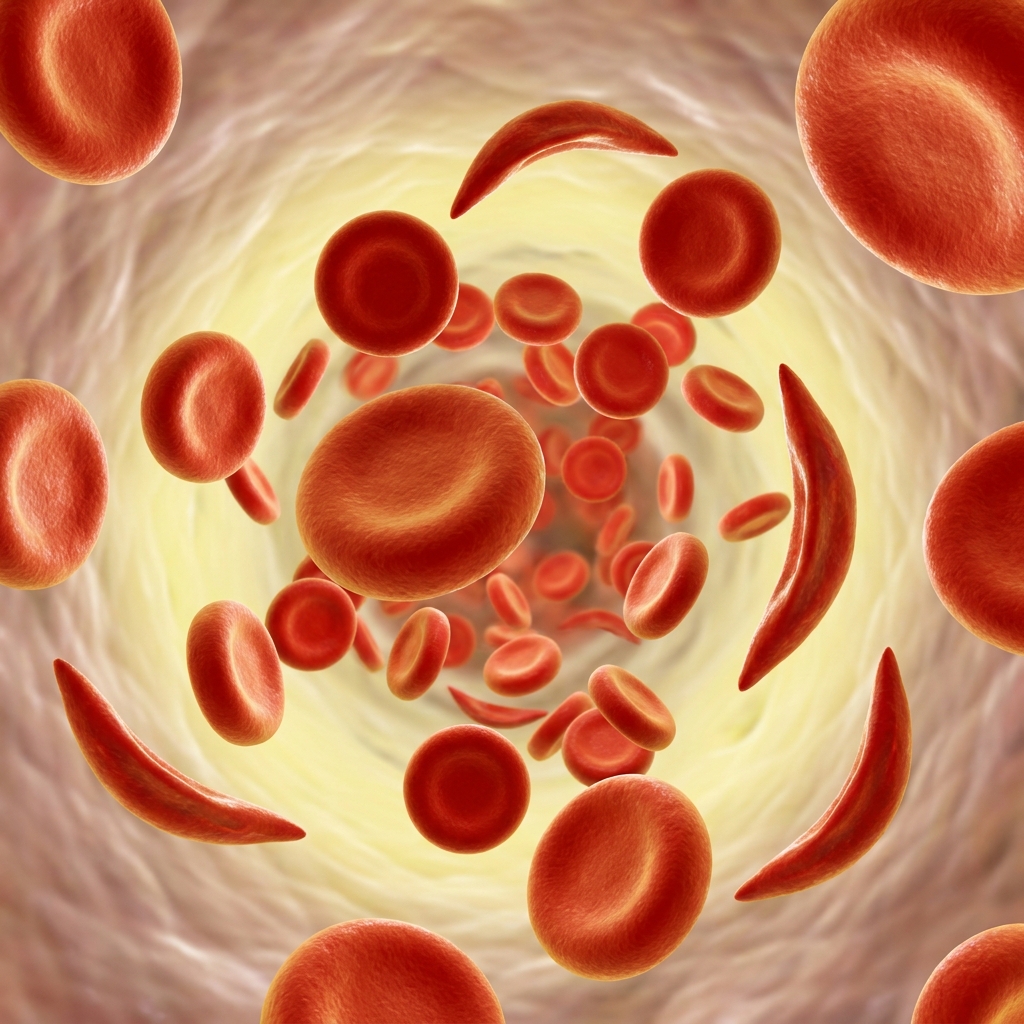
How DNA Mutations Change Organisms, Examines the impact of genetic mutations on the development of organisms
How Your Brain Processes Information, Details the biological pathways used by the brain for information processing