

When you have a student who missed the unit on early civilizations or a sixth grader needing a focused intervention session, finding material that gets straight to the point is difficult. I often find that students struggle to grasp why those first groups of people chose to stay in one place, especially when they are looking at a map and seeing nothing but dry land. Rivers and Early Civilizations is a concise, forty-five-minute lesson that fixes that confusion. It stays grounded in the physical reality of ancient geography, which is exactly what students need to see before they can understand the political or social complexity that follows.
This is a sixth grade social studies lesson, part of the larger World History and Geography curriculum. It addresses how physical geography acted as the primary driver for human settlement. The material starts by asking students to think about their own neighborhoods, using the simple example of a community garden that depends on a stream to keep its soil moist. By keeping the starting point relatable, the lesson makes the transition to ancient history feel like a logical next step rather than a jump into a foreign land. It clearly states the core concept: physical geography and river systems provided the necessary resources for early societies to thrive.
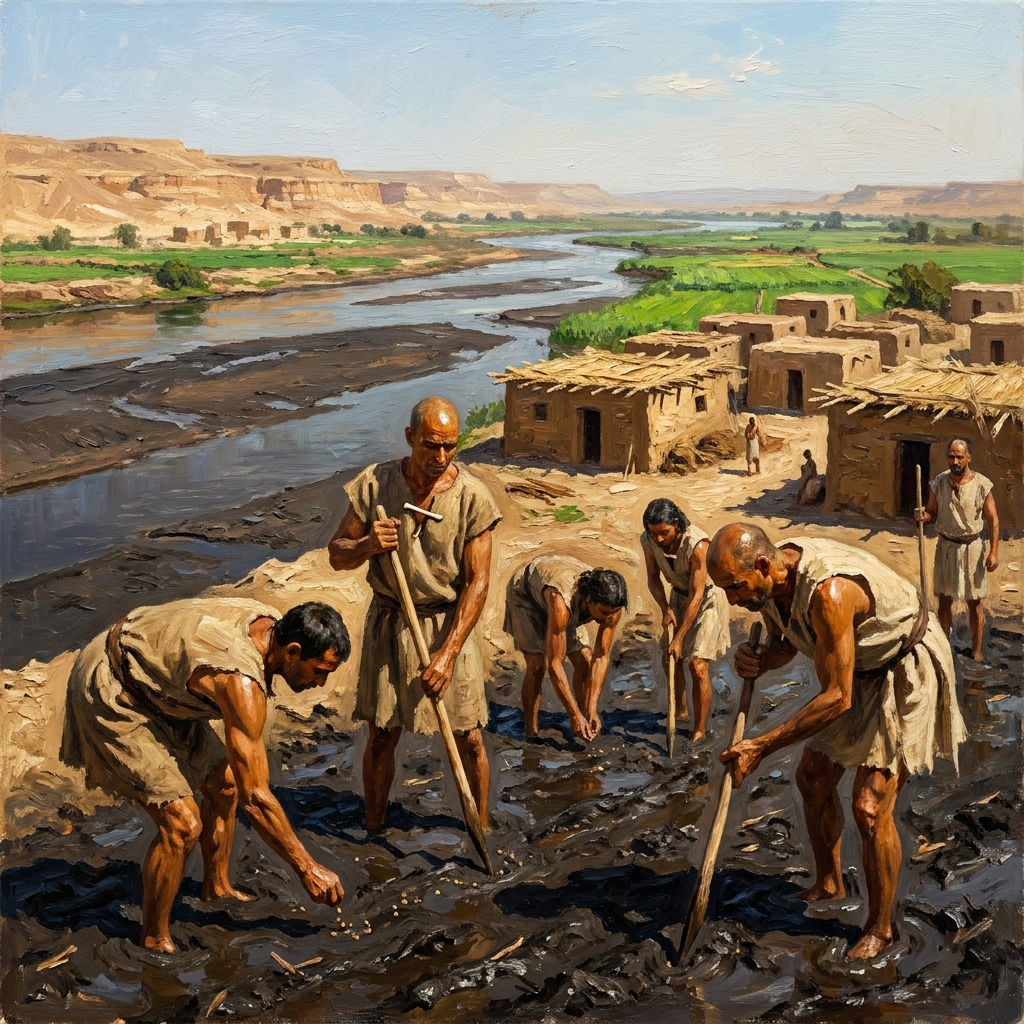
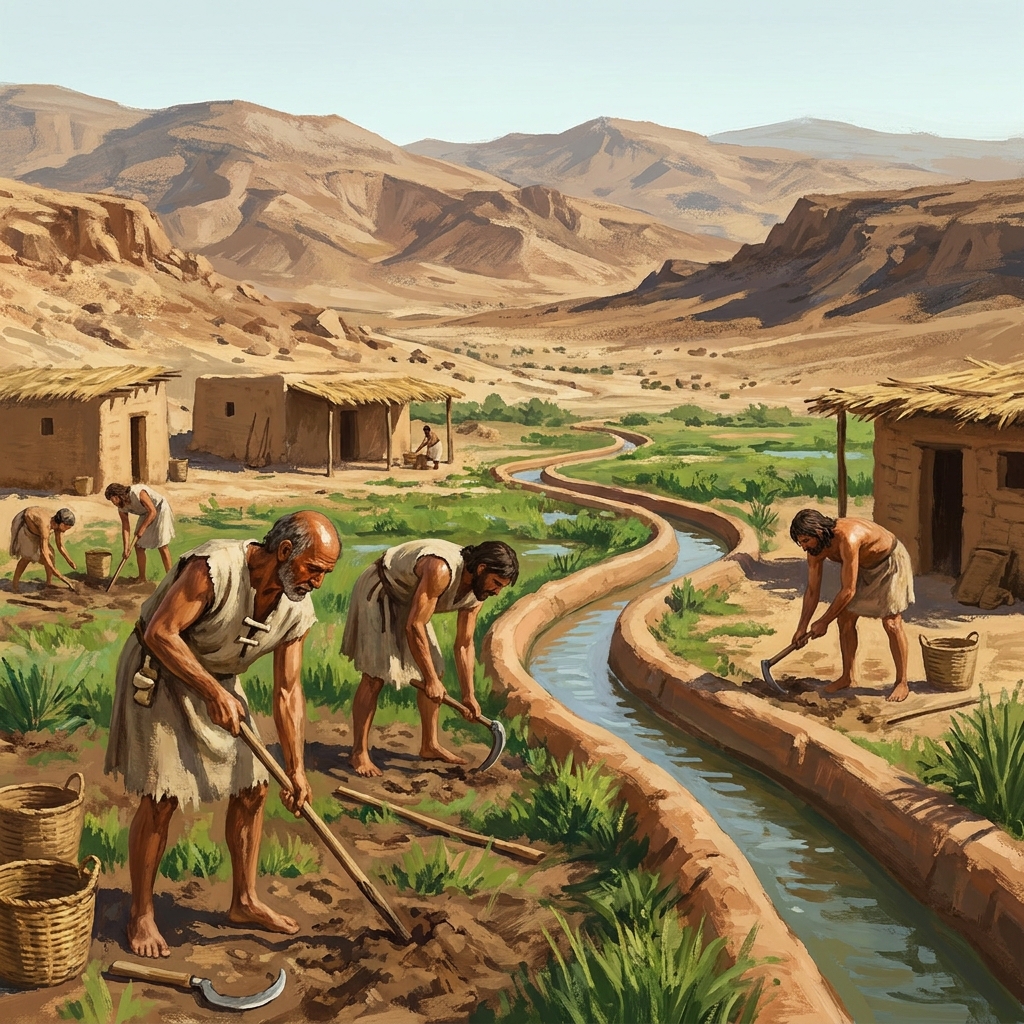
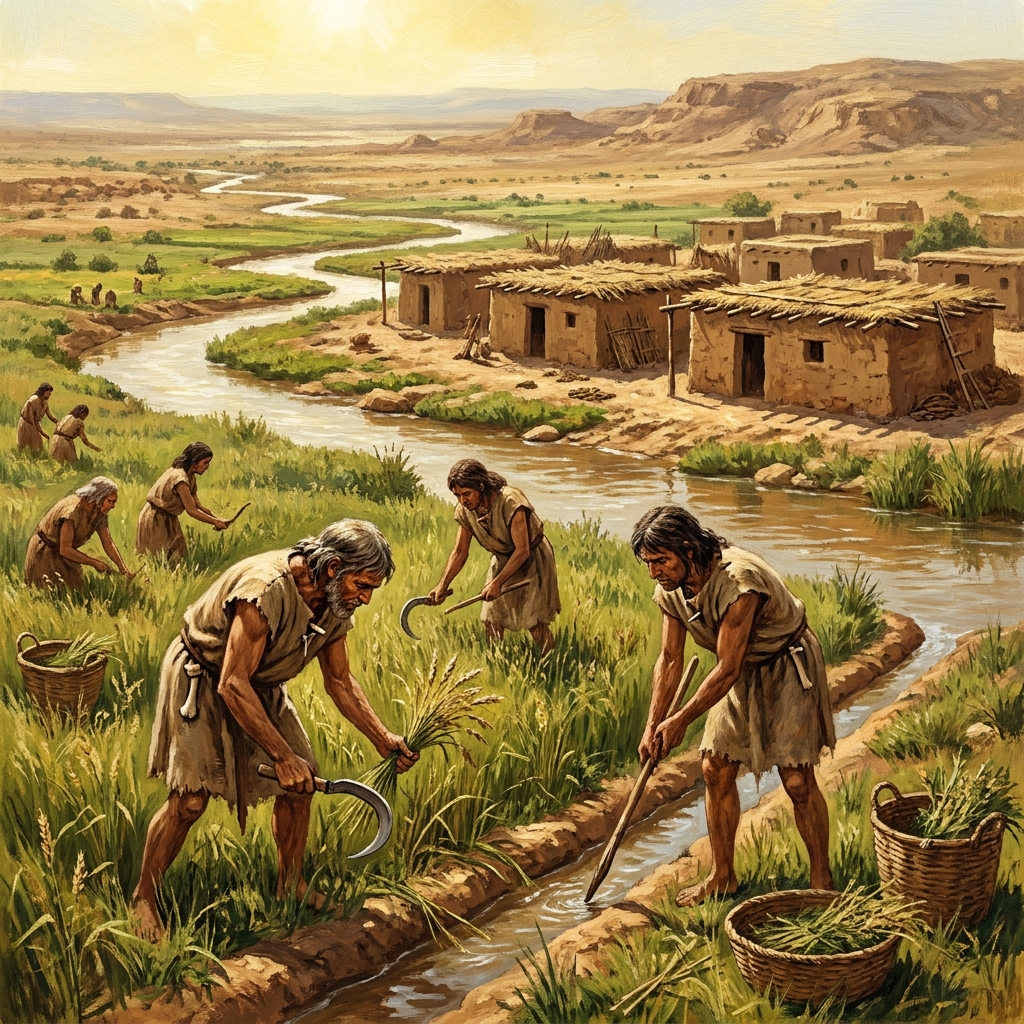
The lesson covers the essential physical features that allowed for human stability. It explains how annual flooding in ancient Egypt deposited rich, dark silt onto the riverbanks, allowing farmers to grow crops reliably. It then asks the student to consider how people in Mesopotamia moved that water further away from the river using irrigation canals. This is the heart of the 6th grade ancient civilizations lesson: it forces a student to think like a farmer or a city planner of the past. If you have a student who thinks history is just a list of dates to memorize, this shift in focus toward the logistics of survival usually wakes them up.
This lesson directly serves the standard CA.HSS-6.5.1, which requires students to locate and describe major river systems and discuss the physical setting that supported the rise of a specific civilization. This is the California-adopted standard for World History and Geography, and it is taught consistently in districts such as Corona-Norco Unified, San Ramon Valley Unified, Belmont-Redwood Shores Elementary School District, and Orinda Union School District. The standard is fundamentally about causation. It asks why a city appeared in one spot instead of another. When a student can explain the link between silt, water, and crop production, they have hit the mark for this requirement.
Why this lesson fits your classroom
As an intervention tool or a way to support a student in independent study, the strength of this lesson is its narrow focus. Some lessons attempt to cover too much history, leading to confusion. This one stops at the geography and the basic resources. If you are a site administrator or a counselor looking for work that a student can complete without you standing over their shoulder for an hour, this works. The student reads, they look at the maps, they answer the prompts about irrigation and silt, and they return with a clear grasp of the concept.
The lesson also manages to connect the ancient world to the modern day. It includes a section on civil engineering, noting that modern experts study ancient river management to learn how to keep our water supplies safe and prevent flooding. This creates a bridge. It reminds the class that history is not just about the past. It is about learning what worked for our ancestors so we can make better decisions for our own communities right now. I find that this specific connection helps the students who usually say that history is boring. When they see that an ancient Egyptian farmer and a modern civil engineer are solving the same problem, the content gains a bit of weight.
Where students often slip
Even with good instructions, students occasionally miss the nuance in the geography. They might look at a map and think that all river systems are the same. They forget that the Nile behaves differently than the rivers in Mesopotamia. The lesson does a good job of pointing out the need for irrigation canals in the Mesopotamian plain because that river did not flood as conveniently as the Nile. If you have a student working through this on their own, keep an eye on their notes about that specific difference. That is where the real learning happens.
I also notice that students sometimes gloss over the vocabulary. Terms like silt and irrigation are used, and while they seem simple, some students struggle to explain them in their own words. If you are checking their work after a substitute day, look for their explanation of how the silt got onto the fields. If they mention the flooding, they have the core idea down. If they do not, they missed the most important causal link in the lesson.
Because this lesson is independent, it is a great choice for attendance recovery. It is a complete thought, it is manageable within one class period, and it is easy to assess. You do not need to spend time setting up a lecture or gathering extra materials. The lesson is self-contained. It respects the time of the student and the teacher. For any student who is trying to catch up, having a direct path back into the curriculum is a massive relief. They feel like they are doing real work instead of busy work. The standard itself is quite specific, which means the assessment of that work is straightforward for you as the educator. You either see the connection to the geography, or you do not.
Use this lesson as a standard-bearer for your independent study or intervention block. It is a solid piece of curriculum that gets the job done without extra fluff. It prepares the student to understand the later parts of the unit, like trade and social hierarchy, because they finally understand the physical base upon which those civilizations were built. That makes your job easier when the time comes to move on to the next unit on India or the Mediterranean.
Related lessons
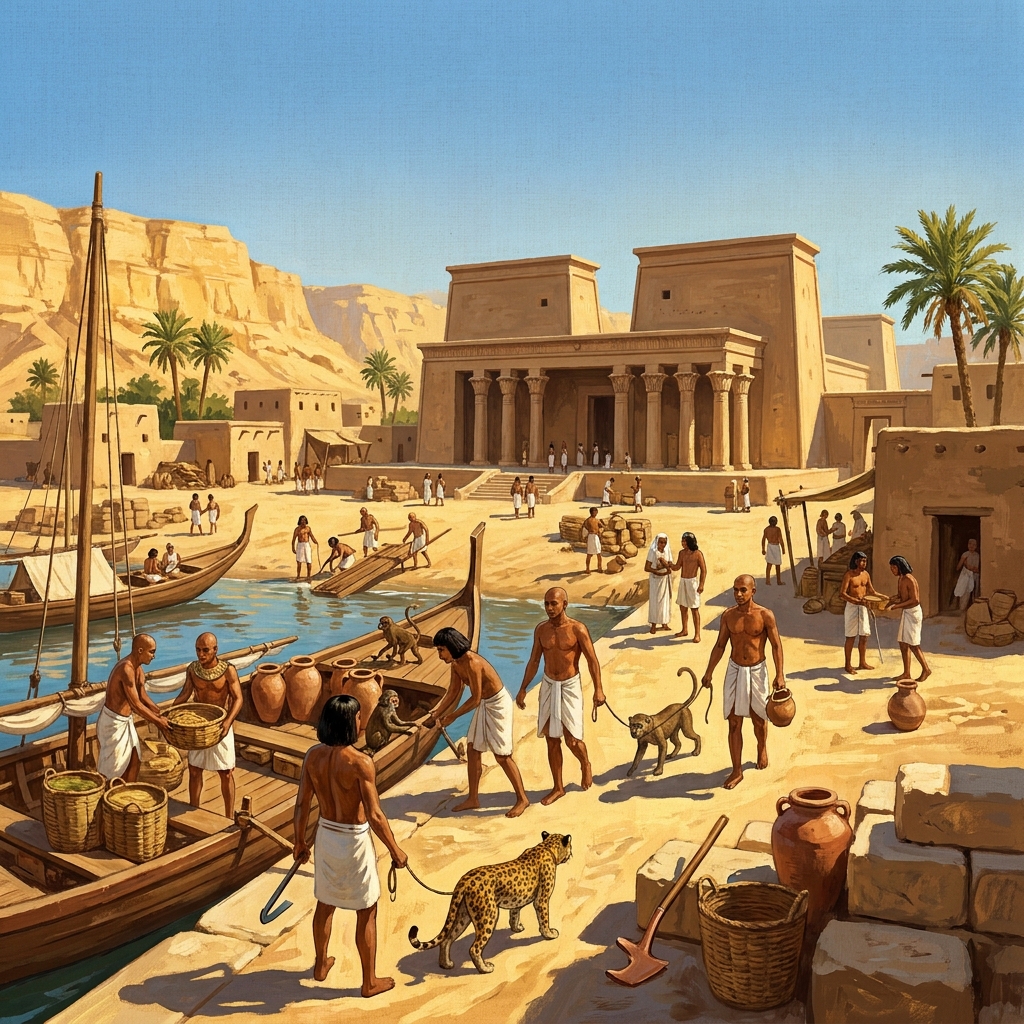
Leaders of Ancient Egypt: Hatshepsut and Ramses the Great, Biographies of famous ancient Egyptian rulers for sixth grade students
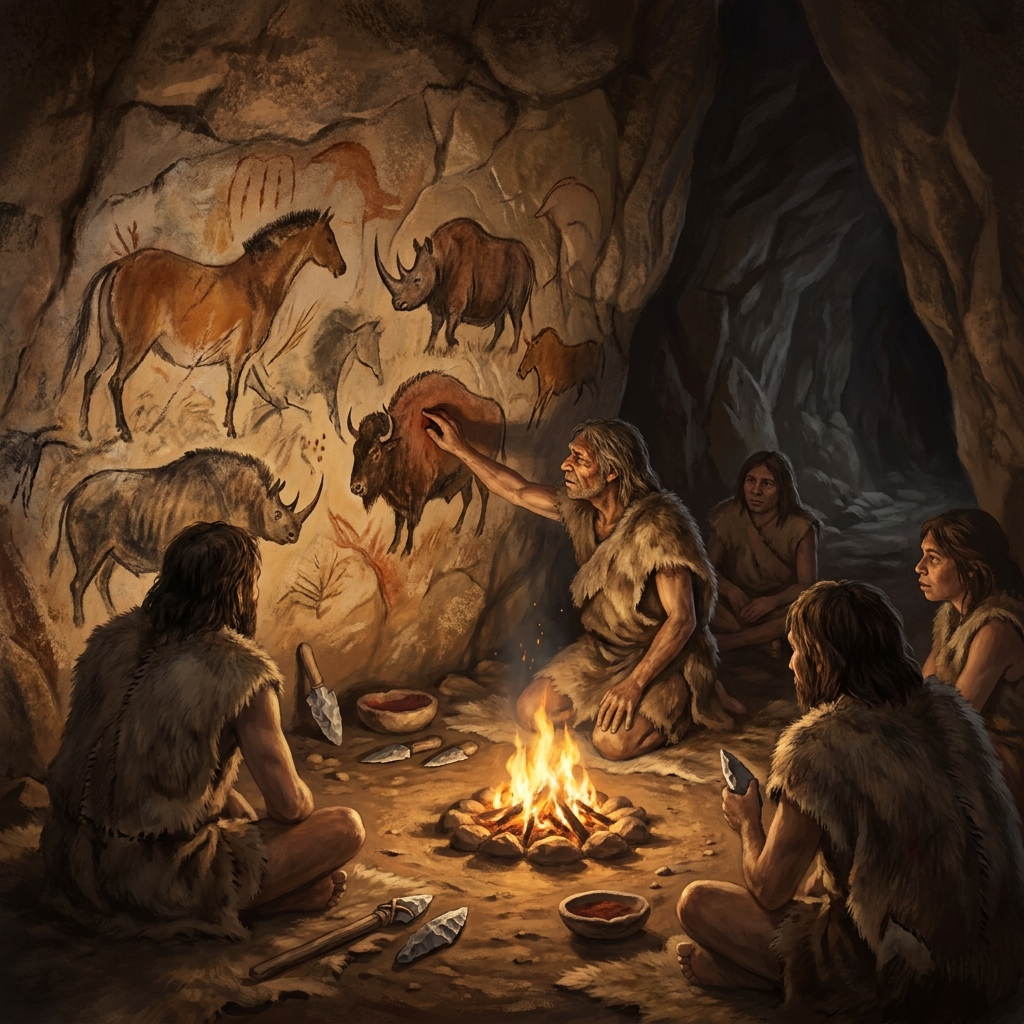
Understanding Early Human Development, Study of how early humans changed over time and space
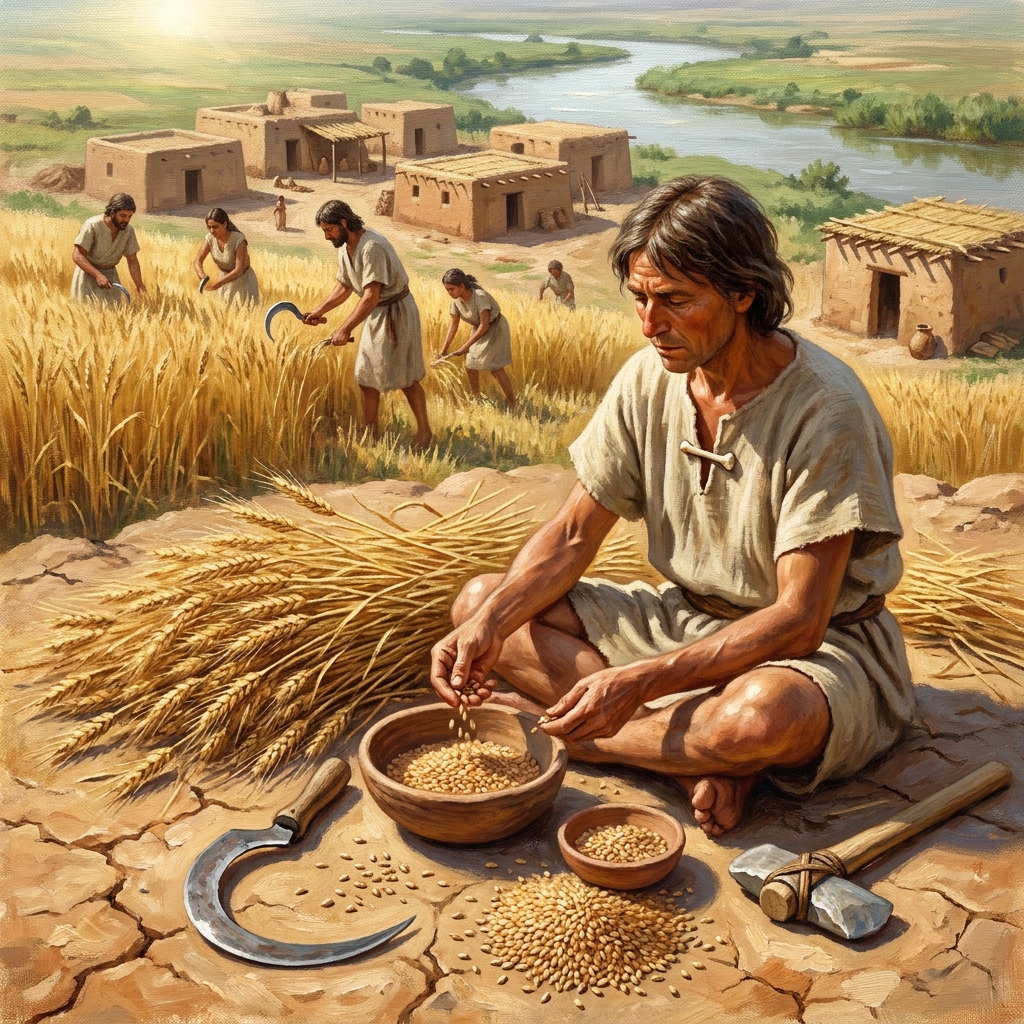
From Foraging to Farming: The Neolithic Revolution, Transformation from hunter gatherer life to settled agriculture and society