

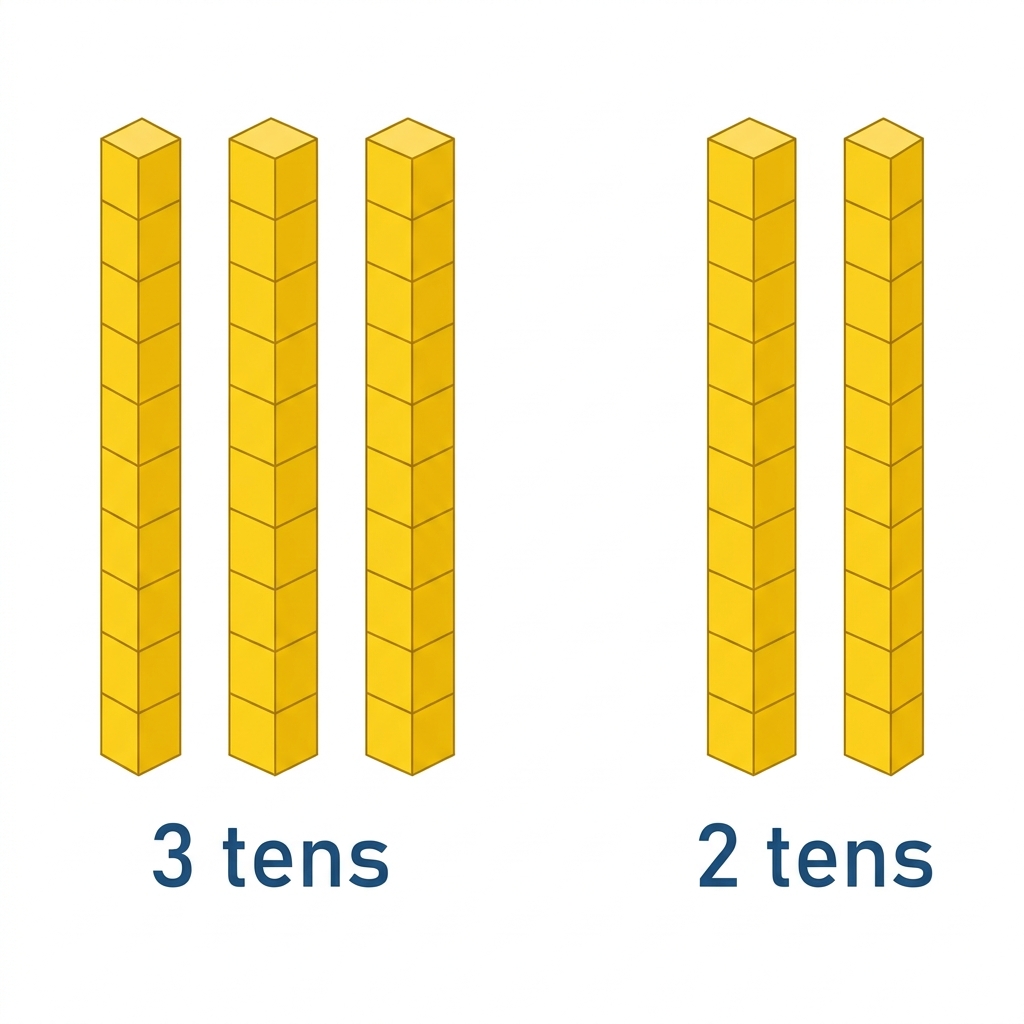
Understanding magnitude is a major milestone for young mathematicians.
When you start teaching 1st grade mathematics, you find that students have a handle on basic counting, but comparing two-digit numbers requires a shift in how they view quantity. The lesson titled Comparing Numbers offers a focused approach to this transition. It specifically covers how to identify if a number is more than or less than another by breaking digits down into their tens and ones components. Students practice recording these relationships using the standard mathematical symbols for greater than, less than, and equal to. The objective is simple: I can tell which number is more or less.
The logic behind the standard
This first grade number comparison lesson aligns with CA.MATH.1.NBT.3, a California Common Core standard within the Number and Operations in Base Ten domain. The standard asks students to compare two two-digit numbers by relying on the value of the tens and ones digits, rather than just guessing based on the look of the number. The California addition to this standard requires that students justify their comparisons using place value reasoning and concrete representations. This means a student should not just flip a coin to decide which number is larger. Instead, they need to say that 42 is larger than 39 because 40 is more than 30, regardless of the individual ones digit. Educators in districts such as San Ramon Valley Unified, Moreno Valley Unified, Pittsburg Unified, and Paramount Unified all use the same state-adopted standards to guide their math instruction.
I find that many students try to jump straight to the answer without considering the tens place. They see a 9 in the ones place and assume the number must be higher, even if the tens place is clearly lower. This lesson forces them to slow down and check the tens column first. If the tens are the same, they then move to the ones column to finish the comparison. This habit prevents mistakes when they eventually move on to three-digit numbers or column addition.
Where students slip
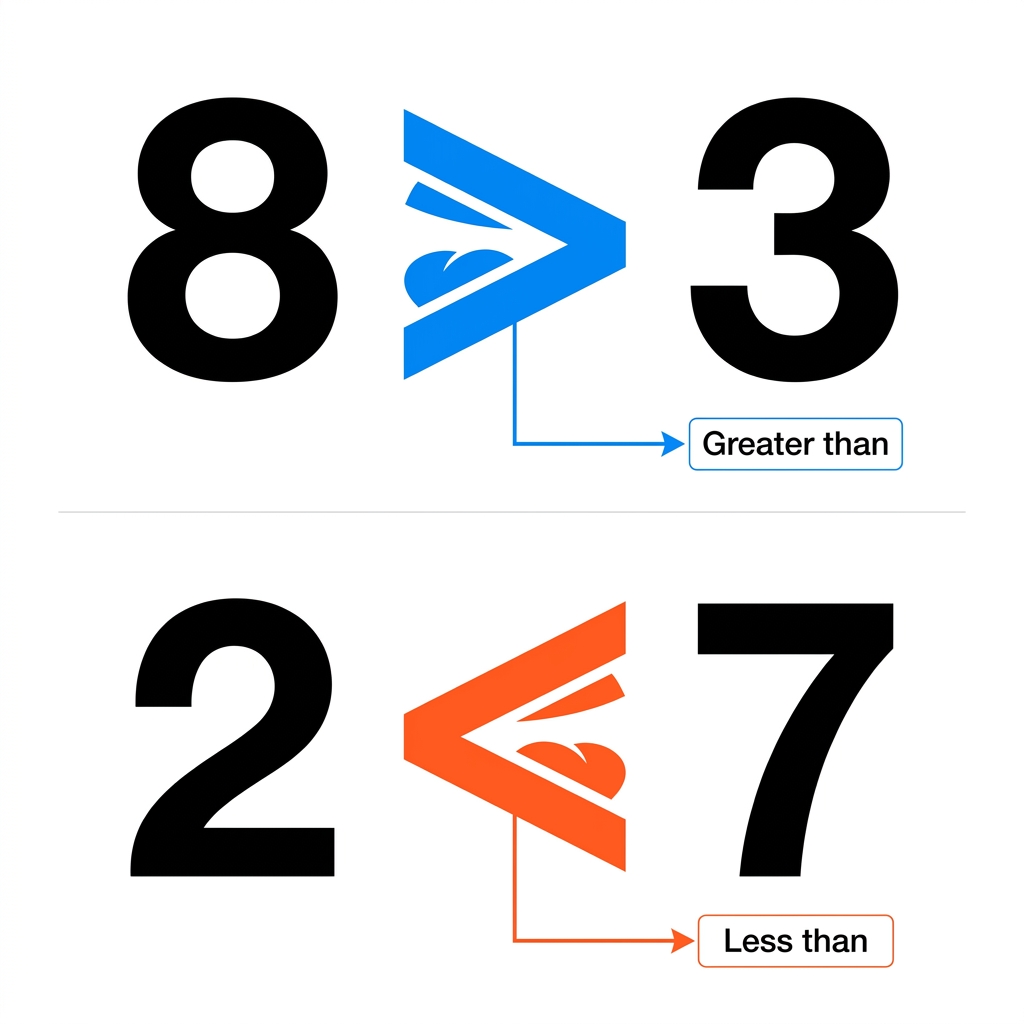
The symbols represent a frequent point of confusion. We have all seen students reverse the greater than and less than signs. Some teachers try using the alligator mouth analogy, but I have seen that fall apart when the numbers are the same or when the numbers are positioned vertically. The most effective way to help students is to have them read the expression out loud every single time. If they write 45 > 32, they must say forty-five is greater than thirty-two. This verbal reinforcement helps anchor the meaning of the symbol in their minds.
Another common hurdle is when students compare numbers that look similar, such as 25 and 52. Because both numbers contain the same digits, it forces them to pay attention to the position of the digit. This lesson gives them enough practice to see that the five in the tens place is worth fifty, while the five in the ones place is only worth five. Getting this right now makes double-digit addition much easier next semester.
Implementation in your classroom
This material is designed for a 15-minute window, making it perfect for several scenarios. You can use this as a whole-class assignment during your daily math block to build fluency. It is also an excellent resource for a student who missed the week and needs to get back on track with the rest of the class. If you have students who need extra support, this works well as a focused intervention piece. Because it relies on the relationship between digits, it is also a good choice for independent study sessions where a student needs to work through the logic without needing a partner.
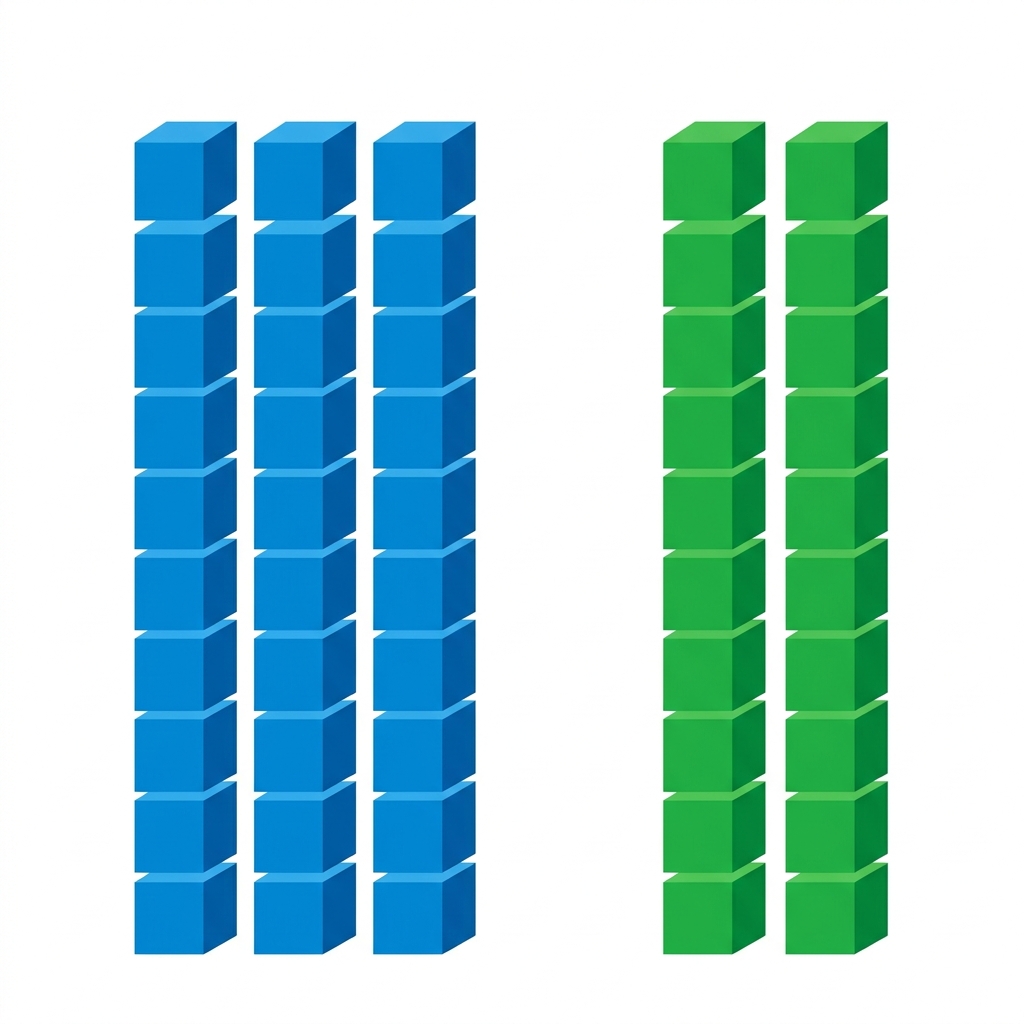
I suggest keeping base-ten blocks or virtual manipulatives handy. While the lesson explains the concept well, some students just need to see the rods and units to believe that the tens place is the decider. Once they get the hang of comparing tens, they usually gain a lot of confidence. This confidence carries over into more complex tasks, like ordering sets of numbers or finding missing values in a sequence. Keep your expectations high regarding their ability to explain their reasoning, and you will see their fluency improve steadily.
Related lessons
Adding and Subtracting Fun, Practice basic addition and subtraction with small two-digit numbers

Making Ten and Counting On, Develop strategies for adding by creating ten and counting

Long, Longer, Longest, Compare lengths of objects using standard and non-standard units