

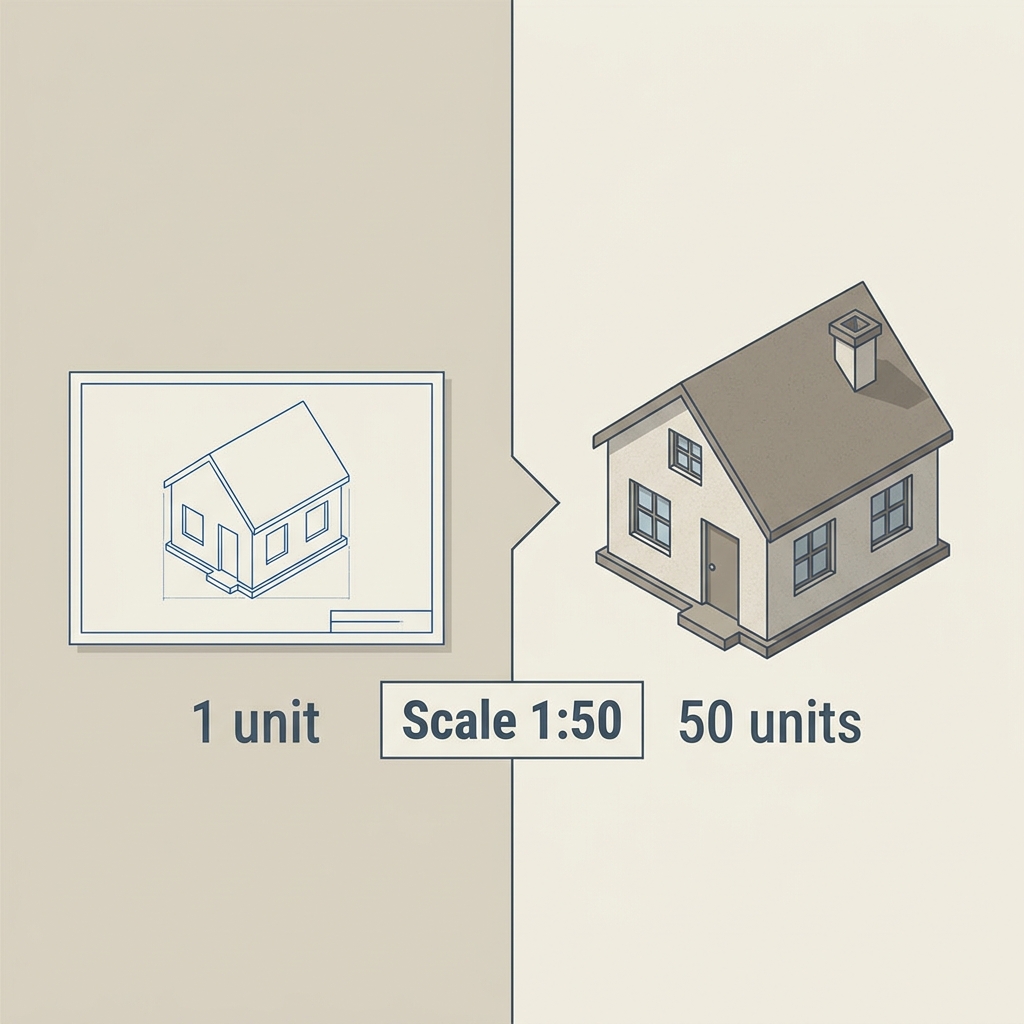
This 45-minute Understanding Scale Drawings lesson does not try to turn your students into professional architects in one sitting. It avoids overly complex CAD software and unnecessary design theory. Instead, it stays laser-focused on the mechanics of proportionality. The heart of the lesson lies in the relationship between a small representation and the real-world object it mirrors. It defines a scale drawing as a representation of an object or space where all dimensions are reduced or enlarged by a constant ratio. It introduces the scale factor as the constant ratio used to multiply the dimensions of a drawing to find the actual dimensions of the object. By the end, a student should be able to look at a blueprint or a map and perform the math required to determine the original size.
For a student who missed the unit, or one who needs intervention work, this provides a clear pathway. The lesson starts with the concept of a constant ratio. It uses the scenario of an architectural blueprint showing a house at a 1 to 50 scale. A student learns that this means every 1 unit on the paper corresponds to 50 units in the house. Because the multiplication is consistent, the drawing remains accurate. It is straightforward and avoids the common pitfalls of making the math feel like abstract busywork. Whether in Sweetwater Union High School District, Los Angeles Unified, Eureka City Schools School District, or Fillmore Unified, students are expected to grasp this same concept of constant ratio as they move through the middle school curriculum.
What the lesson actually does
Aligning with the required geometric standards
The core of this work is CA.MATH.7.G.1, which is the California-adopted standard for solving problems involving scale drawings of geometric figures. This standard asks that students compute actual lengths and areas from these drawings. It also encompasses CCSS.MATH.7.G.A.1, which acts as a companion part that adds the requirement to reproduce a scale drawing at a different scale. The lesson manages to touch on these expectations by asking students to think through the logic of resizing. It asks them to use hands-on methods to draft or analyze designs. I have found that while some students pick up the multiplication immediately, they often struggle when they have to translate units across different contexts. This lesson forces that practice early.
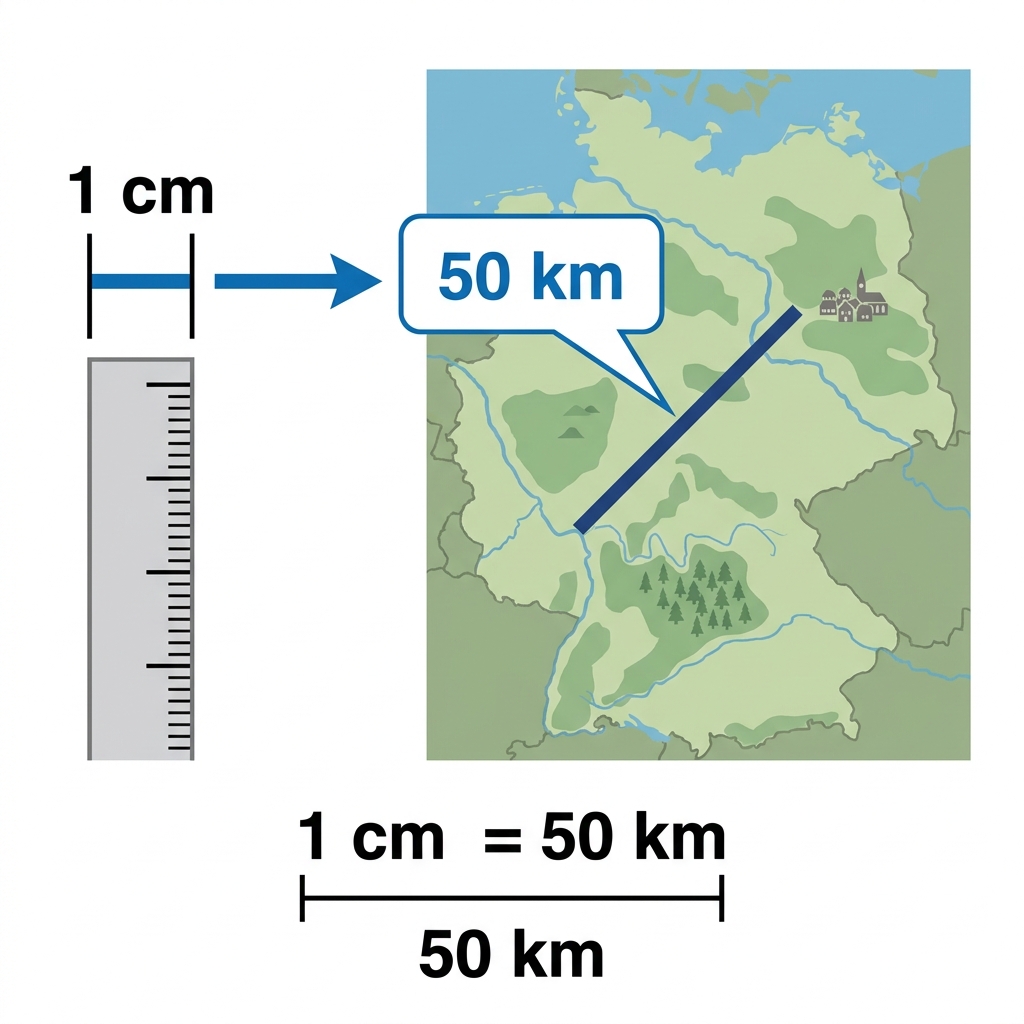
The lesson uses guided practice that makes the theory stick. A student is given a scenario with a city park map where the scale is 1 centimeter to 10 meters. By solving this problem, they see the direct application of their classroom math to real-world tasks like urban planning or house construction. It bridges the gap between a worksheet and the actual physical world. Because the standard calls for using geometric software or tools to analyze these figures, the practice within this digital lesson acts as a necessary bridge for those using independent study. If you have a student who is struggling with the concept of proportional reasoning, this is where they should spend their time.
Practical ways to use this resource
I see this being particularly useful for an independent-study coordinator or an intervention teacher who needs a ready-to-go module. You do not need a lot of prep time, which is rare for a geometry lesson. Because it fits within a 45-minute window, it works well as a substitute day assignment or for attendance recovery when a student needs to make up a specific concept. The flow is consistent: it provides a prior-knowledge opener, a clear worked example, and then a guided practice section. It is designed to be completed in one sitting, allowing for quick feedback to the teacher.
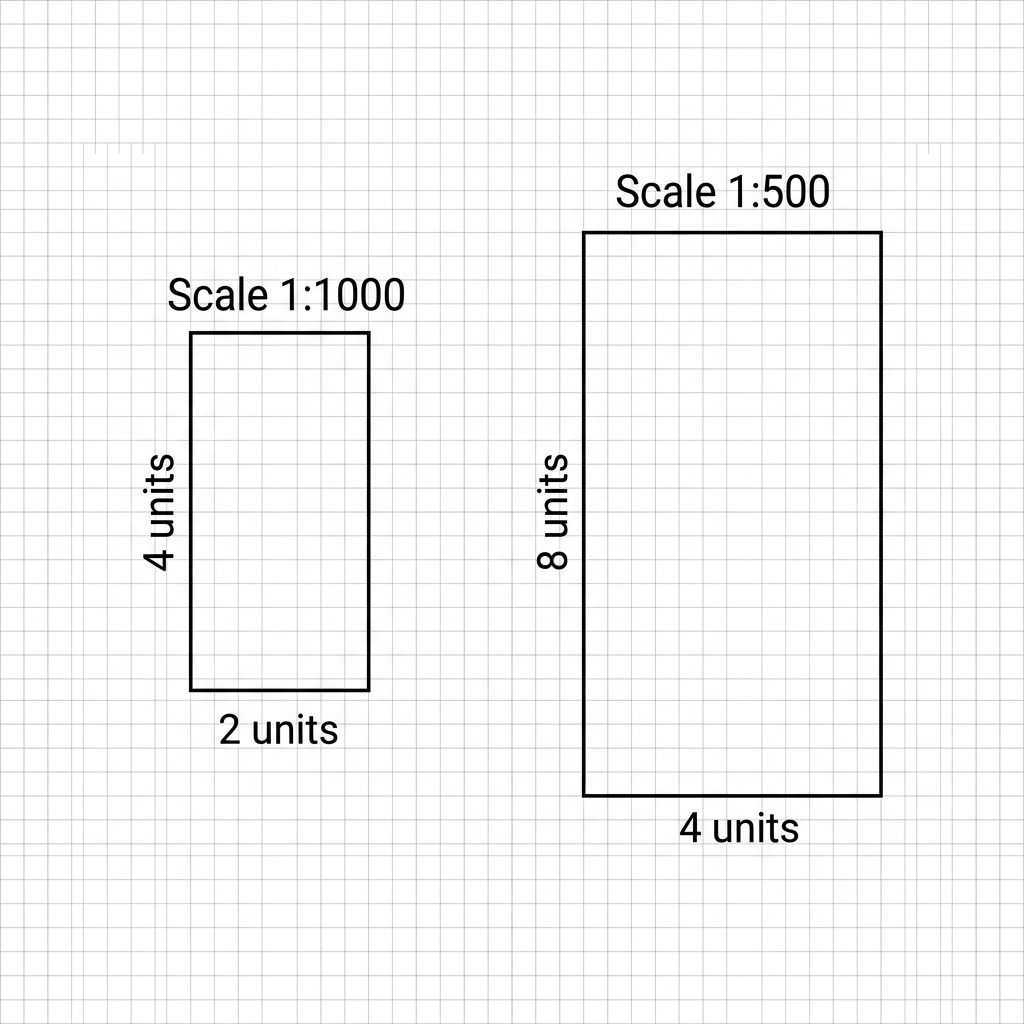
The lesson provides a solid anchor for seventh grade math students who need to see the math in action before they can master the algebra behind it. One caveat: watch for students who get frustrated with the division or multiplication of decimals. If they do not have a firm grasp of basic multiplication, they might get stuck on the arithmetic rather than the geometric concept. I recommend having a calculator handy if their goal is to master the concept of the scale factor rather than drilling long multiplication. It is a solid piece of curriculum that respects the time of both the student and the teacher.
Related lessons
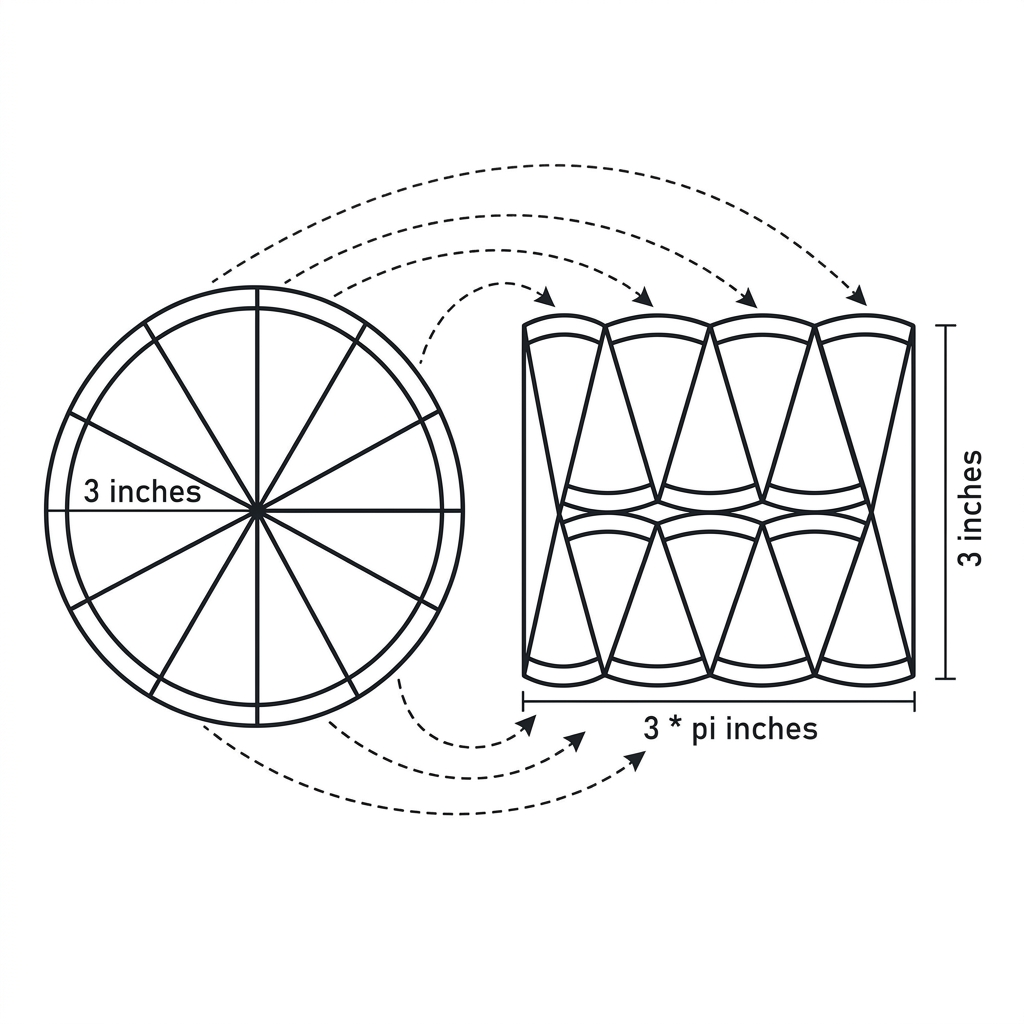
Understanding Circles: Area and Circumference, Covers formulas for area and circumference of various circles
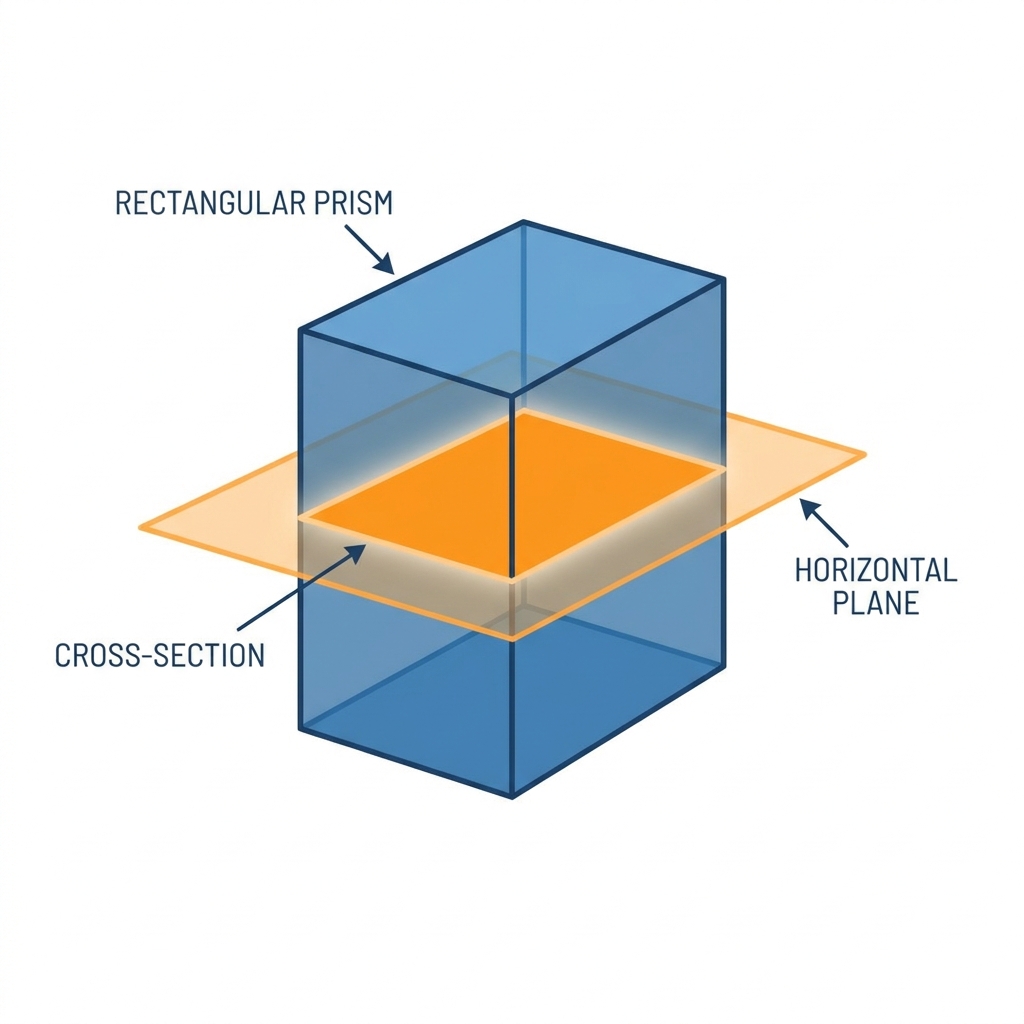
Slicing 3D Shapes, Explores two dimensional cross sections of three dimensional shapes
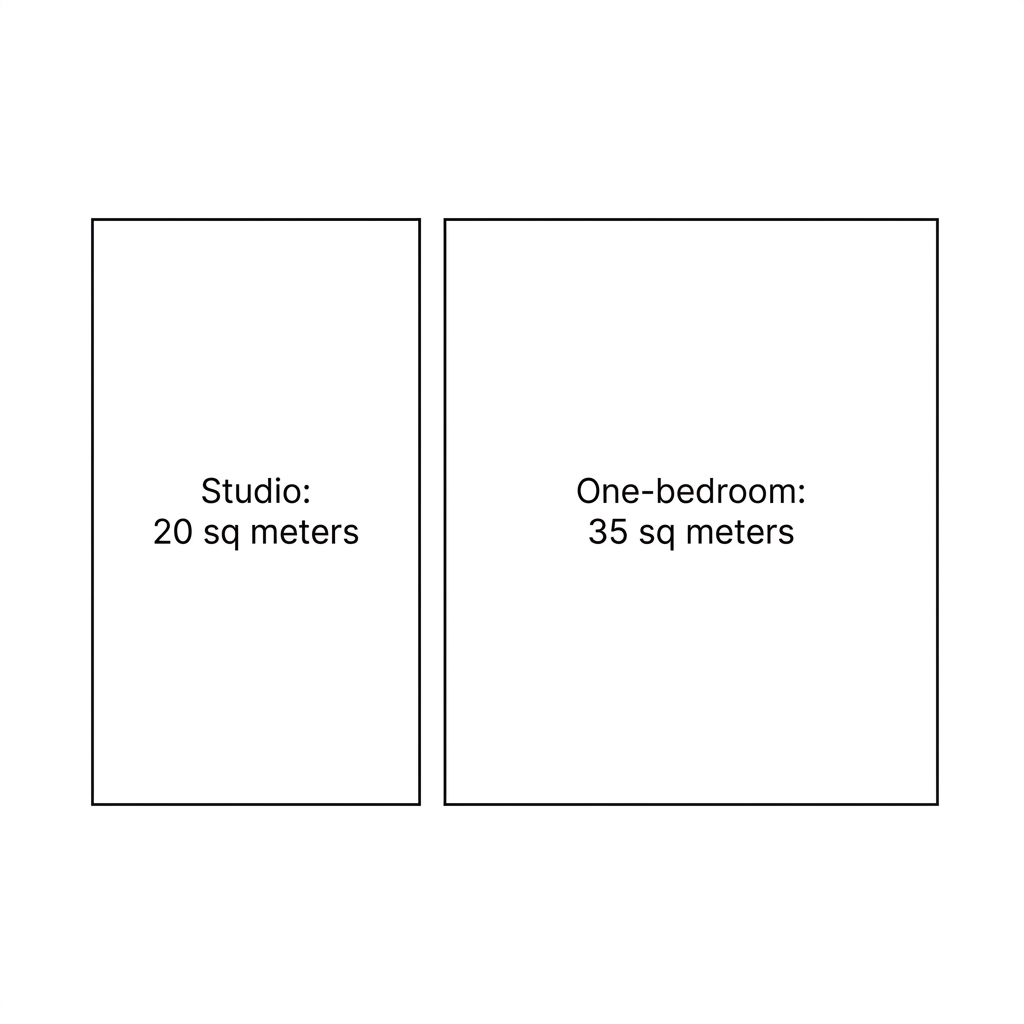
Geometric Measurement in California Design, Applies geometric principles to analyze real world architectural designs