

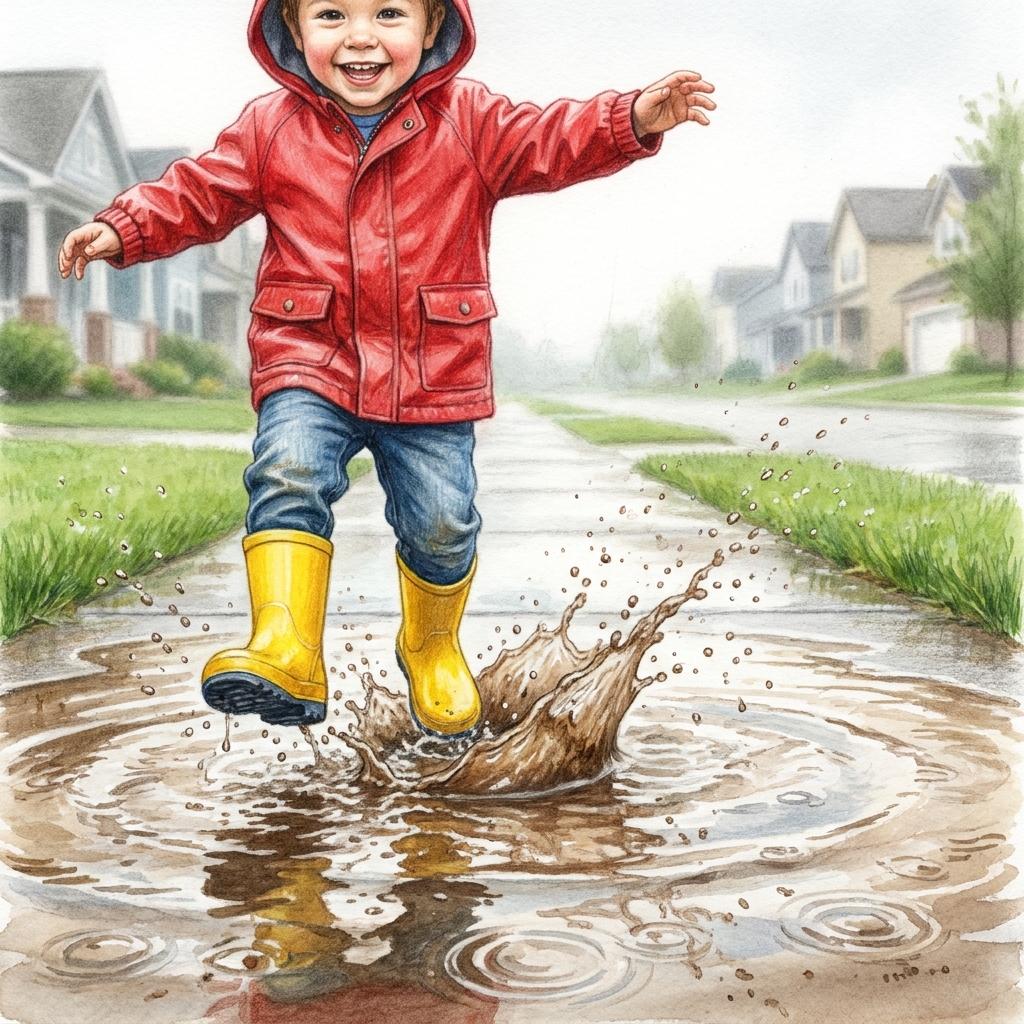
When you have a student in an intervention or independent study setting who just cannot seem to get their ideas onto paper in a logical sequence, it is easy to feel frustrated for them. Writing a coherent story is a complex task for a seven-year-old. It requires managing character actions, internal thoughts, and the passage of time all at once. The Writing Great Stories lesson provides a grounded, forty-five-minute pathway to help these students rebuild their confidence in narrative composition.
This second grade narrative writing lesson focuses on the core mechanics of storytelling. It operates on the principle that a good story relies on a predictable structure: a beginning, a middle, and an end. For students who have fallen behind, this simple framework is often the only support they need to stop staring at the blank page and start writing. The lesson moves through clear definitions of temporal words, such as first, next, and finally, which act as the glue for the event sequence. It also introduces the concept of closure, teaching the student that a story requires a finish that makes the reader feel the experience is complete.
What the lesson actually asks students to do
The lesson covers the expectations of CA.ELA.W.2.3, which is the California-adopted standard for narrative writing. This standard requires students to write a well-elaborated event or a short sequence of events while incorporating sensory details, thoughts, and feelings. It also mandates that students use temporal words to signal the order of events and finish with a sense of closure. This standard is taught across the state in districts such as Mt. Diablo Unified, Folsom-Cordova Unified, San Marcos Unified, and Patterson Joint Unified to ensure all students can communicate their own experiences clearly.
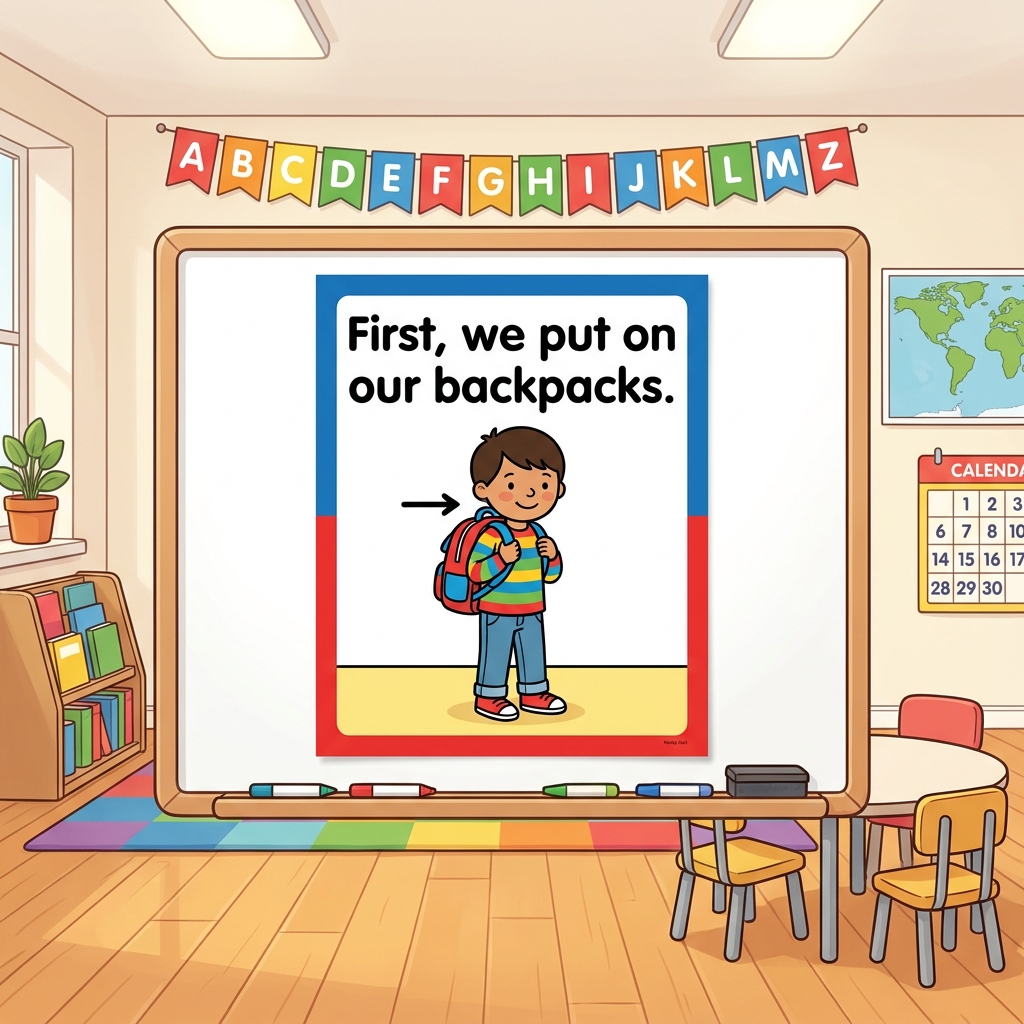
Students begin by reviewing the fundamental building blocks of a narrative. The lesson asks them to think about their own actions. One example provided involves putting on boots and jumping in a puddle, which helps the student identify how to link physical movement with personal feelings like happiness. The practice is not just about listing what happened. It is about layering in the inner voice of the character. The lesson asks students to move beyond saying how they felt and instead write what they thought. A student who originally writes about feeling proud is guided to change that to a specific thought, like writing: my garden looks beautiful. This shifts their writing from a summary into a genuine narrative scene.
Where students slip and how the lesson catches them
One of the most common places I see students struggle is in the transition between thoughts and actions. They tend to dump all their information at once rather than pacing it out. This lesson forces a slow-down. By using the garden project scenario, it limits the scope of the writing so the student does not get overwhelmed by too much creative freedom. If a student is using this as an independent study tool, they will find the pacing manageable enough to finish in a single session without needing constant teacher oversight.
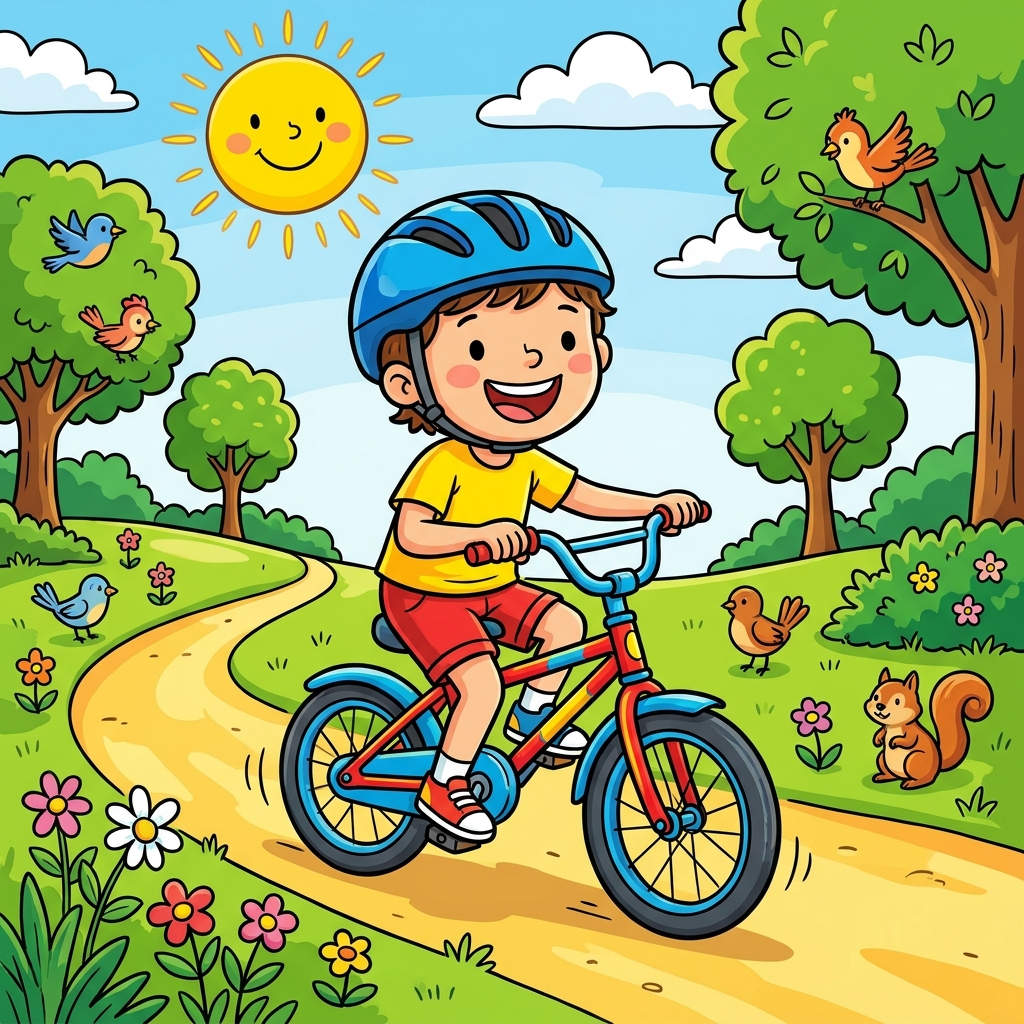
I find that students often benefit from the explicit focus on temporal words. Without those signposts, the story is just a list of sentences that do not relate to one another. When a student uses the provided list of first, next, and finally, their organization improves almost immediately. It is a straightforward fix for a common composition hurdle. The inclusion of the inner monologue constraint is also smart. It requires the student to stop and reflect on the character’s internal state rather than rushing to the next physical action. For a student who missed the week of instruction on narrative structure, this provides a complete view of what is expected in their written work.
You can assign this for a whole-class day if you have a substitute or need to cover the writing standard quickly. It is equally useful for students in independent study who need to demonstrate mastery of event sequencing. The lesson is self-contained enough that you can review their final output to check for the use of an inner thought, the presence of an organized sequence, and a satisfying ending. It is a direct, honest tool that does not waste time on fluff. It gets the student to write, which is exactly what they need to do to improve their skills.
Related lessons

Finding Answers in What We Know and What We Read, finding facts and evidence within a provided reading passage
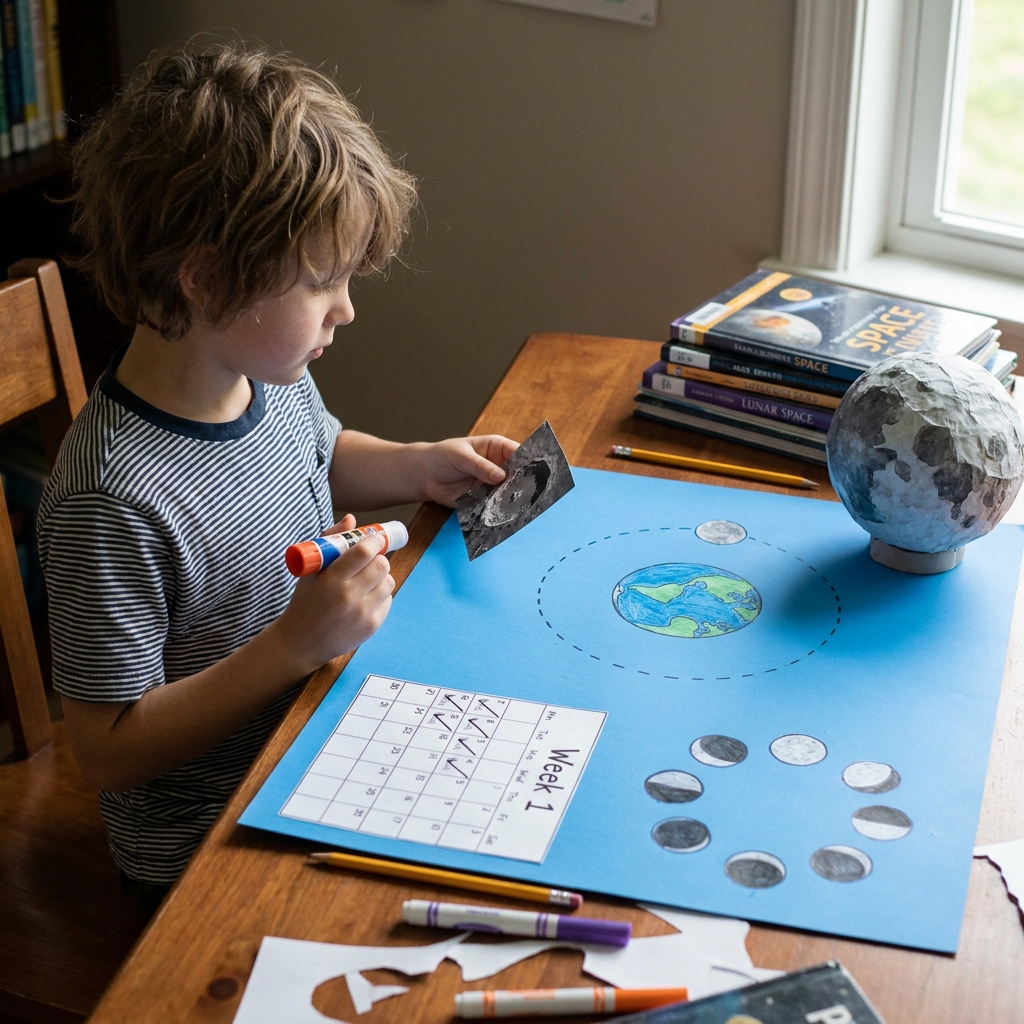
Choosing How to Write, making decisions about writing style for different tasks
Writing Strong Opinion Pieces, forming and supporting an opinion in written form