

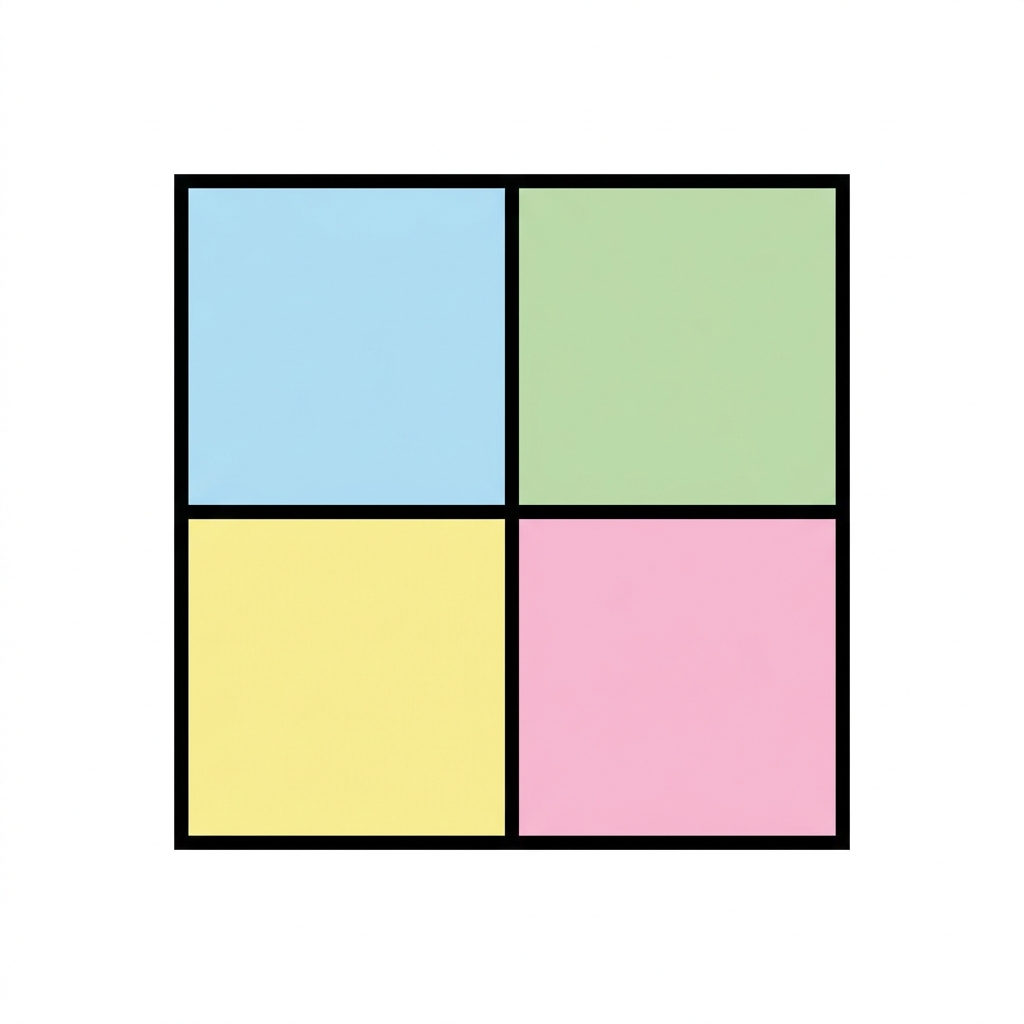
Geometry in the primary grades often feels like a simple introduction to naming shapes, but the work done in second grade is actually quite rigorous. When we talk about geometry at this level, we are building the cognitive infrastructure that students will need for advanced fraction work, area calculations, and algebraic thinking in the years to come. Teaching children how to deconstruct a shape is just as important as teaching them how to identify it, and the process of partitioning provides a tactile and visual way for students to engage with abstract numerical concepts. As educators, our role is to guide them through this transition, helping them move from seeing a rectangle as just a box to seeing it as a divisible area composed of equivalent units. This deeper understanding is exactly what the curriculum intends to cultivate during these critical development years.
Breaking down the geometry standard for second graders
The standard CA.MATH.2.G.3 asks students to partition circles and rectangles into two, three, or four equal shares, describe the shares using the words halves, thirds, half of, a third of, etc., and describe the whole as two halves, three thirds, four fourths. That is a lot to pack into one standard, but when you look at it piece by piece, it starts to make sense for your second graders. It asks them to move beyond just identifying shapes to actually manipulating them. They have to prove they understand the concept of a whole by physically or mentally slicing circles and rectangles into equal parts. This is the foundation of fractions, and it sets the stage for everything they will do with numerators and denominators in later years. The cognitive leap from identifying a whole circle to realizing that same circle can be subdivided into a set of equivalent sections is significant, and it represents a major milestone in primary mathematics.
I recommend checking out Sharing Fairly: Parts of a Whole if you need a reliable way to get this across. It is straightforward and keeps the geometry focused on the concept of fairness. The lesson starts with a simple reality check: you already know that shapes can be cut into smaller pieces. When we cut a shape, we want to make sure the pieces are fair. Equal shares are parts of a shape that are exactly the same size. This language is accessible, and it bridges the gap between what kids already know about sharing a cookie or a piece of paper and the formal mathematical vocabulary they need to master. By starting with tangible, real-world examples, we lower the barrier to entry for students who might find the formal definitions intimidating. It allows them to rely on their intuition before they are forced to apply strict geometric constraints.
Whether your school is in San Diego Unified, Elk Grove Unified, Reef-Sunset Unified, or the National Elementary School District, the expectation for this standard is the same. Educators everywhere are helping kids connect these visual partitions to the labels we give them. The lesson defines our core vocabulary clearly: halves are two equal parts that make up a whole, thirds are three equal parts that make up a whole, and fourths are four equal parts that make up a whole. It does not try to get too fancy with the terminology, which I appreciate because at this age, clarity is the best teaching tool. Consistency is key here; by using the same terminology across different types of shapes, we help students generalize their knowledge. They begin to understand that a third of a circle is conceptually identical to a third of a rectangle, even if the physical shape of the piece is drastically different.
How the lesson applies the concept in practice
Once you get through the initial definitions, the lesson moves into a guided practice that puts the theory to work. The worked example scenario is particularly helpful: when a circle is divided into three parts of the same size, we call these thirds. Each piece represents one-third of the whole circle. Showing the students that the name of the fraction is tied directly to how many equal parts the whole has been split into is the key to moving them past simple rote memorization. They start to see the shape as a sum of its parts rather than just an outline. This shift in perspective is what makes the difference between a student who can follow instructions and a student who can actually reason through a complex problem. We want our students to be able to justify why a specific partition is valid, rather than just guessing based on a visual cue.
To keep students engaged, the material uses a concrete example during guided practice: imagine a gardener who has a rectangular plot of land. Using a garden plot is a great way to make partitioning feel less abstract. Instead of staring at a blank page, they are helping a gardener organize land. I have found that when we connect math to a specific scenario, even a simple one, students who might otherwise struggle to focus on geometry pay much closer attention to whether their cuts are actually equal. They start to understand that if the gardener splits the plot into two halves, each half has to be identical in area. This contextualization transforms the math from a series of arbitrary shapes on a page into a practical problem that requires a logical, fair solution. It gives them a stake in the outcome, which naturally boosts their investment in the process.
This is a solid choice for a whole-class assignment when you are introducing the geometry unit. It also works perfectly for a student who missed the week and needs a focused catch-up session on their own, or as part of an independent study program. If you need a second grade shared research writing lesson, this is not it, but for a geometry lesson, it hits the mark precisely. The why-it-matters section makes a good point that I like to mention to my students: knowing how to partition shapes into equal shares is very useful. Chefs use this to portion food for customers, and you use it to share snacks with friends. It grounds the math in their everyday lives. By highlighting these practical applications, we demystify the geometry standard and make it something that students can see in the world around them long after they have left the classroom.
My one caveat is that you should keep an eye on how they draw their lines. Some students will be very precise, while others will treat a circle as if it can be cut into equal parts with wild, curving lines. Remind them that for these fractions to be true halves, thirds, or fourths, the areas must be identical in size. If they are using physical manipulatives or paper cutouts, have them fold the paper first to ensure the creases line up. If they are drawing on screen or paper, encourage them to use a ruler for those rectangles. It is the small details in the construction that show they really grasp the standard. Encourage students to critique each other’s work as well, asking if the parts look equal or if one side has more area than the other. This peer review process strengthens their own understanding while building a collaborative classroom culture where accuracy is valued and celebrated as a core component of mathematical success.
Related lessons
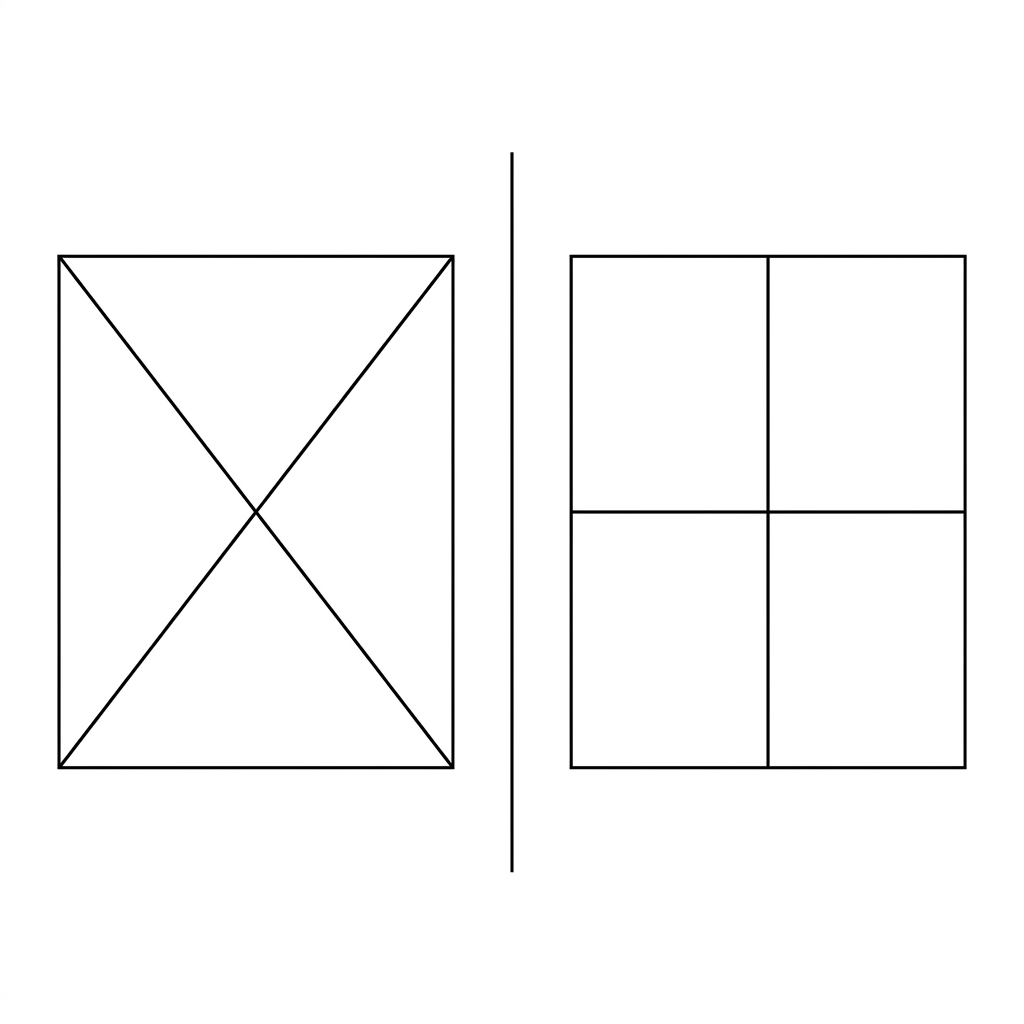
Counting Squares in Rectangles, Teaches students how to count squares within rectangles effectively
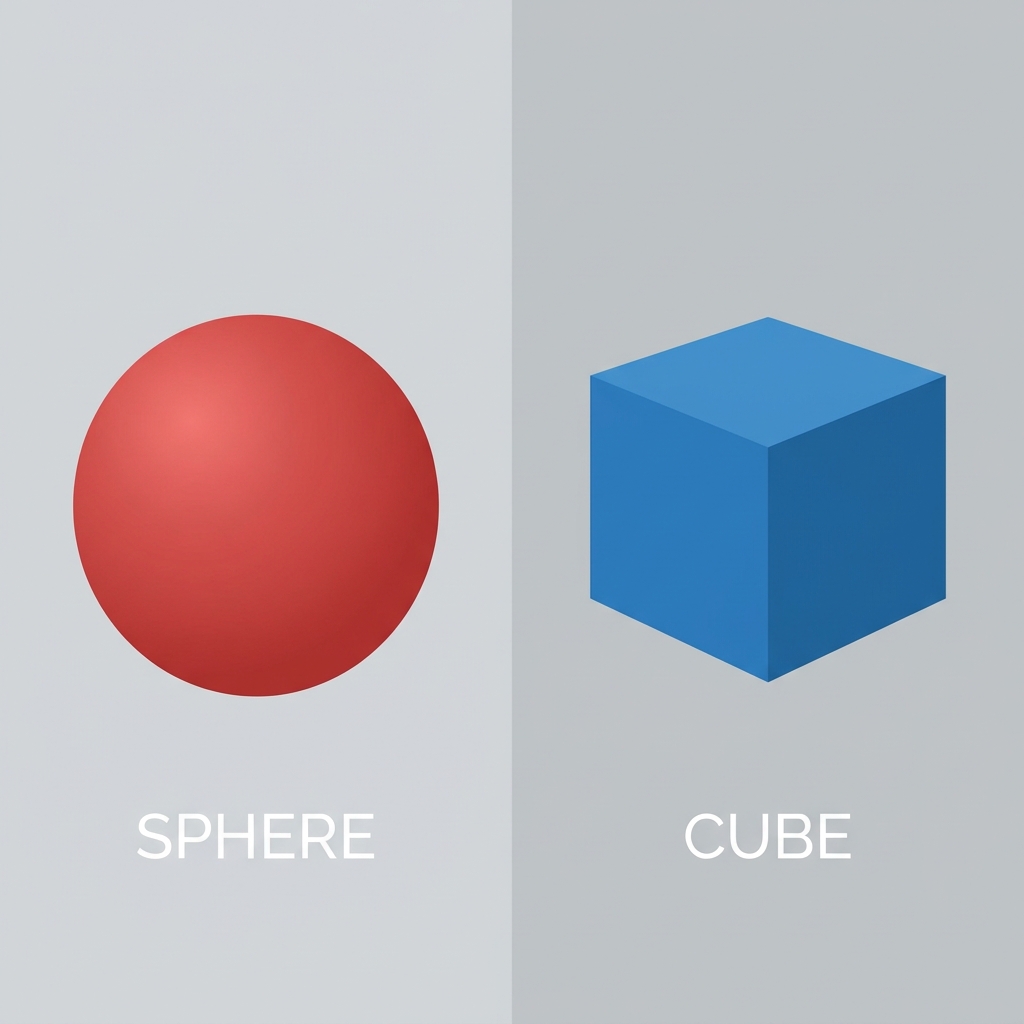
Exploring Shapes and Their Parts, Covers basic geometry and components of different shapes