


This lesson is for seventh grade social studies teachers who have reached the Japan standard with fewer days than they planned, and for the student who was absent the week the class covered it. Both situations come up every year.
Understanding Medieval Japan runs about 45 minutes and sits in the Medieval World History course, under the core concept of civilization. It is self-contained. A student can open it, work through it, and come out with the vocabulary and the big structures without a teacher re-teaching the unit at the side table.
Why Japan gets squeezed
The seventh grade course tends to move in the order the standards are numbered. By the time a class reaches 7.5, it has already worked through Rome, the rise of Islam, China, and the West African kingdoms. In my years in the classroom, that meant Japan landed somewhere around winter break, right alongside assemblies, benchmark testing, and the week half the room has a cold. A unit that deserves a week often gets two days.
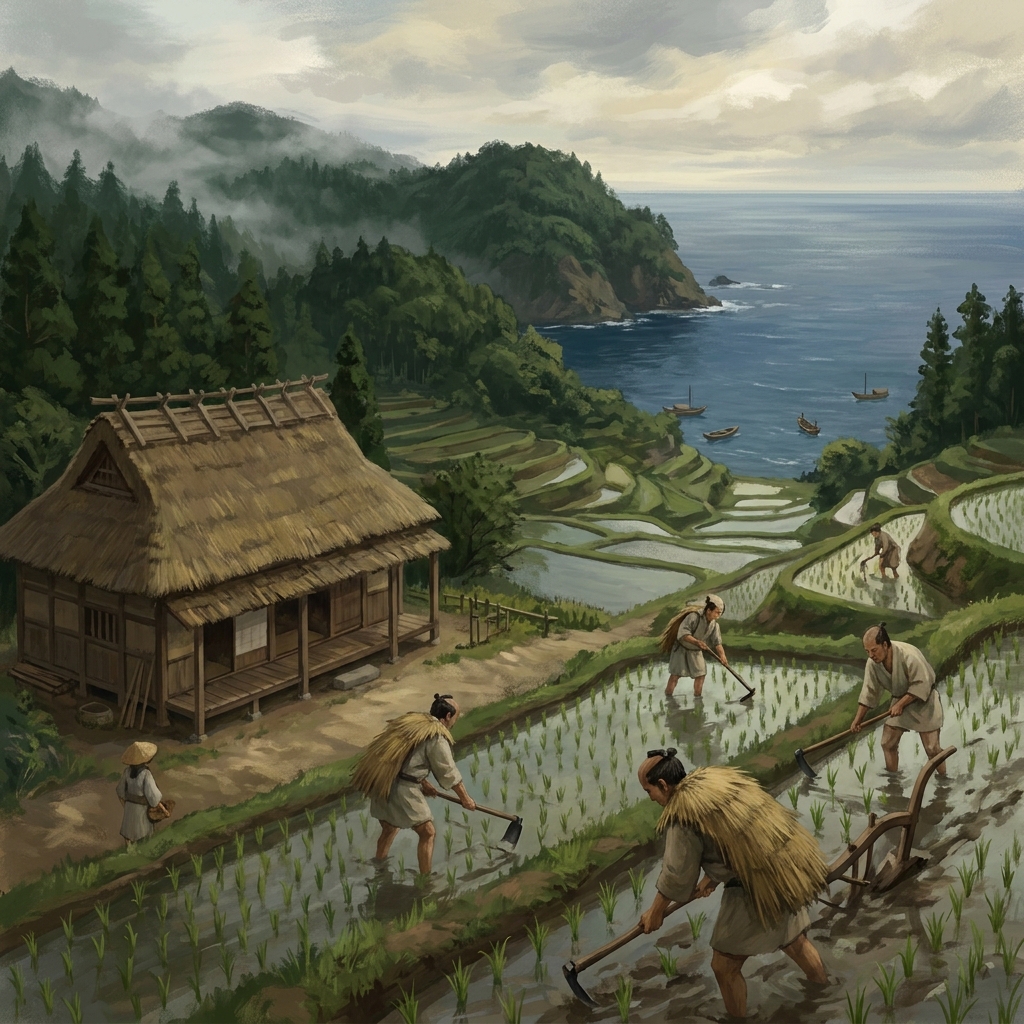
That is a shame, because Japan is one of the cleaner cases in the course for showing how geography shapes a society. Compton Unified, Torrance Unified, Exeter Unified, and Bonita Unified all teach this standard, and it reads the same in each of them as it does in every other California district, so the squeeze is a shared problem.
What the lesson actually asks students to do
The primary standard is CA.HSS-7.5, from the California History-Social Science standards. It asks students to analyze the geographic, political, economic, religious, and social structures of Medieval Japan. That is five lenses on one civilization, and the standard expects students to see how they connect, not just list them.
The lesson’s objective narrows that into something a seventh grader can hold: identify how Japan’s geography, government, and social classes combined to make a distinct civilization. It opens with a familiar idea, a village where some people farm, some protect, and some make tools, and names that arrangement a social hierarchy. Good move. Students already understand that a group needs different jobs, so the jump to samurai and lords feels less abstract.
The vocabulary is short and well chosen:
- Archipelago: a group or chain of islands in a sea or ocean
- Shogunate: a government led by a military leader called a Shogun
- Feudalism: a system where land is exchanged for military service and protection
- Samurai: a member of the warrior class who served a lord
The worked example uses Shinto shrines built in natural settings to honor spirits, showing how religion tied people to their land. Then guided practice hands the reasoning to students: a merchant traveling between coastal ports selling pottery and salt, and what that trade did to connect the islands. I like that the practice scenario is economic. It quietly brings the archipelago back in, because coastal trade only makes sense once you picture a country made of islands.
Where it fits and where it falls short
For a teacher who is behind, this works as a whole-class assignment that covers the essentials of the standard in one period. For a student who missed the week, it is a reasonable way to catch up without a stack of photocopied packets. It also fits a substitute day, since the lesson carries its own explanation and practice.
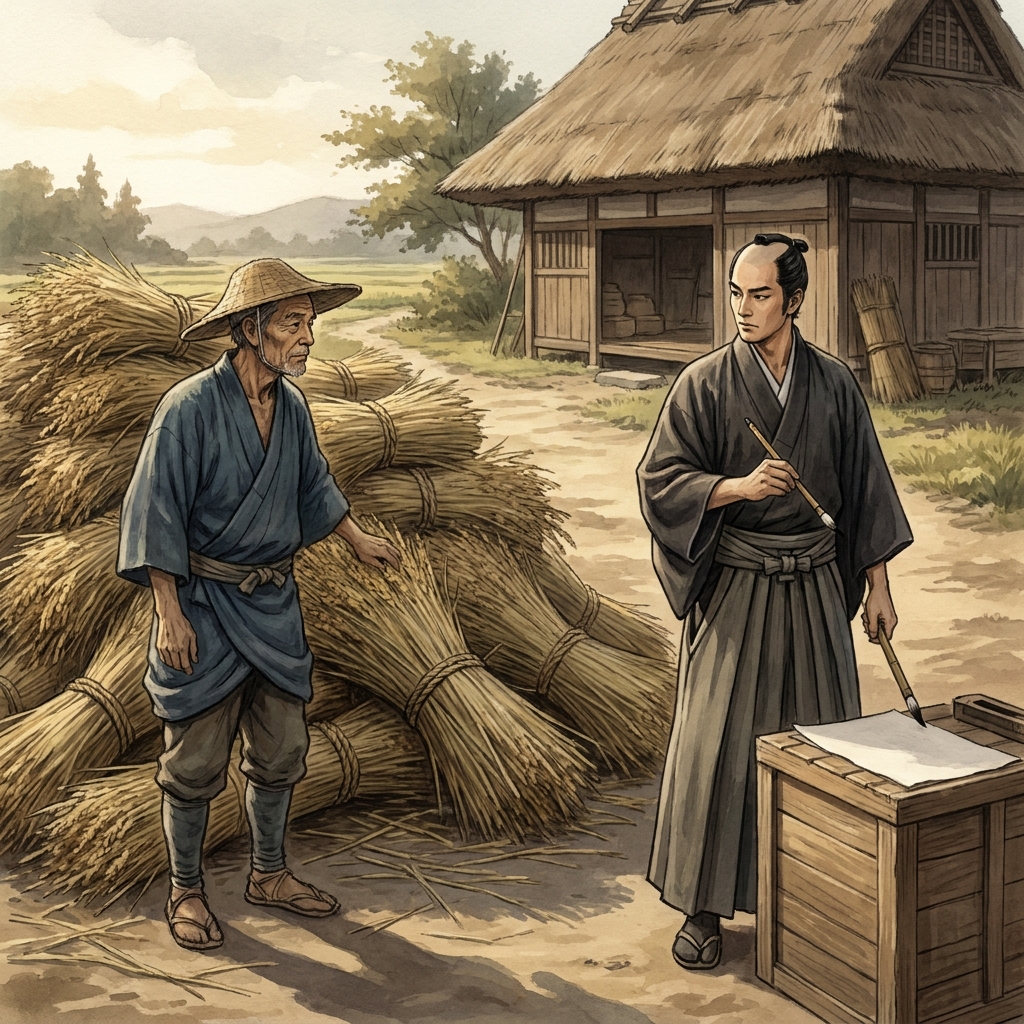
The honest limitation: 45 minutes across five structures is a survey. Students will leave knowing what a shogunate is and why samurai mattered, but not much about daily life or the arts. Watch for students who later blur Japanese feudalism with the European version they meet in the next unit. A two-minute comparison when you get to Europe pays off.
If you need a seventh grade Medieval Japan lesson that fits in one period and does not require you to be in the room, open it before the break and assign it to the students who will need it most.
Related lessons
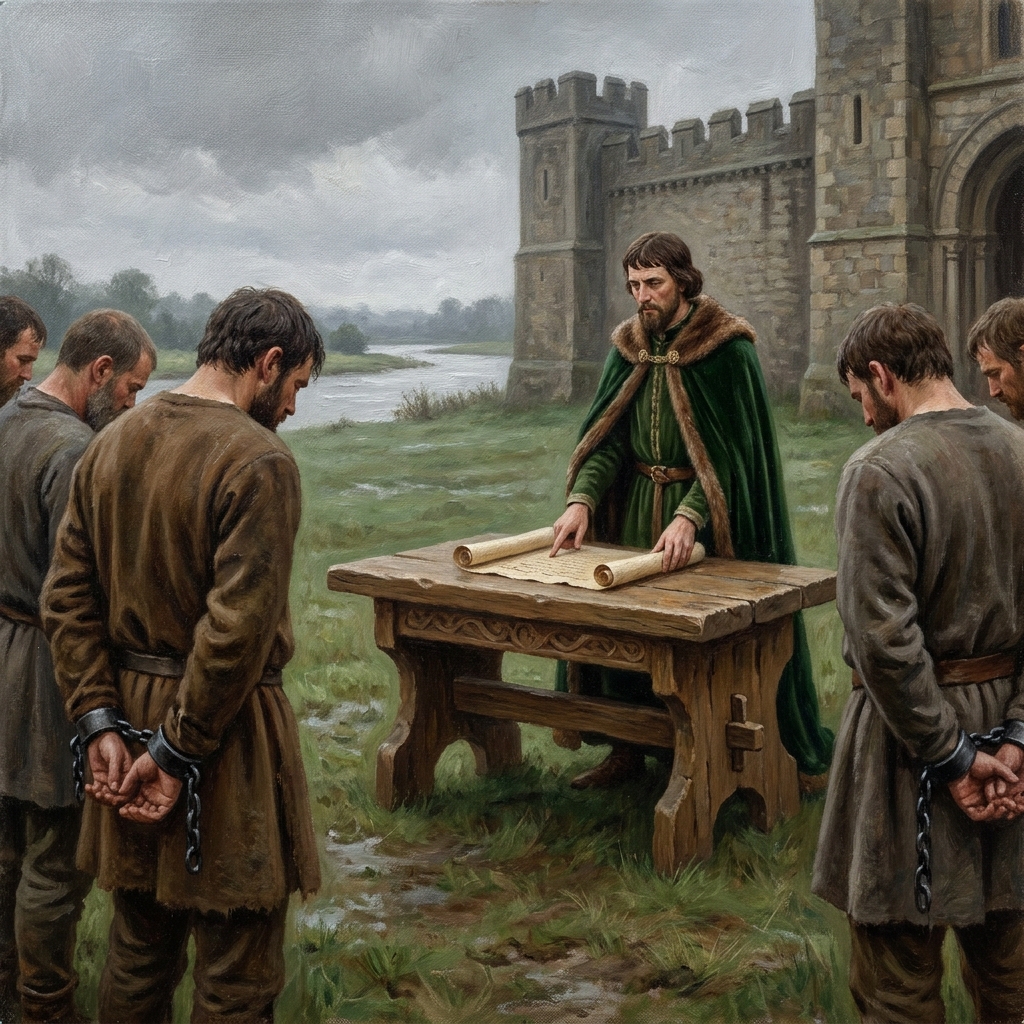
From Magna Carta to Independence: The Evolution of Rights, How ideas about rights developed from Magna Carta to independence
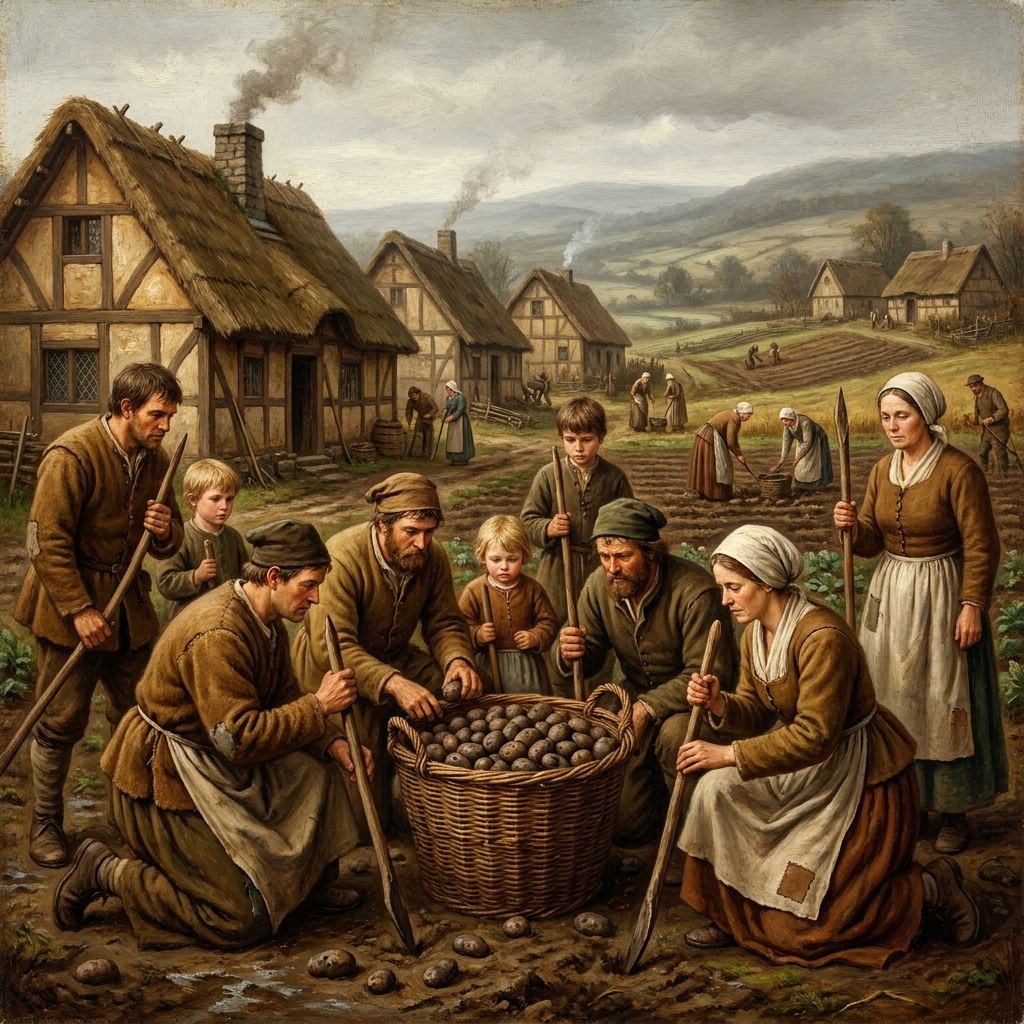
The Columbian Exchange and Global Connections, The Columbian Exchange and how it linked regions of the world
The Enlightenment and Its Roots, The Enlightenment and the earlier ideas that led to it