

Teachers often face tight deadlines and a crowded curriculum calendar, making it difficult to cover every literacy standard with the time it deserves. Managing historical units while balancing state testing requirements leaves little room for extra lesson planning, yet students must learn to analyze the logical structures used in historical writing. Using targeted, self-contained digital resources allows educators to address these specific standards efficiently without sacrificing quality instruction time.
When the curriculum calendar tightens
Teachers know that by the middle of the school year, the calendar starts to feel like a closing door. We have historical units to finish, state testing prep to consider, and a mounting pile of assignments. Because of this, it is common for the finer points of literacy in history to get squeezed out of the daily schedule. This is especially true for the work required by CA.ELA.RH.6-8.5, which asks students to describe how a text presents information such as sequentially, comparatively, or causally. This standard is consistent for seventh graders in classrooms across the state, from the Tulare City School District to Fontana Unified, Orange Unified, and even in the Bishop Unified district. It is meant to ensure that by the time students leave middle school, they can look past the events of history and see the logic the author used to explain those events.
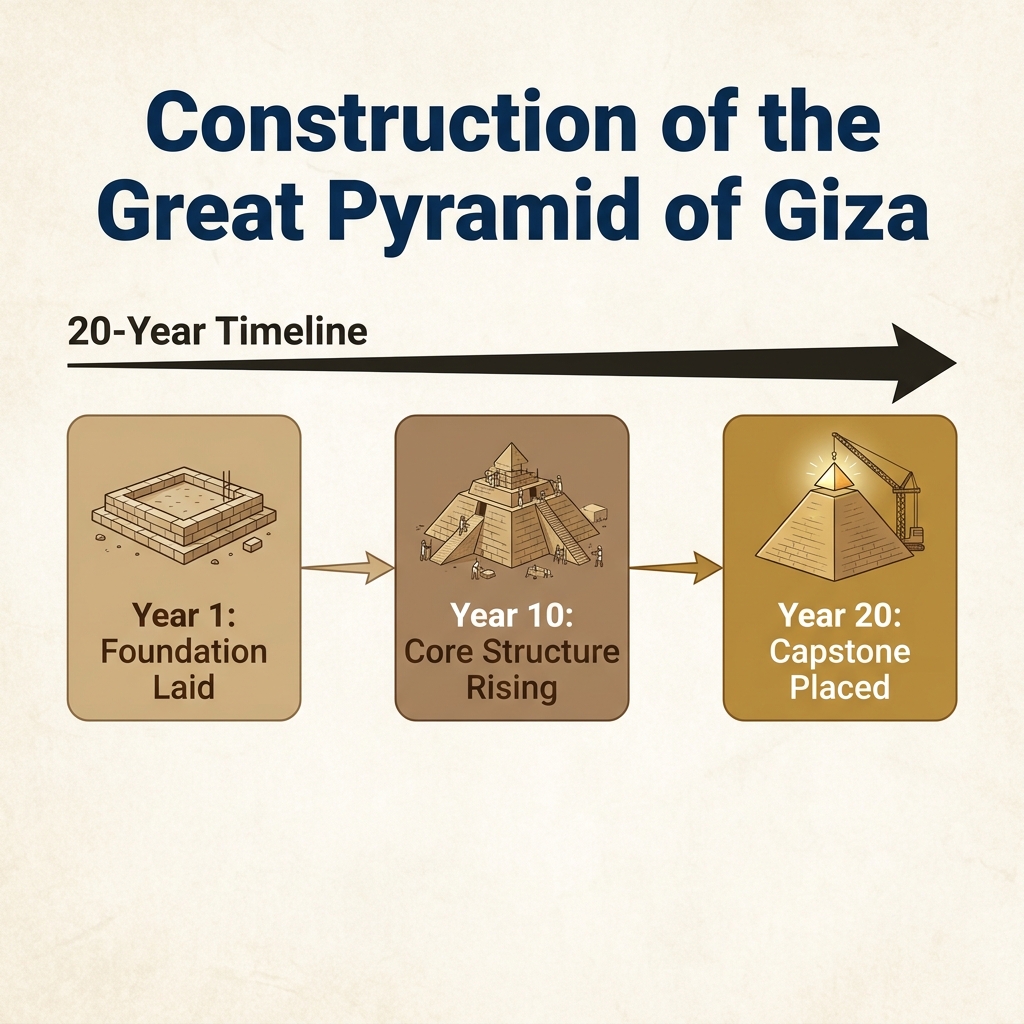
If you find yourself falling behind on your pacing guide or have a student who missed the week and needs a solid catch-up activity, Understanding How Authors Organize Information is a self-contained digital tool that walks a class through these specific structures. It does not try to lecture the students for an hour or assign a massive research project. Instead, it provides a clean and clear explanation of how authors build a case. The lesson uses the construction of the Great Pyramid of Giza as a way to show chronological sequence, noting that the construction took twenty years and that understanding the order of those events is a foundational skill for analyzing historical change.
How the lesson applies the theory
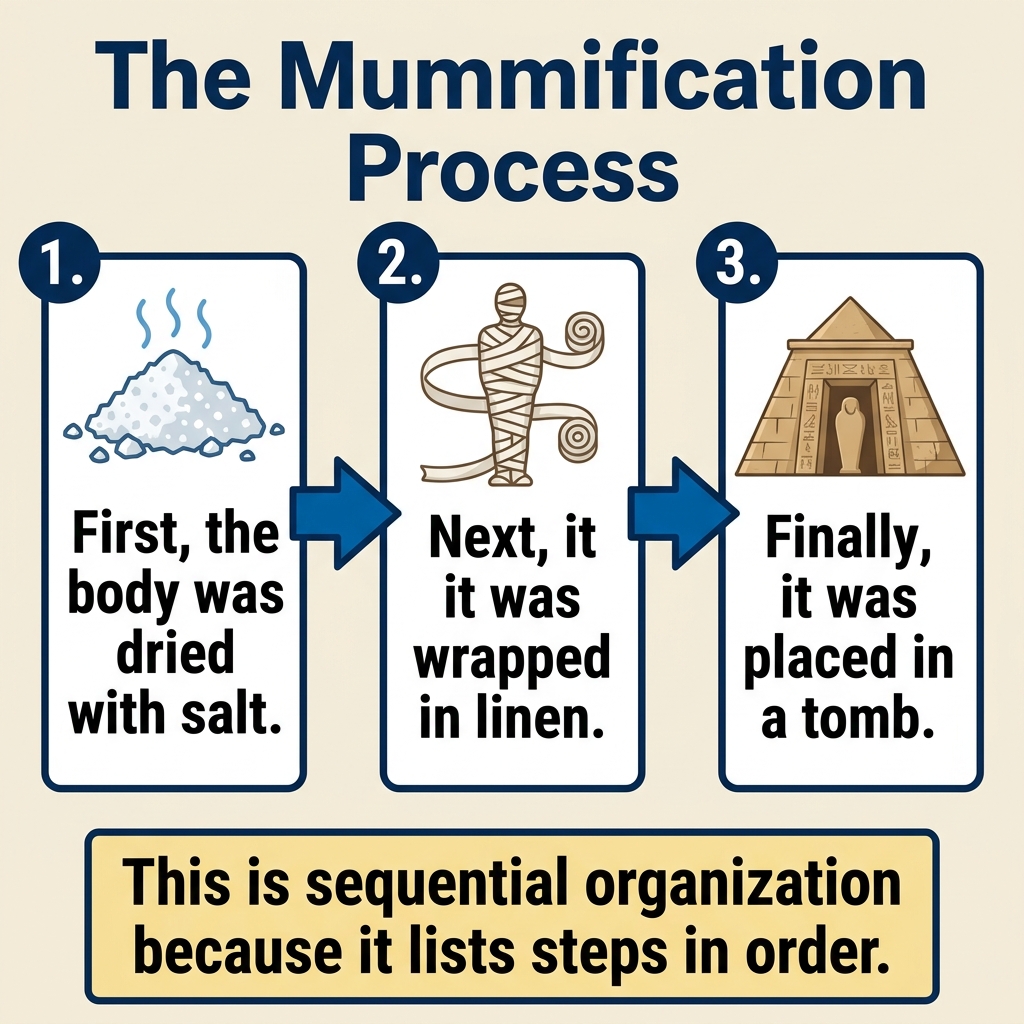
The lesson moves from theory into practice using a few specific scenarios. For instance, it uses the mummification process to illustrate sequential organization, breaking it down into simple steps: first, the body was dried with salt, next, it was wrapped in linen, and finally, it was placed in a tomb. This helps students recognize that sequential organization is simply a way of presenting information in the order that events happened over time. By looking at these examples, students start to see that an author is not just writing a list, but making a deliberate choice about how to present the facts.
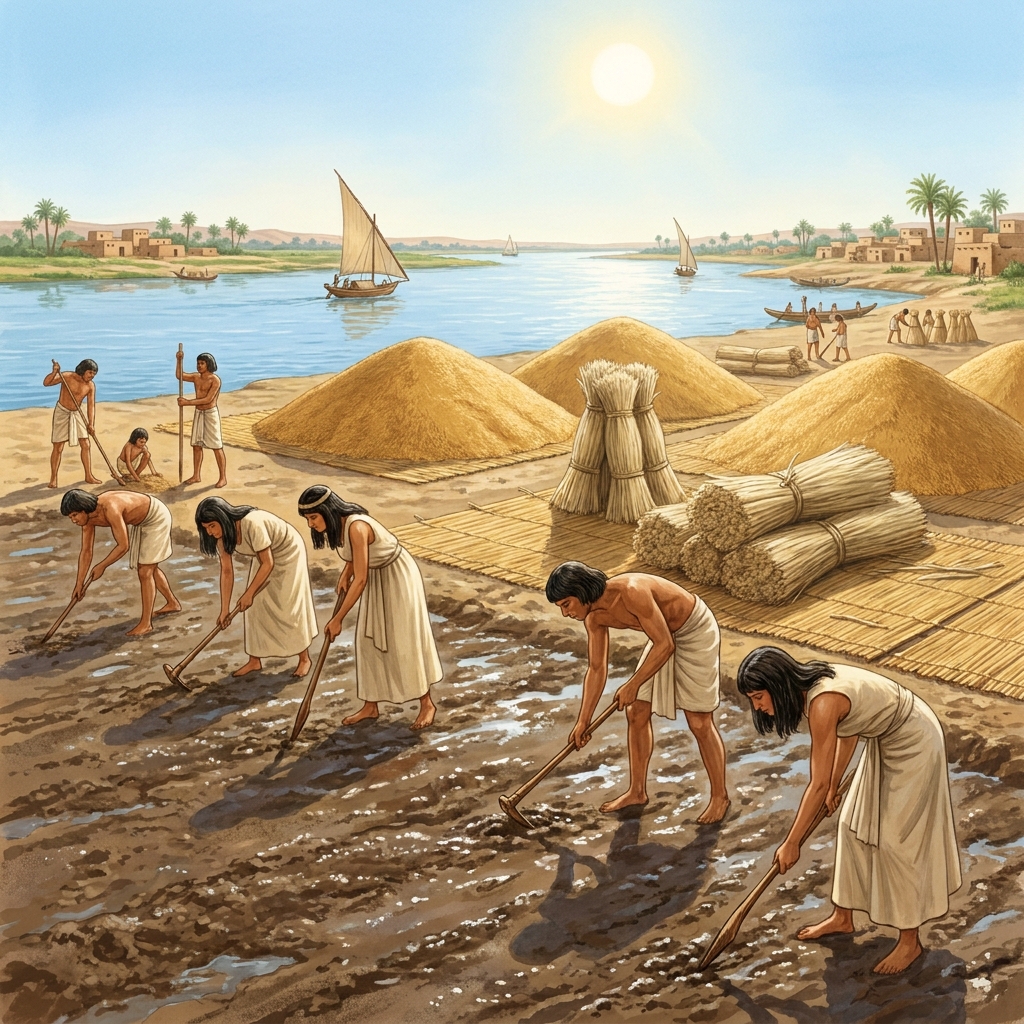
The guided practice on the Persian Wars is perhaps the most useful part of this 7th grade literacy history lesson. It explains causal organization by defining a conflict as a catalyst, or an event that causes change. Students see how the wars served as a turning point that forced the Greek city-states to unify their military and political systems to survive. This helps students move past just summarizing history and toward analyzing why it unfolded the way it did. The lesson keeps the vocabulary focused: students define Text Structure, Sequential Organization, Comparative Organization, and Causal Organization.
This material works well as a whole-class assignment when you are introducing the unit, but it really shines as an independent study or attendance recovery resource. I often use these materials when I have students coming back from an absence who need to get up to speed without me having to re-teach the whole lecture. It allows them to work through the logic of historical writing at their own pace. The lesson notes that understanding these structures is a skill that translates into reading news articles or even instructions for a game. It is a practical approach to a standard that often feels too academic. While it cannot replace the nuance of a deep, hour-long classroom debate, it is exactly what you need when you need the class to understand the mechanics of historical structure without losing a full day of instructional time.
Related lessons

Summarizing Historical Sources, Teaches the process of shortening historical texts while keeping core meanings
Comparing Historical Sources, Shows how to identify similarities and differences between two separate accounts
Analyzing Historical Texts, Covers strategies for breaking down primary and secondary historical source materials