

Teaching the history of the early United States requires students to understand how leaders shaped the nation through their choices. This overview describes a classroom resource designed to meet specific standards while encouraging critical thinking about historical influence.
How this lesson connects to the broader history curriculum
It is time to look at how we teach the shifting power structures of the early American republic. If you are preparing your fifth graders for the upcoming unit on westward expansion and governance, the Leaders and Change in the Early United States lesson offers a clear path. This 5th grade social studies material focuses on the people who shaped our early national character and the consequences of their actions.

When we move through our history curriculum, we often focus on dates and broad events. This lesson forces a change of pace by asking students to look at the individual decisions that built those historical events. It is a 5th grade social studies lesson that is best used as a whole-class assignment or for a student who missed the week and needs a quick way to catch up on the essential logic of early American government.
The standard and what it asks students to do
The core objective here is to explain how the decisions and achievements of early American leaders shaped the political and cultural life of the nation. Teachers in districts like Corona-Norco Unified, Fremont Unified, Valley Center-Pauma Unified, and Marysville Joint Unified all use the same CA.HSS-5.3.6 to ensure students understand these roles. This is the California-adopted standard which asks students to explain the influence and achievements of significant leaders of the time such as John Marshall, Andrew Jackson, Chief Tecumseh, Chief Logan, Chief John Ross, and Sequoyah.
The standard demands more than memorizing names. It asks students to articulate the influence these individuals exerted. Influence is defined here as the power to change how people think, act, or live. When students walk through the provided examples, they are not just reading biographies. They are analyzing how power moved between branches of government or between nations. For instance, the lesson explains how George Washington understood that his actions would establish a standard for all future presidents to follow. Students learn that a standard or example that is used as a guide for later actions is called a precedent.
Analyzing influence through specific scenarios
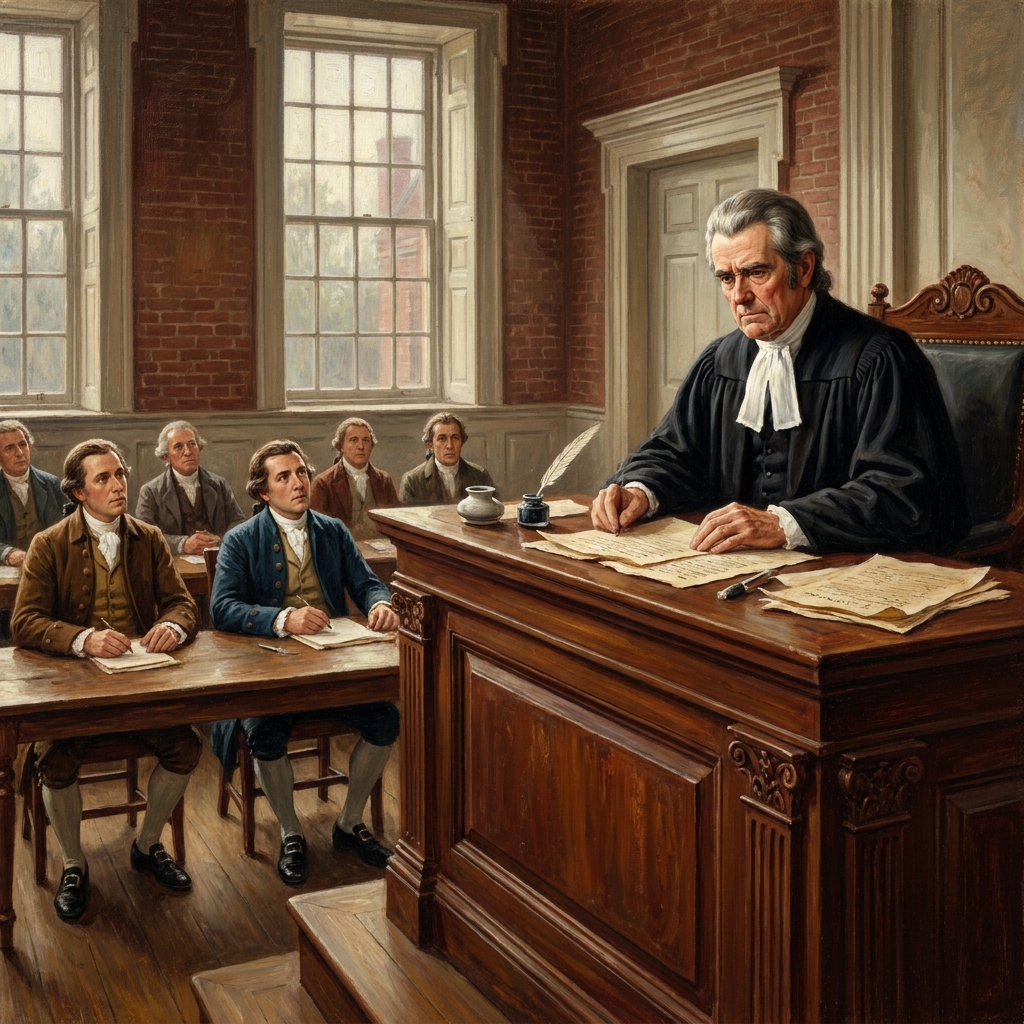
The lesson moves from abstract definitions to concrete practice through a pair of scenarios. The first scenario highlights John Marshall, who used his role as a judge to establish the power of judicial review. This changed how the government works by giving the courts the authority to check laws. It serves as a classic example of influence because Marshall used his official position to shift the entire legal system of a new country. Students often struggle to understand why courts matter, but framing it as a shift in power dynamics helps them see the long-term reach of this decision.
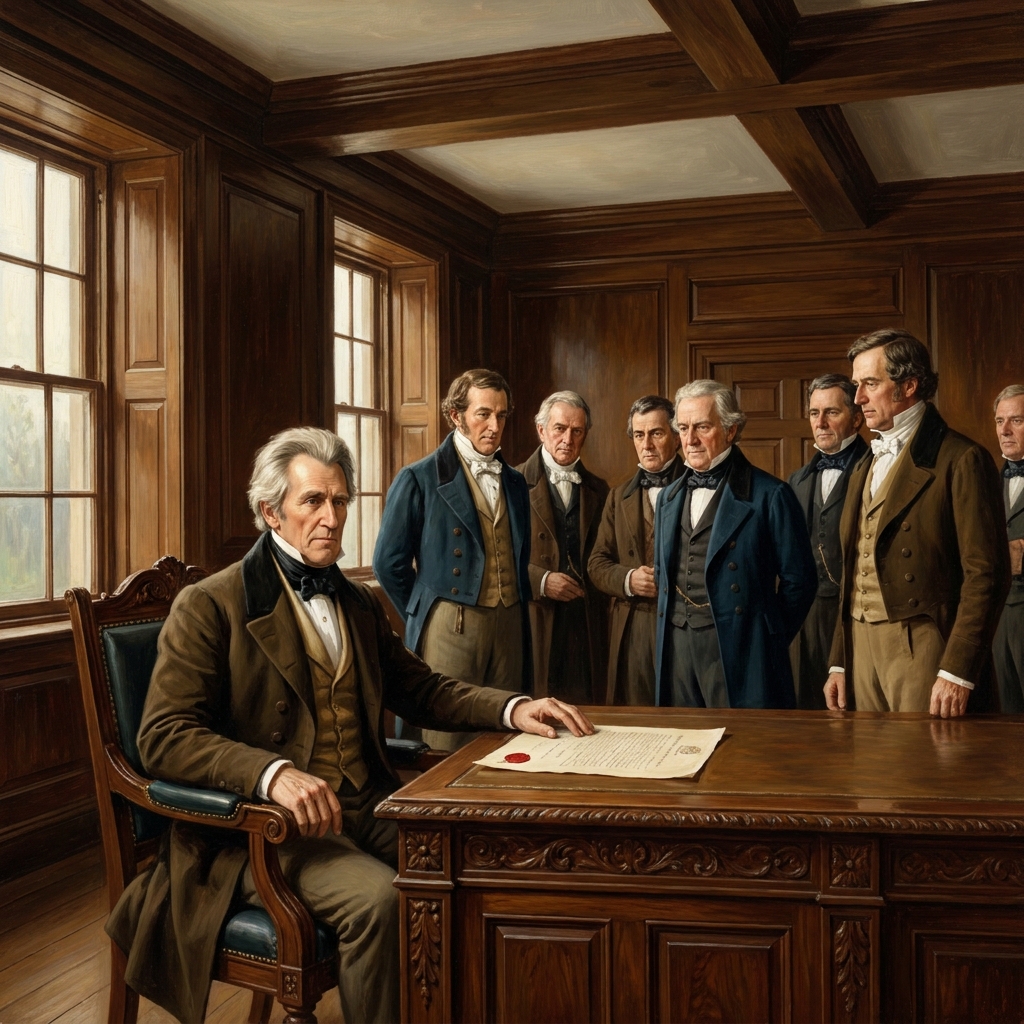
The second scenario flips the perspective to Chief Tecumseh. He lived in the Northwest Territory and attempted to bring different tribes together to stop the United States from taking more land. The text frames this alliance as a direct response to the government policy of land acquisition which threatened the independence and sovereignty of Indigenous nations. Sovereignty is defined in this lesson as the right of a nation or group to govern itself. By comparing Marshall and Tecumseh, students begin to see that leadership is not limited to the federal government. They see influence in the form of resistance and organization as well.
Where students often get stuck
The concept of sovereignty is often the biggest hurdle for fifth graders. It is an abstract term, and students might confuse it with simple independence. When you introduce this part of the lesson, keep an eye on how students respond to the idea of a group having the right to govern itself while facing external pressure. Many students assume that the strongest force wins by default. This lesson pushes back against that assumption by showing that leadership often involves organizing, negotiating, and forming alliances. It is worth spending extra time on the vocabulary terms influence, precedent, and sovereignty before the students start their written work.
You might find that students want to jump to moralizing about who was right or wrong. While that is a natural student impulse, try to pull them back to the objective of explaining the influence and achievements of these leaders. If a student says Andrew Jackson or Chief John Ross was just a bad or good person, ask them to identify the specific decision that was made and the resulting change that happened because of that decision. This shift in focus from moral evaluation to historical cause-and-effect is the real challenge of this content. It turns a standard biographical reading into an analysis of historical force. If you need a substitute day activity or a way to fill an intervention block, this lesson works because it has a high ceiling for discussion but keeps the material accessible for those who need more support.
Related lessons
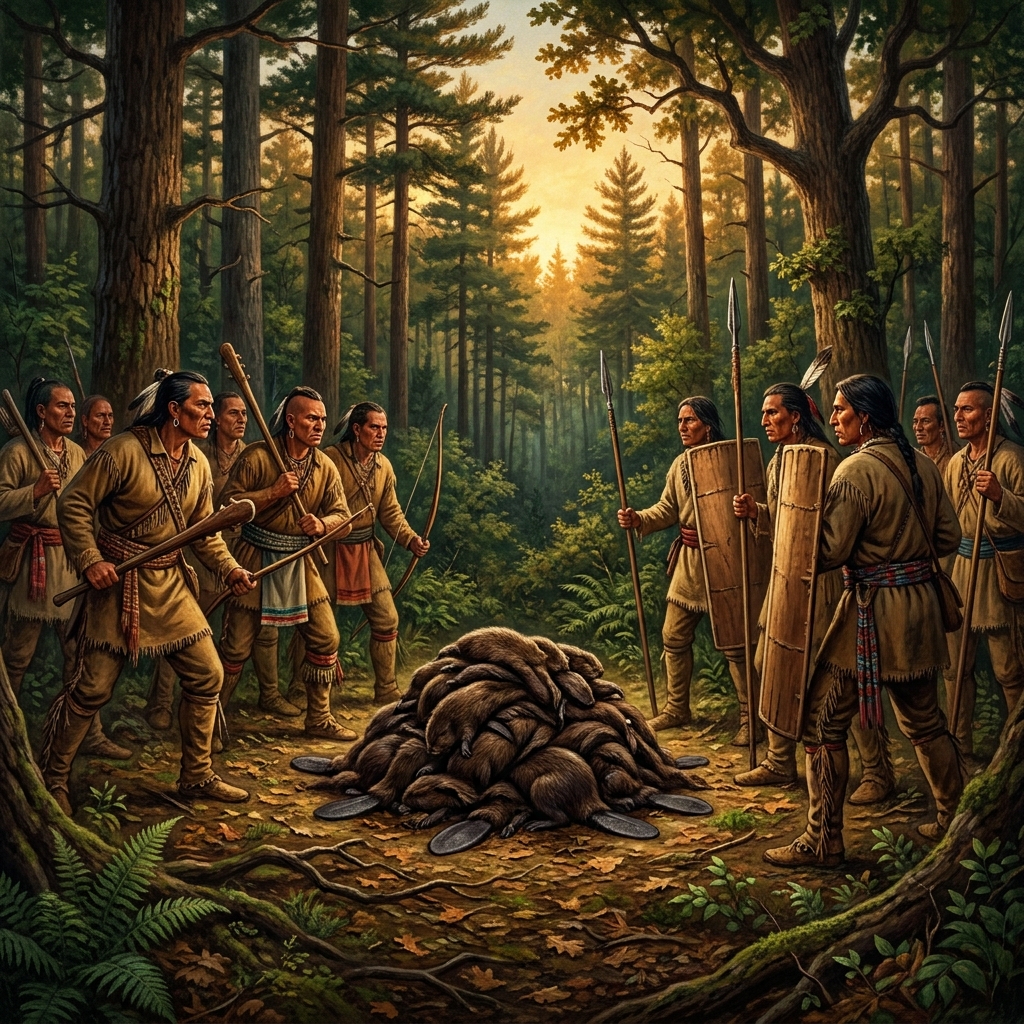
Native American Nations and Competing Claims for Land, Examines conflicts between indigenous tribes and settlers over territory
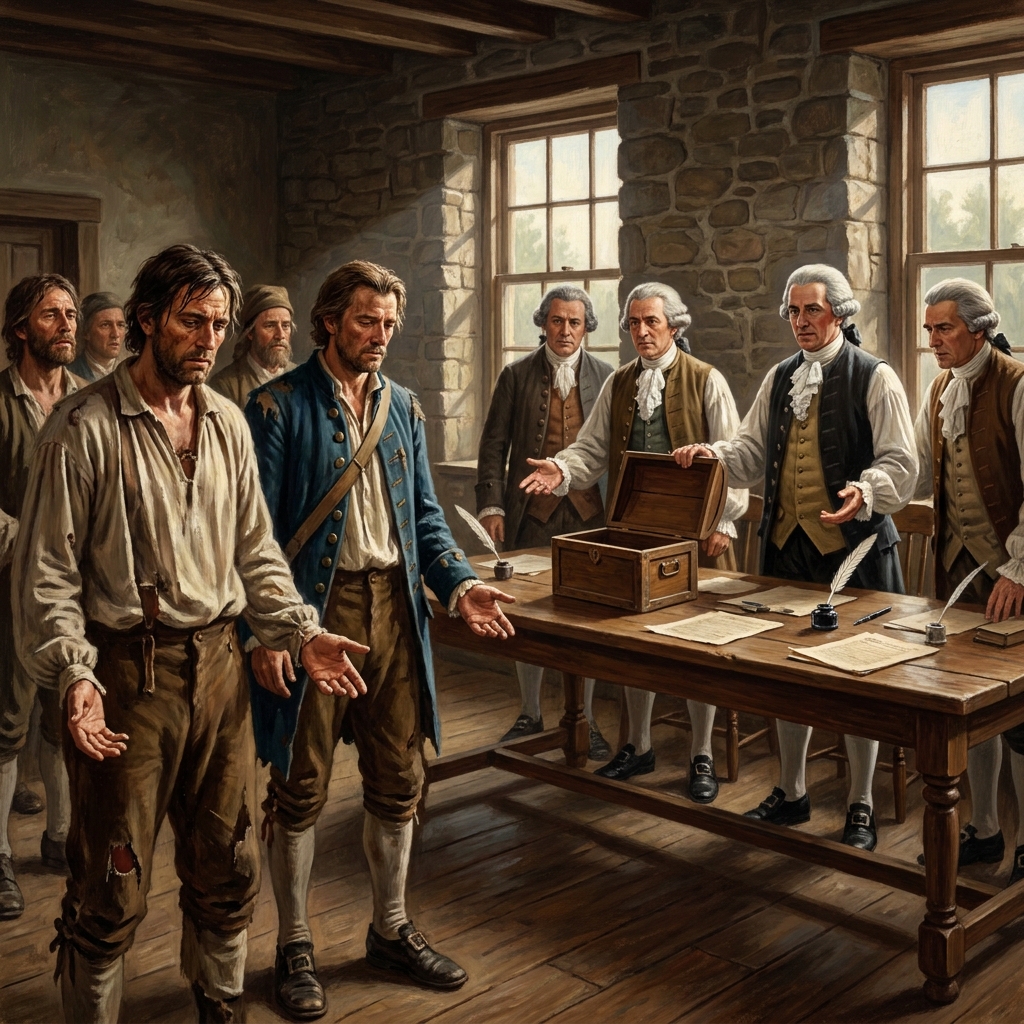
Weaknesses of the Articles of Confederation, Discusses the limitations found in early American federal government documents

Building a Nation: State Constitutions and the American Revolution, Covers creation of foundational laws during the revolutionary time period