

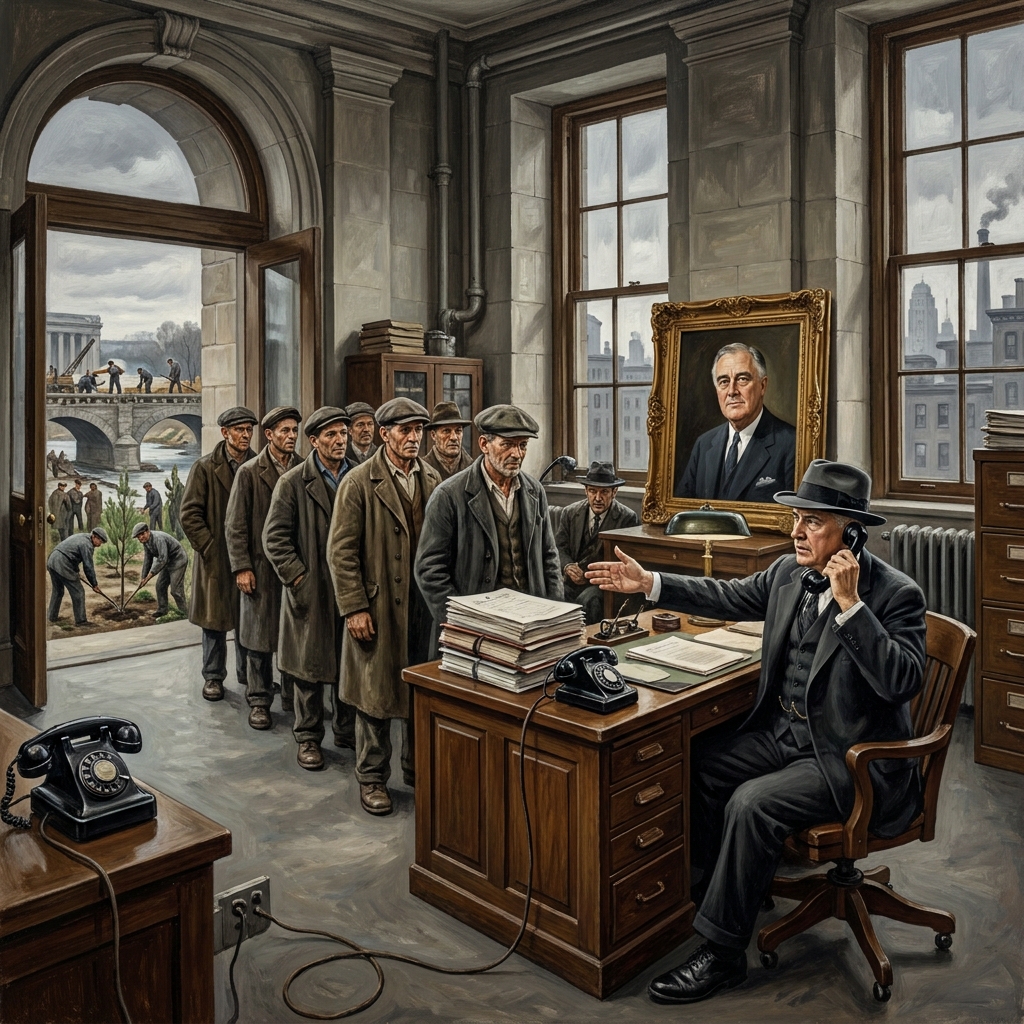
Teachers often look for materials that help students move from the domestic challenges of the Great Depression to the global scale of the Cold War. This transition marks one of the most significant pivots in our curriculum. The lesson The Growth of Presidential Power in the Twentieth Century helps students trace how the executive office evolved from a role focused largely on enforcement to one of active economic and social management. It lands right when students are beginning to grasp the scale of the changes the federal government underwent during the 1930s and 1940s.
Framing the evolution of the presidency
The lesson does not try to tell the whole story of the century at once. Instead, it focuses on the objective of identifying how the executive branch grew its authority during three specific crises: the Great Depression, World War II, and the Cold War. It is a solid choice for a whole-class assignment or for a student who missed the week and needs to get back up to speed on the core concepts of executive authority. You can also assign it for independent study or as a backup for a substitute day when you need students to work through a structured analysis.
Aligning with state standards
The lesson is built around the primary standard CA.HSS-11.8.5. This California-adopted standard asks students to describe the increased powers of the presidency in response to the Great Depression, World War II, and the Cold War. It requires students to connect the dots between national emergencies and the expansion of the president’s role in governing the economy and commanding military forces. Educators in the Fullerton Joint Union High School District, Perris Union High School District, Gilroy Unified, and Williams Unified are all working toward the same expectations with this standard across the state.
Students start with an opener about the early 1933 banking collapse, focusing on the Emergency Banking Act. It sets the scene by showing how quickly the federal government needed to pivot to stabilize the financial system. The lesson includes a worked example scenario involving New Deal alphabet agencies like the Works Progress Administration and the Civilian Conservation Corps. These examples clearly illustrate how the president directed agencies funded by Congress to provide jobs and manage the economy directly. During guided practice, students analyze the Four Freedoms speech to see how rhetoric was used to justify wartime mandates and rally support.
Managing the vocabulary
One detail I appreciate about this eleventh grade US History lesson is how it defines terms that often trip students up during testing. You will want to watch for how they define executive authority as the legal and administrative power granted to the president. They also introduce the concept of an imperial presidency to describe how the office has sometimes grown beyond its constitutional limits, particularly in foreign affairs. The other terms, including inherent powers, executive order, global mobilization, domestic economic policy, and containment, are vital for students to handle if they are going to discuss the twentieth century accurately.
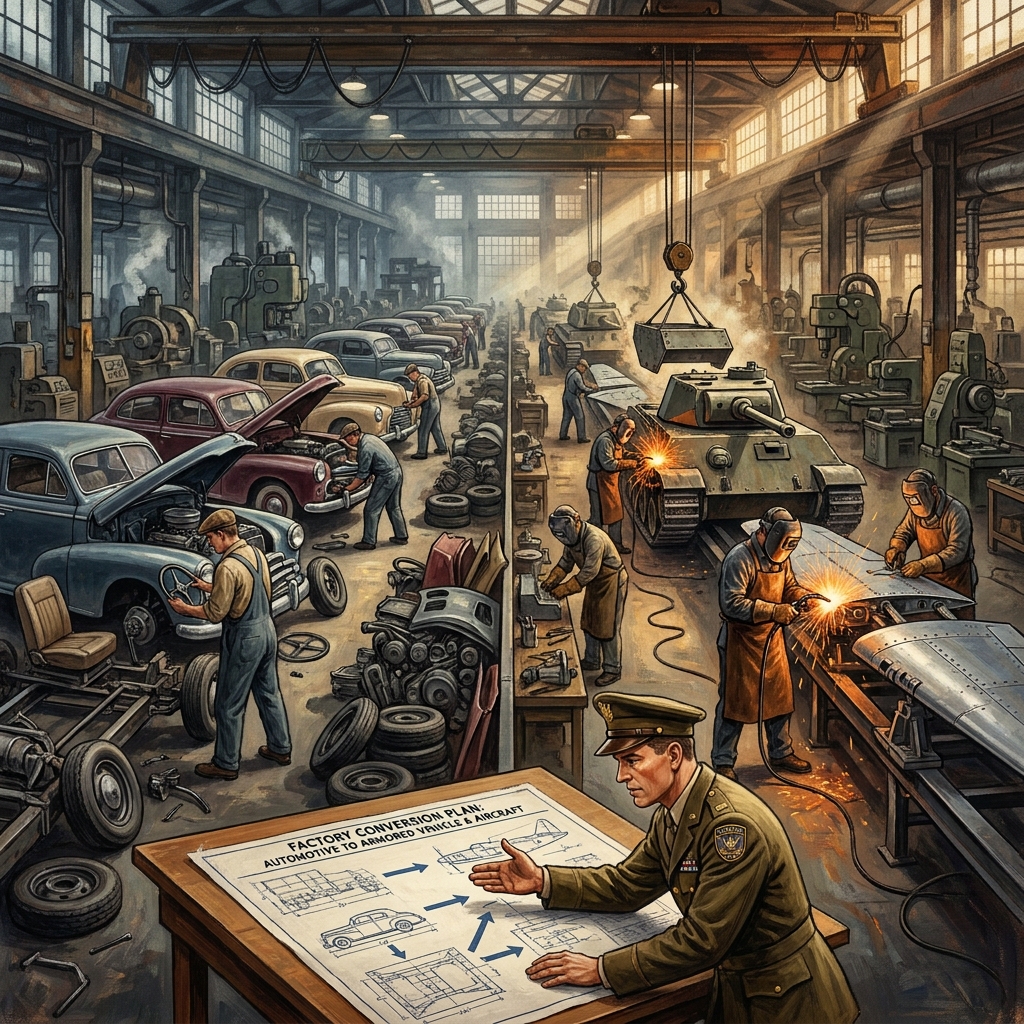
One limitation worth noting: the lesson moves through a lot of historical territory in 45 minutes. Students who are not yet comfortable with the basic structure of the New Deal or the early Cold War might find the pace brisk. I recommend giving the class ten minutes before starting the lesson to discuss the general state of the US economy in 1932. This primes them to understand why the president’s new, more direct role in the economy felt like such a departure from previous administrations. If you have the time, asking them to contrast the presidency of the 1920s with the mid-1930s before they start will make the later sections about global mobilization feel much more grounded.
Making it stick for students
The why-it-matters section of this lesson is practical rather than philosophical. It states that understanding presidential power matters because it affects how our government responds to crises today. I have found that when students understand that this is not just dry history but a pattern of governance that continues to shape their lives, they pay much closer attention. It connects the historical expansion of the presidency to modern experiences like health emergencies or foreign policy actions. It is a good way to get them to recognize the difference between routine governance and the expansion of power that happens during national crises.
When I monitor the room during this work, I listen for how they discuss the difference between an executive order and legislation. Students often assume everything the president does is law, so clarify that these orders manage the operations of the federal government. Keeping this distinction clear during their analysis of the Great Depression examples will save you time later when you cover the legislative branch’s role in the late twentieth century. Keep the focus on how the power was claimed versus how it was granted, and watch for them to identify specific historical triggers like the collapse of banks or the necessity of containment during the Cold War.
Related lessons
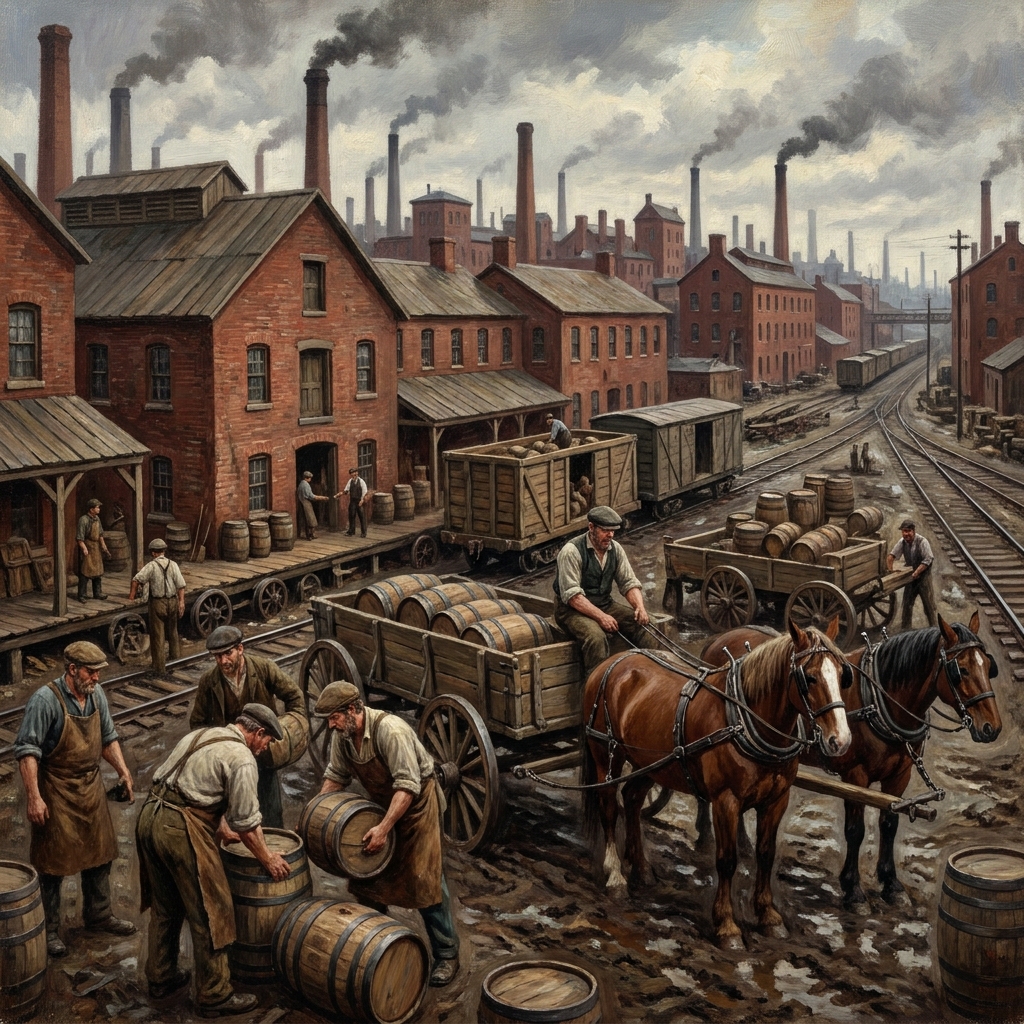
Industrialization and Migration in Early Twentieth Century America, Explores early 20th century economic shifts and internal movement
The Open Door Policy and American Foreign Relations, Covers US foreign policy and trade with Asian markets
Ideologies of Progress: Social Darwinism vs. Social Gospel, Analyzes competing philosophies regarding social advancement and moral obligation