

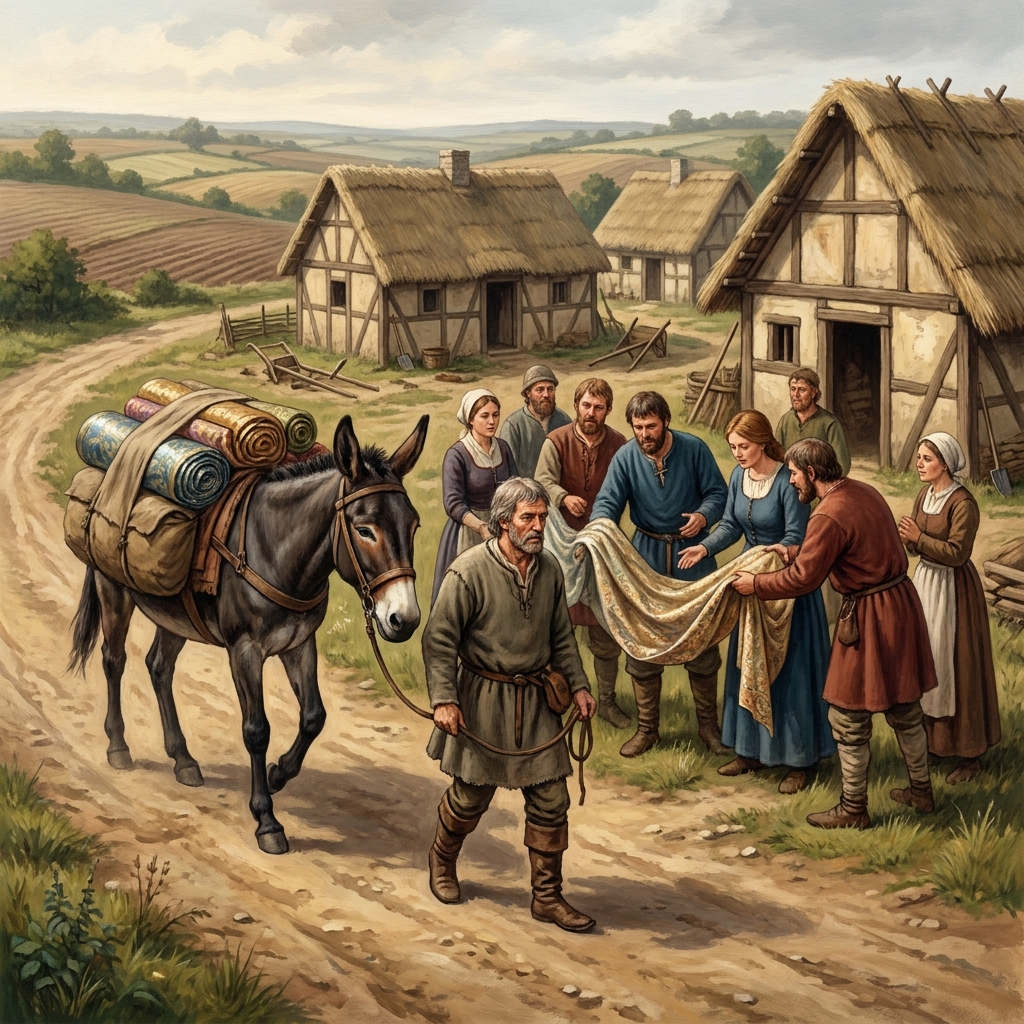
This 7th grade social studies lesson does not attempt to cover every single route or every merchant who traveled the paths between empires. Instead, it focuses on the mechanism of the exchange itself. The lesson titled The Silk Road and Marco Polo introduces the Silk Road as a vast network of trade routes connecting China and the Far East with the Middle East and Europe. It sets the stage by using a simple example: imagine two villages trading grain for wool. By starting here, students quickly grasp that trade is not just about greed or expansion, but about necessity and availability. Once that foundation is set, the material moves to the broader concept of cultural exchange, which is the process of sharing ideas, technologies, and goods between different groups of people.
How this lesson handles trade and history
When you use this 7th grade Silk Road lesson, you are addressing the California-adopted standard CA.HSS-7.8.3. This standard asks students to understand the effects of the reopening of the Silk Road between Europe and China, including the specific travels of Marco Polo and the location of his routes. Teachers in San Francisco Unified, Tulare City School District, Huntington Beach City Elementary School District, and Rialto Unified all use this same standard to help students see how geography dictated human connection in the medieval world.
What students do during the forty-five minutes
The lesson spends a significant amount of time on tangible examples of how this exchange actually looked. A great example of this is the spread of silk from China to Europe. As the material explains, merchants carried rolls of silk across the trade routes, and Europeans eventually adopted the fabric, which altered their fashion and trade habits. This is a perfect moment to ask your students why a simple change in clothing material indicates a much deeper shift in international relations. If they can trace the movement of silk, they are halfway to understanding the broader impact of global trade.
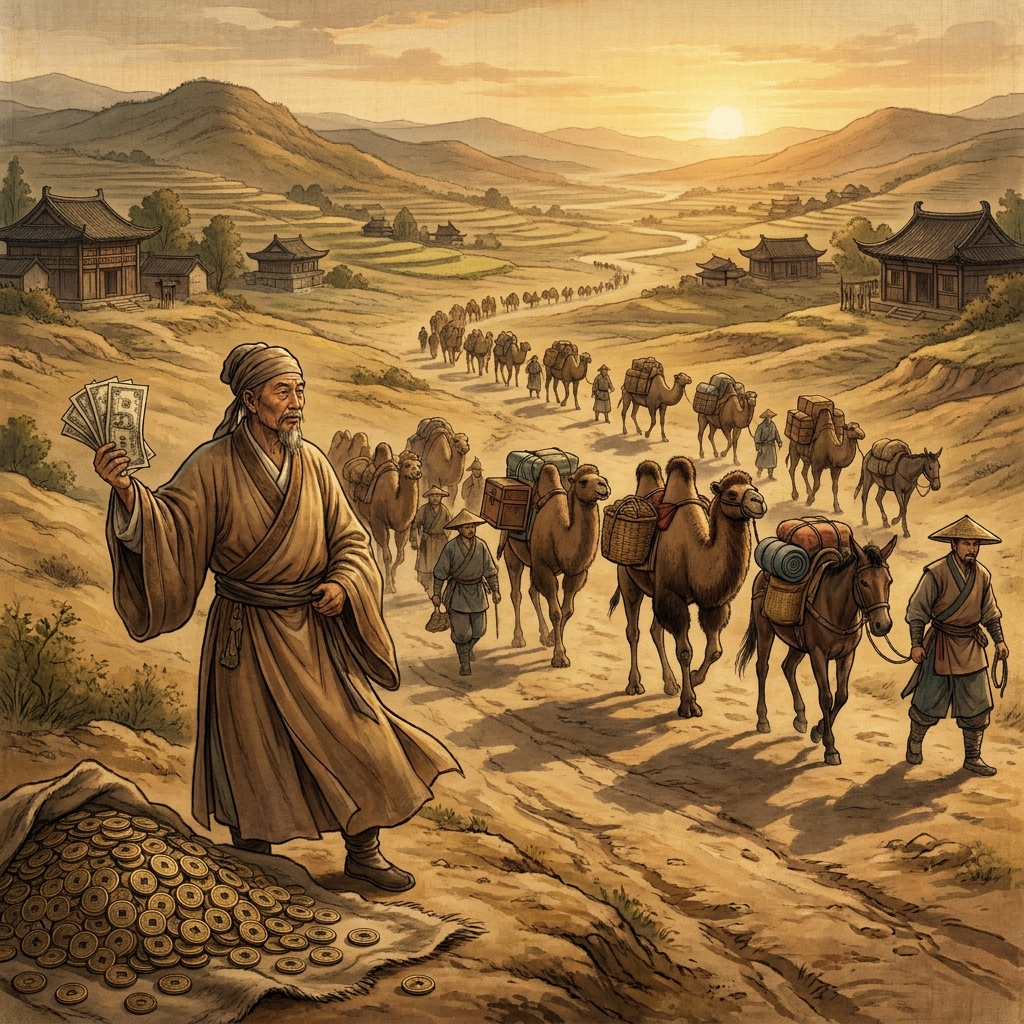
Where students often need a bit of nudging is during the guided practice section, which focuses on technology transfer. The lesson asks the class to consider the compass. Even though it is a simple tool, Europeans adopted it only after hearing about it from travelers who had been to China. I find that this is where the lightbulb moments happen. Students start to see that the Silk Road was not just a road for physical cargo, but an information superhighway of the era. It helps them connect that ancient history to our modern reality, where the internet allows us to share ideas instantly with people on the other side of the world. Just keep an eye on them during this part of the discussion; they sometimes get so caught up in the technology that they forget to link it back to the merchant travelers who carried that knowledge in the first place.
This lesson works well as a whole-class introduction to the unit, but it is also excellent for independent study for a student who missed the week or as a structured plan for a substitute day. It is straightforward and avoids unnecessary fluff, which is a welcome change when you are balancing a heavy curriculum. The vocabulary is minimal but precise, allowing you to spend more time on the maps and the narrative of Marco Polo rather than getting stuck on definitions. If you find your students need more support on the geography of the era, use this as a core anchor and supplement it with your own classroom map activities.
Related lessons
The Changing Map of Medieval Iberia, Covers shifting borders and territorial changes across medieval Iberian regions
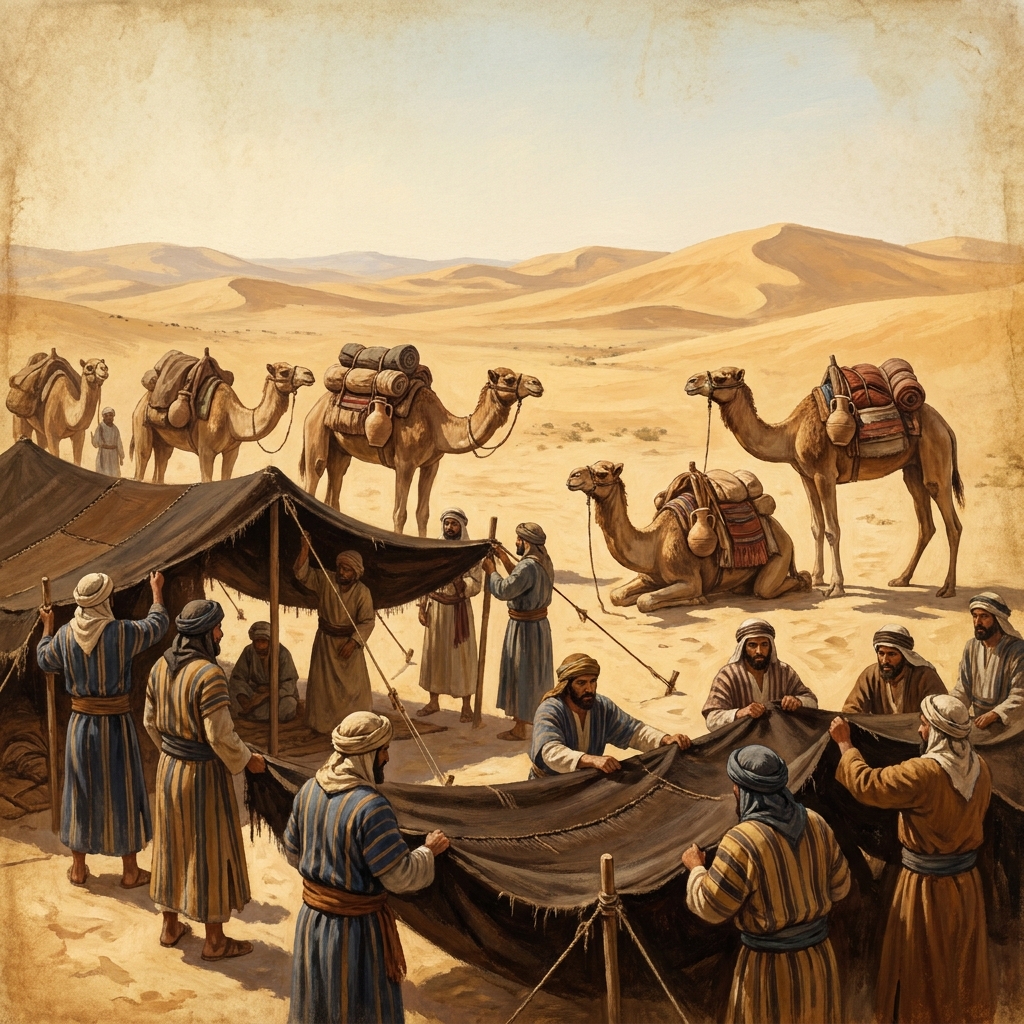
Life on the Arabian Peninsula, Explores the culture and environment of the historical Arabian Peninsula
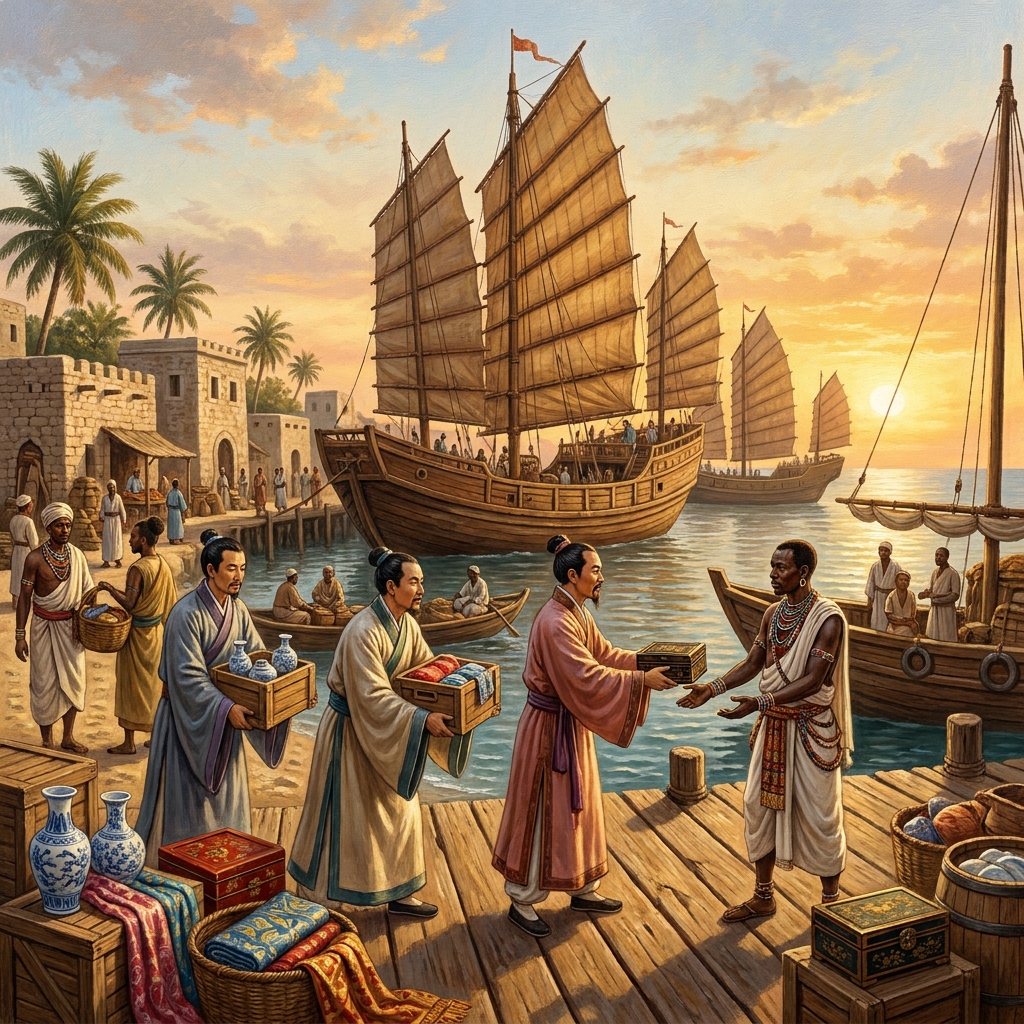
Trade and Influence in the Mongol and Ming Eras, Examines economic and cultural expansion during the Mongol and Ming