

When we reach the unit on the Enlightenment in our 7th grade history curriculum, students often struggle to see how these ideas popped up out of nowhere. This 45-minute lesson, The Enlightenment and Its Roots, does a nice job of slowing that process down. It focuses on the intellectual lineage of the era, pushing students to see that eighteenth-century thinkers were actually standing on the shoulders of Greeks, Romans, and earlier European movements.
The lesson covers the big concepts of the period, defining the Enlightenment as an intellectual movement that prioritized reason over traditional belief to improve governance. It leans on key terms like reason and natural rights to help students articulate how ideas about life and liberty began to take shape. For a student who needs support with 7th grade history curriculum, this is a solid choice because it uses familiar touchpoints like Socrates and the Scientific Revolution to build a bridge toward more abstract political theory.
Connecting history to the Enlightenment
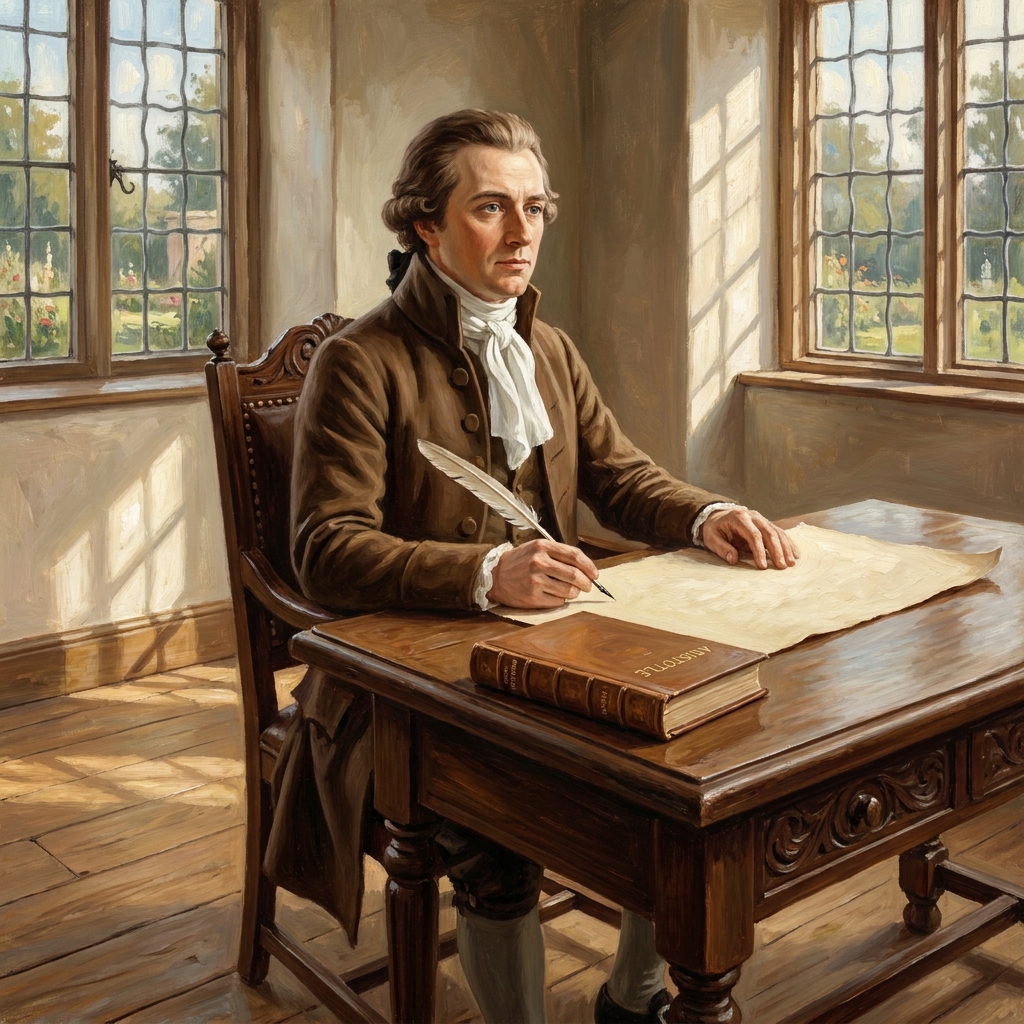
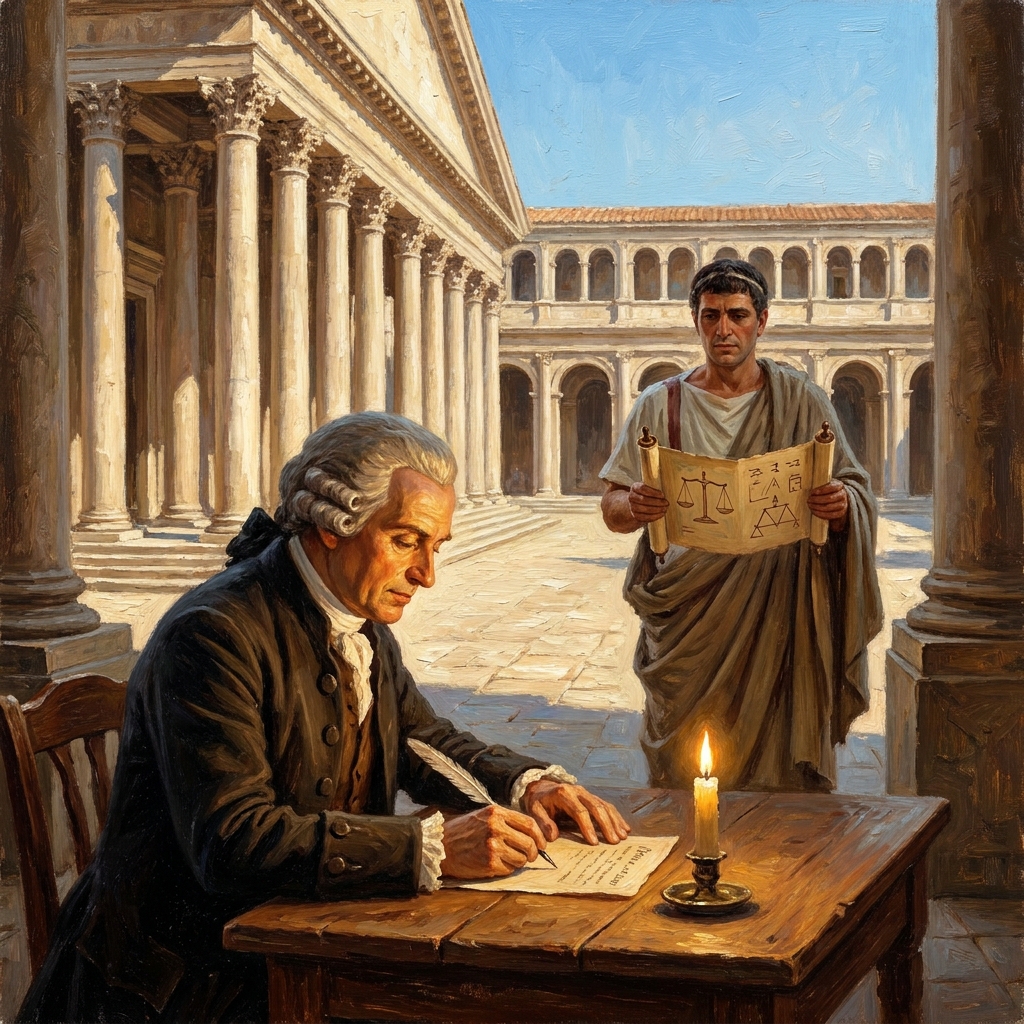
The core objective here is to connect big ideas of the Enlightenment to traditions of the past. The lesson explains that these concepts have traveled across the Mediterranean for two thousand years, starting with the questioning nature of ancient Athenian thinkers. I find that my students get stuck if they do not grasp the timeline, so the lesson includes a scenario about a thinker who limits a king’s power by citing Aristotle. It is a smart way to demonstrate that Enlightenment arguments were not just flashes of brilliance in the 1700s, but a synthesis of classical thought applied to new political pressures.
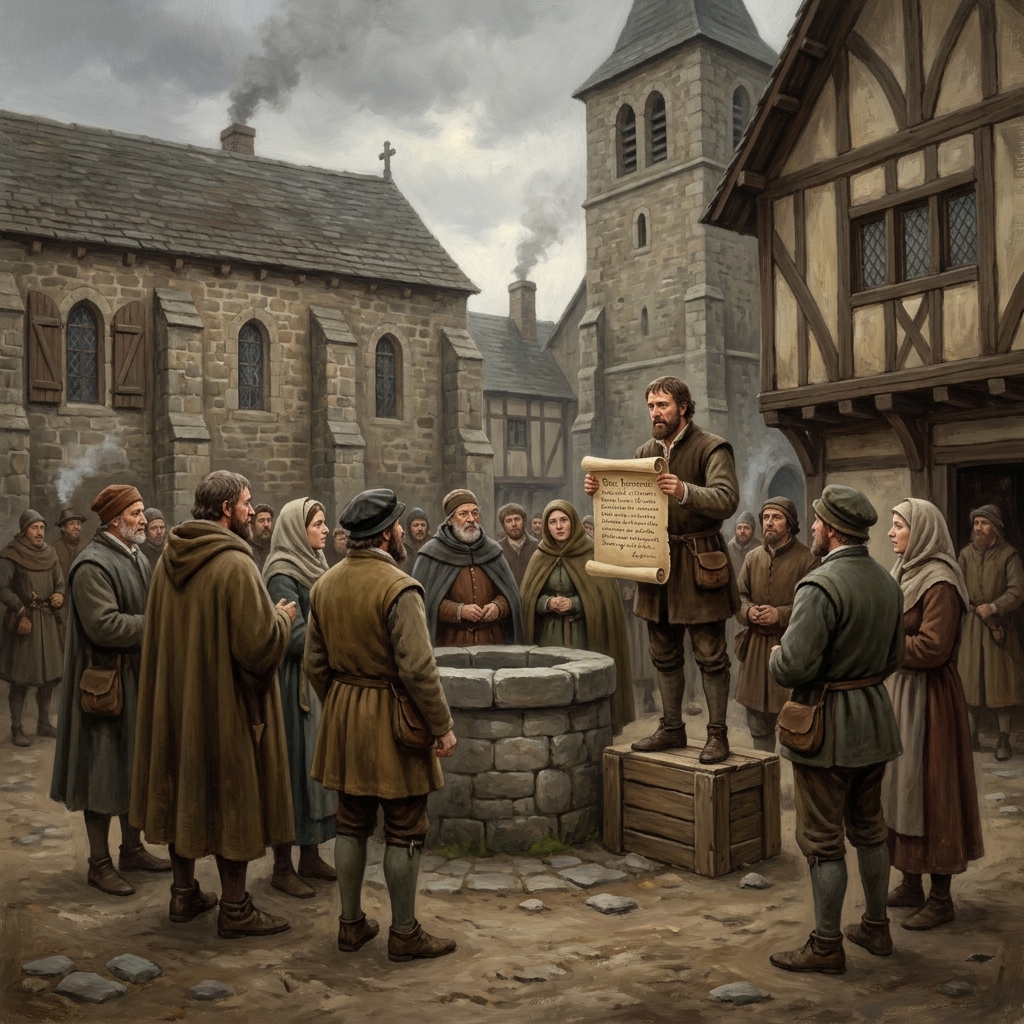
This material serves the CA.HSS-7.11.4 standard. This is the California-adopted standard which asks students to explain how Enlightenment ideas trace back to the Renaissance, the Reformation, the Scientific Revolution, and the influences of the Greeks, Romans, and Christianity. Students in districts like Irvine Unified, San Diego Unified, Pleasanton Unified, and Monterey Peninsula Unified are all working toward the same expectations. It is a dense standard, but breaking it into these specific historical movements makes the material feel much more manageable for seventh graders.
Where students often slip
The hardest part for my class is moving from the historical background to the practical application of reason. The guided practice section features a passage about a scientist using experiments to prove the earth moves around the sun. Some students will want to talk only about the astronomy, forgetting that the real point is the methodology. Remind them that they are looking for evidence of the scientific mindset, which is the direct ancestor of the political reasoning used by later Enlightenment philosophers. You might have to circulate quite a bit here to ensure they are focusing on the shift toward objective evidence as a foundation for authority.
I suggest using this lesson for a whole-class introduction or as a backup for a student who missed the week of direct instruction. It also works for independent study if you have a student who can handle the reading load, though they will need to be comfortable with the vocabulary terms like natural rights and reason. The reason this material matters today is that it explains the mechanics of our current democracy, particularly why we value evidence and debate in public life.
Managing the lesson flow
Since the lesson is designed for about 45 minutes, you do not have much room for fluff. The why-it-matters section is a perfect wrap-up conversation starter because it brings the topic into the present. Ask your students to describe how they use these same habits of reasoning when they look at current news or community decisions. It grounds the history in a way that helps it stick. If you have a particularly quiet group, the connection to voting and community decisions usually gets them talking. Just watch the time during the guided practice session, as the reading comprehension portion can easily expand if students get caught up in the details of the Scientific Revolution.
Related lessons
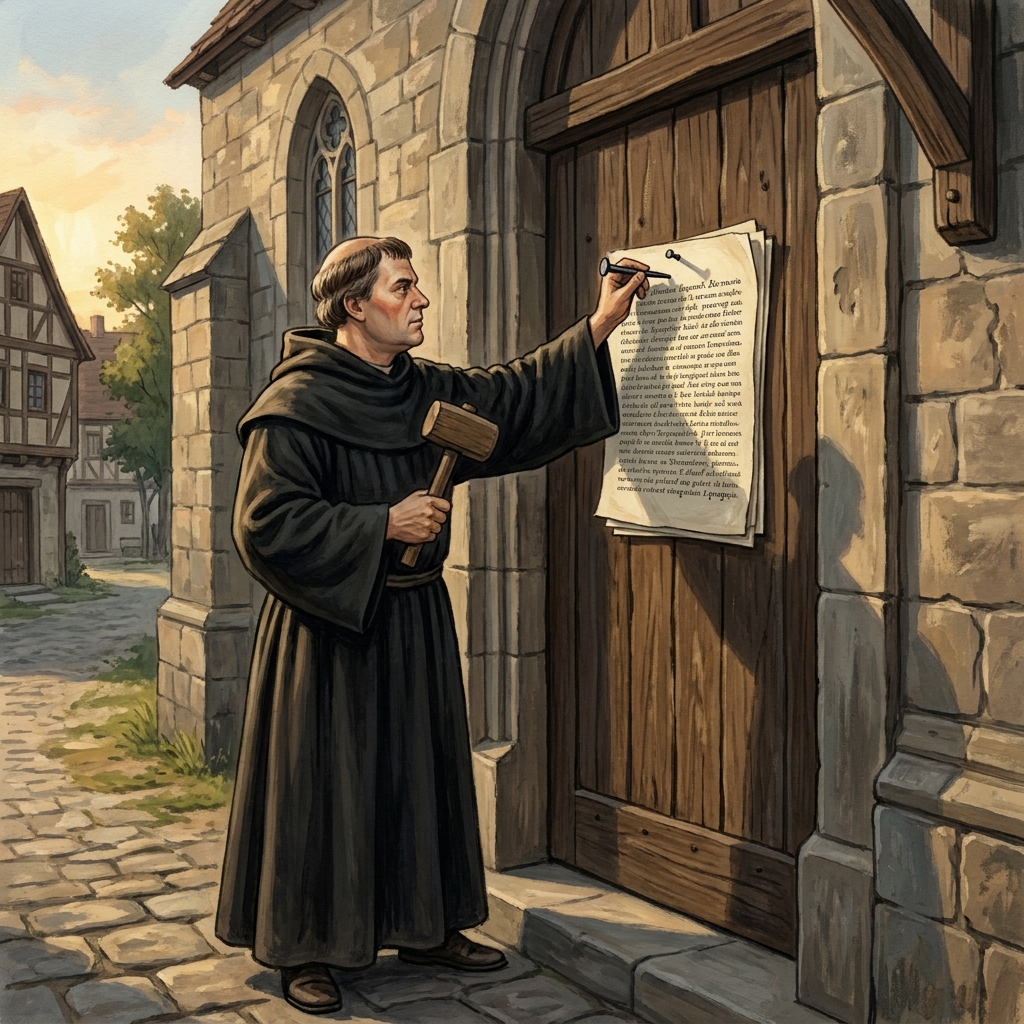
The Reformation: New Ideas in Europe, Examines the religious and political changes during the European Reformation
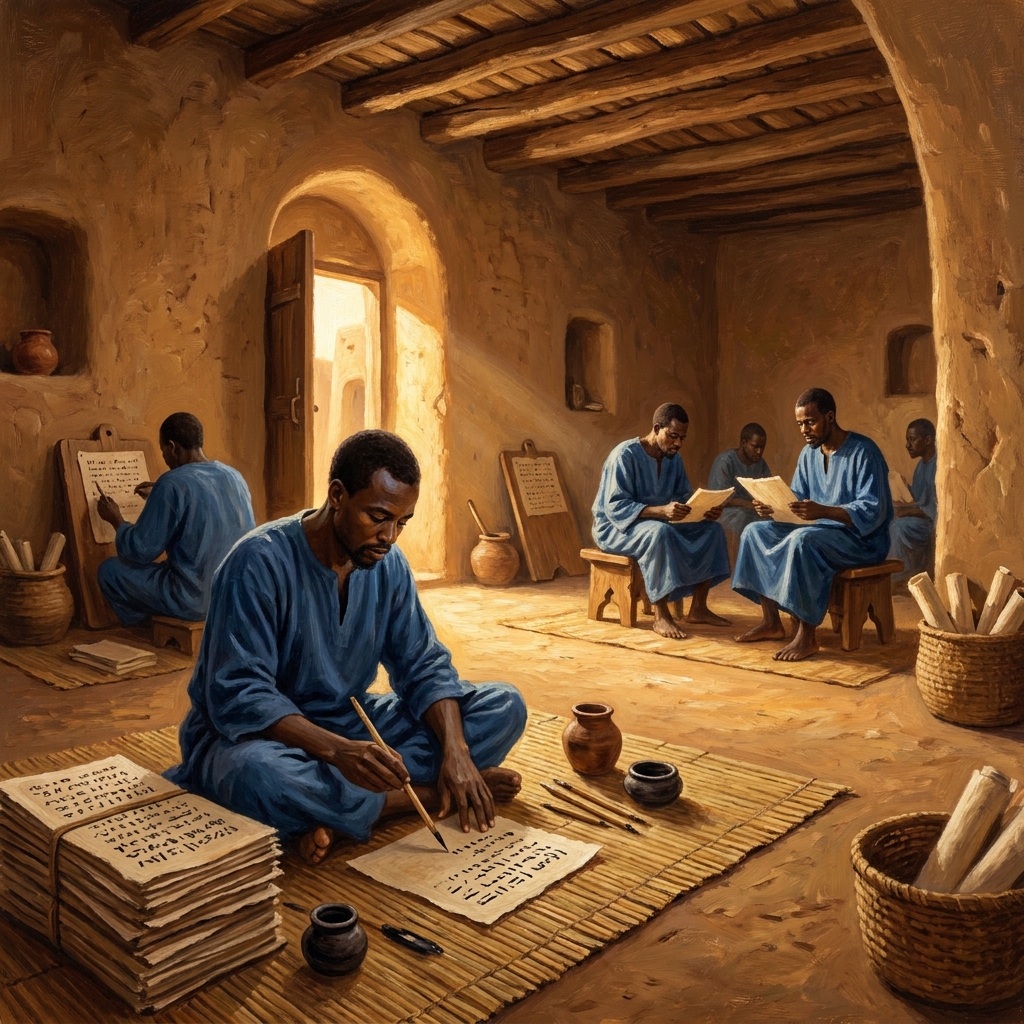
Voices and Ink: Preserving African History, Discusses methods for recording and maintaining history within African cultures
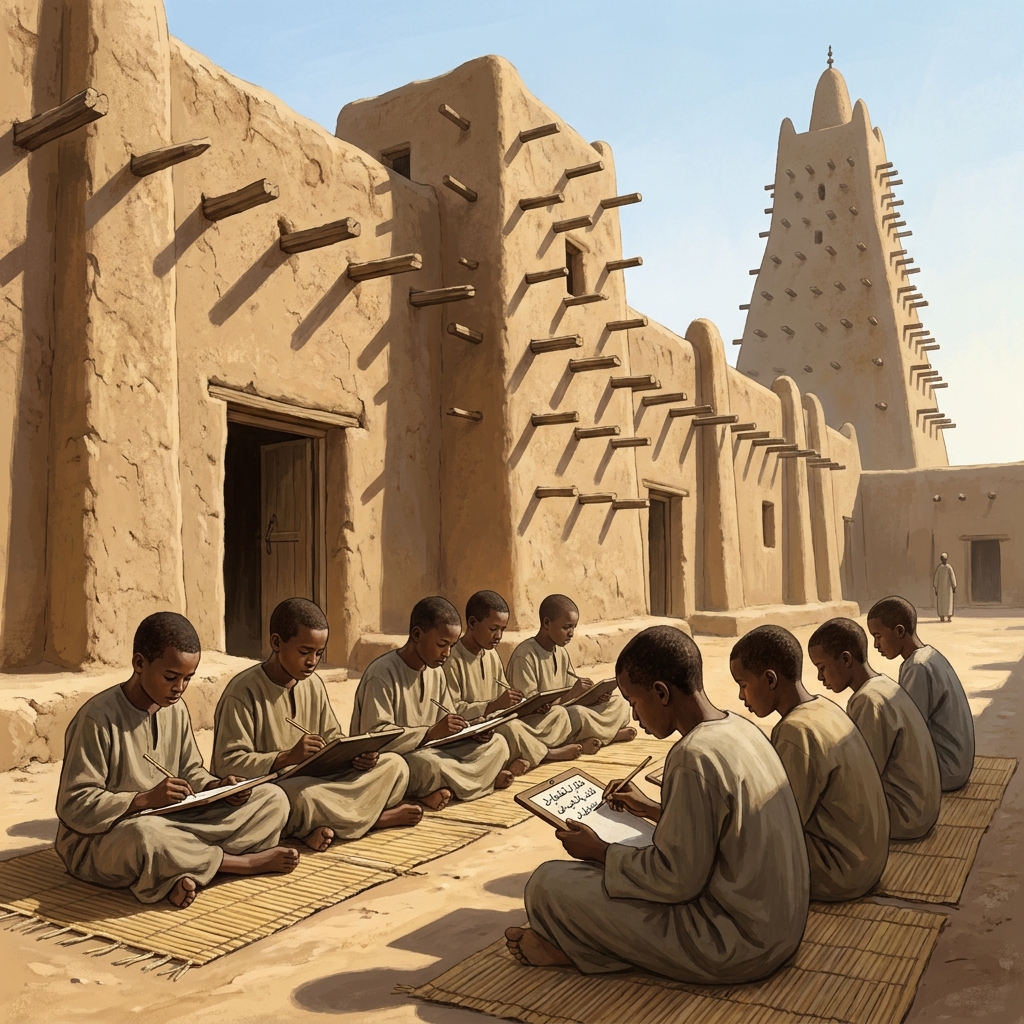
Trade and Culture in Medieval West Africa, Explores how trade networks influenced culture in medieval West Africa