

Catching up a sixth grader who has missed a week of history is rarely straightforward.
When you need to bring a student back up to speed in 6th grade social studies, you want a resource that is direct and focused. The Enduring Legacy of Ancient Rome is exactly that kind of resource. It centers on the core concept of legacy, asking students to define what it means for an idea or an innovation from thousands of years ago to still shape the way we live today. The lesson takes roughly 45 minutes to complete, which makes it a very practical choice for independent study or a student who needs to recover attendance days without feeling overwhelmed by an entire unit of text.
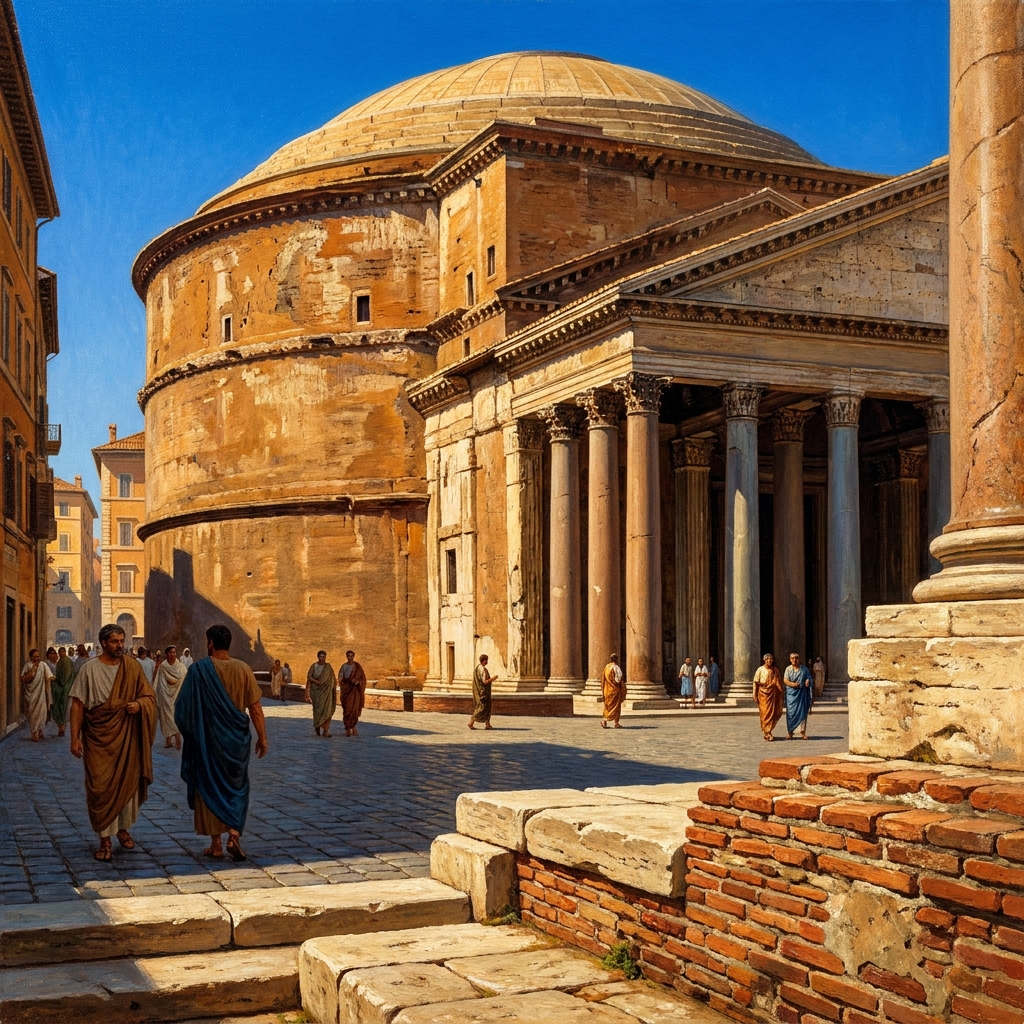
The lesson begins by establishing how Roman architects were masters of building with stone and concrete. It explains how they used the arch to support weight and construct massive public buildings like the Colosseum, which remains a landmark example of structural design that allowed large crowds to move efficiently. The sixth grade social studies history lesson then moves to the Pantheon as a specific worked example, showing how its concrete dome has stood for nearly two millennia and acts as a blueprint for the government buildings we see in our own country today.
Students are asked to focus on three key vocabulary terms: legacy, aqueduct, and empirical observation. A legacy is defined as a lasting contribution or idea from the past that continues to influence the way people live, work, and govern in the present. An aqueduct is described as a bridge-like structure built to carry water from distant sources into cities. Perhaps most interesting for students is the concept of empirical observation, which the lesson describes as the process of gaining knowledge through direct observation and testing, an approach that allowed Roman engineers to constantly improve their architectural designs over time. These terms are not just definitions to memorize; they are the tools the student uses to analyze the influence of Roman inventions.
Understanding the relevant standards
This lesson is built to meet the specific requirements of CA.HSS-6.7.8. This California-adopted standard asks that students discuss the legacies of Roman art and architecture, technology and science, literature, language, and law. It is part of the broader HSS-6.7 standard, which requires that students analyze the geographic, political, economic, religious, and social structures during the development of Rome. The alignment is precise, covering everything from the way we build courthouses to the Latin roots in our modern legal vocabulary. When a teacher in Twin Rivers Unified, Compton Unified, Golden Valley Unified, or Livermore Valley Joint Unified assigns this, they are working within the exact same state framework that every other educator in California uses to measure historical literacy.
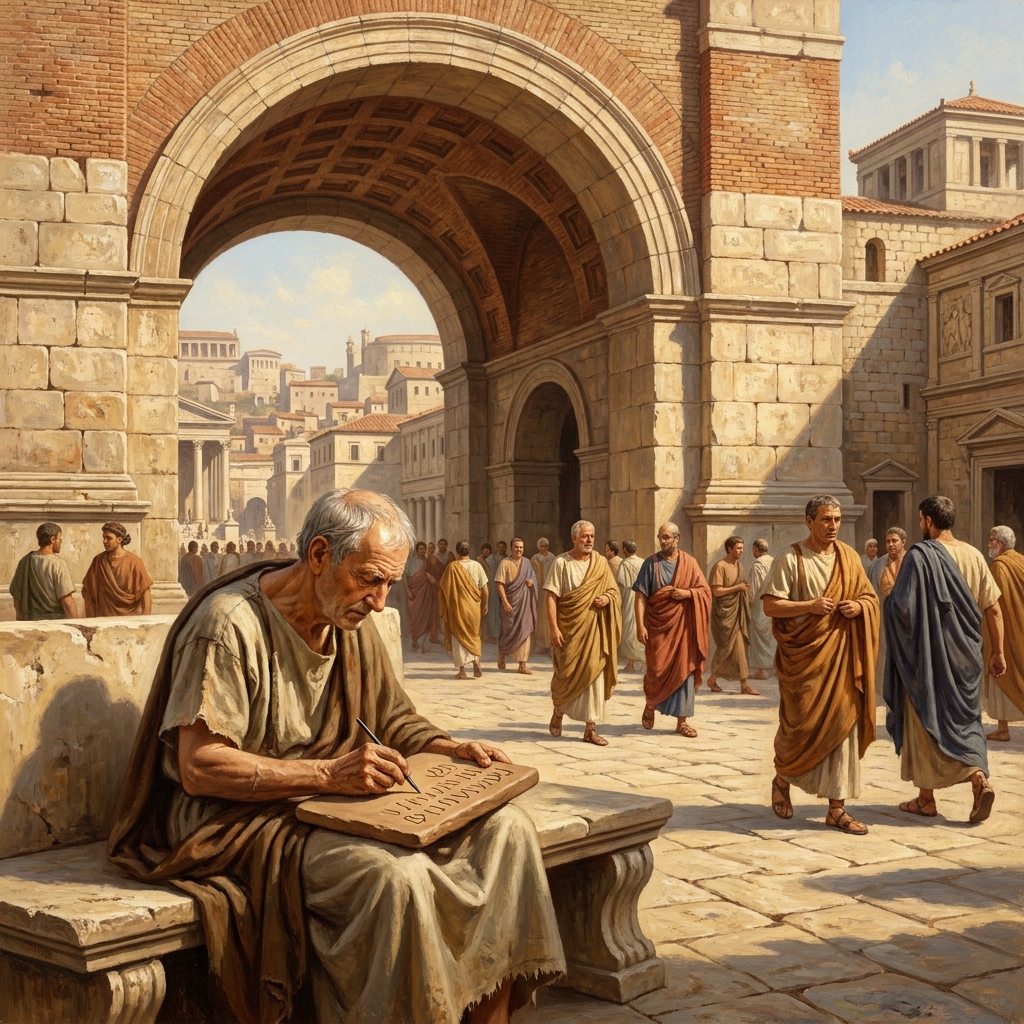
I have found that the most effective part of this lesson is the why-it-matters section. It challenges students to become informed citizens by noticing the architecture around them. When a student walks past a local bank or a courthouse and sees columns or domes, the lesson prompts them to recognize that they are viewing history in action. This shifts the subject from an abstract list of dates and battles to a tangible experience they can have on their way home from school. It makes the history of an ancient civilization feel present and relevant.
Implementation in the classroom
If you are managing independent study or looking for a way to support a student who missed the unit, this material provides enough context to stand on its own. You do not need to walk them through a massive textbook chapter before they can start. The guided practice is particularly well-structured. It asks the student to identify Roman architectural features in buildings today, which reinforces the concept that we are still building in ways that Romans pioneered. This kind of application is great for intervention work because it encourages students to synthesize information rather than just read a passage and answer factual recall questions.
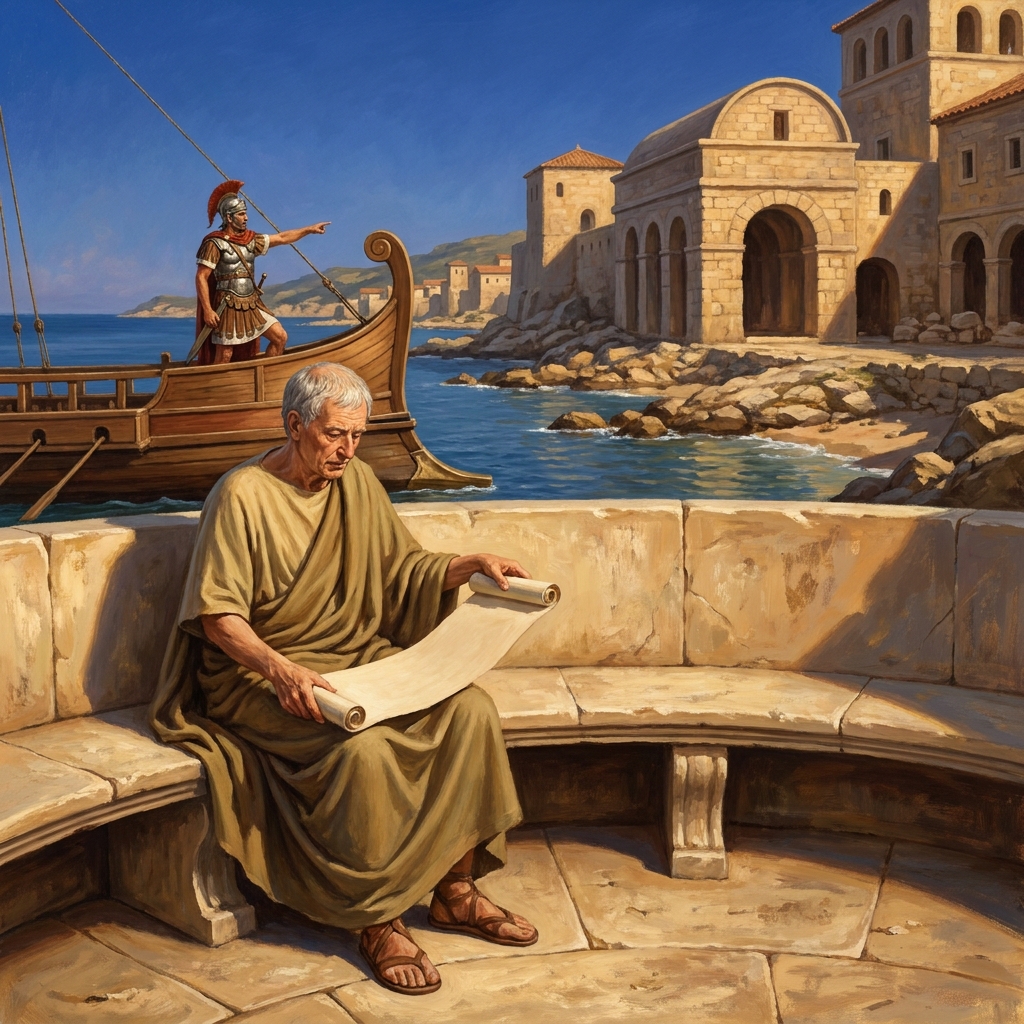
One caveat I would keep in mind is that the concept of empirical observation might need a quick conversation if the student is struggling with the scientific side of history. While the lesson explains it well, some 6th graders may need you to pause and talk about how testing a design for a bridge is similar to how they conduct science experiments in the lab. Once they make that connection, the rest of the lesson usually flows much better. It is a solid, clean, and straightforward way to hit a standard that can sometimes feel too broad if you are trying to cover it with generic materials.
If you are using this as part of a make-up assignment, the flow is simple for the student to follow on their own. They move from the historical context of the Roman arch to the architectural reality of modern government buildings. By the time they hit the end of the 45 minutes, they have a clear understanding of why we still use the term legacy to describe these ancient contributions. It is a thoughtful lesson that treats the student like a developing historian, encouraging them to look up from the page and start examining the world around them for the fingerprints of the past. Using this for attendance recovery or independent study provides a high-quality experience that respects the time you and the student are investing.
Related lessons
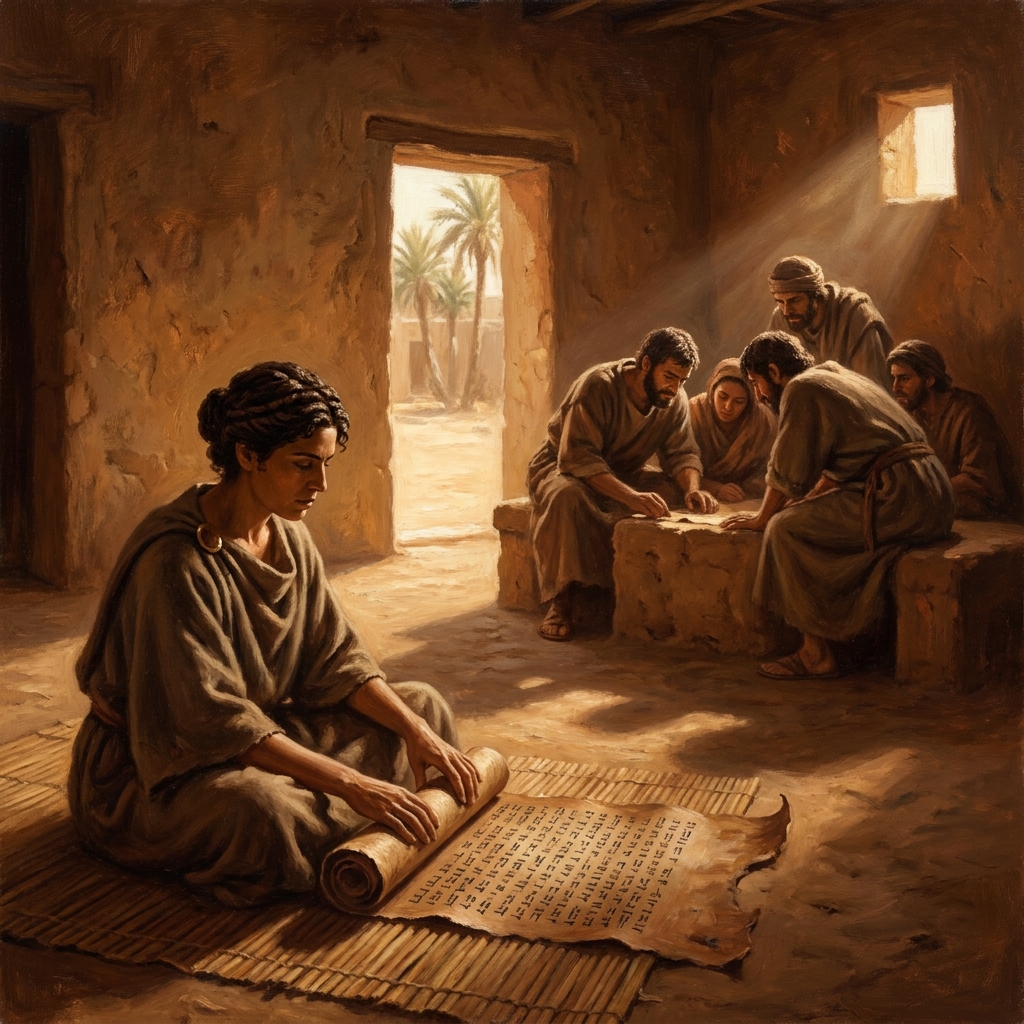
The Ethical Roots of Judaism and Western Tradition, Examines the moral foundations and traditions of ancient Jewish society
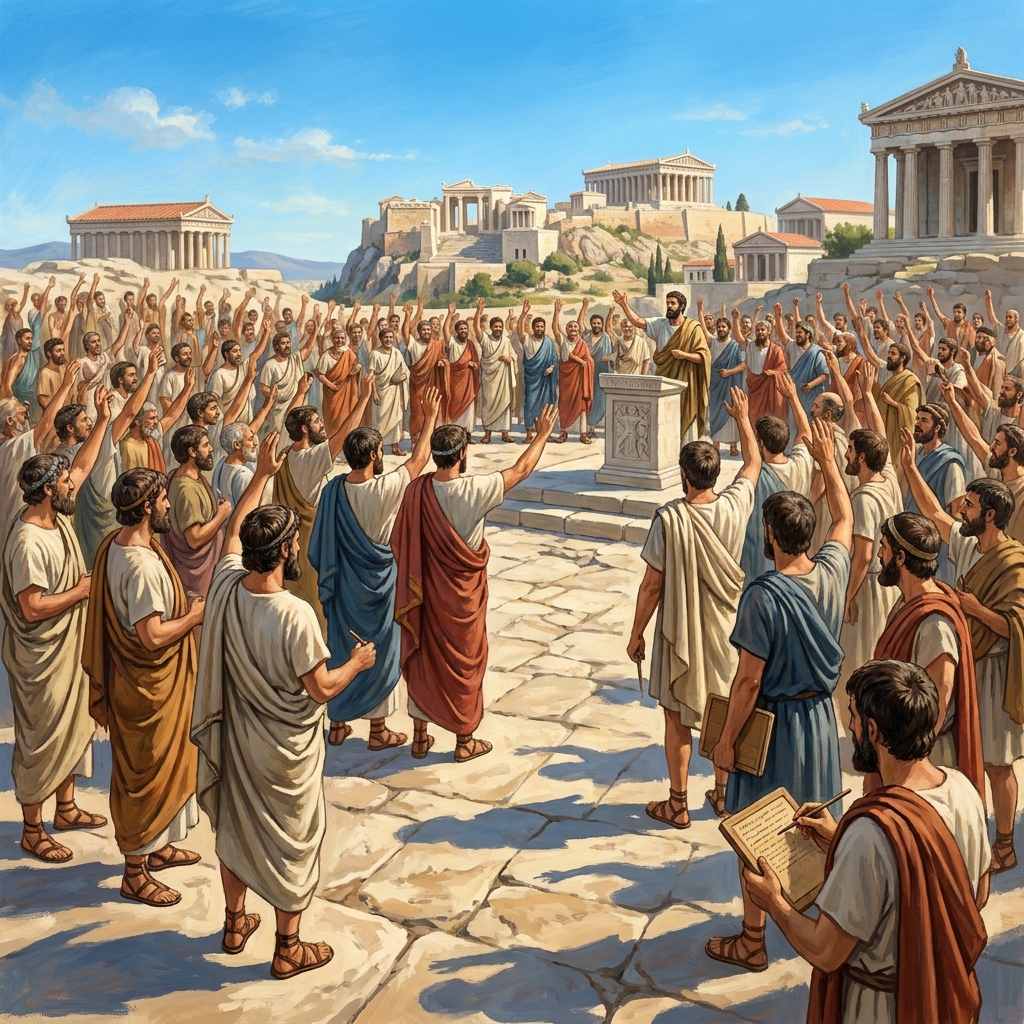
Democracy: Direct vs. Representative, Compares two different styles of government and their historical origins
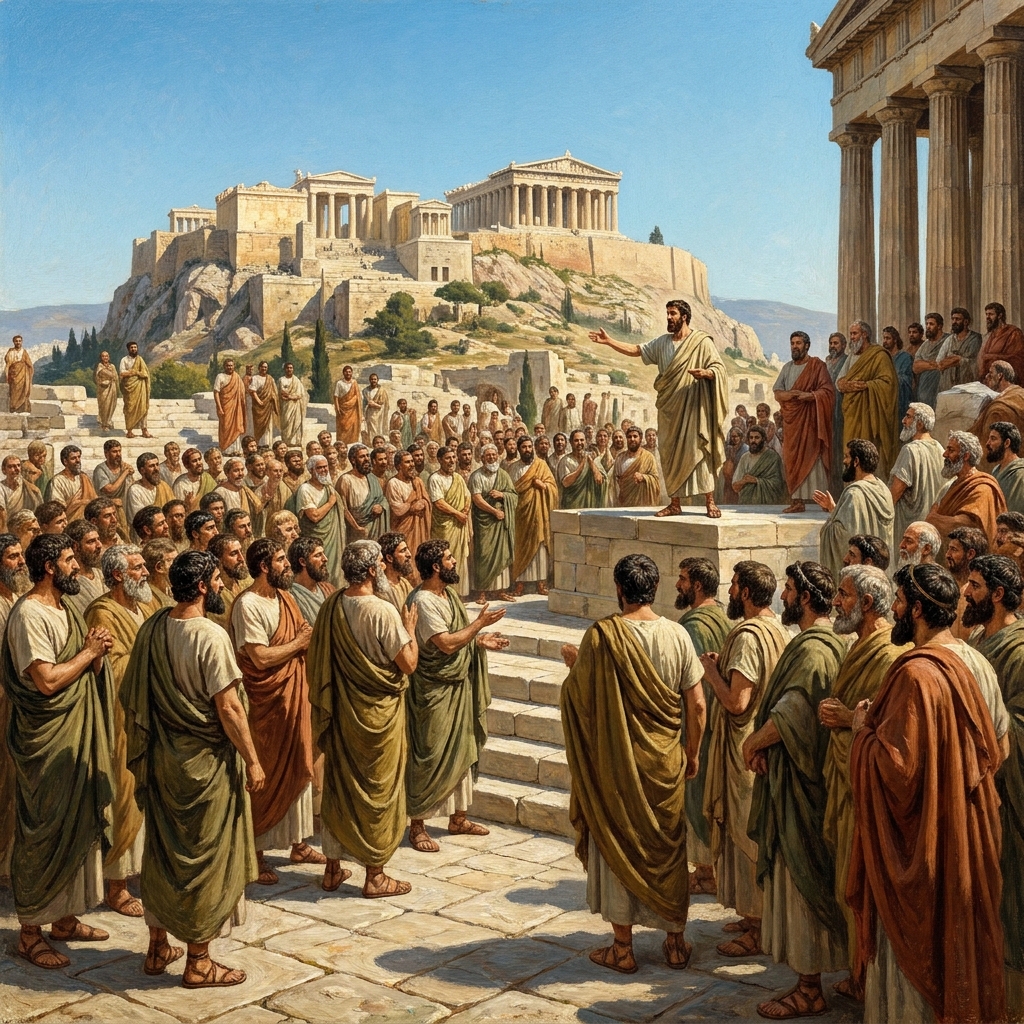
Geography and Life in Ancient Greece, Explores how Greek terrain shaped the development of their civilization