

A frame, a chain, and 3 gears. That is the bicycle the lesson opens with, and it is a smart place to start, because nearly every eighth grader has ridden one or watched a chain slip off at the worst possible moment. Take away one part and the rider goes nowhere.
The Body as a System is an eighth grade science lesson from our Middle School Life Science course, and it runs about 45 minutes. The objective is easy to say and harder to do well: explain how the human body works as a system of interacting parts made of cells. I went through it the way I would sit in the back of a colleague’s room, and here is how the period moves.
How the period unfolds
The bicycle opener has one job. It hands students the idea of a system before they need it for anything alive, so the first time they apply it to a body, the word already means something. From there the lesson pins down three terms:
- System: a group of interacting parts that work together to perform a specific function
- Subsystem: a smaller system that is part of a larger, more complex system
- Homeostasis: the process by which a body maintains a stable internal environment despite changes outside
Subsystem is the one I would slow down on. Students tend to treat the digestive system and the circulatory system as separate machines that happen to share a body. The whole point is that they are parts of one larger system, and that idea lives in that single word.
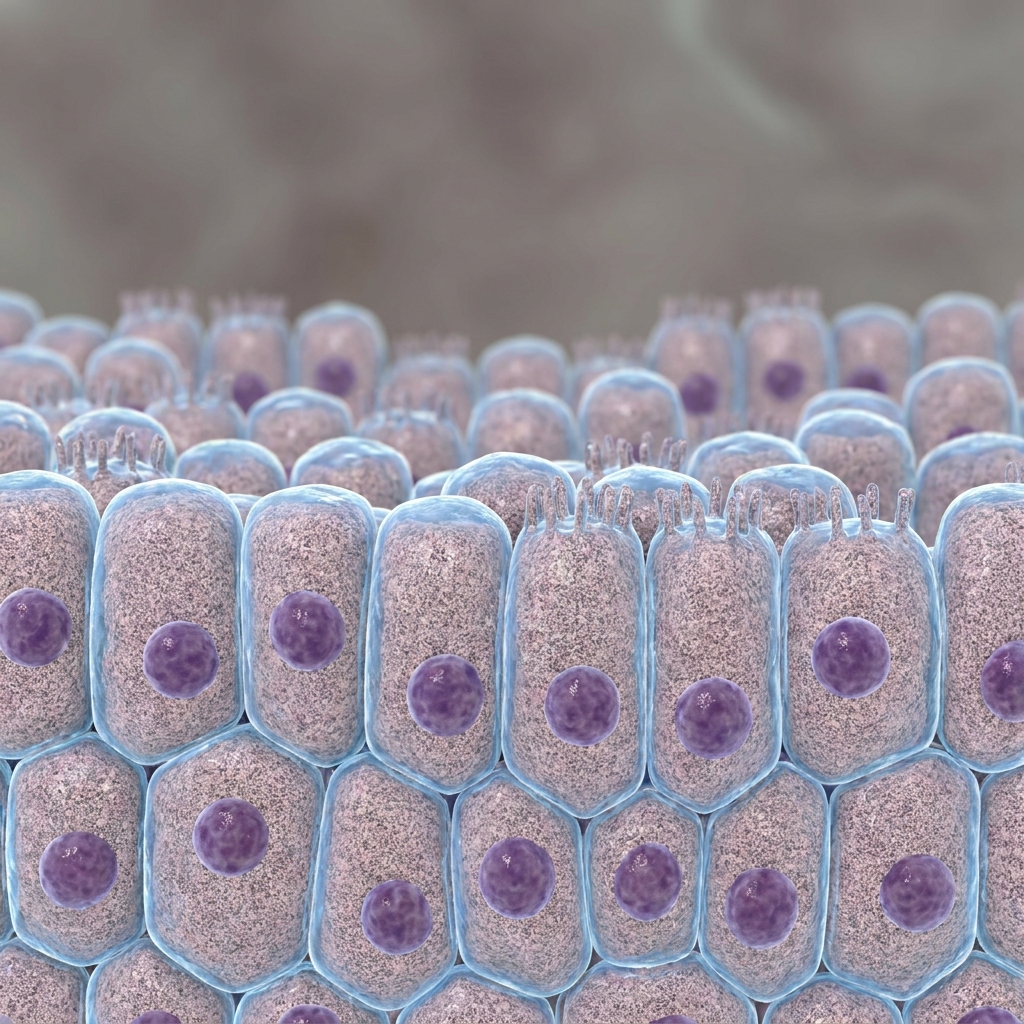
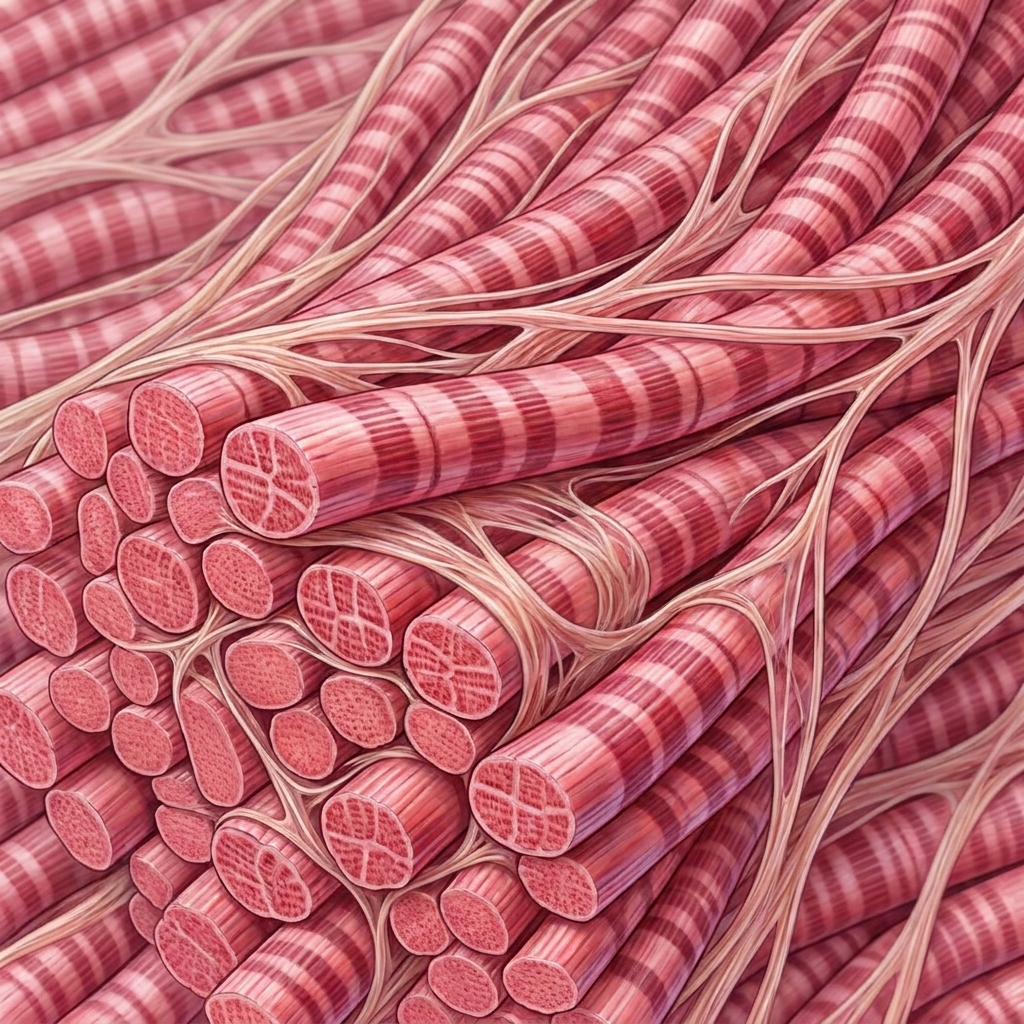
The worked example is the digestive system, kept deliberately small. Stomach cells form tissue, that tissue forms the stomach organ, and those parts work together to break down food. Cells, tissue, organ, system. I like that the lesson stays with one organ instead of marching through every system in the textbook. Students can hold the whole hierarchy in their heads at once, which is exactly what they need before the next step.
Then the lesson hands it over. Guided practice puts students in front of a phenomenon: a runner whose heart rate increases during a race. This is where the period turns from learning vocabulary to using it. A student has to reason across systems, connecting a heart that speeds up to the muscles doing the running and to the body’s effort to keep things stable. The answers I would want to hear name more than one subsystem and say how one change sets off another. A student who just writes “the heart beats faster because running is hard” has described the runner, not argued anything.
Closure ties it to medicine. Doctors need to know how a change in one system, like the heart, affects another, like the brain, in order to treat patients. It is a short ending, but it gives eighth graders a reason the hierarchy matters outside a diagram.
The standard, and who this fits
The lesson is built on MS-LS1-3, which asks students to use argument supported by evidence for how the body is a system of interacting subsystems made of groups of cells. The word that gets skipped is argument. Labeling organs is not enough; students are supposed to make a claim and back it up. The California NGSS version, CA.MS-LS1-3, carries the same expectation and adds the state’s integrated approach, where middle school science weaves physical, life, and Earth sciences together and grounds them in California phenomena. Students in Lodi Unified, Sacramento City Unified, Union Elementary School District, and Los Alamitos Unified are working toward this exact standard, because it reads the same in every California district.
My honest caveat: 45 minutes is a tight window for real argumentation, and the runner scenario is the only place students build one. I would follow it with a short written claim-and-evidence paragraph the next day, maybe using a different phenomenon, so the argument piece gets a second rep.
It works well for a student who missed the week of body systems, since the arc from bicycle to stomach to runner rebuilds the idea from scratch. It fits independent study for the same reason. And it is a sound substitute-day plan, because the sequence carries itself and the guided practice gives a sub something concrete to collect.
If you are looking for an eighth grade body systems lesson that starts with a bicycle chain and ends with a racing heart, it is ready to assign.
Related lessons
Managing California's Natural Resources, How California manages and uses its natural resources
How Your Body Uses Food, How the body processes and uses the food we eat
How Plants Grow: Genes and Environments, How genes and environmental factors together shape plant growth