

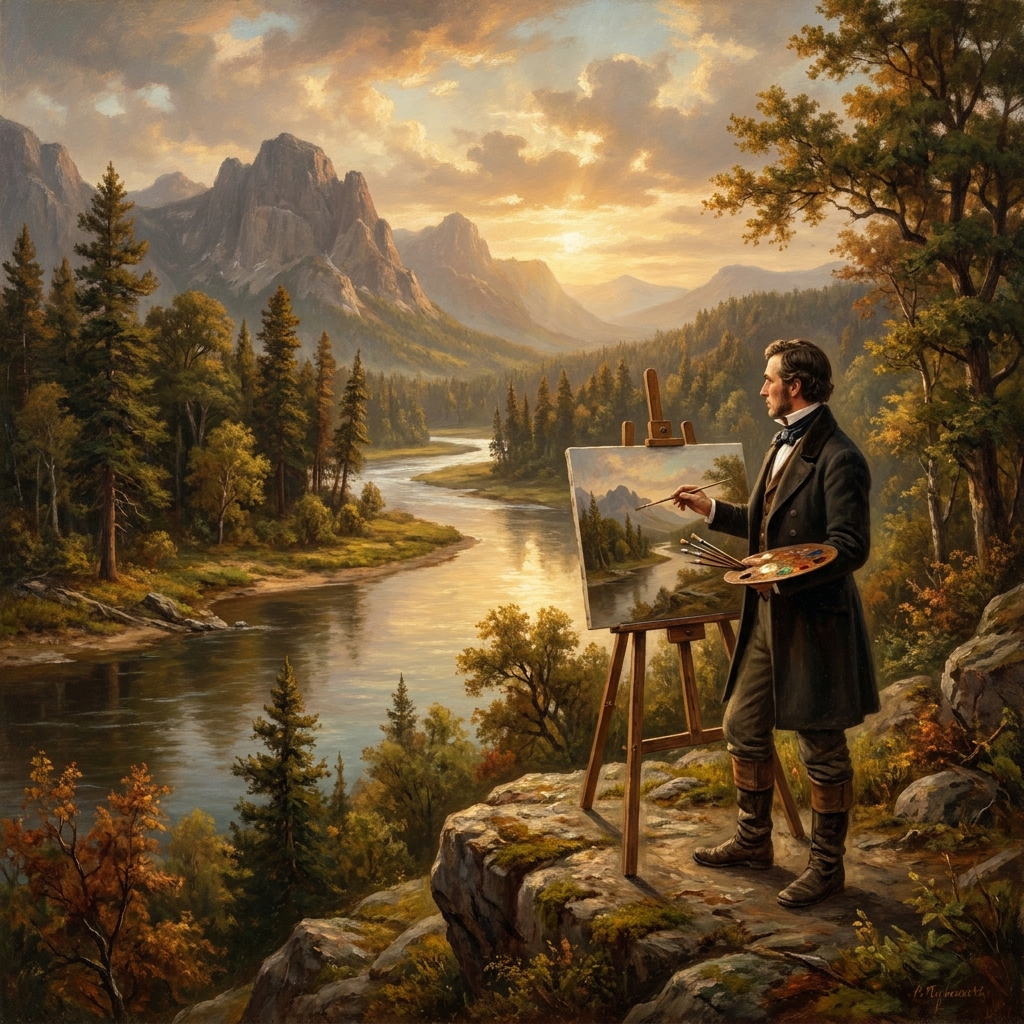
Ralph Waldo Emerson once argued that a person should trust their own unique voice instead of blindly following the crowd. This premise helps students grapple with the tension between societal expectations and the personal conscience throughout the 19th century, a core focus of this lesson.
Introducing 19th-century philosophy to your classroom
Ralph Waldo Emerson once argued that a person should trust their own unique voice instead of blindly following the crowd. This is the starting point for Individualism and Nature in 19th-Century American Thought, a lesson designed for eighth-grade students navigating the complexities of 19th-century American history. When we teach this era, it is far too easy to stick only to dates and treaties. However, the intellectual shifts of the time are what really shaped the American identity. This lesson provides a space for students to grapple with the tension between societal expectations and the personal conscience.
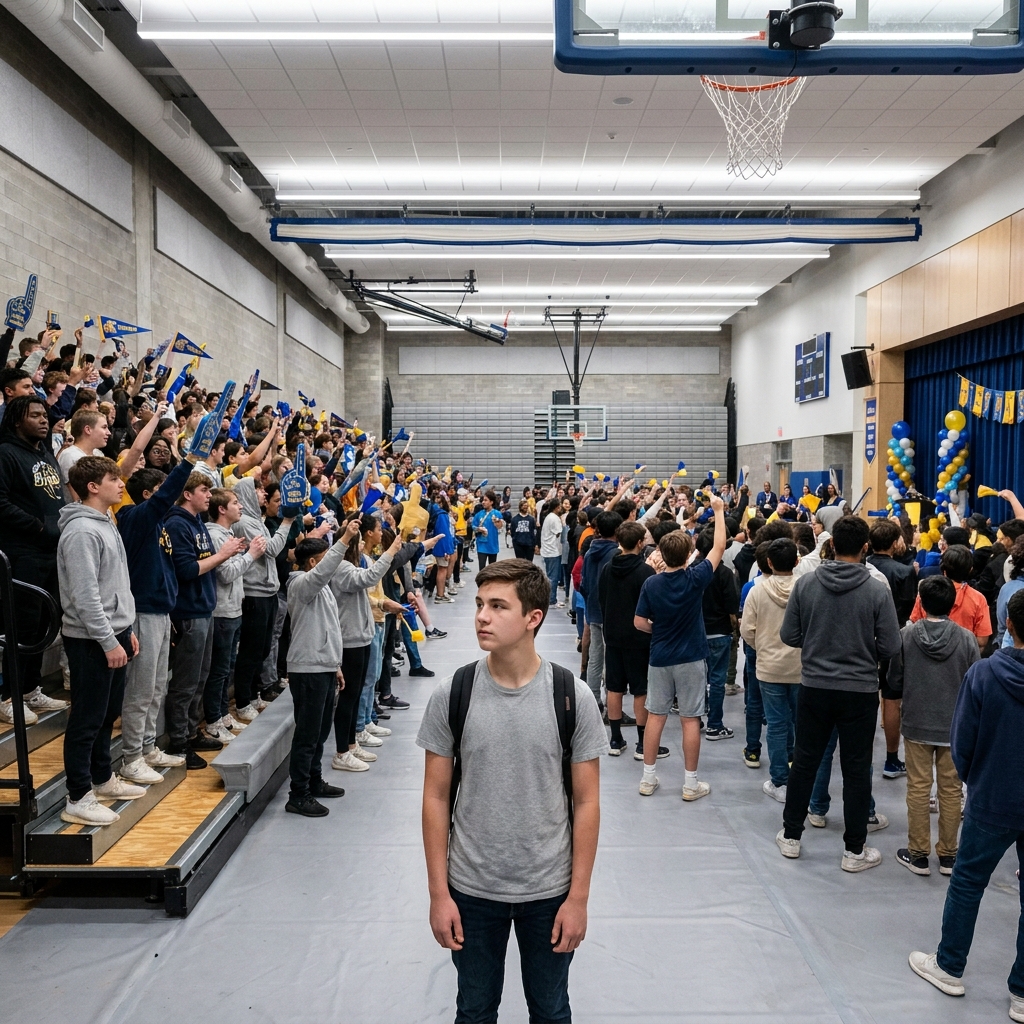
The content begins with the basics of individualism, which the lesson defines as the belief that each person should think for themselves and follow their own conscience rather than just doing what society expects. It also introduces transcendentalism, defined as a 19th-century philosophy that taught people to look beyond the physical world and find truth through intuition and nature. By starting with these concepts, students gain a framework for understanding why writers like Emerson, Thoreau, and Alcott were so revolutionary. They were not just writing stories or essays, they were actively challenging the way people perceived their relationship with the natural world and their own potential.
Visualizing the connection to the wilderness
One of the strongest features of this resource is how it uses art to make these abstract concepts concrete. Students examine the work of the Hudson River School, a group of artists who painted large, beautiful landscapes of the American wilderness. These paintings reflect nature as a powerful and spiritual place. By focusing on the wild beauty of America, these artists were showing their pride in the land and their belief that nature is a source of truth. It is a fantastic way to break up the text-heavy nature of history units.
When I taught this in an 8th grade transcendentalism and individualism lesson, I found that students often struggled to connect with 19th-century writing until they looked at these landscape paintings. Seeing the scale of the wilderness in these works helped them understand why authors of the time were so obsessed with finding the sublime. It turns the study of history into a more visual and sensory experience, which is often what our students need to sustain their attention for forty-five minutes.
Connecting the curriculum to student lives
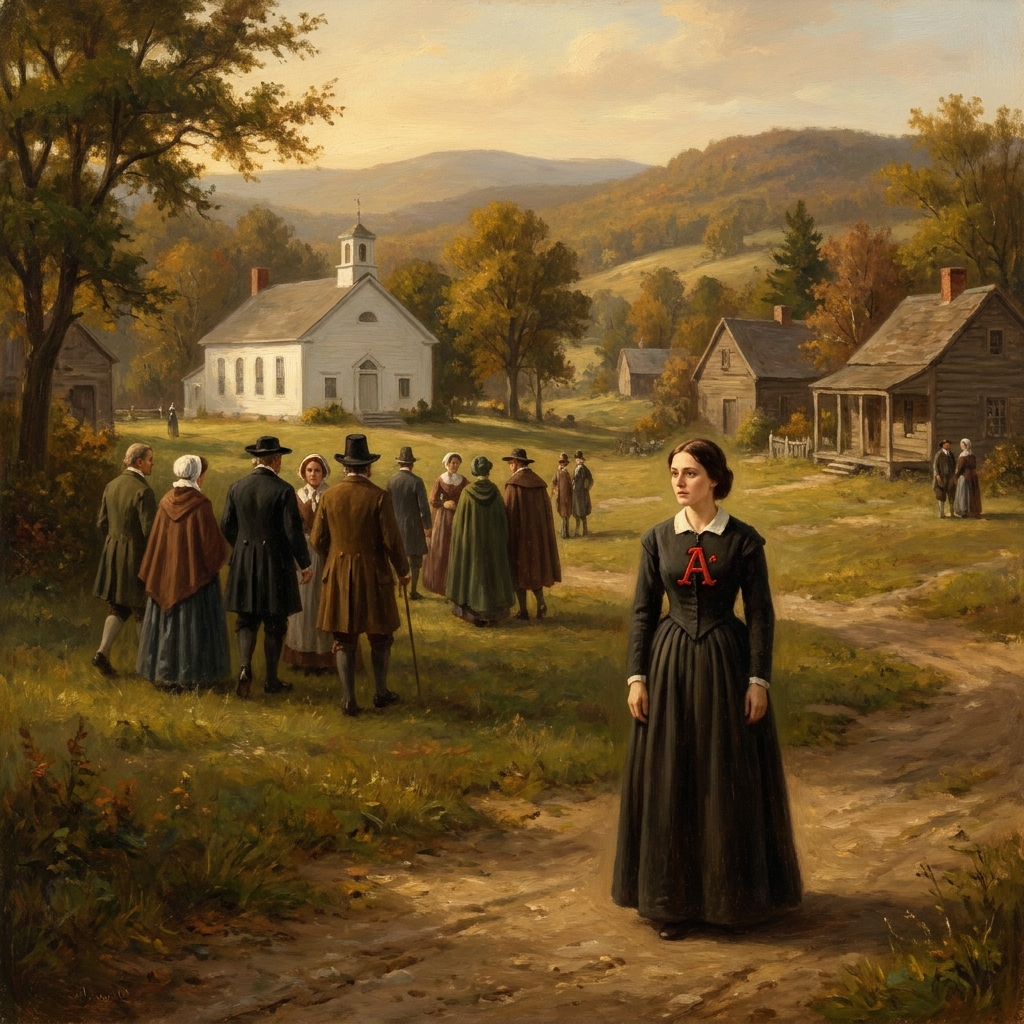
The lesson does a good job of moving from the grand scale of landscape art to the more personal scale of fiction. In the guided practice section, students look at Little Women by Louisa May Alcott. The story of the four sisters, each with unique personalities and distinct dreams for their future, brings the concept of individualism into a domestic setting. It asks students to reflect on their own goals and the way their personal choices define who they are. Teachers often worry that historical philosophy will feel detached from modern concerns, but this bridge to literature makes the concept of a unique voice very real for teenagers.
This lesson is appropriate for a whole-class assignment, an independent study module, or even as a solid plan for a substitute day when you need students to have a meaningful task. It fits perfectly into your requirements for California public schools, such as those found in San Ramon Valley Unified, Escondido Union School District, Carpinteria Unified, or Mountain Empire Unified, because it consistently applies the same standards across the state.
The standards and your daily teaching
The core objective here is to get students to identify how American writers and artists used ideas of individualism and nature to express their personal beliefs. This is a direct match for the standard CA.HSS-8.6.7. This California-adopted standard asks that students identify common themes in American art as well as transcendentalism and individualism. It is a requirement that expects students to go beyond mere memorization and actually analyze the themes found in the writings of figures like Herman Melville, Nathaniel Hawthorne, and Henry Wadsworth Longfellow.
My one critique is that the depth of the lesson relies heavily on how you facilitate the class discussion. If you simply hand it to students without a brief introduction, they might miss the emotional weight behind Emerson or the spiritual significance of the landscape paintings. I recommend spending a few minutes at the start setting the stage for what it means to rely on one’s own thoughts. Once students make that connection, the rest of the material clicks into place naturally. It is a thoughtful way to cover a standard that can otherwise feel a bit dry if reduced to a list of names and dates. When you encourage your students to see their own voices reflected in the 19th century, you make history their own.
Related lessons
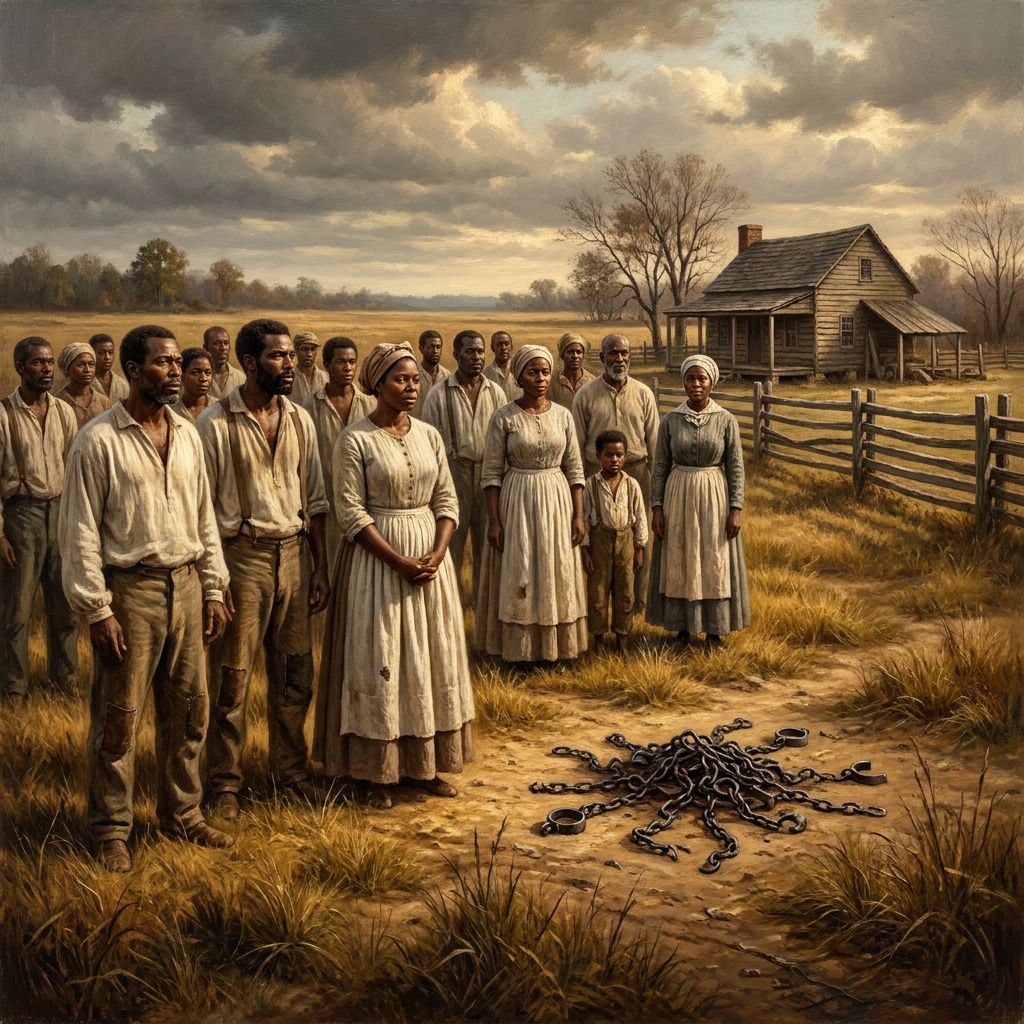
The Reconstruction Amendments: Redefining Citizenship, Discusses changes to citizenship status during the reconstruction era
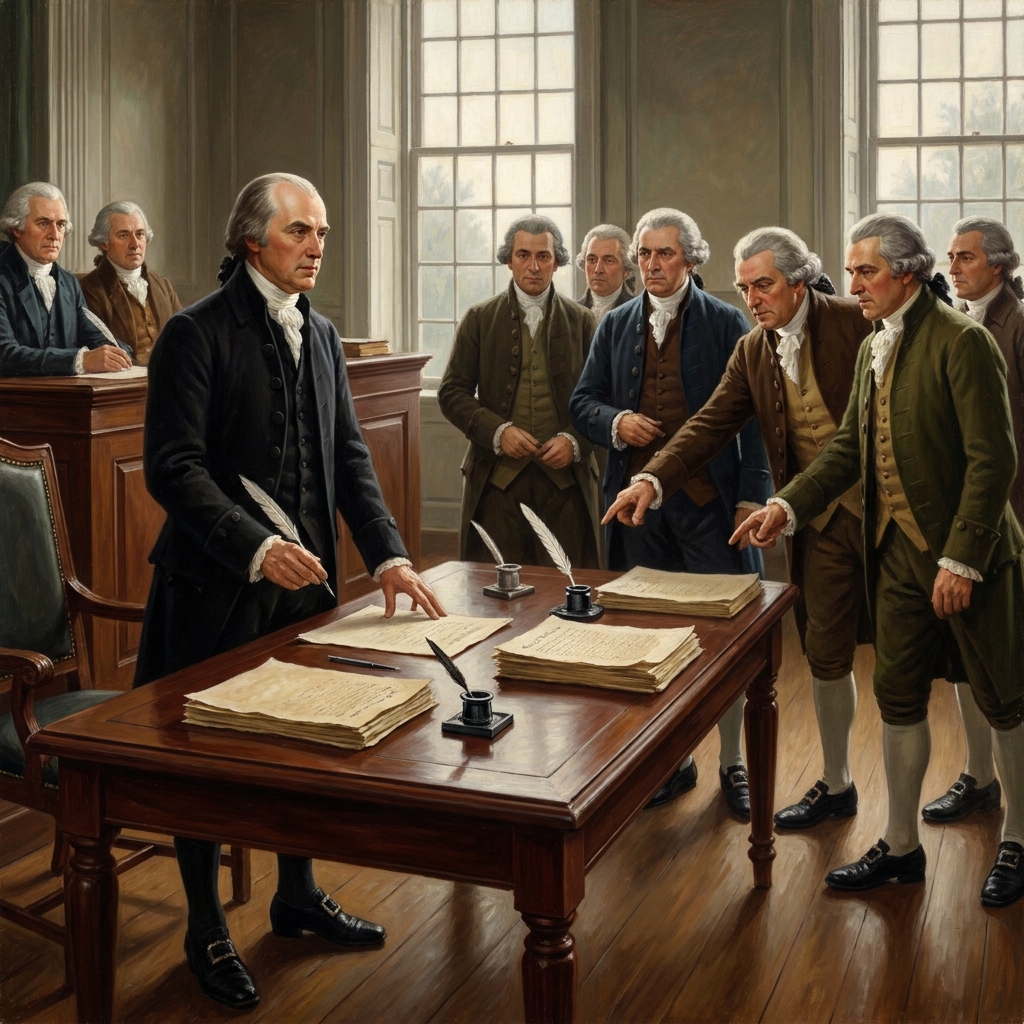
The Architecture of Freedom: The U.S. Constitution, Examines the structure and foundational principles of the Constitution
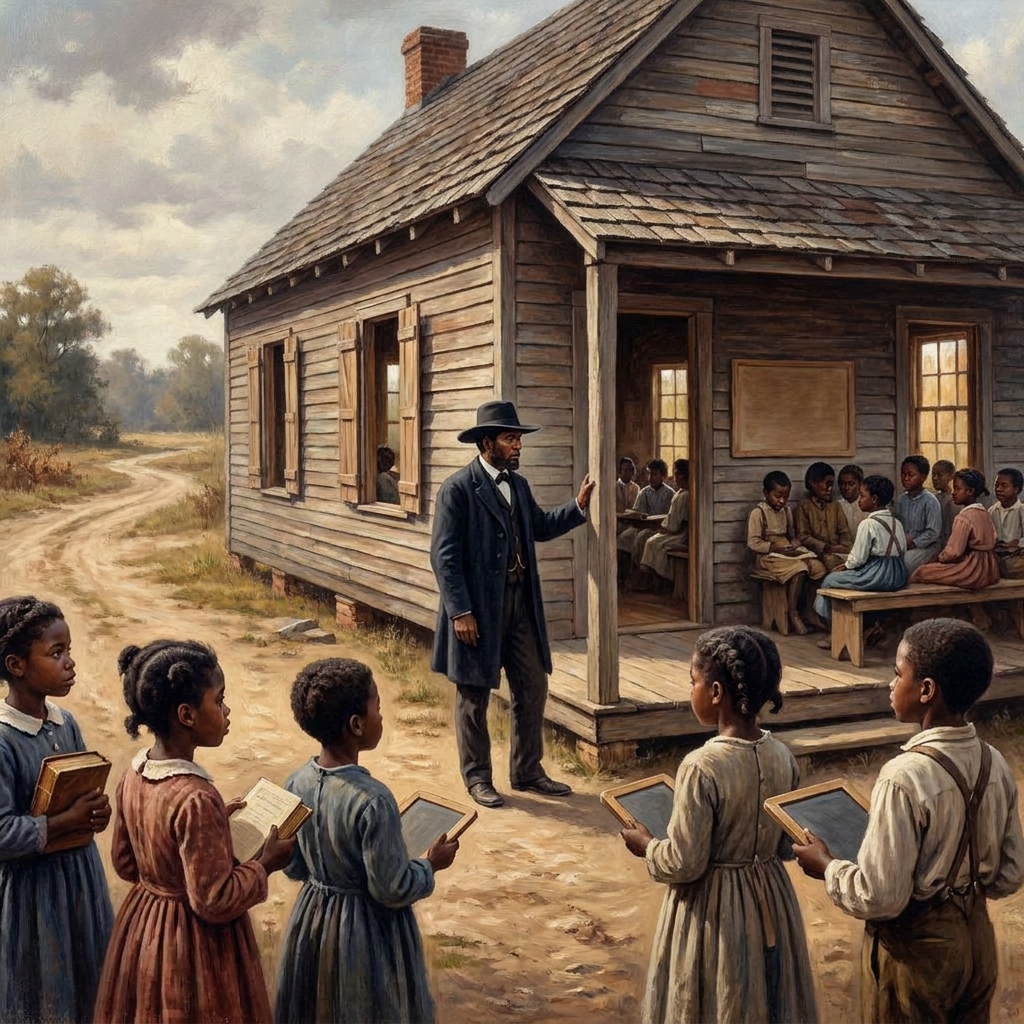
Reconstruction: A New Era for America, Covers the political and social changes during reconstruction